 Daily Tribune
The 76 new cases in June were 230 percent higher than the cases of the previous month of May that recorded 23 cases.
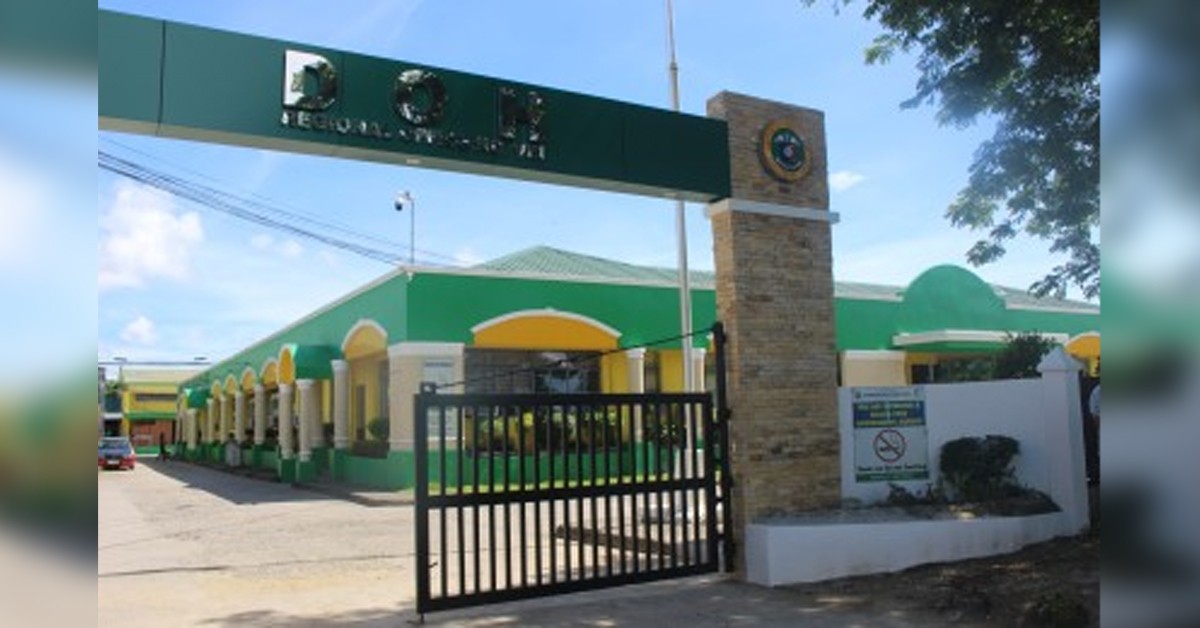
PALO, Leyte — At least two cases of human immunodeficiency virus or HIV infection were recorded in Eastern Visayas in June, the highest number in a single month since the first HIV case hit the country in 1984.
However, local health officials said they anticipated the spike in confirmed HIV cases since the region acquired its own testing laboratory last May 2023.
Medical technologist Antonietta Diloy, manager of National AIDS and STI Prevention and Control Program at the Department of Health in Region 8 said that 76 cases of new HIV infection were recorded in June, surpassing the previous high of 60 cases recorded in April this year.
"We have strengthened our advocacy campaign resulting in more people being tested," Diloy said, adding that rural health units in different municipalities are now equipped with enough allocation of testing kits which are readily accessible and available for those who want to be tested.
Among the provinces and independent cities in Eastern Visayas, Leyte recorded the highest number with 39 new cases spread in 18 municipalities; Ormoc City with 12 cases; Tacloban City with nine; Samar and Southern Leyte with eight new cases each; seven in Eastern Samar with seven and two in Biliran.
Diloy disclosed that the 76 new cases in June were 230 percent higher than the cases of the previous month of May that recorded 23 cases. She said reporting of HIV cases normally gets late due to the rigorous validation of data.
Data from the Regional Epidemiology and Surveillance Unit of DoH-8 shows that 68 of the 76 new cases were male and eight were female.
It also revealed that the majority of the cases were transmitted mainly through sexual contact with 59 percent between males, 23 percent by males having sex with both males and females, and 16 percent through heterosexual contact. Two infants contracted HIV through mother-to-child transmission.
DoH-8 regional information officer Jelyn Malibago, meantime, said that with the new equipment to conduct confirmatory testing for HIV, the agency is conducting trainings to expand the pool of individuals who can do pre and post counselling for those who undergo testing.
She added that the agency targets to test one percent of the population for HIV as the new testing equipment shortened the turnaround time from two to three weeks when specimens were still sent to San Lazaro Hospital in Manila to only one to three days with the test being conducted at Eastern Visayas Medical Center.


