 Daily Tribune
He added that labor officials from member states will also hold meetings with ASEAN Plus Three dialogue partners China, Japan and South Korea.
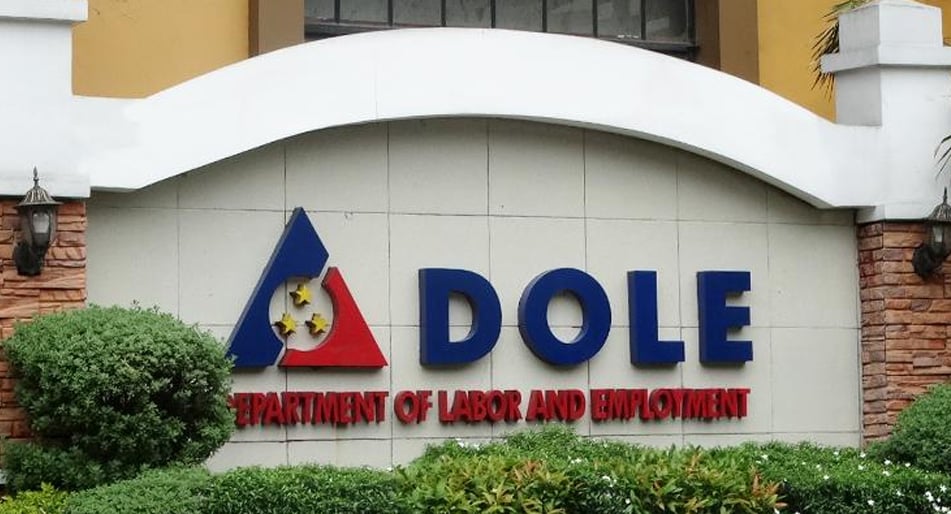
The Department of Labor and Employment announced on Sunday that the country is hosting the 27th ASEAN Labor Ministers' Meeting and Related Meetings in Manila this week.
DoLE Secretary Bienvenido Laguesma disclosed that the meetings — set on 25 to 29 October — will be attended by labor ministers and senior labor officials from the 10-member states of ASEAN — Brunei Darussalam, Cambodia, Indonesia, Laos, Malaysia, Myanmar, Singapore, the Philippines, Thailand and Vietnam.
Laguesma is also set to chair the ALMM.
The Labor secretary stressed that the biennial meetings serve as a major venue to identify and advance areas of regional cooperation on matters affecting labor and employment.
He added that this year's meetings mark a return to the face-to-face format and will focus on the theme of moving beyond the pandemic and further promoting digitalized, inclusive and sustainable recovery and growth for workers.
Included in the agenda of the meetings is the review of the progress of various regional programs on skills development, digitalization, climate change and green jobs, industrial relations and the changing world of work, migration and social protection.
Laguesma said the meetings will also highlight the need for more effective regional responses to unemployment especially in rural communities, rising food prices, and inflation, which are now among the biggest threats to workers' welfare and well-being in the region.
The labor ministers are expected to come up with priorities for regional actions on improving skills for employment, upgrading competency and professional qualifications standards and the delivery of technical and vocational education and training; making ICT and digitalization accessible to all, and modernizing agriculture to improve agricultural productivity, enhance food security and create new jobs.
Laguesma also stressed that it is the first time that agricultural modernization and food security will be among the top priorities in the ALMM agenda.
This is a good development for the Philippines as it is fully aligned with the strategic priorities of President Ferdinand R. Marcos's socio-economic agenda, Laguesma added.


