
DND: Chinese embassy’s Misamis raid response ‘admission of culpability’
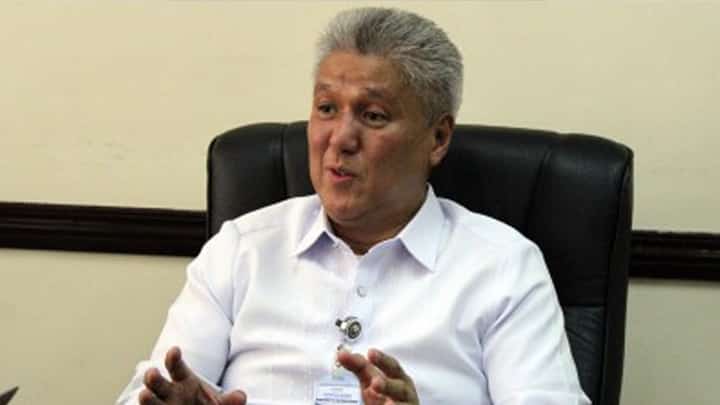
The Department of National Defense was quick to fire back at Beijing after accusing its chief, Gilberto Teodoro Jr., early Sunday of sowing discord and “stag[ing] anti-China activities” over the arrest of 69 Chinese nationals during a raid in a steel plant in Misamis Oriental back in May.
DND spokesperson Arsenio Andolong branded the Chinese Embassy in Manila’s statement a “classic example of evasiveness and a badge of deception,” issued shortly after Teodoro accused the embassy of actively covering up the arrested Chinese in Sanjia Steel Plant and its alleged connection to illegal and harmful activities in the Philippines.
Embassy spokesperson Ji Lingpeng protested Teodoro’s remarks as “completely unfounded,” accusing him of “distorting” facts, but the DND did not buy it, asserting that the embassy—despite the lengthy statement—left the accusations unaddressed on whether it had indeed illegally intervened in Philippine law enforcement operations involving the Sanjia Steel Plant.
“Instead, it is full of questions and rhetoric. This is, in legal practice, an implied admission of culpability,” Andolong stressed. “They cannot hide behind their disingenuous misinformation. We will not be oppressed.”
The arrested Chinese nationals working in the steel plant were linked to serious infractions including the production of substandard, radioactively tainted steel, dumping untreated wastewater, and releasing toxic fumes, as alleged by Teodoro over the weekend.
The government shut down the Chinese-run facility after allegedly discovering radioactive materials (uranium and thorium) in imported scrap metal, alongside immigration, labor, and environmental violations.
The defense chief asserted that the embassy is meddling in the case and even threatened retaliation against Filipinos.
This was evident by the arrest of over 100 purported undocumented Filipinos in China this month, according to Teodoro, asserting it was tantamount to “extortion and blackmail.”
In response, the embassy argued that it is merely performing its duties to “protect the safety and legitimate rights and interests of its nationals from infringement,” regardless of the reason for their detention.
The embassy believed that the raid was a discriminatory and deliberate effort to frame Chinese nationals, “while all the Filipino workers were released on the spot.”
“On the day of the raid, a group of law enforcement personnel made three Chinese workers put on PPE and pose for photographs on site, and subsequently made a great deal of publicity out of that. They also claimed that only Chinese workers wear PPE in daily operations, but Philippine workers don’t. Isn’t this framing and fishing expedition?” Ji said.
More strikingly, the embassy said, was Teodoro’s role in the joint operations despite allegedly having no business there. Teodoro personally joined the joint operations conducted by the Armed Forces of the Philippines, the Presidential Anti-Organized Crime Commission, and the National Bureau of Investigation in May, which led to the arrest of 69 Chinese nationals.
“Teodoro has recently spared no effort to stage anti-China activities. His real purpose is to destabilize and sabotage China-Philippines relations, pushing the Philippines to the forefront of confrontation with China, and create continued tensions and conflicts, all to serve his own ulterior political agenda,” the embassy concluded.
Teodoro is a staunch critic of China and has no qualms in accusing it of staging black propaganda and disinformation involving the West Philippine Sea despite the 2016 arbitral ruling that favored Manila and dismissed Beijing’s sweeping claims there as invalid and baseless.
As a result, China sanctioned Teodoro and banned him and his family from entering mainland China, Hong Kong, and Macao.
Despite keeping its bilateral ties with the Philippines, China has never honored the landmark decision, calling it “a worthless piece of paper that is illegal, null and void, and has no binding force.”