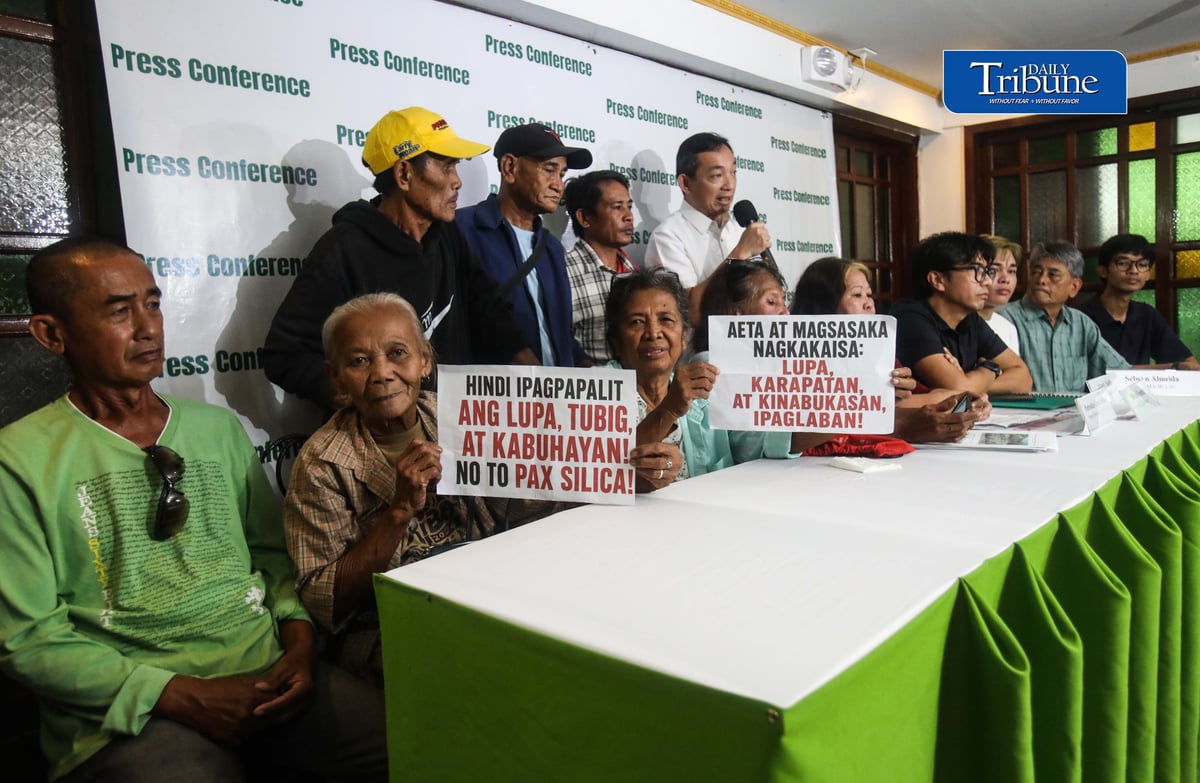
De Lima explained that there were particular gaps that had to be addressed for the 2026 FPIC, noting that the communities themselves must be consulted in order to remedy the defects that were previously identified in the present and proposed measures.
“There is a compelling need to assess the implementation of the FPIC, identify gaps in existing laws and policies, and formulate legislative measures to ensure that the right to FPIC remains a genuine expression of the self-determination of the ICCs and IPs,” she expressed.
Through a discussion with organizations, legal advocates, and international human rights organizations, the newly proposed guidelines were supposedly limiting rather than strengthening the ability of indigenous people in participating in matters affecting their areas.
The sought amendments were said to have shortened timelines for community consultations while also undermining the importance of the community’s decision-making process.
De Lima also highlighted recent injustices that came at the expense of indigenous communities in fields such as mining, infrastructure, renewable energy, and other development projects.
The lawmaker stressed that when it came to formulating the updated guidelines, all laws–both local and international–should be considered, particularly the United Nations Declaration on the Rights of Indigenous Peoples (UNDRIP).
“It is imperative that the FPIC process remain just, transparent, participatory, and fully compliant with the guarantees provided under the IPRA and international human rights standards,” she said.
“The processes were implemented to protect indigenous people, not to rush them, force them, deceive them or exclude them.”