
Japan's Kansai takes stake in 600-MW Wawa hydropower

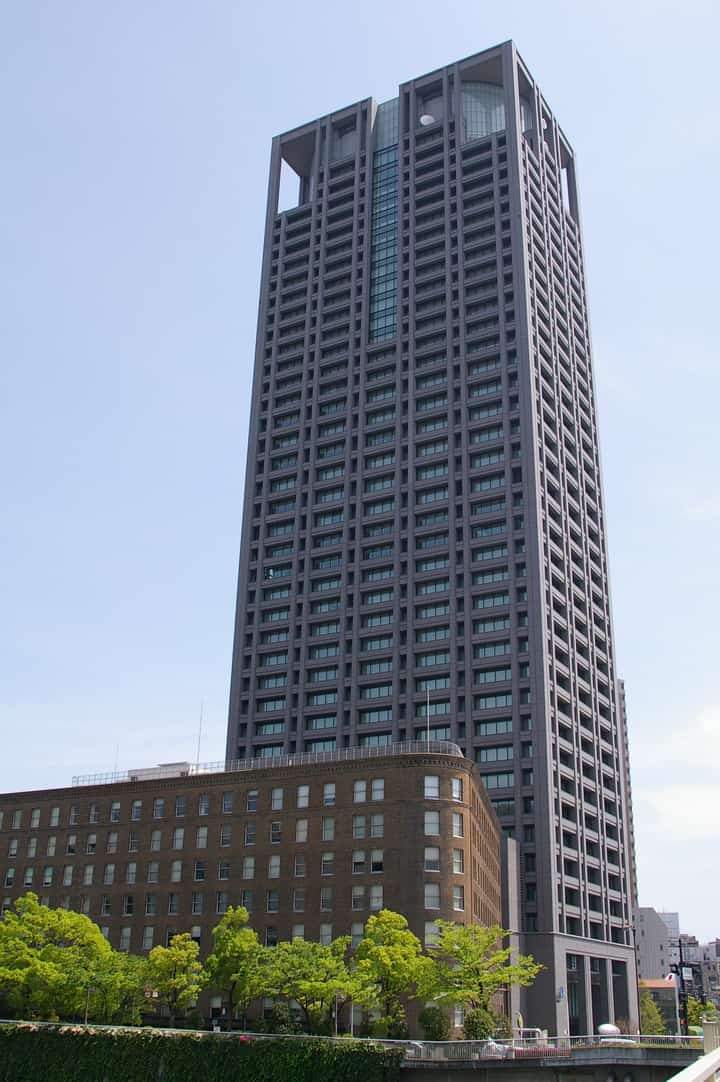
Japanese utility The Kansai Electric Power Co. has taken a 14-percent stake in the 600-megawatt (MW) Wawa Pumped Storage Hydropower Project, injecting fresh capital into one of the country’s largest energy storage projects.
In a disclosure on Thursday, First Gen Corp. said KANSAI entered into definitive agreements to subscribe to a 14-percent equity interest in PMJVCo Holdings, Inc. (PMJVCo), a subsidiary of infrastructure developer Prime Infrastructure Capital Inc. and the parent company of Olympia Violago Water & Power Inc., which owns and operates the project.
“KANSAI’s agreement to acquire a 14 percent interest in PMJVCo marks KANSAI's first pumped storage hydropower project investment outside Japan and represents a new phase of growth for KANSAI in the Philippines,” the disclosure read.
Following the investment, PMJVCo will be effectively 86-percent owned by Prime Hydropower Energy, Inc., which is 33-percent owned by FGEN Aqua Power Holdings, Inc., a subsidiary of First Gen.
KANSAI said the investment will enable it to leverage its expertise in pumped storage hydropower while supporting the development and expansion of renewable energy in Japan and overseas, contributing to a zero-carbon society.
Located in Rizal, the Wawa Pumped Storage Hydropower Project has been certified by the Department of Energy as an Energy Project of National Significance.
The variable-speed pumped storage facility is designed to deliver up to 600 MW of generation capacity and 6,000 megawatt-hours of daily energy storage, helping stabilize the grid and accommodate a larger share of renewable energy.
Commercial operations are targeted to begin in 2030.