
SC halting impeachment unlikely — Azcuna, Gatchalian
Since Cayetano and his allies boycotted that session and raised no objection, the amendment took effect.
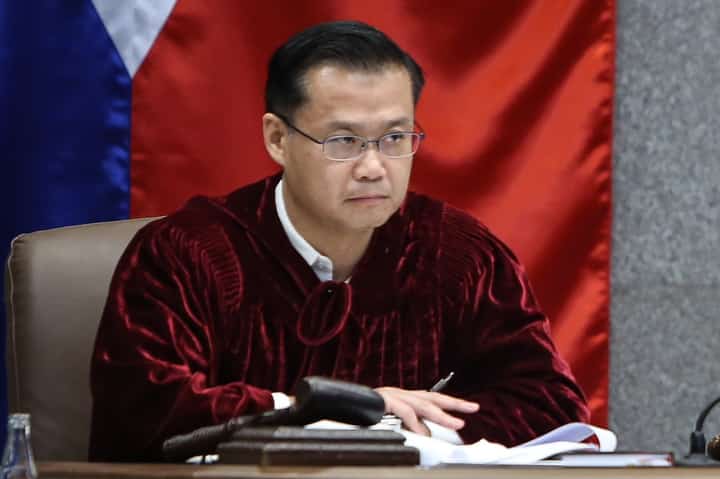
Retired Associate Justice Adolfo Azcuna said Thursday the Supreme Court was unlikely to halt the impeachment trial of Vice President Sara Duterte despite a petition questioning the legality of Senator Chiz Escudero’s role as presiding officer.
Azcuna, one of the framers of the 1987 Constitution, said the issue is political in nature and should be resolved by the Senate itself, pointing out that the High Court is unlikely to interfere in the affairs of a coequal branch of government.
He said the Senate has sole jurisdiction over impeachment proceedings, making judicial intervention unlikely.
His remarks came after a group of lawyers led by Atty. Israelito Torreon asked the Supreme Court to immediately issue a temporary restraining order stopping the impeachment trial.
The petitioners argued that Escudero has no authority to preside over the proceedings because he is not the elected Senate president.
They contended that the trial should be suspended until the Supreme Court settles who is constitutionally authorized to preside over the impeachment court.
No TRO
The position of presiding officer in an impeachment trial is traditionally reserved for the Senate president, except when the President of the Republic is on trial.
While the 1987 Constitution expressly provides that the Supreme Court chief justice shall preside when the President is impeached, it does not specify who should preside when other impeachable officials stand trial.
Despite the petition, Gatchalian maintained that the impeachment court remained “unaffected.”
He noted that the SC had yet to issue either a temporary restraining order or a status quo ante order despite the urgency of the petition.
“The Supreme Court did not grant [their TRO request]. So, therefore, the impeachment trial will proceed,” Gatchalian said in Filipino.
The legality of Escudero’s role became a flashpoint on the opening day of Duterte’s impeachment trial Monday after the Gatchalian- and Cayetano-led blocs clashed over the Senate rules governing who should preside over the proceedings.
Senators Alan and Pia Cayetano questioned Escudero’s appointment, arguing that only the Senate president may constitutionally preside over an impeachment trial.
Rules amended
They warned that allowing a “defective” process to continue could expose the proceedings to judicial challenge and potentially void the scheduled seven-month trial.
The Gatchalian bloc countered that the Senate validly amended its rules on 3 June, the same day Gatchalian assumed the Senate presidency following Cayetano’s ouster.
Since Cayetano and his allies boycotted that session and raised no objection, the amendment took effect, Gatchalian’s allies argued. They also maintained that the Senate has the constitutional authority to adopt and amend its own rules.
Meanwhile, defense spokesman and team member Michael Poa said Duterte’s camp was unaware that Torreon intended to file the petition before the Supreme Court, despite the lawyer’s known support for the Vice President.
Poa said Torreon did not notify the defense before he filed the case.
In recent years, Torreon has also spearheaded petitions before the Supreme Court seeking to stop Duterte’s impeachment on various legal grounds.
Nene, too
Meanwhile, Gatchalian shrugged off criticism over his sharing the impeachment court rostrum with Escudero, saying the same arrangement was resorted to during the impeachment trial of then President Joseph Estrada.
He noted then Senate President Aquilino “Nene” Pimentel Jr. had sat beside then Supreme Court Chief Justice Hilario Davide, although it was Davide who presided over the proceedings and ruled on motions and objections.
Gatchalian said the impeachment court may ask both the prosecution and the defense to streamline their presentations after the opening week fell behind schedule.
The court originally allotted one day for each witness, but the cross-examination of the first witness, John Mark Calilung of the National Bureau of Investigation, consumed two full trial days.
The impeachment court has allocated 92 total days for the trial —62 for the prosecution and 30 for the defense.
The prosecution is expected to devote 31 of its allotted trial days to presenting evidence in support of Article I of the Articles of Impeachment which alleges that Duterte misused more than P600 million in confidential funds. -30-