
Eala's success fuels pride, growth
Eala proving she belongs on the world's most elite grass courts crushes the stereotype that tennis is a sport reserved only for Western nations and the wealthy.
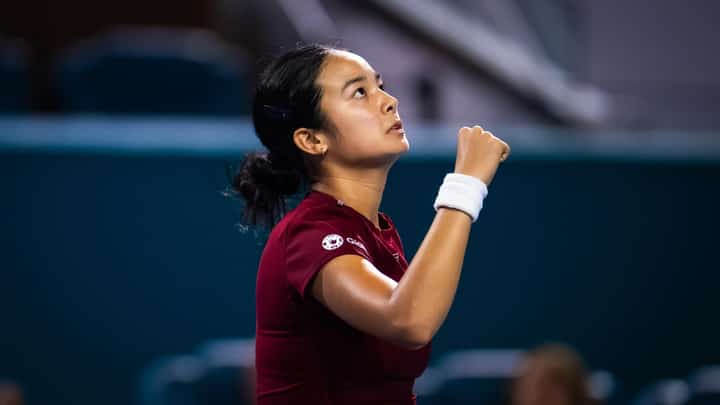
Alexander "Alex" Eala's groundbreaking run at the 2026 Wimbledon Championships, where she became the first Filipino to reach the fourth round of a Grand Slam tournament, provides a golden blueprint for Philippine leaders.
By leveraging her monumental success, the government and the private sector can mobilize sports as a vehicle for national pride and economic development.
Uplifting the Filipino Spirit
1. Redefining Global Potential: Eala's proving she belongs on the world's most elite grass courts crushes the stereotype that tennis is a sport reserved only for Western nations and the wealthy.
2. Channeling "Pusong Palaban" (Fighting Heart): Her thrilling come-from-behind victories—like bouncing back to defeat her opponents, 6-2, 6-0—inspire a cultural shift from being "just happy to participate" to embracing a mindset of elite excellence. On top of that, her upset victory over defending champion Iga Swiatek was extraordinary.
Everybody is talking about the Filipina tennis star—and tourists all over the world are saying, "Let's go to the Philippines, where she comes from!"
3. National Cohesion: Similar to the historic eras of Manny Pacquiao and Hidilyn Diaz, Eala's matches have united a global, loud-and-proud Filipino fan base, fostering a stronger sense of national identity.
Injecting Money Into the Economy
1. Sports Tourism and Hosting Events: Inspired by the global tennis boom, local leaders can upgrade regional facilities to attract tournaments and funnel tourism and broadcast revenues into the provinces.
2. Corporate Sponsorship and Branding: Cultivate world-class homegrown talent to attract major consumer brands, commercial endorsements, and international apparel deals, stimulating the local marketing and media industries.
3. The "Eala Effect" on Domestic Retail: Increased youth participation will directly boost the manufacturing, importation, and distribution of tennis rackets, shoes, specialized apparel, and court equipment.
Actionable Steps for Filipino Leaders
1. Public-Private Infrastructure Partnerships: Local government units (LGUs) should collaborate with corporations to convert underutilized community spaces into public, weather-resistant tennis academies accessible to lower-income youth.
2. Grassroots "Eala Scholars" Programs: Establish a nationwide grassroots scouting network to provide talented young Filipinos with full sports scholarships, elite coaching, proper nutrition, and international travel grants.
3. Incentivized Sports Manufacturing Tax Breaks: Offer tax incentives to local equipment manufacturers and developers that build high-performance training centers to retain local talent in the Philippines.
Tennis adds a lot of money to the British economy
Tennis generates substantial financial benefits for the British economy, contributing hundreds of millions of pounds through tourism, hospitality, and employment.
Key economic contributions of tennis in the United Kingdom include:
1. Massive Events Impact: The Wimbledon Championships alone generate an estimated 310 million pounds annually for the British economy. This surpasses other high-profile UK sporting events, such as the London Marathon.
2. Hospitality and Tourism: The sport attracts high-spending international and domestic visitors, boosting accommodations, transportation, premium catering, and retail.
3. Media and Broadcasting Rights: Domestic broadcasting rights agreements, such as those with the BBC, are valued at more than 60 million pounds annually.
4. Taxation and Global Investment: Foreign athletes and international events generate significant tax revenues. Furthermore, the All England Club continuously reinvests its profits in grassroots facilities, player prize pools, and community outreach.
Email: arturobesana2@gmail.com