
Swamp secrets: Mini ‘Noah’s Ark’ and more from marsh dwellers
There is no fear for flood in the community even if it sinks their homes and school.
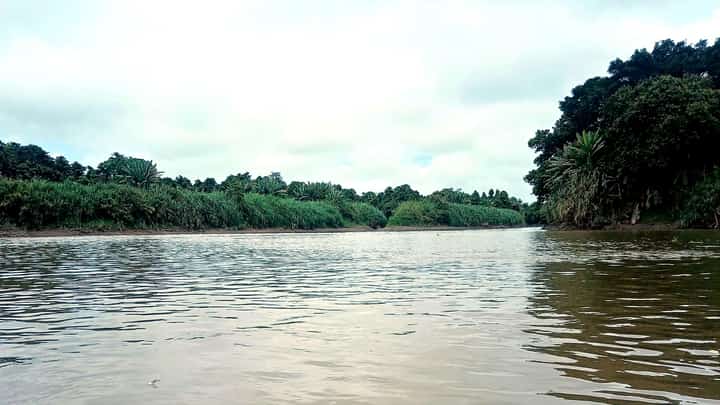
ON top of supporting livelihood, the river traversing the Agusan Marsh Wildlife Sanctuary breaks the isolation of a small Manobo community deep within a protected area by linking it to the outside world.
World Environment Month is not just about confronting climate change and protecting biodiversity. It is also about the wonders of nature.
A creek in the nearly 15,000-hectare Agusan Marsh Wildlife Sanctuary (AMWS) in Agusan del Sur is where one of the world’s largest crocodiles — Lolong — was caught in 2011 by hunters seeking a reptile that reportedly killed a fisherman and a school girl. The Agusan River traversing the protected area and swamps along it are the natural habitat of wild crocodiles, which are only seen in the confluences of the river or when the water is very shallow, according to Irene P. Ayala, the lone teacher in the Dinagat Elementary School (DES). Visitors to the last-mile public school located deep within the AMWS did not see any reptile when they sailed aboard a motorized canoe along the murky waterway for one hour to reach the Manobo community in Purok 6, Sitio Dinagat, Barangay San Marcos. The guests from Aboitiz Foundation, Okada Foundation, CitySavings Bank and AboitizPower also safely sailed back to Bunawan town in the same route after holding the ceremonial turnover of a solar power system, Starlink Internet and other donations for the DES. The crocs only attack boaters when they are very hungry, according to Ayala.

THE Dinagat Elementary School (right) and daycare center are the only landmarks of the Manobo community inside the Bunawan part of the Agusan Marsh Wildlife Sanctuary.
Photo courtesy of Irene P. Ayala
During that morning event last 23 May, other secrets of the isolated place unraveled. The three-classroom DES, built through a donor’s fund in 1992, is where 36 indigenous children attend kindergarten to grade six. Ayala and two volunteers, who all live in Bunawan town, teach them from Monday to Friday. They sail to Purok 6 every Monday morning, paying P125 each one way, and sail home every Friday before the last boat trip at 4 p.m. There is no road going to Purok as it is not allowed in protected areas, the teacher says.
Beside the DES is the floating daycare center. When a storm swelled the river in 2023 and submerged the houses and school for weeks, the local government of Bunawan then commissioned engineers to build the floating school. Dozens of large blue empty containers underneath the structure make the building float during high water.
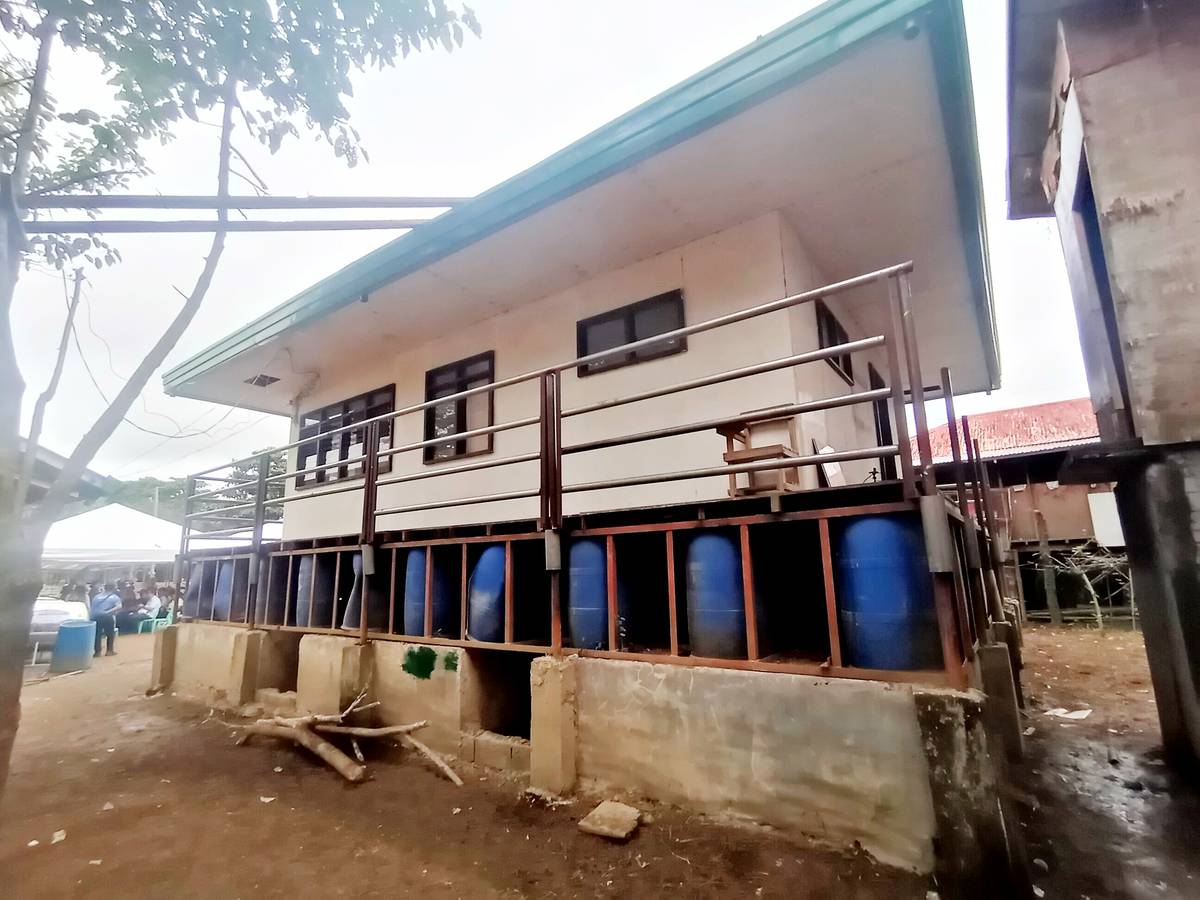
THIS daycare center houses Manobo families for weeks until flood recedes, the ‘brain’ of a hybrid solar power system (inset) and a satellite Internet modem.
Photographs by Windsor John Genova for DAILY TRIBUNE
When a typhoon swelled the river in 2024, the DES went underwater and families evacuated to the mini Noah’s Ark. Ayala recalls that they sheltered in the floating school from January to March, when the flood receded.
“The LGU delivered food packs to us every three days,” she says.
“The floating school is very important not only for the residents who use it as shelter during flooding, but also to us teachers. We put all of our belongings there,” she says.
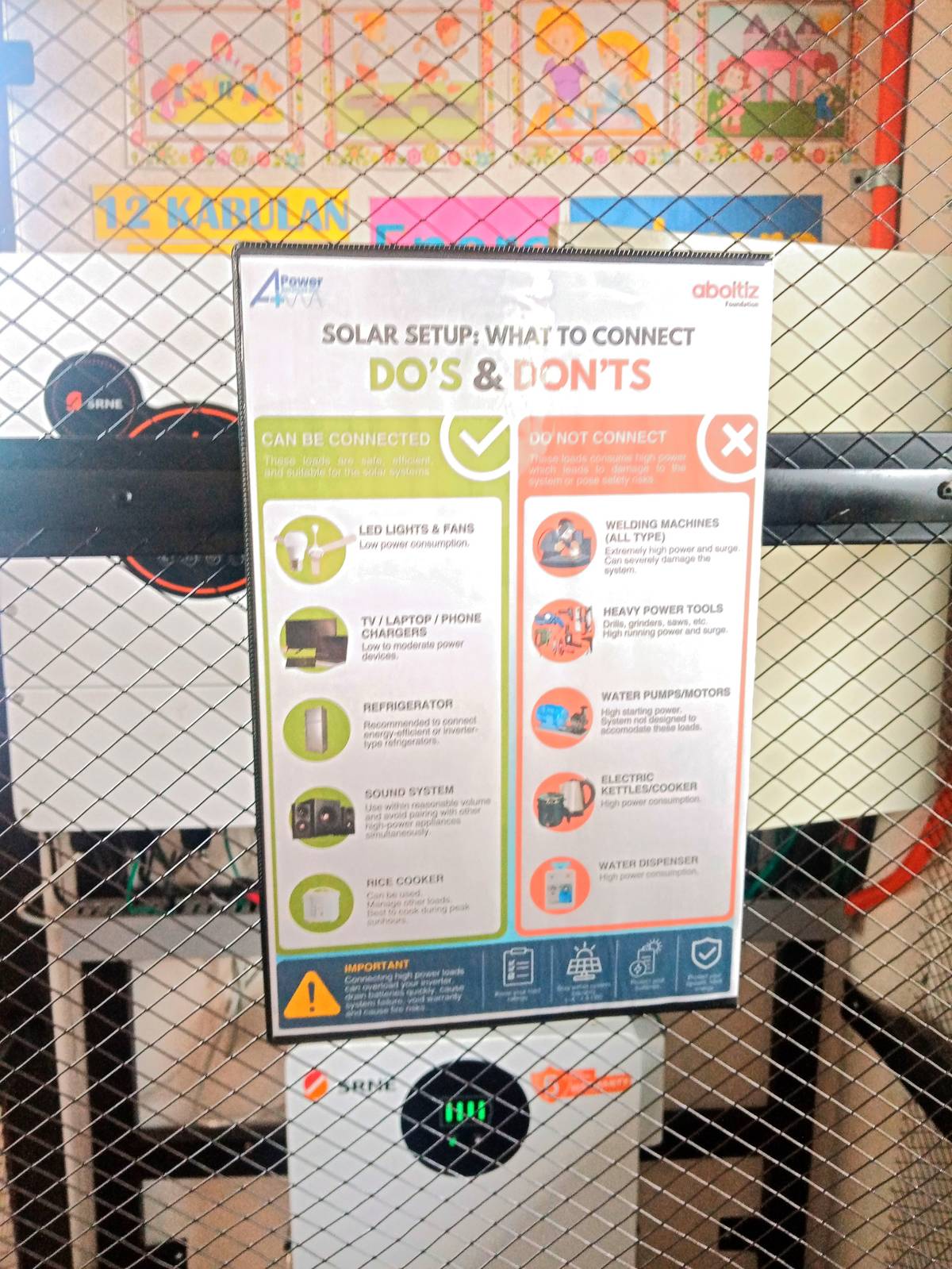
Of course, the donated solar power system (SPS) and the Starlink Internet equipment are the new open secret of the DES. Both installed at the floating school, the hybrid SPS automatically turns on when there is a brownout, when voltage is weak, or when the lone electric post in the community shuts down during severe flooding for safety. Through the new power source, the school now have uninterrupted electricity and teaching.
The satellite internet, meanwhile, boosts learning and teaching at the DES as school children can now regularly watch online lessons. In fact, Ayala says her pupils just want to stay in the classroom all day.

MANOBO school children welcome visitors to their community in Purok 6, Sitio Dinagat, Barangay San Marcos, Bunawan, Agusan del Sur.
Photo courtesy of Aboitiz Foundation
There is no fear for flood in the community even if it sinks their homes and school, according to Ayala. She says the rise and fall of river water is part of the Manobo’s way of life in their ancestral land. In fact, they prefer high water as they can catch more fish, the main livelihood of the residents. Ayala says the community’s fishermen catch halwan, hito, tilapia, carp and other fish, and sell these in the town.
Perhaps the best kept secret of Purok 6, Sitio Dinagat are its school children who will grow up to be at par with students from more progressive schools in the urban area. Thanks to technological donations to their last-mile school, they are no longer left behind in getting quality education.