
Wais Tindera Caravan boosts financial literacy for women MSMEs

Fuse Financing Inc., lending arm of GCash, officially kicked off Women’s Month with Wais Tindera Caravan, a financial literacy program aimed at growing nano, micro, small, and medium enterprises in communities
More than 400 women entrepreneurs gathered for the kickoff of the Wais Tindera Caravan, a financial literacy program of GCash aimed at helping nano, micro, small and medium enterprises adopt digital financial tools and practice responsible borrowing.
Launched in celebration of International Women's Day, the initiative brought together sari-sari store owners, street food vendors and other small business operators to strengthen their financial management skills and expand access to digital services.
According to a 2025 study by the Boston Consulting Group, about 75 percent of sari-sari stores in the Philippines still operate offline, while only seven percent use business software, limiting their access to digital payments and online customers.
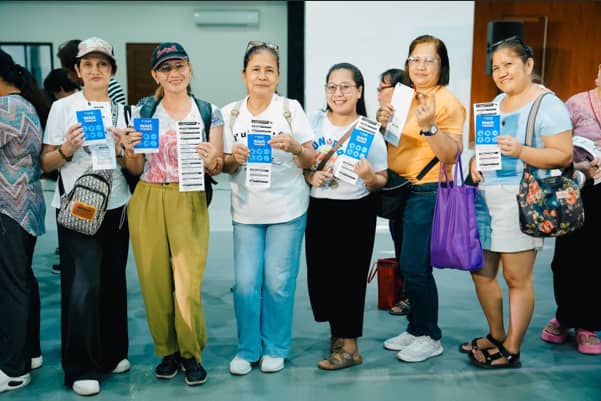
Women entrepreneurs strengthened their knowledge on digital financial tools and responsible borrowing at the Wais Tindera Caravan in Quezon City.
GCash said the caravan aims to close this gap by bringing practical digital finance training directly to grassroots entrepreneurs.
“Sari-sari stores are the heart of every community, and through them, we’re driving digital enablement at the grassroots level. By going digital, NMSMEs can serve more customers, reduce cash-handling risks and manage transactions more efficiently,” said CJ Alegre, head of sustainability at GCash.
“Our goal is to transform everyday transactions into digital ones, supporting the growth of small businesses while advancing financial inclusion across the country,” Alegre added.
Access to financing
The program also promotes access to credit for women-led businesses through GCash’s financing arm, Fuse Financing Inc..
Women lead about 55.8 percent of MSMEs in the Philippines but often face barriers in accessing traditional loans due to collateral and documentation requirements.
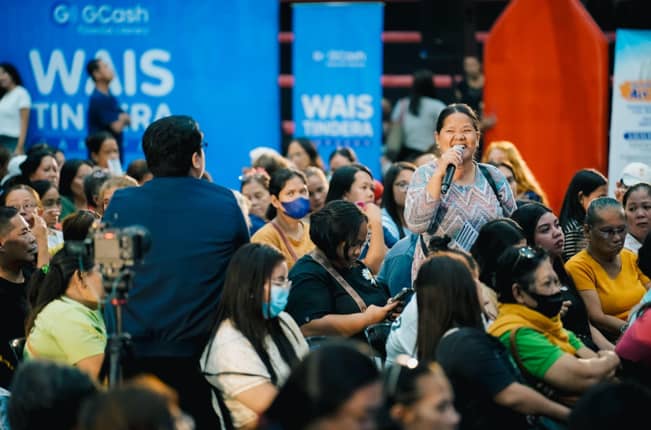
Hundreds of nano, micro, small, and medium entrepreneurs (NMSMEs) join the Wais Tindera Caravan in Quezon City. The financial literacy program highlights the benefits of leveraging digital financial platforms and shares practical tips on responsible borrowing
“Celebrating women’s entrepreneurship, the Wais Tindera Caravan empowers women entrepreneurs to thrive in the digital economy,” said Baby Aquino, chief product officer of Fuse Financing Inc.
“At Fuse, we support these initiatives by providing accessible lending options with fair rates and promoting responsible borrowing to help build long-term business resilience,” Aquino added.
Through the GCash app, entrepreneurs can access GLoan for MSMEs, allowing them to secure financing without collateral.
Fuse is also expanding lending access through a ₱1.75-billion loan facility from the Asian Development Bank, with at least 60 percent of the funding earmarked for women-led MSMEs and 50 percent allocated to borrowers in high-poverty provinces.
As of end-2025, Fuse has disbursed ₱362 billion in loans to 10.5 million borrowers, with women accounting for three out of every five borrowers.
Grassroots rollout
The Wais Tindera Caravan, launched in November 2025, has already reached more than 10,000 NMSMEs through sessions conducted in 18 barangays across Metro Manila and Mindanao.
Cities visited include Quezon City, Pasig, Makati, Manila, Caloocan, Taguig, San Juan, Marikina, Las Piñas, Mandaluyong and Muntinlupa.
Sessions in Batasan Hills in Quezon City, Tonsuya in Malabon and Malanday in Valenzuela alone drew more than 1,400 participants.
Outside Metro Manila, the caravan also reached entrepreneurs in Tagum City in Davao, recording its largest turnout with more than 1,500 participants.
The program provides hands-on guidance on managing cash flow, saving and adopting digital tools to sustain and grow small businesses.
Following its Quezon City stop, the caravan is scheduled to visit Manila, Iloilo, Dagupan and Albay this March as part of Women’s Month activities.
“Empowering the wais tindera is not just a mission; she is the backbone of financial inclusion. When she grows, her entire community wins,” Alegre said.
“The Wais Tindera Caravan is designed to deliver immediate results. We are giving nano-MSMEs the financial literacy and digital tools they need to achieve dagdag kita and avoid bad debt.”