
Steep fuel hike looms, regulators pressed by rising profiteering

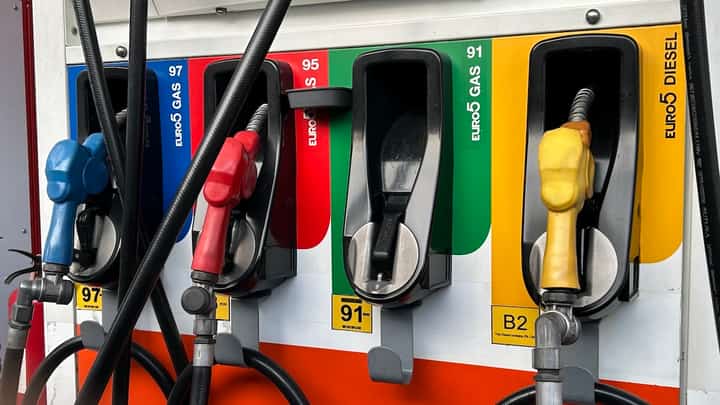
The prices of fuel sold at local pumps are set to surge this week, piling pressure on the motoring public even as oil companies promised to stagger the increases.
According to an industry source, diesel prices are expected to rise by as much as P20.10 to P20.30 per liter, while gasoline could climb P10.00 to P10.20 per liter.
The source added that prices could climb even higher as premiums and freight costs remain unusually elevated amid ongoing market pressures.
“Our plan is to spread the hefty increase over the week. Despite this, the series of increases will still be quite big,” the source said, warning that consumers will feel the full impact.
Fuel retailers already raised pump prices by P1.90 per liter for gasoline, P1.20 per liter for diesel, and P1.50 per liter for kerosene this week, after last week’s increases of P0.60 per liter for gasoline and P1.20 per liter for diesel and kerosene. These adjustments did not yet reflect rising tensions in the Middle East.
As tensions in the Middle East begin to affect local markets, the Department of Energy (DOE) faces the dual challenge of controlling prices and policing retailers. Its Mindanao Field Office has stepped up monitoring of petroleum outlets in coordination with Philippine National Police units in Tagum and Davao City.
During initial inspections, a diesel pump in Tagum City was found charging P73.20 per liter—P8.35 above the prescribed schedule.
“The station was immediately advised to revert to the proper price level in accordance with the correct implementation of the fuel price adjustment schedule,” the DOE said.
The DOE has urged consumers to report suspected hoarding, price manipulation, or other irregularities through its hotline, Facebook Messenger channel, or email.
“Our field offices in Luzon and Visayas have likewise intensified their on-site inspections and monitoring of retail gasoline stations to ensure strict compliance with existing fuel pricing regulations and supply policies,” the DOE said.
At a media briefing earlier this week, Energy Secretary Sharon S. Garin said the country has ample fuel supply, but the main pressure will be on prices.
“Supply is not the issue; it’s a matter of price. Some international traders are holding back, waiting for the best time to sell. Shipping costs and insurance are rising. The supply is there, but it depends on how much you are willing to pay,” she added.
To ease the burden on motorists, President Ferdinand R. Marcos Jr. has called for a review of a possible excise tax removal on fuel. A year-long suspension, however, could create a revenue shortfall of around P300 billion based on the projections of the Senate Finance panel.
Meanwhile, Senate leaders have suggested tapping the President’s contingency fund to provide immediate fuel subsidies to Public Utility Vehicle (PUV) drivers, rather than waiting for Dubai crude to hit the $80-per-barrel threshold required under the Pantawid Pasada program.
The Land Transportation Franchising and Regulatory Board has already processed P2.5 billion in subsidies, ready for immediate release once the price trigger is met, offering relief to drivers facing higher operating costs.
The agency is also reviewing pending petitions for fare hikes in PUVs to help offset rising fuel expenses.