
When celebration isn’t enough Healthcare Isn’t Luxury. It’s Foundational Sense.
Because illness is not sexy. It is not comfortable. It is scary. And acknowledging vulnerability feels like surrender. But that’s the truth.

For nearly four decades, March has been observed in the Philippines as National Women’s Month — a national tribute to the accomplishments of Filipino women around the world. But commemoration must go beyond ceremony. This month also calls us to confront pressing concerns, particularly those surrounding women’s health – where awareness, access and action remain critical.
To speak of women’s progress without speaking of women’s health is to tell only half the story. Health is not a peripheral concern — it is the very foundation of empowerment. A woman who has access to quality healthcare, accurate information and supportive systems is better equipped to learn, lead, work and to shape her community. When we invest in women’s health, we are not merely addressing medical needs; we are strengthening families, safeguarding futures and fueling national development. Empowerment begins in the body, sustained by well-being and radiates outward into society.
In the fast pace of professional life, health is often treated as an afterthought — something to attend to when schedules ease or symptoms demand attention. Yet for women, health is not a luxury to be deferred; it is capital. It is the physical stamina to lead teams, the mental clarity to make critical decisions, the emotional resilience to balance multiple roles at work and at home. When women neglect their health — whether due to time pressures, stigma or lack of access — the cost is not only personal. It is organizational, economic and societal.
In the Philippines, women are the quiet infrastructure of the family. We manage budgets, meals, school forms, medicine cabinets, aging parents and emotional weather systems — often without pause for ourselves. We remind everyone else to take their vitamins. Except ourselves. Too often, we treat our own health as optional.
The data is stark.
Non-communicable diseases (NCDs) — like heart disease, diabetes, cancer and stroke — account for around 72 percent of all deaths among Filipino women. That’s roughly 240,000 lives lost every year to largely preventable of manageable conditions.
Cancer remains one of the leading killers. Breast cancer is highly prevalent in the Philippines with age-standardized incidence rates above regional and global averages, and mortality rates significantly higher than the Asian average. Cervical cancer is the second most common cancer affecting Filipino women, with an estimated 7,897 new cases annually.
Yet despite this burden, screening rates remain shockingly low. Only about one percent of eligible Filipino women undergo both breast and cervical cancer screening — one of the lowest rates in the world.
It doesn’t stop with cancer. A study suggests that high blood pressure — the silent precursor to heart attack and stroke — claims roughly one out of three Filipino adults, and many are unaware of their elevated blood pressure condition.
When a woman takes charge of her health, she is not being selfish. She is being strategic. A woman who controls her blood pressure’s trajectory is a woman who will see tomorrow. A woman who checks for early cervical cell changes is a woman who will live long enough to laugh with grandchildren.
So why the disconnect? We spend time and money chasing visible beauty. We’ll research which serum boosts glow most. But we hesitate to research where to get a pap smear. We’ll follow influencers for skincare routines — but avoid thinking about months of life lost to preventable disease.
Why? Because illness is not sexy. It is not comfortable. It is scary. And acknowledging vulnerability feels like surrender. But that’s the truth.
Yes — real change requires action. This column is not just emotional rhetoric. It’s a call to daily practice, not sporadic hope.
It starts with the basics: Annual physical exams — not just when there’s pain. Routine screenings — mammograms, pap smears, blood pressure checks. Healthy lifestyle habits — balanced diet, daily activity, stress reduction. Mental health check-ins — acknowledging fatigue and burnout is not a weakness. This is empowerment with accountability.
To every woman reading this: Healthcare is not a luxury. It’s fundamental. Make annual screenings non-negotiable. Encourage one another. Normalize preventive care in every household.
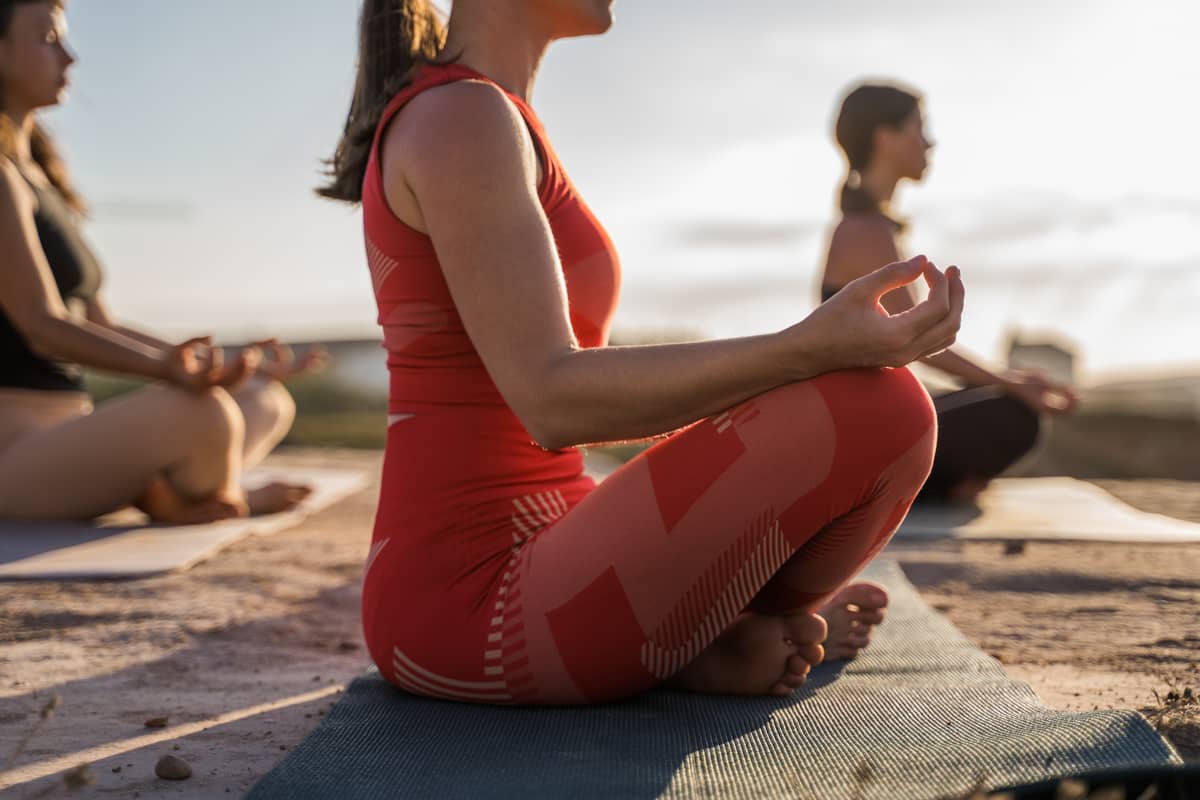
Non-communicable diseases (NCDs) — like heart disease, diabetes, cancer and stroke — account for around 72 percent of all deaths among Filipino women so preventive care like exercise is recommended.
Photograph courtesy of Herbalife