
BSP on inflation risk alert
February's 2.4 percent headline inflation is within BSP's 2.3 to 3.1 percent forecast range, but escalation of conflict in the Middle East could trigger higher energy costs, potentially pushing inflation higher in the coming months.
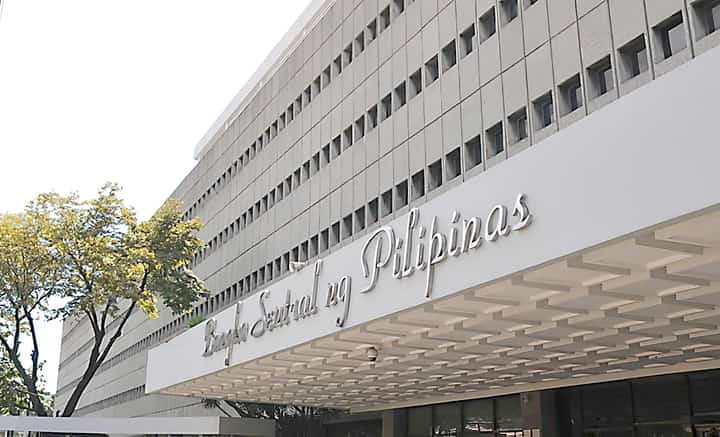
GIVEN current economic conditions, the Bangko Sentral ng Pilipinas now forecasts average inflation of 3.6 percent for 2026, closer to the upper end of the target range due largely to supply-side pressures. Inflation is expected to ease to 3.2 percent in 2027, moving closer to the 3 percent target.
DAILY TRIBUNE images
February inflation rose to 2.4 percent, a figure the Bangko Sentral ng Pilipinas (BSP) said it will closely monitor as elevated oil prices linked to the conflict in the Middle East continue to pressure the local economy.
In a statement released Thursday morning, the central bank said the 2.4 percent headline inflation for February, as reported by the Philippine Statistics Authority (PSA), remains within its forecast range of 2.3 to 3.1 percent. The BSP added that it will continue monitoring the short-term impact of the Middle East conflict on the domestic economy.
Remain vigilant
“The Monetary Board will remain vigilant and guided by incoming data, specifically on inflation. We are watchful of the recent developments in the Middle East for their implications on near-term inflation and economic activity,” the statement read.
The rise in global oil prices following the effective closure of the Strait of Hormuz — whose northern coast lies within Iranian territory — has raised concerns over higher domestic fuel costs. Local pump prices are expected to increase by as much as P10.50 per liter beginning next week.
Bank of the Philippine Islands (BPI) lead economist Emilio S. Neri Jr. said the continued escalation of the conflict could intensify inflationary pressures, with higher energy costs adding to already elevated rice prices and potentially pushing inflation higher in the coming months.
“The escalation introduces a renewed geopolitical risk premium into global markets, primarily via oil. For the Philippines, higher energy prices compound already elevated rice-driven inflation risks, potentially pushing headline inflation toward 4 percent in the coming months,” he said.
Revised inflation forecast
Neri added that BPI has revised its 2026 inflation forecast to 3.4 percent, noting that global oil prices could surge to $120 per barrel if the Strait of Hormuz remains closed for an extended period.
“Under a moderate escalation, oil prices are expected to climb toward the $75–$80 range. However, in a more severe disruption — such as a prolonged blockade of the Strait of Hormuz — prices could surge significantly higher, potentially reaching $100-$120 per barrel, with this outcome currently estimated at around a 33 percent probability,” he added.
Government officials, including the President himself, have said they are exploring temporarily reducing the excise tax on oil that is typically passed on to consumers through higher pump prices.
“[T]he Economic Team will work with Congress to secure authority for the President to temporarily reduce excise taxes on fuel should the price of Dubai crude oil exceed US$80 per barrel,” Finance Secretary Frederick Go said.
Exploring possibility of temporary oil excise tax reduction
“To be clear, this does not mean the authority will be automatically exercised. It is a precautionary measure — a ready policy tool that the President may use, if necessary, to act swiftly in protecting Filipino consumers and safeguarding the broader economy,” he added.
While the February inflation figure remains within the BSP’s 2 to 4 percent target range for the year, prices have risen 0.6 percentage points since the end of 2025, signaling a faster pace of price increases at the start of the year.
The PSA attributed the monthly uptick mainly to higher prices in housing, water, electricity, gas and other fuels, as well as food and non-alcoholic beverages, and restaurants and accommodation services.
Inflation seen easing to 3.6 percent now, 3.2 percent in 2027
Given current economic conditions, the BSP now forecasts average inflation of 3.6 percent for 2026, closer to the upper end of the target range due largely to supply-side pressures. Inflation is expected to ease to 3.2 percent in 2027, moving closer to the 3 percent target.
“In the last policy meeting in December, the forecast was an average inflation rate of 3.2 percent for 2026 and 3 percent for next year, 2027. We now see inflation increasing slightly to a 3.6 percent npercent average for this year, but it will gradually go down and move closer to the 3 percent target, averaging 3.2 percent by 2027,” said BSP Deputy Governor Zeno Ronald R. Abenoja during the central bank’s monetary policy briefing on 19 February.
Cutting key policy rate twice
The BSP’s Monetary Board has reduced its key policy rate twice in recent months following last year’s corruption-driven economic slowdown, citing manageable inflation as one factor supporting monetary easing.
Economists and analysts have projected that the central bank may implement up to two more rate cuts this year totaling 50 basis points, given the relatively stable inflation outlook.
However, easing monetary policy can also increase inflationary pressures by boosting liquidity in the economy—an issue that Neri said may become more constrained amid the ongoing Middle East conflict.
Policy space could narrow materially
“If WTI oil holds near $80 per barrel through June or monthly rice inflation continues to accelerate, the policy space for further easing could narrow materially, potentially limiting the BSP’s ability to implement additional rate reductions this year,” he said.
The BSP has reduced the target reverse repurchase rate (RRP) twice over the past four months after the flood control scandal contributed to weaker economic growth last year.
Rising inflation could complicate further monetary easing, a policy tool the central bank has recently used to help restore investor confidence as governance concerns continue to weigh on the economy.