
Shelves of hope at Lampara's launch
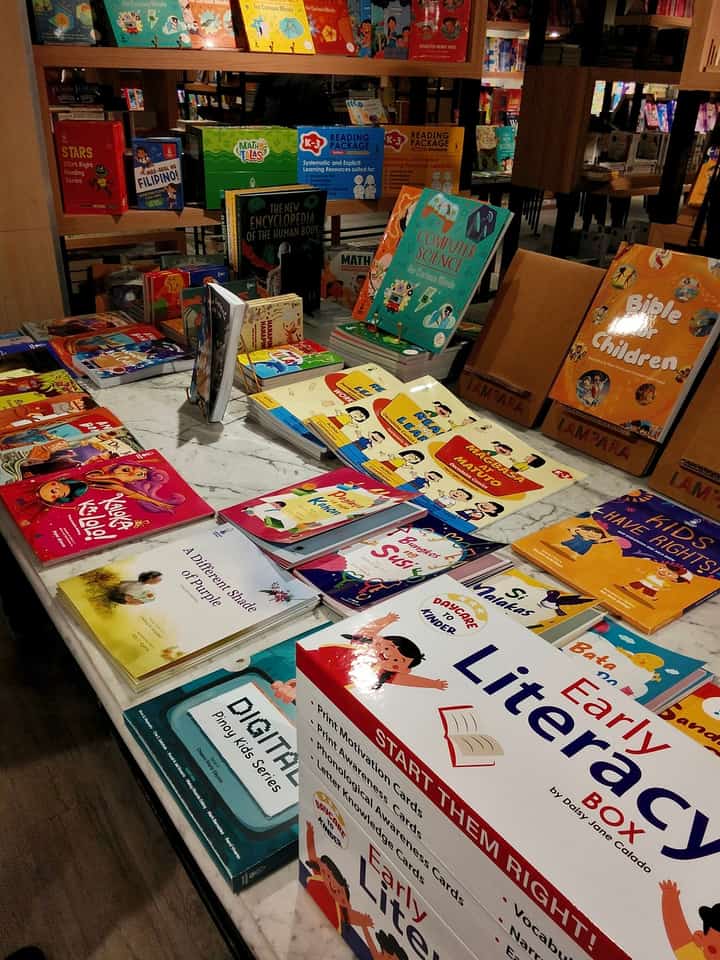
AT a Quezon City media event, children’s authors confront the country’s literacy crisis with stories designed to meet young readers where they are.
Photo by Amelia Clarissa de Luna Monasterial / DAILY TRIBUNE images.
I have always considered myself a reader first, and a writer second. Books built the architecture of my inner world. They taught me language, sharpened my questions, and gave shape to feelings I could not yet name. They were my first friends, especially as a child who often felt lonely and alienated.
So when I walked into the JRich Corporate Center in Quezon City on Tuesday, 3 March 2026, for the media launch of Lampara Publishing House Inc., I expected to feel at home. Instead, I felt something closer to humility.
Because as much as I loved reading as a child, I realized that I did not grow up with the kinds of children’s books Lampara was presenting that afternoon.
On display were the company’s Reading and Numeracy Packages, including the Magbasa Tayo! and Let’s Read! series, the first local decodable texts in the Philippines. Around me were stacks of brightly illustrated books, structured learning kits, and the urgency that hung in the air once the numbers were mentioned.
Ninety percent of Filipino children aged 10 struggle with reading.
It is one thing to say that statistic out loud. It is another to sit in a room full of people who have built their careers around trying to change it.
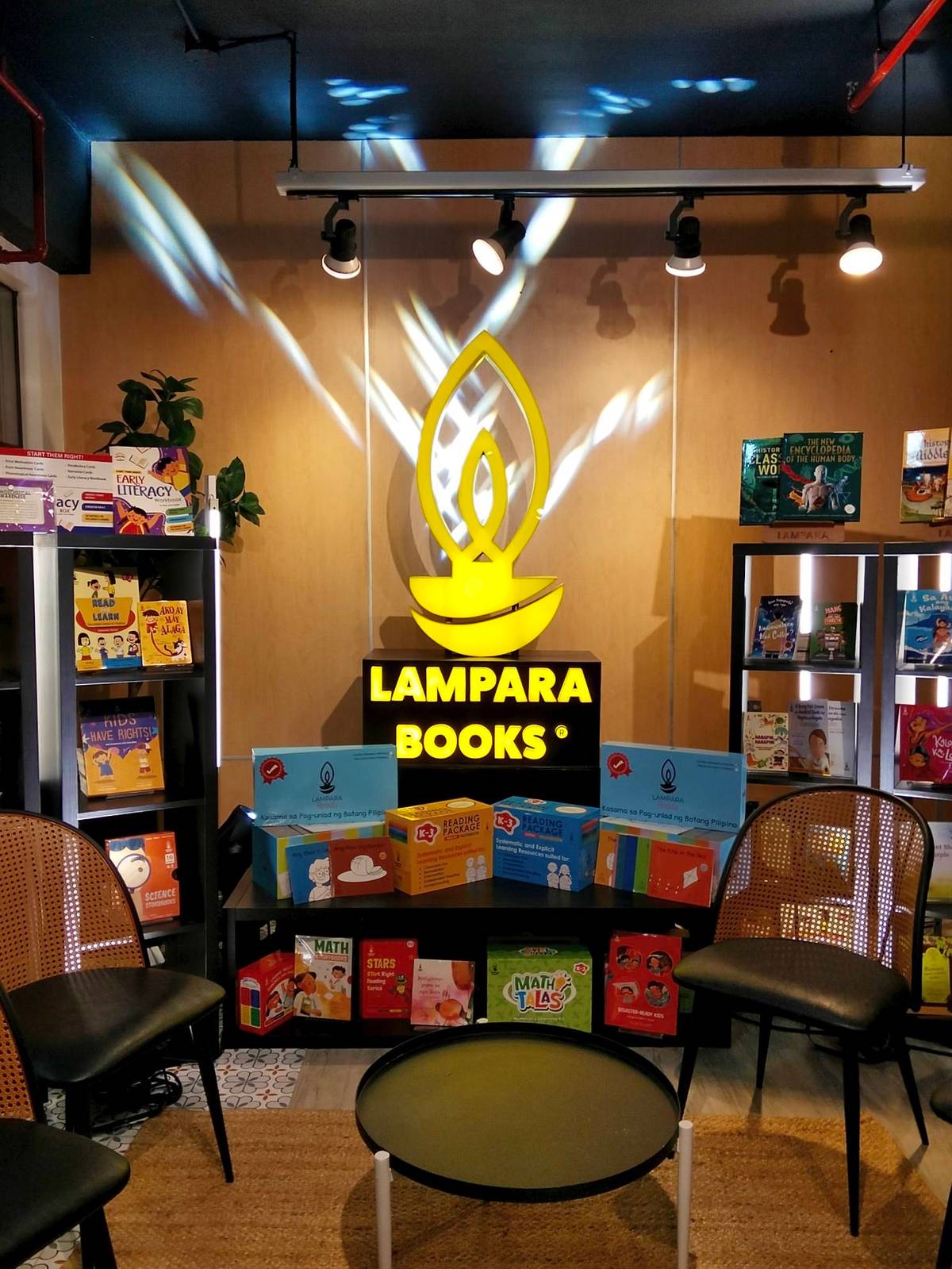
WITH over 1,000 published titles, Lampara has grown to be one of the vanguards of children's literature in the publishing industry.
Photo by Amelia Clarissa de Luna Monasterial / DAILY TRIBUNE images.
What went wrong
I grew up reading, yes. There were school-sponsored short stories, lessons taught inside fluorescent-lit classrooms, and hours spent in a reading nook. But child-appropriate books are not just about subject matter. They are about how the story is told.
Children learn about complex ideas through carefully framed narratives. Faith, for example, is often introduced through gentle retellings of stories like Noah’s Ark or the laughter of Sarah at the promise of her son Isaac. The themes are profound, but the language is warm, protective, and mindful of a child’s emotional capacity.
That was not always my experience.
The world I encountered through some of my early reading felt darker than it needed to be. I learned about guilt before I learned about grace. About failure before love. That framing mattered and shaped me into the sullen child, teenager, and adult I grew to be.
That is what struck me most at the Lampara launch. Writing for children is not easy. It requires skill, discipline, and sensitivity. It means engaging a child’s curiosity and imagination, teaching practical realities about the world, all the while preserving innocence, hope, and wonder.
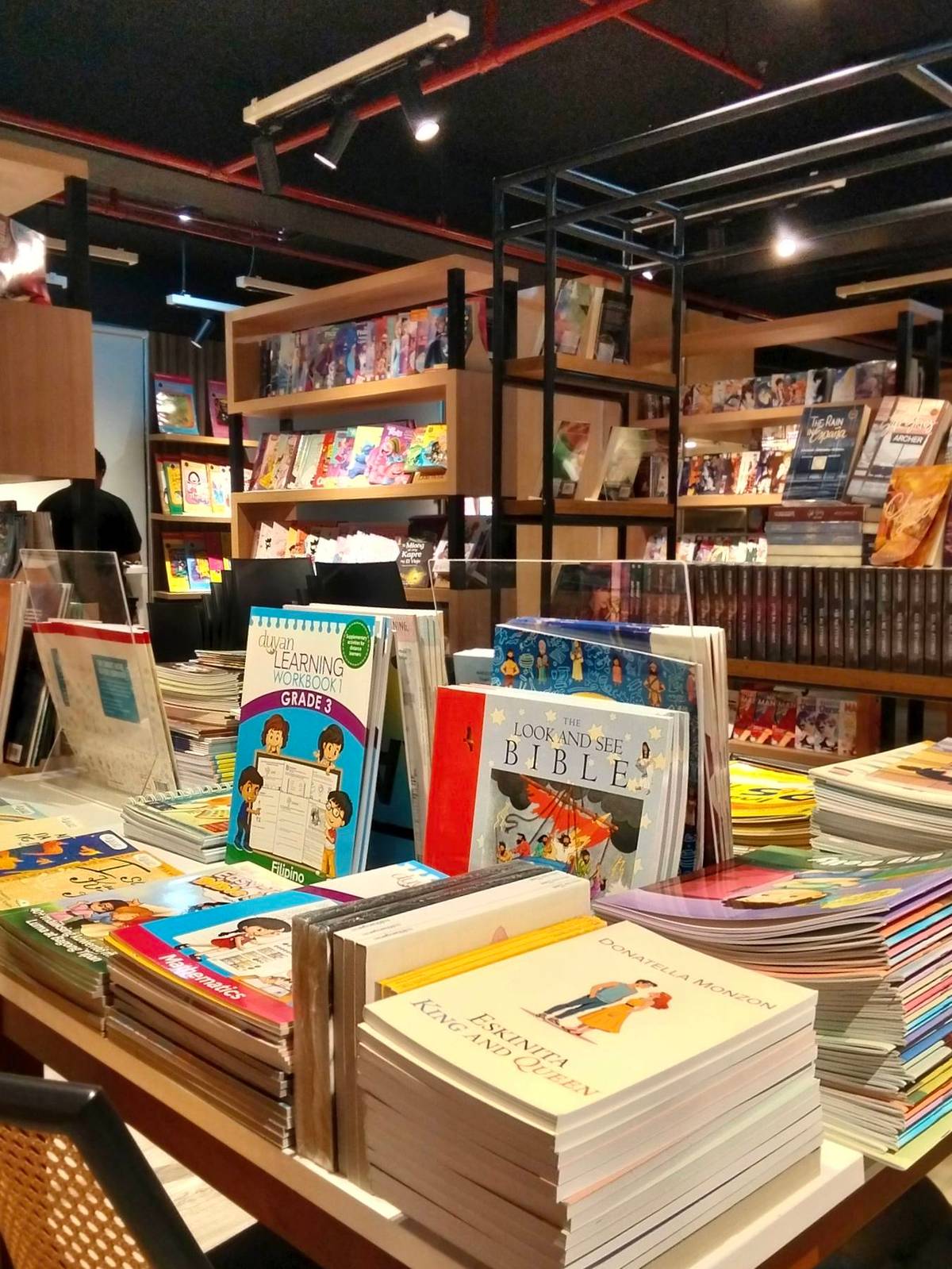
LAMPARA offers a wide range of selections—from children's stories, to reimagined Bible stories, and instructional materials.
Photo by Amelia Clarissa de Luna Monasterial / DAILY TRIBUNE images.
Reading is not just about recognizing letters. It is about comprehension, reflection, and the ability to imagine beyond the page.
Lampara, which has published more than 1,000 titles over the years, has taken that responsibility seriously. Their books are research-informed, child-centered, bilingual in Filipino and English, and rooted in Filipino cultural identity. Their literacy kits break reading down into phonetics, word recognition, comprehension, context clues, and systematic progression that mirrors how children naturally learn.
Because the crisis is not abstract.
The company shared that many children reach their teenage years associating reading with pressure, grades, and failure. Some students who struggle are loud. Others are quiet. The quiet ones are often mistaken for doing fine.
And yet, both groups need help.
Six authors, one urgent conversation
The heart of the afternoon was a panel discussion with six featured authors: Michellan Sarile-Alagao, Victor A. Villanueva, Daisy Jane Calado, Eugene Y. Evasivo, Pepot Atienza, and Arnold Subastil.
Each brought a different lens to the same question: How do we help children rediscover the love of learning?
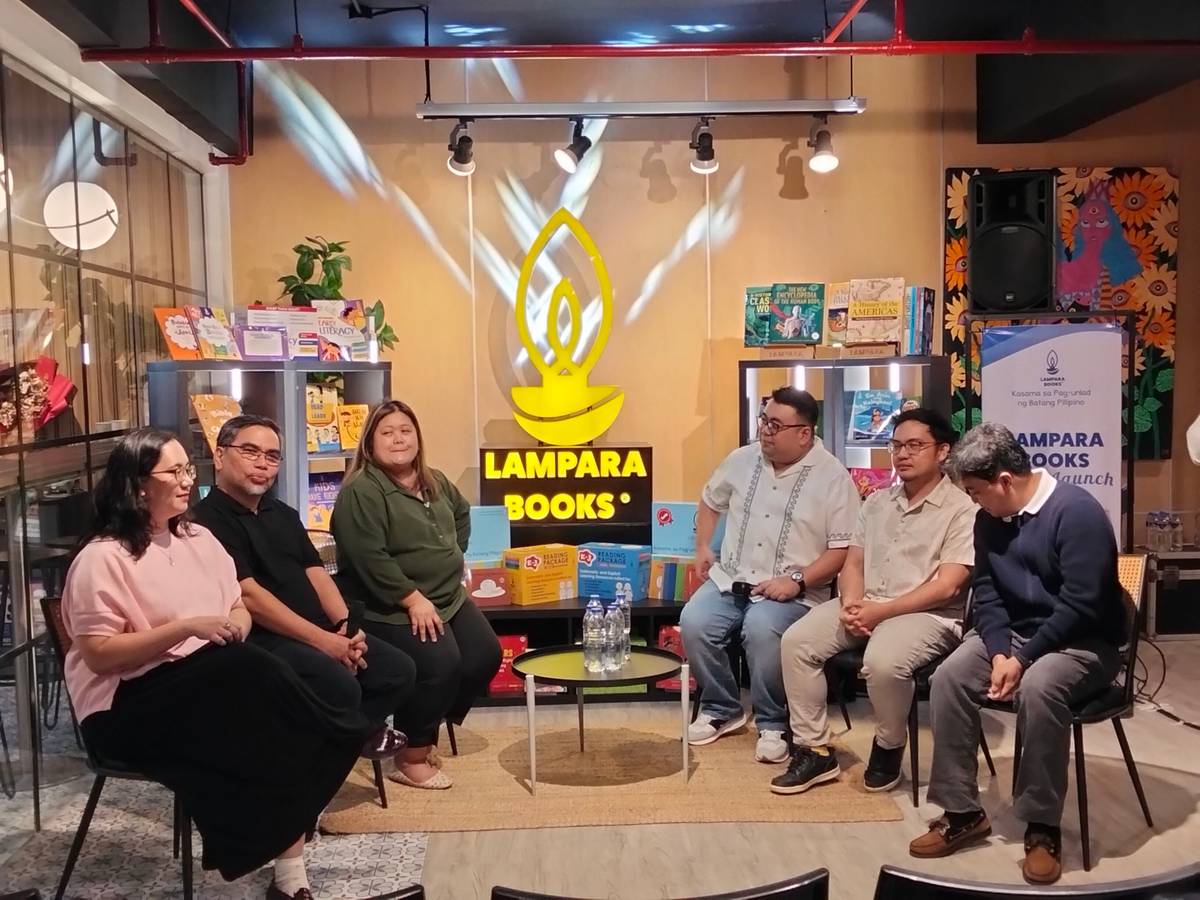
From left to right: • Michellan Sarile-Alagao, author of the "Kids Have Rights!" series • Victor A. Villanueva, author of the "Magbasa Tayo!" series • Daisy Jane Calado, author of the "Let’s Read!" series • Eugene Y. Evasivo, author of the "Filipino Board Books" series • Pepot Atienza, author and illustrator of "Kaloka Ka, Lolo!" • Arnold Subastil, author of "Nasaan ang mga Nawawalang Nail Cutter?"
Photo by Amelia Clarissa de Luna Monasterial / DAILY TRIBUNE images.
The courage to say “I am protected”
If I had to choose a moment that stayed with me, it would be Michellan Sarile-Alagao speaking about her Kids Have Rights! series.
It took her one year to write the four books, but one title, I Am Protected, demanded six months on its own. The series is based on the four pillars of child protection: survival, participation, development, and protection.
Protection was the hardest to write.
How do you teach children about physical, emotional, and sexual abuse without frightening them? How do you equip them with language and awareness without introducing concepts they are not developmentally ready to process?
Sarile-Alagao solved it through metaphor. Instead of confronting the issue head-on, she created a story within a story. Her two young protagonists learn about a turtle. The turtle’s shell becomes the symbol of protection. Humans do not have shells, she explained gently, and that is why we must learn how to protect ourselves and one another.
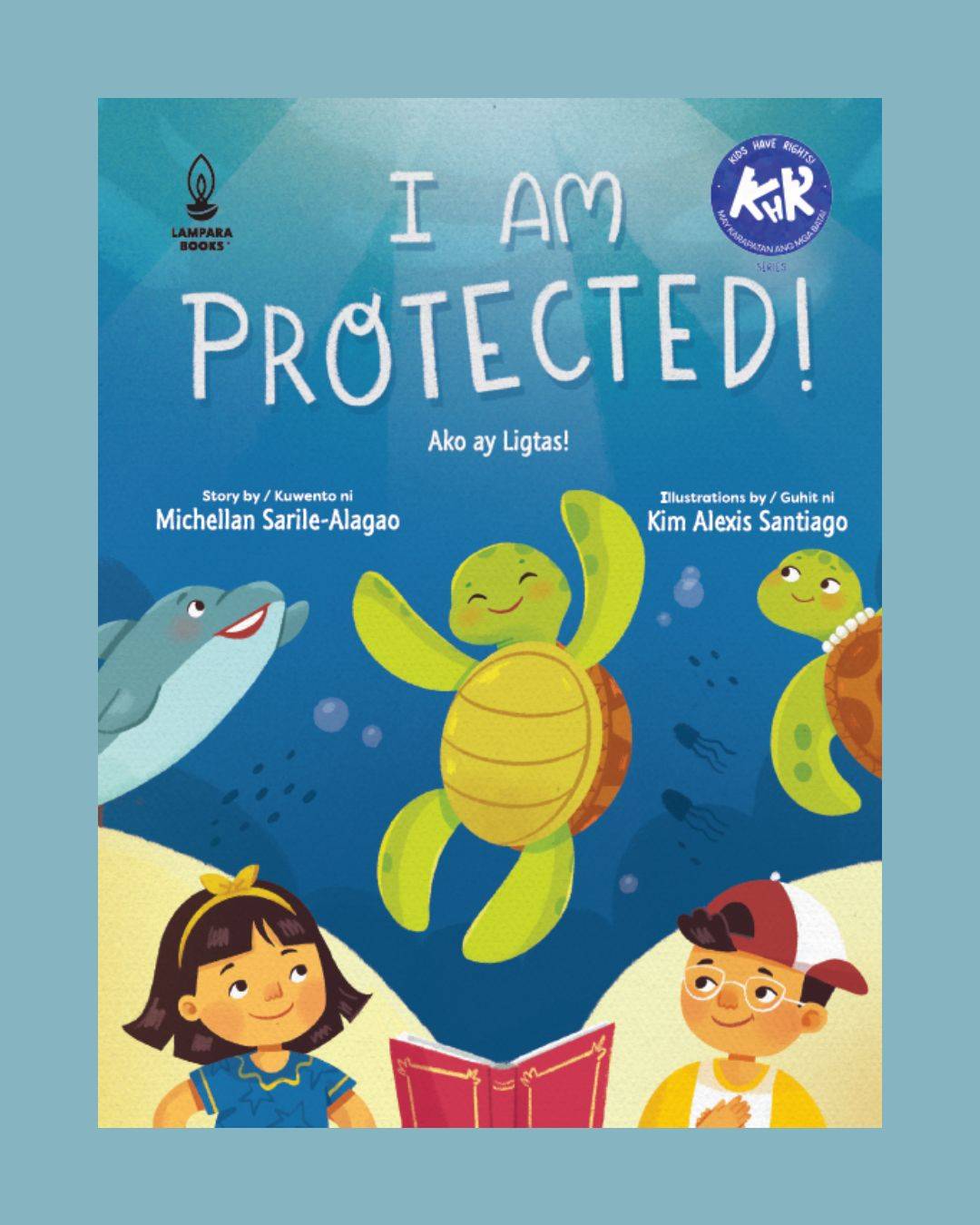
THE inspiration for the turtle character came from Sarile-Alagao's daughter's stuffed turtle plushie.
Photo courtesy of michalagao / Instagram
She chose a turtle partly because her daughter once carried a stuffed turtle everywhere. Even now, as a teenager, that turtle remains in her daughter's room, a symbol of love and innocence.
I found myself wishing I had learned about sensitive topics through stories like that. Stories that did not shame. Stories that did not terrify. Stories that respected the child reader’s emotional landscape. Most importantly, I wish I learned about those in a way that protected me, instead of from dangerous and inappropriate sources. In a country that still finds it taboo to talk about such topics, Sarile-Alagao's work feels a breath of fresh air.
Sensitivity, I then realized, is not censorship. It is care.
Meeting children where they are
Victor A. Villanueva and Daisy Jane Calado, authors of the Magbasa Tayo! and Let’s Read! series, spoke with the calm clarity of teachers who have seen the system fail too many times.
They work with children who are often described as left behind, or worse, given up on. Many struggle with learning difficulties and low self-esteem.
Together, they wrote 300 books for the Filipino and English reading packages in roughly three months. The speed was not the impressive part. The research was.
Most of the work, they said, was about designing books that meet children exactly where they are. Decodable texts that build confidence step by step. Stories that feel fun rather than graded. Language that allows children to associate reading with connection instead of pressure.
When a child learns to decode a word independently, something shifts. When comprehension clicks, confidence follows.
Reading becomes less about surviving school and more about entering a world.
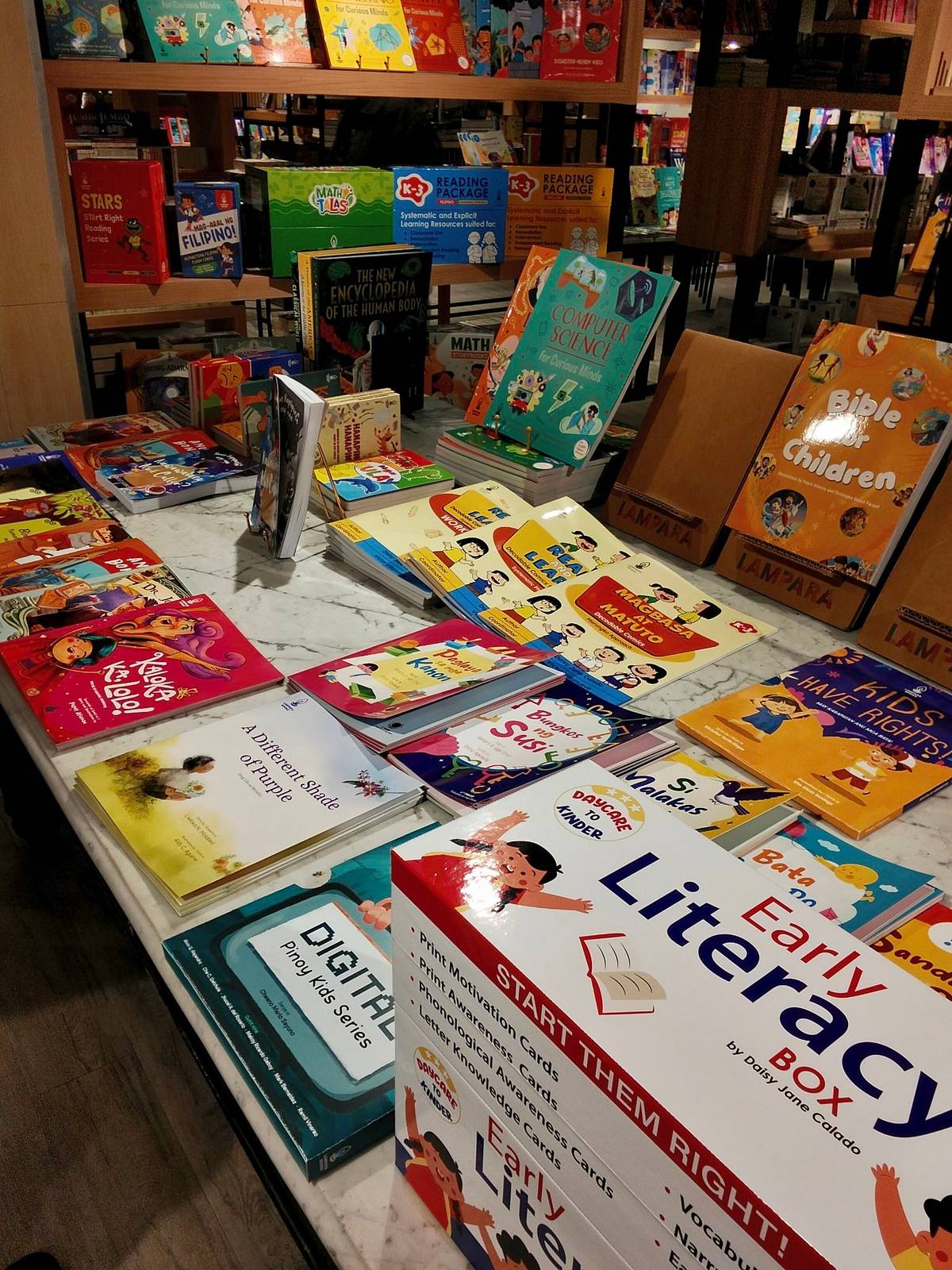
THE Literacy Kit contains 300 reading packages designed to meet students where they are developmentally.
Photo by Amelia Clarissa de Luna Monasterial / DAILY TRIBUNE images.
Science, but make it local
Eugene Y. Evasivo began his academic life in science at the University of the Philippines before shifting to the College of Arts and Letters. He never really left science behind. He simply translated it into stories.
His Filipino Board Books series introduces scientific ideas through engaging visuals and accessible language.
He made a point that lingered with me. Most board books sold locally are imported from the United States. They are often more expensive to produce, which makes local publishers hesitant. And even when they are available, the context can feel distant.
Why should a Filipino child learn first about a cardinal bird, an oak, or a pine tree, when we have the maya bird and the makahiya plant?
Localization is not parochial. It is powerful. When children see their own environment reflected on the page, curiosity deepens. Science stops being foreign.
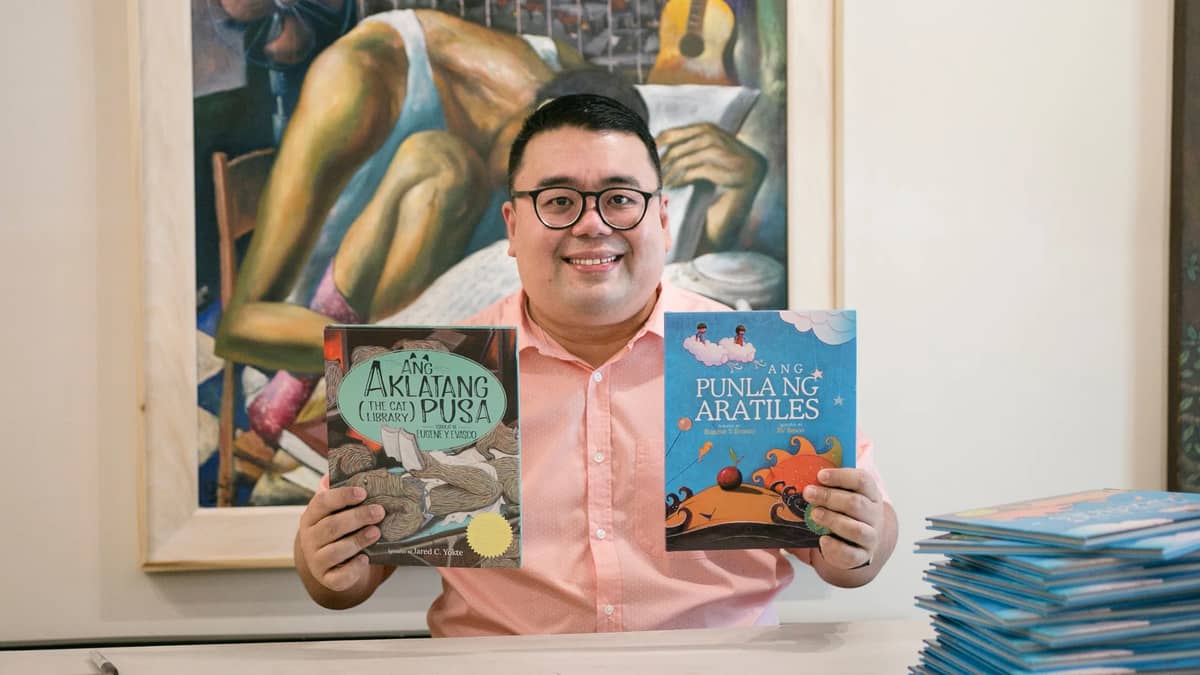
EUGENE Evasivo aims to make science fun, engaging, and accessible to young readers. Scientific concepts are embedded into compelling narratives.
Photo courtesy of Looking For Juan.
Love can be taught
Then there was Pepot Atienza.
Originally a visual artist known through their social media presence, Pepot ART, Atienza began with sketches. Characters emerged first, then a story followed. By 2019, those sketches had evolved into Kaloka Ka, Lolo!
It is their literary debut.
The book explores self-expression, gender identity, love, and gentleness without turning them into taboo topics. Atienza believes children are quick to love. They are curious, yes, but not inherently judgmental.
Hate, they said, is taught. But love can be taught, too.
As long as no one is harmed, people should be allowed to express themselves.
The protagonist of Kaloka Ka, Lolo! is joyful and kind, even in the face of teasing and bullying. The character’s happiness is not naive. It is resilient. There is depth beneath the playfulness.
I was struck by how much emotional architecture Atienza built within a short word count. The story is easy enough for a child to follow, yet layered enough for adults to reflect on their own biases.
The book is not yet available for purchase, but Atienza will appear at the Philippine Book Festival at SM Megamall from 12 to 15 March 2026.
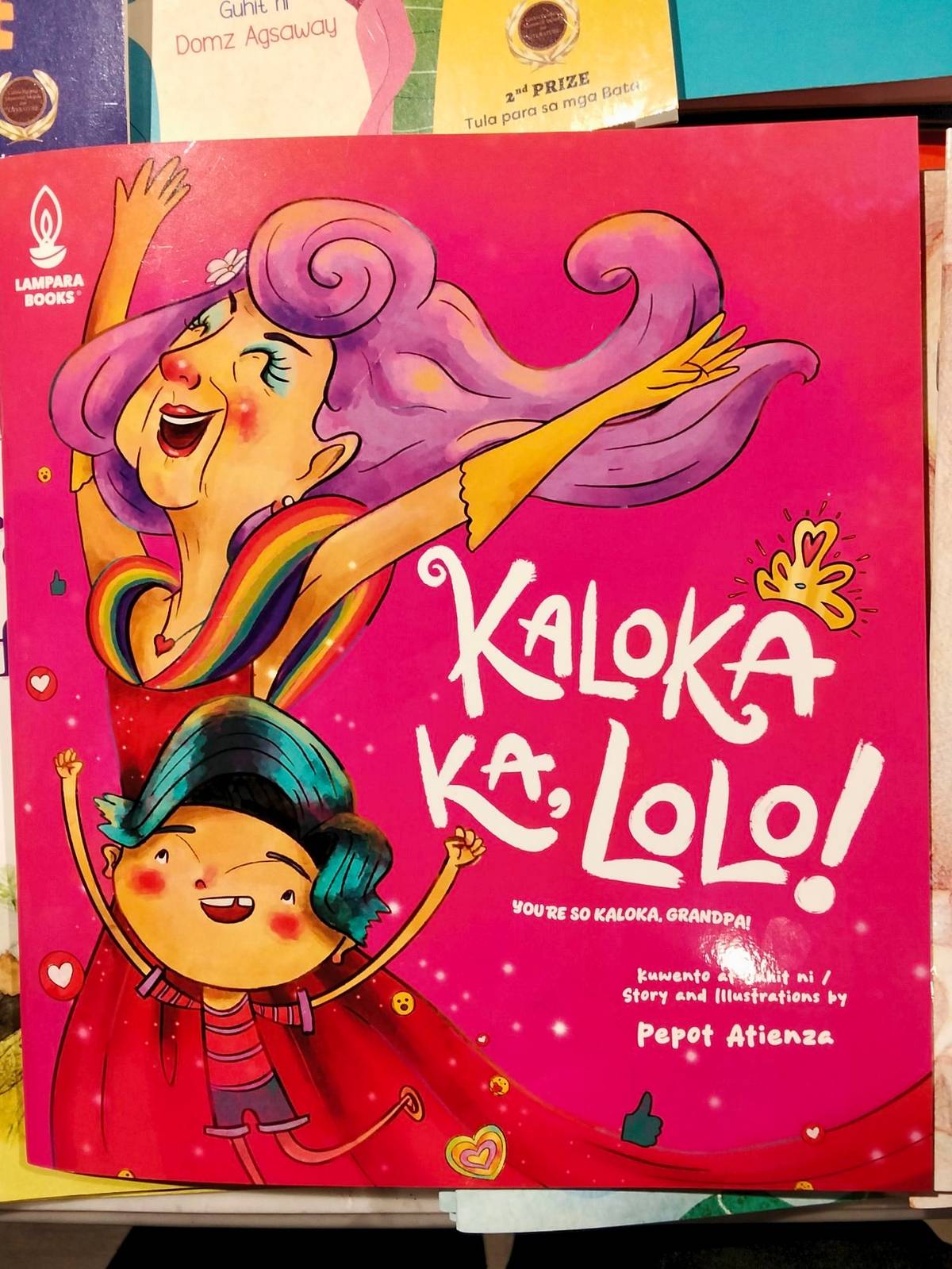
KALOKA Ka Lolo! is vibrant, heart-warming, and reflective.
Photo by Amelia Clarissa de Luna Monasterial / DAILY TRIBUNE images.
Where are the missing nail cutters?
Arnold Subastil approached the crisis from a young adult perspective.
Lampara found that many teenagers no longer want to read. Young adult titles are often imported, shaped by cultures that feel distant from Filipino realities.
Nasaan ang mga Nawawalang Nail Cutter? sounds almost absurd at first. Where are the missing nail clippers?
But Subastil uses the mundane to explore loss. Every time we lose something, even something replaceable, we change a little. He introduces a god of lost things and uses casual, accessible language that feels like a conversation with a friend.
He trusts young readers to think deeply.
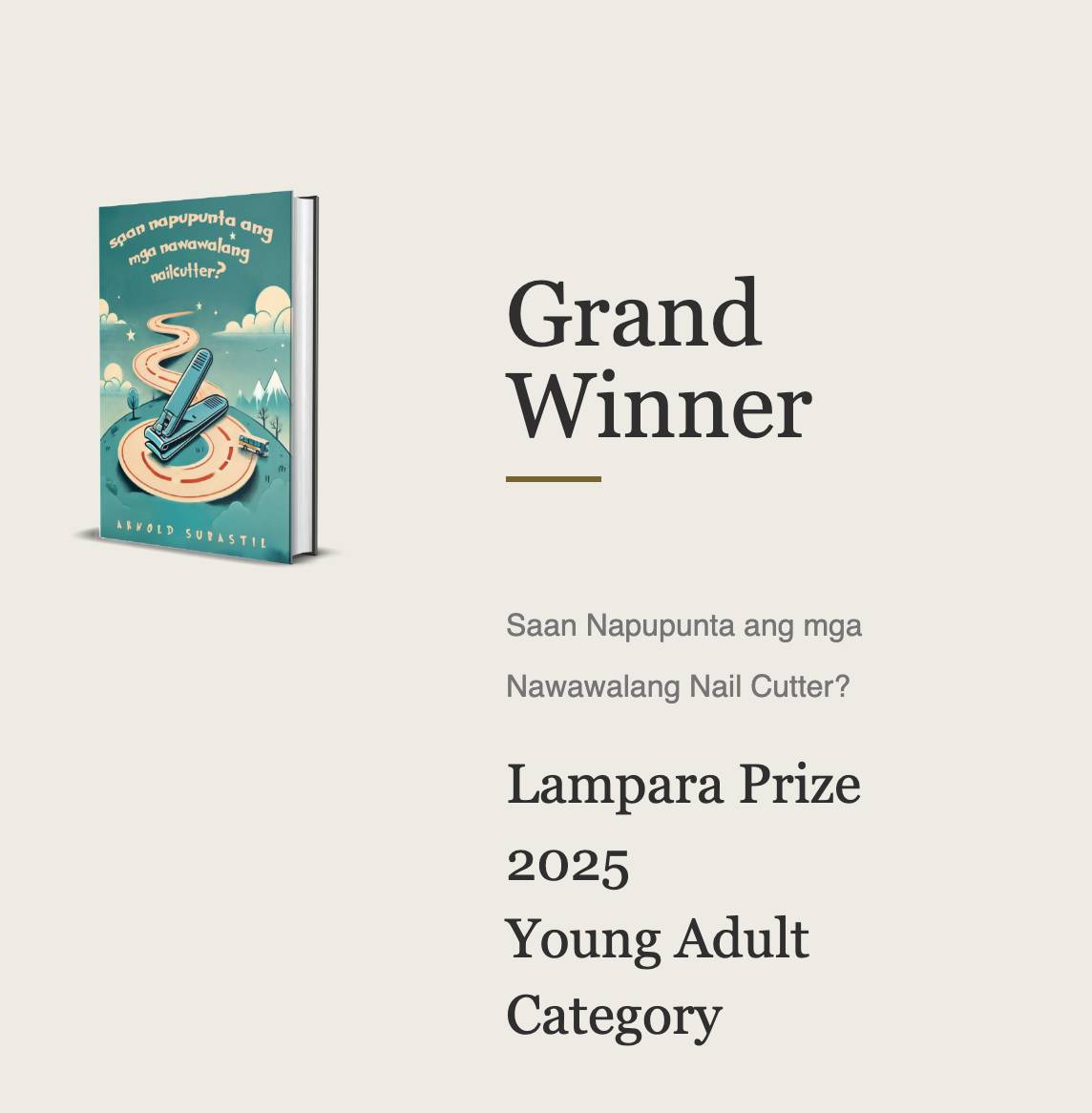
BEYOND its quirky title, Subastil's book explores identity and connection to the material world through a character called The God of Lost Things.
Photo courtesy of Arnold Subastil official website.
Not just for readers
The launch was not only for parents, teachers, or book lovers. It was also a call to the Department of Education and private institutions: Invest in literacy. Invest in numeracy. Invest early.
The longer the system delays, the more children are left behind.
Lampara believes reading builds connection. It allows children to advocate for themselves, seek information, and build confidence. It shapes not only academic success, but culture.
By investing in children’s literacy, we invest in the country’s future storytellers, scientists, teachers, and citizens.
Walking out differently
When the program ended, I picked up my press kit bag. Inside were two children’s books.
They felt light in my hands.
But as I stepped out into the late afternoon air of Quezon City, they were heavier with meaning.
I will read them twice.
Once as the adult I am now, armed with vocabulary, theory, and hindsight. And once for the child I used to be, the one who needed stories told with care, who needed language framed with gentleness instead of fear.
Maybe that is what this launch really was.
Not just a presentation of new titles.
But a reminder that the way we tell stories to children matters.
And that somewhere, a child is waiting for a book that will teach them not only how to read, but how to love learning, how to trust themselves, and how to see the world as something worth exploring.
I walked in as a reader.
I walked out believing that children deserve better stories than we sometimes give them.
And perhaps, better stories are where change begins.