
DFA may place Iran at Alert Level 3 for Filipinos amid joint strike
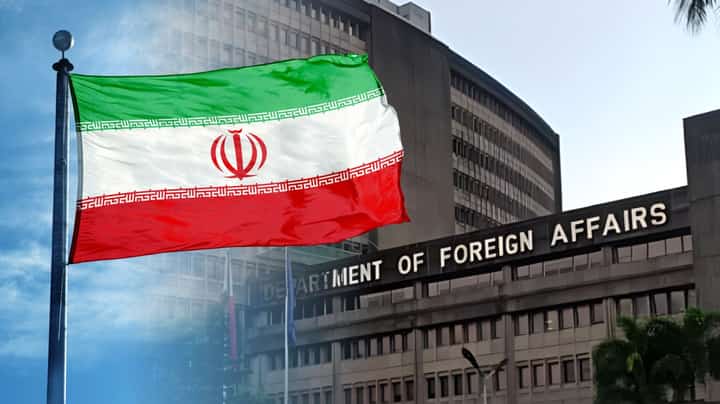
Filipinos in conflict-stricken Iran may soon be urged to avail themselves of voluntary repatriation as the Department of Foreign Affairs (DFA) moves to raise the crisis alert level in the country to Alert Level 3 “anytime now,” following joint drone and missile strikes by Israel and the United States on Iran.
In a radio interview on Sunday, Senator Erwin Tulfo, chair of the Senate Foreign Relations Committee, said the DFA is expected to elevate Iran’s alert status after the reported attacks. He noted that Philippine embassies in the region have been operating round the clock since the escalation.
“I believe anytime now, the DFA will raise the status in Iran to Alert Level 3. That means Filipinos who wish to be repatriated may leave at any time, with assistance from the government,” he said partly in Filipino.
Iran had previously been placed under Alert Level 3 (voluntary repatriation) but was downgraded to Alert Level 2 (restriction phase) in July last year amid easing tensions. With the latest developments, prospects for a ceasefire appear to have diminished.
Alert Level 3 is the second-highest crisis classification issued by the DFA. It allows overseas Filipinos in affected areas to seek government-assisted repatriation, though departure is not mandatory. Mandatory evacuation is imposed only under Alert Level 4.
DFA data show there are about 800 Filipinos in Iran and around 31,000 in Israel.
Tulfo added that funds are available to support repatriation efforts after the bicameral conference committee approved an additional P1.3 billion allocation for the Department of Migrant Workers and the Overseas Workers Welfare Administration.
The Philippine Embassy in Iran, in its advisory, said it continues to closely monitor the security situation and urged Filipinos to remain vigilant, avoid public places, and coordinate with the embassy for updates and safety guidance.
Meanwhile, Senator Francis Escudero called for stronger, coordinated protection measures for the estimated 2.2 million Filipinos across the Middle East. He said advisories alone are insufficient given the scale of the threat and pushed for the activation of a Middle East Crisis Command Center to consolidate real-time monitoring, identify safe corridors, and pre-position evacuation assets in key ports and airports.
Escudero also stressed that assistance should extend to Filipino travelers who may be stranded at airports or transit hubs due to flight cancellations, ensuring they receive timely guidance, temporary support, and clear information on available routes or repatriation options.
“Such a mechanism is not alarmist but a necessary safeguard, especially for our overseas Filipino workers in high-risk areas like Israel and Iran, where mobility may be restricted and communication lines may be disrupted,” he said.
He further underscored the need to maintain reliable communication channels with overseas Filipino workers, including emergency hotlines, check-in systems, and temporary connectivity assistance to ensure they remain informed and reachable, particularly those in sectors with limited mobility such as domestic work, construction, and caregiving.