
Battling the ‘beer belly’


That stubborn bulge around the waistline may be more than a cosmetic concern.
Health experts are cautioning that excess fat in the midsection — often jokingly called a “beer belly” or “spare tire” — can significantly increase the risk of heart disease, stroke and diabetes.
According to Dr. Juancho Alfredo D. Las, weight gain around the abdomen develops when calorie intake consistently exceeds the body’s energy use. Over time, surplus calories are stored in fat cells, which expand and become more visible in areas such as the stomach, hips, thighs and upper arms. Age, genetics, hormones and overall body composition also influence where fat tends to accumulate.

PHYSICAL activity plays a critical role in your overall health.
PHOTOGRAPH COURTESY OF UNSPLASH/JOSH DUKE
While carrying excess weight anywhere on the body poses health concerns, physicians say abdominal fat is especially dangerous. Dr. Las explained that there are two kinds of belly fat: Subcutaneous fat, which lies just beneath the skin; and visceral fat, which surrounds vital organs including the liver, heart and kidneys. Although some visceral fat is normal, too much of it is associated with higher chances of developing cardiovascular disease, high blood pressure, type 2 diabetes and certain cancers.
Many people attempt to target their waistlines with crunches and planks, but health professionals emphasize that so-called “spot reduction” is ineffective. Fat loss does not occur in isolated areas; instead, the body sheds weight more evenly when supported by sustainable lifestyle changes.
Doctors recommend shifting toward whole, minimally processed foods to help trim abdominal fat and improve overall wellness. Diets heavy in ultra-processed meals — often high in sodium, unhealthy fats and empty calories — can contribute not only to weight gain but also to elevated blood sugar, cholesterol and blood pressure levels. Lean proteins such as chicken and fish, fiber-rich vegetables and fruits, legumes, whole grains, nuts and healthy fats are encouraged. Water remains the healthiest beverage option.
Physical activity also plays a critical role. Even for those working desk jobs, simple habits like taking the stairs, walking short distances, or standing and moving every hour can make a difference. Aerobic exercises help burn calories, while resistance and strength training can boost metabolism and continue burning energy even after a workout ends.
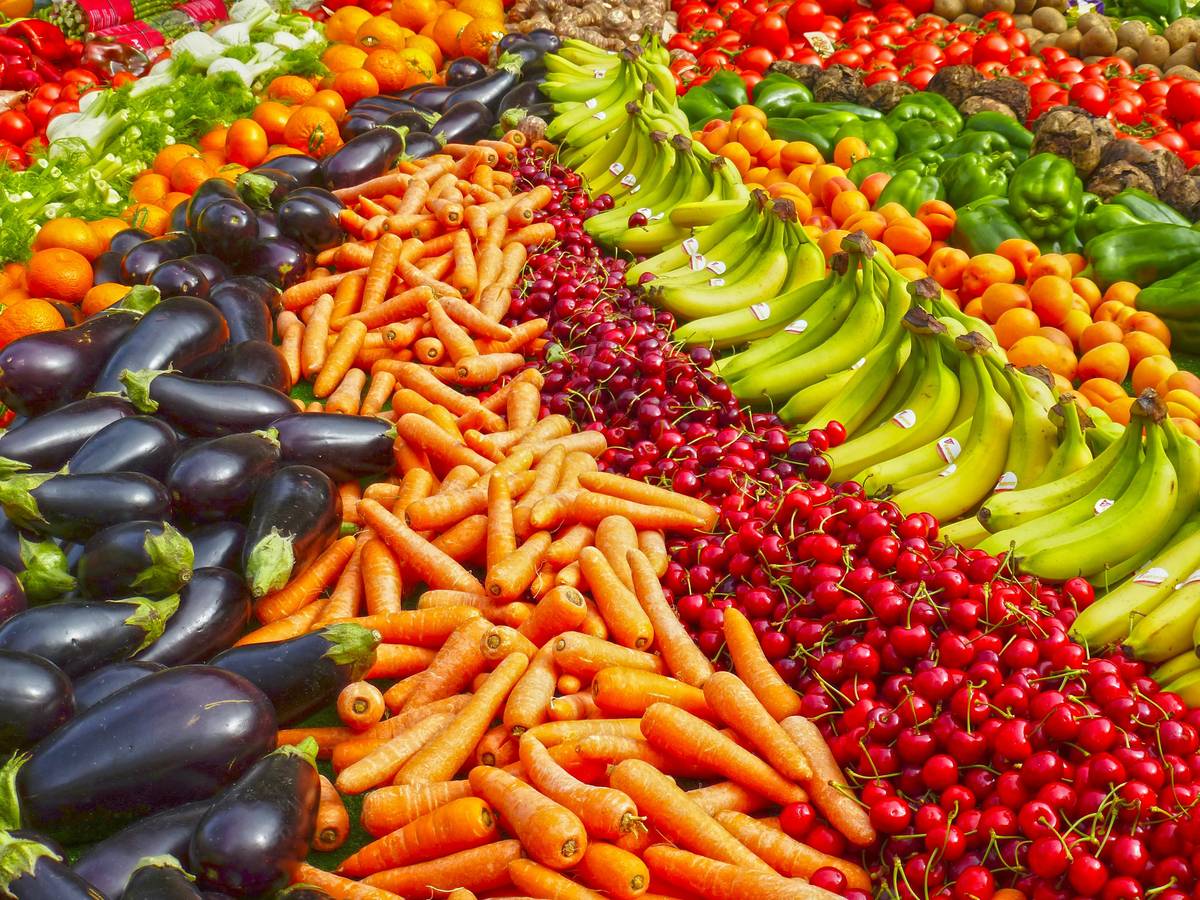
VEGETABLES help keep you full, regulate blood sugar and protect your heart while promoting sustainable weight management.
PHOTOGRAPH COURTESY OF PEXELS/PIXBAY
Lifestyle factors further influence belly fat accumulation. Chronic stress increases cortisol, a hormone linked to fat storage around the abdomen and cravings for sugary or salty foods. Getting seven to eight hours of sleep nightly helps regulate both cortisol and appetite hormones. Smoking cessation is likewise advised, as nicotine disrupts the body’s hunger and fullness signals.
Alcohol consumption is another contributor. Dr. Las noted that alcoholic drinks are calorie-dense, and when consumed in large amounts, the liver prioritizes metabolizing alcohol over burning fat and carbohydrates. This metabolic shift can promote fat buildup around the waist.
Health experts stress that reducing abdominal fat is not about achieving a certain look but about protecting long-term health. Addressing diet, physical activity, sleep, stress and alcohol intake together offers the most effective strategy for shrinking the waistline — and lowering the risk of life-threatening disease.