




DA mandates agri warehouse registration to curb smuggling

Text size
The Department of Agriculture (DA) has rolled out stricter monitoring rules for agricultural storage facilities, requiring warehouses and cold storage operators to register under the Anti-Agricultural Economic Sabotage Act as part of efforts to curb smuggling and market abuse.
In newly issued guidelines, the agency directed all entities storing agricultural and fishery products to enroll in the DA Online Registration System. The requirement covers facilities that are owned, leased or run by third parties, and applies to storage sites handling both local and imported goods.
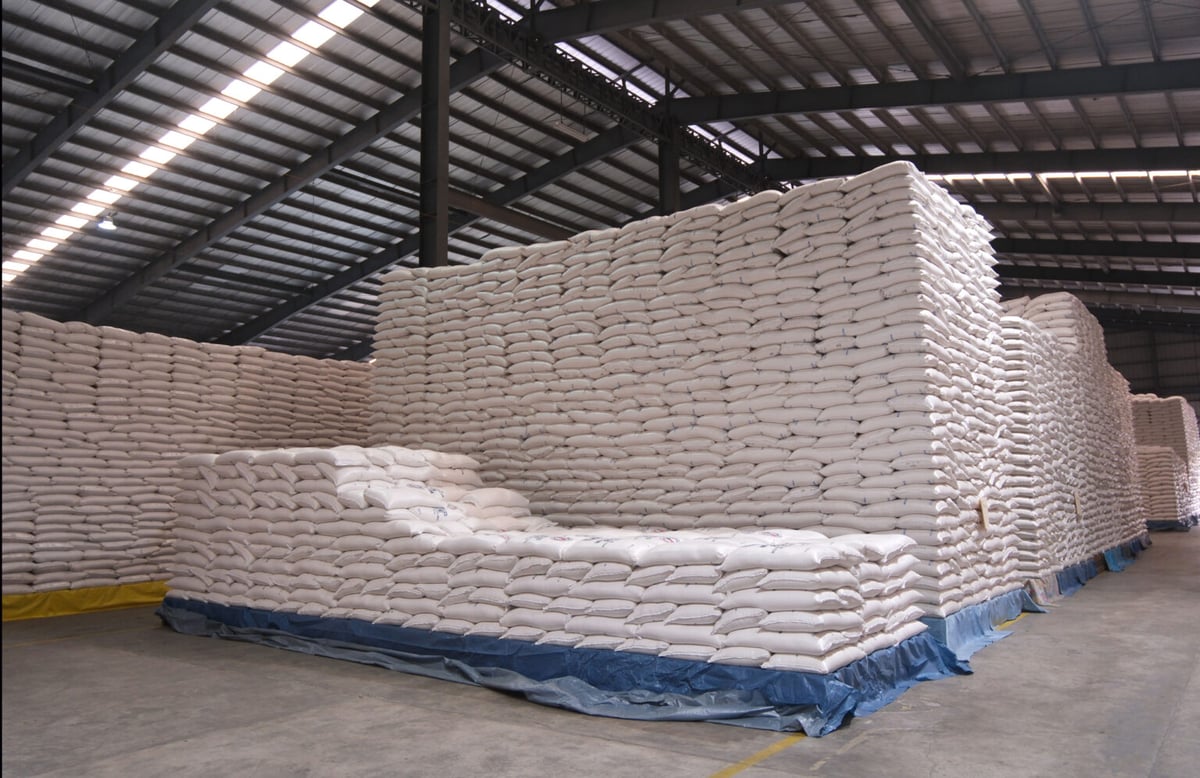
Included in the coverage are rice warehouses, onion cold storage units, meat freezers, grain silos, refrigerated container vans and agricultural storage tanks.
DA Secretary Francisco P. Tiu Laurel Jr. said the registry would allow the government to better track food stocks and respond more quickly to illegal activities.
“We cannot stop smuggling, protect public health or safeguard our farmers if we do not know where the stocks are,” Tiu Laurel said. “Registration gives the government clear visibility over the supply chain so we can move quickly against hoarding, illegal imports and abusive practices that undermine Filipino producers and harm consumers.”
The new policy operationalizes Section 6 of Republic Act No. 12022, which compels agri-fishery businesses to keep complete and auditable records for at least five years. Operators must disclose storage capacity, commodities handled and inventory levels, maintain monthly records, and submit quarterly electronic reports through the appropriate regulatory agencies.
The guidelines also outline specific violations. Refusal or failure to present required documents upon lawful demand will be treated as a breach of the law. The inability to produce updated operational reports previously filed with regulators may serve as prima facie evidence of noncompliance.
Offenses involving digital manipulation or concealment of records fall under the Cybercrime Prevention Act of 2012, potentially exposing violators to additional criminal charges.
Licenses, registrations and accreditations may be suspended or revoked by concerned trade regulatory bodies, subject to due process. Preventive suspension may be imposed in cases posing imminent public risk.
The DA said the unified digital registry is intended to improve traceability, strengthen food safety oversight and generate reliable data that can flag unusual stockpiling linked to price manipulation or artificial shortages.
The registration requirement does not replace existing licensing or accreditation processes administered by agencies such as the Bureau of Plant Industry, Bureau of Animal Industry, Bureau of Fisheries and Aquatic Resources, National Meat Inspection Service, Sugar Regulatory Administration and National Tobacco Administration.
Micro-scale operators, including sari-sari stores, wet market vendors and registered barangay micro businesses with assets below P3 million, are exempt under the law.
For larger industry players, however, registration is now compulsory, with compliance closely monitored through digital reporting and stricter enforcement.
Housing is probably the biggest issue affecting people the world over.
Malacañang on Monday called for a more thorough investigation into the questioned flood control projects in Taguig…
The defense on Monday backed the move by senator-judges to exclude a prosecution witness who testified on the firearms…
