Why Sandbox's 'Spring Awakening' is not shock theater
When 'Spring Awakening' first opened on Broadway in 2006, it divided and unsettled audiences. Parents walked out. Schools banned it. Critics argued over whether it crossed a line.


When Spring Awakening first opened on Broadway in 2006, it divided and unsettled audiences. Parents walked out. Schools banned it. Critics argued over whether it crossed a line. The musical was branded “shocking” because it did not shy away from putting onstage what polite society insists young people should never see, say, or understand.
But in 2007, the musical went on to win eight Tony Awards, including Best Musical. The recognition was for craft: a disciplined book, Duncan Sheik and Steven Sater’s alternative rock score that functions as interior monologue, and staging that renders intimacy legible without exploitation. It unsettles because it tells the truth without dressing it up.
Nearly two decades later, that reputation still follows the show. It is also the reason why Sandbox Theatre Collective, now under the leadership of Sab Jose, is staging it this year under the direction of Gawad Buhay nominee Andrei Nikolai Pamintuan.
Lead cast are Alex Diaz and Nacho Tambunting as Melchior Gabor; Sheena Belarmino as Wendla Bergmann; and Nic Chien alternating with Omar Uddin in the role of Moritz Stiefel.
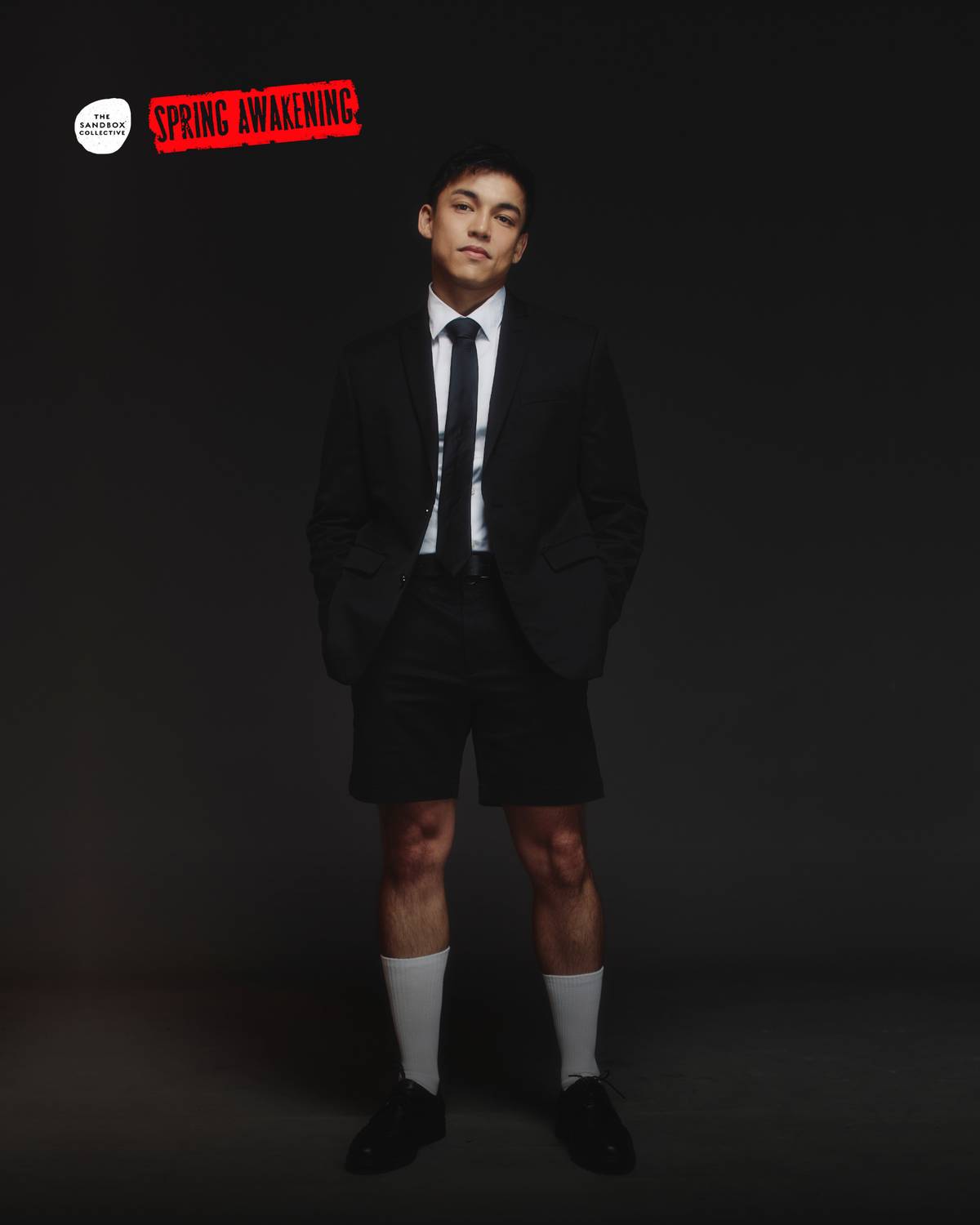
Alex Diaz as Melchior
The Sandbox Collective
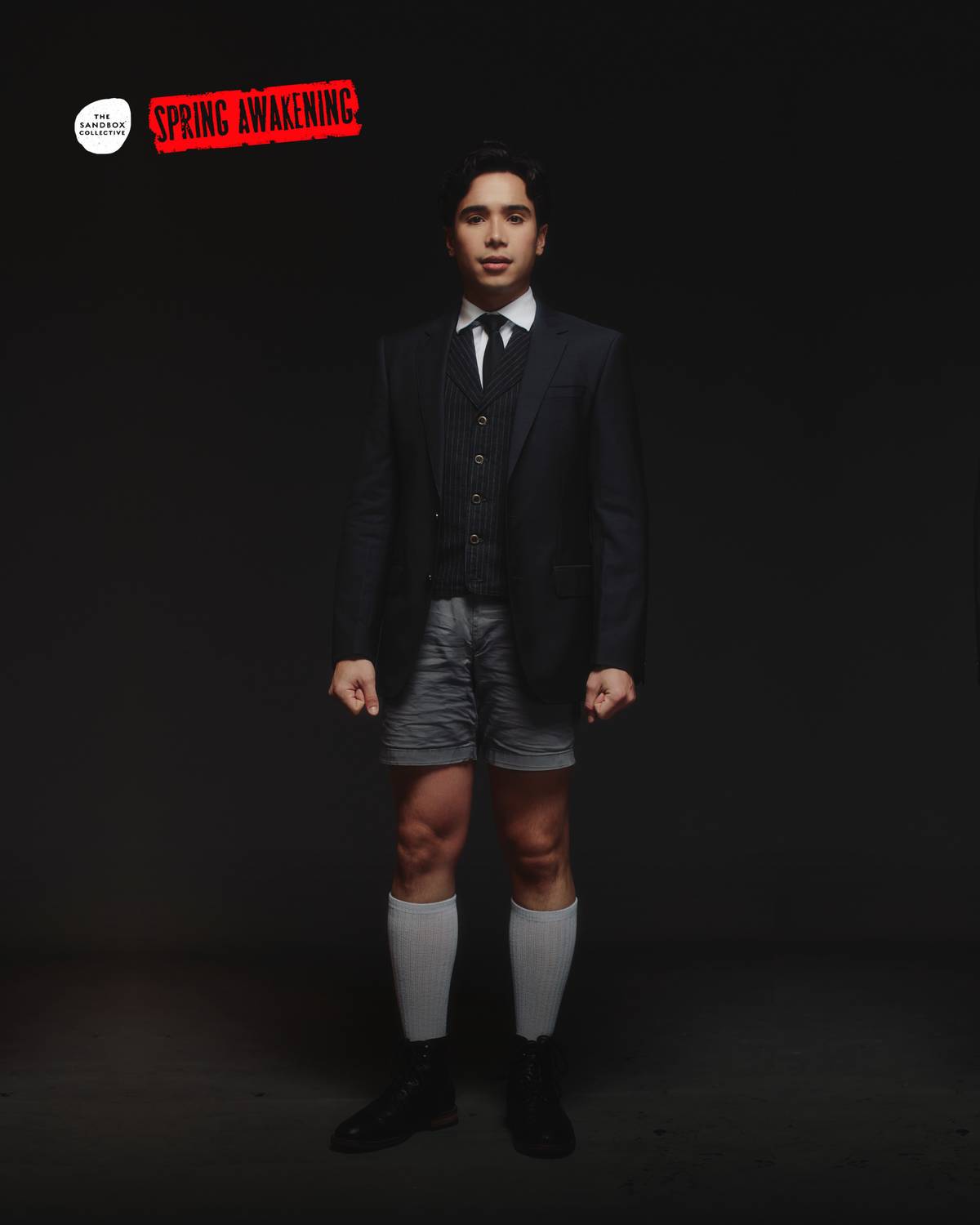
Nacho Tambunting
The Sandbox Collective
Not for shock’s sake
Spring Awakening is not shock theater for shock’s sake. Its discomfort comes from treating silence, not sex, as the real problem.
Adapted from an 1891 German play by Frank Wedekind, often published in English as Spring Awakening: A Tragedy of Childhood, the musical portrays adolescence without euphemism. It includes scenes that made audiences recoil when the show first premiered: sexual discovery, a consensual sexual encounter between teenagers, bullying, death, and suicide.
These moments were labeled “shocking” because they were direct and refused to soften consequences. Also, they forced audiences to confront an uncomfortable truth: nothing catastrophic happens in this story without adult failure first.
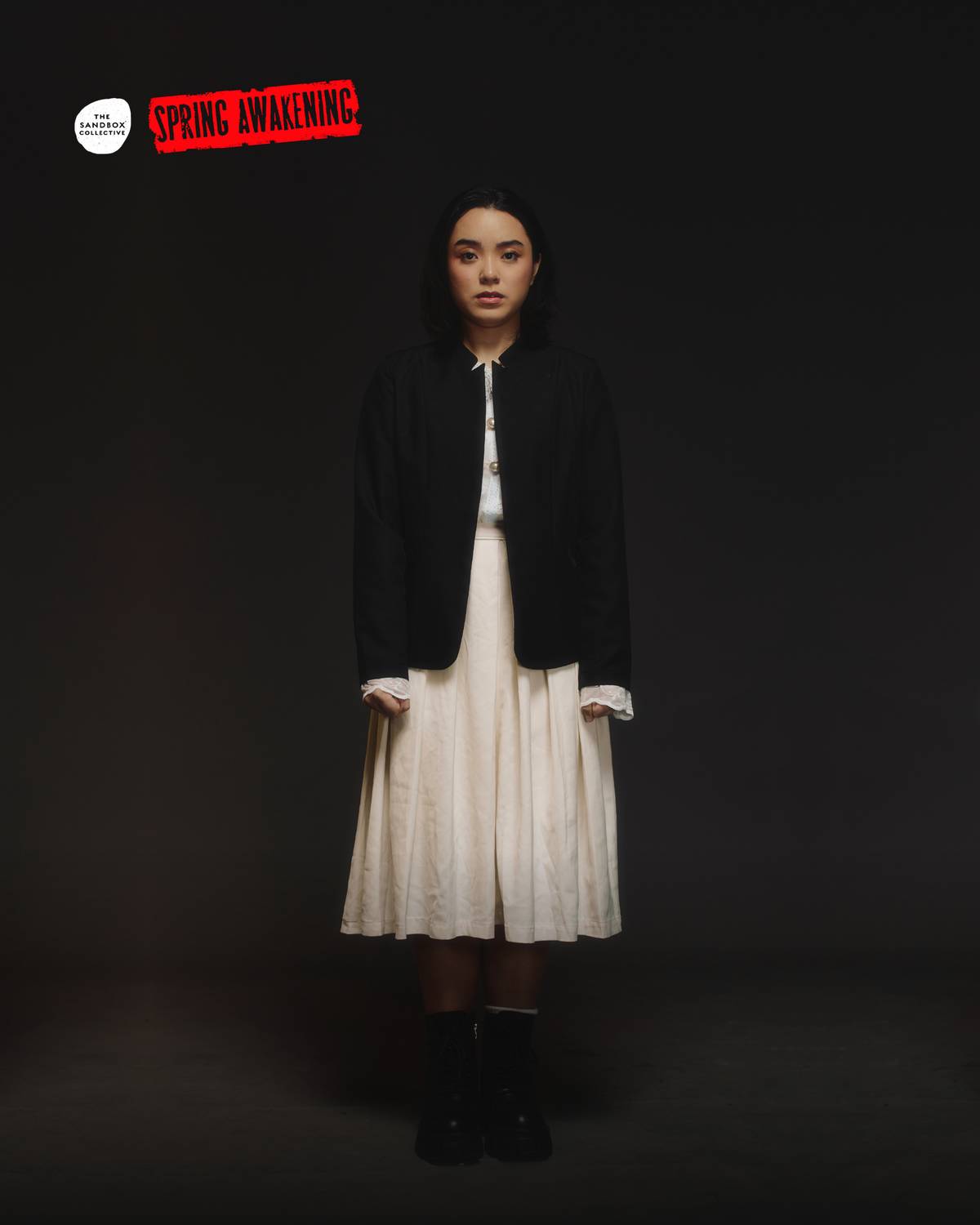
Sheena Belarmino as Wendla
The Sandbox Collective
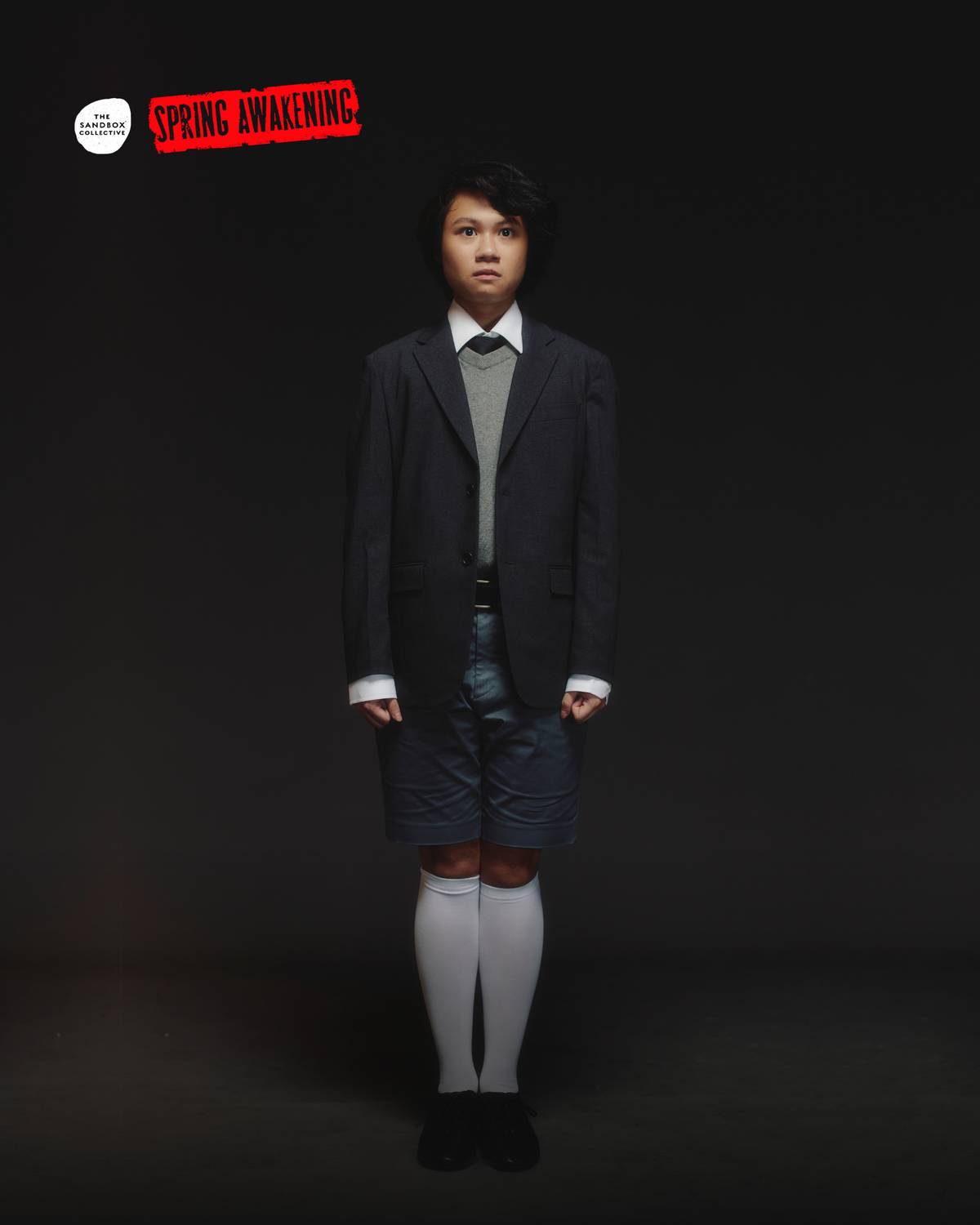
Nic Chien
The Sandbox Collective
Talk to the kids
At a press conference for the production held on 20 January at Privato Hotel in Quezon City, Menchu Lauchengco-Yulo, who plays the Adult Woman, said the musical’s message is simple and urgent.
“Open communication and being very honest with your children, that’s how they get the correct information and learn how to take precautions,” she said. “That’s really what this story is about.”
The tragedies the teenagers face in the musical happen because no one ever explains what sex is. Information is withheld for specific reasons. Parents and teachers believe that discussing sex will encourage immoral behavior, so they choose silence. Adults rely on religious doctrine, moral absolutism, and fear rather than knowledge. Sexuality is framed as something to suppress and not understand.
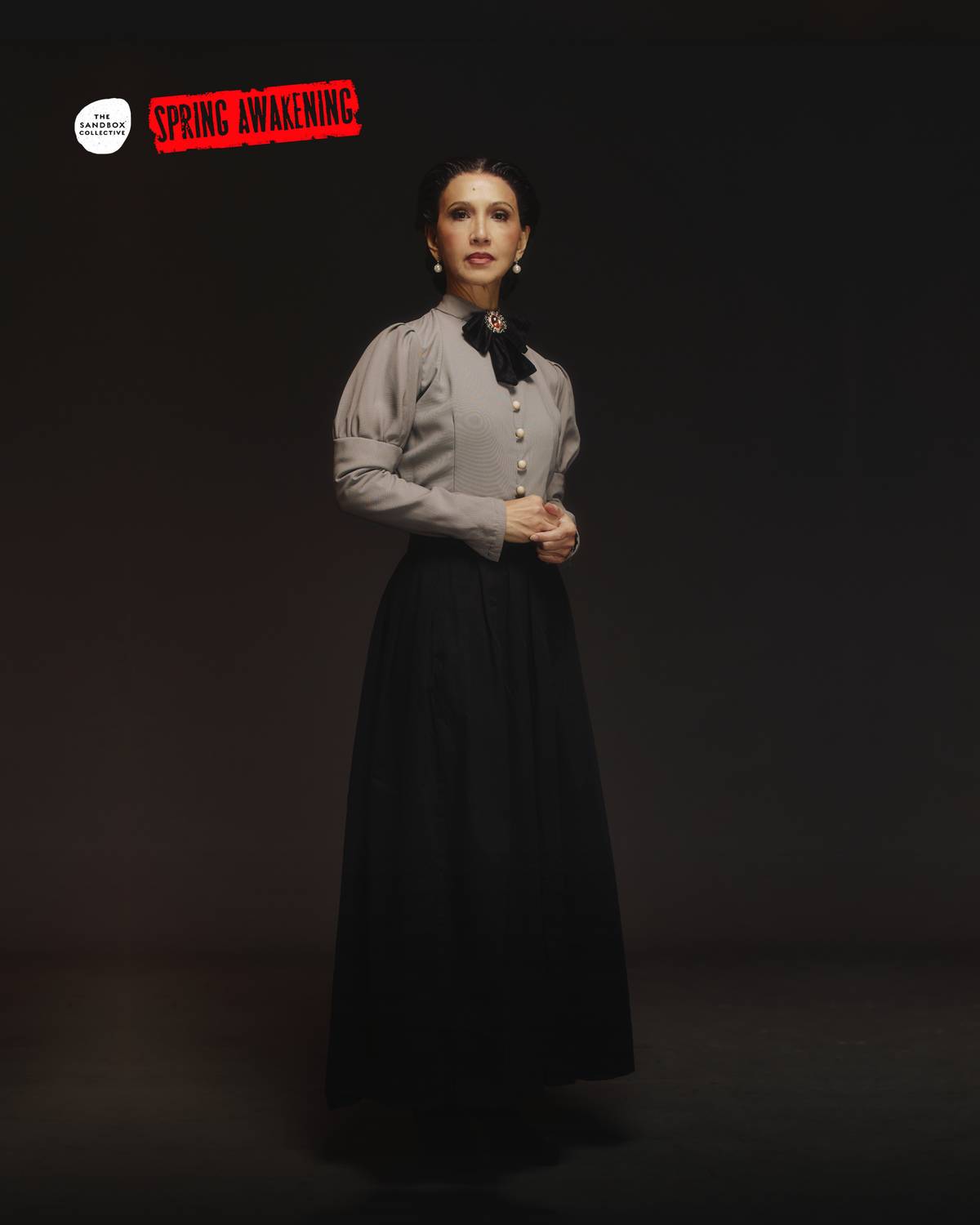
Menchu Lauchengco-Yulo as Adult Woman
The Sandbox Collective
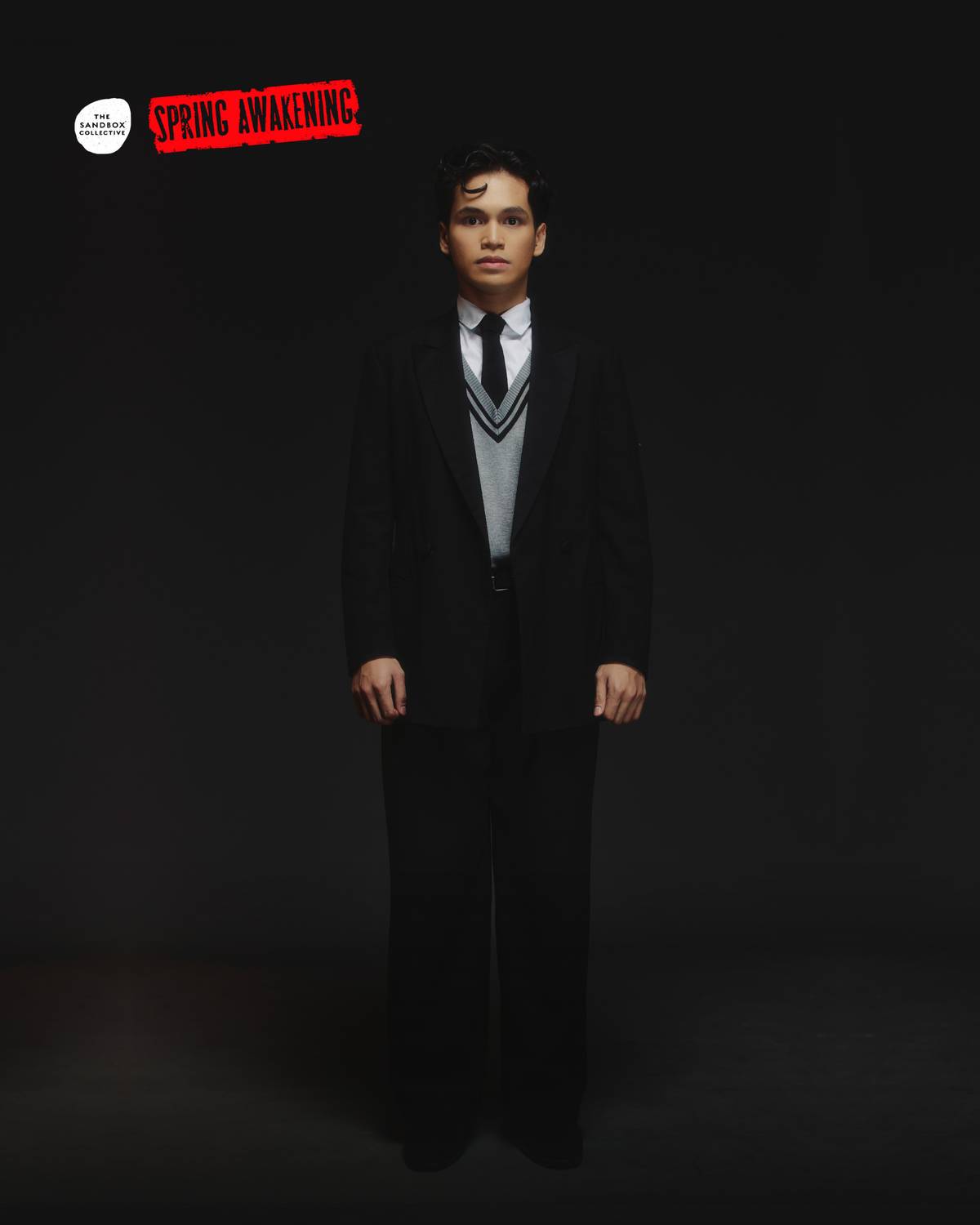
Oma Uddin
The Sandbox Collective
The stigma
There is also a culture of punishment, where questioning adults is discouraged and curiosity is treated as misbehavior. This prevents teenagers from asking honest questions even when they are confused or afraid.
Meanwhile, the education system prioritizes discipline and academic performance over emotional or bodily understanding. Students are evaluated, shamed, and punished, but not guided.
As the Adult Man, Audie Gemora reflected on how discomfort becomes inherited.
“A lot of adults don’t know how to talk about sex because we were taught to be ashamed,” he said at the press conference. “That shame becomes stigma, and it gets passed on. But we’re learning.”
The musical does not present parents as villains. Several adult characters themselves lack accurate knowledge or language. They demonstrate confusion, discomfort, and shame around sex, which they pass on to their children rather than confronting it. Crucially, the adults believe they are protecting innocence. The musical makes clear that this belief, not malice, is what causes harm.
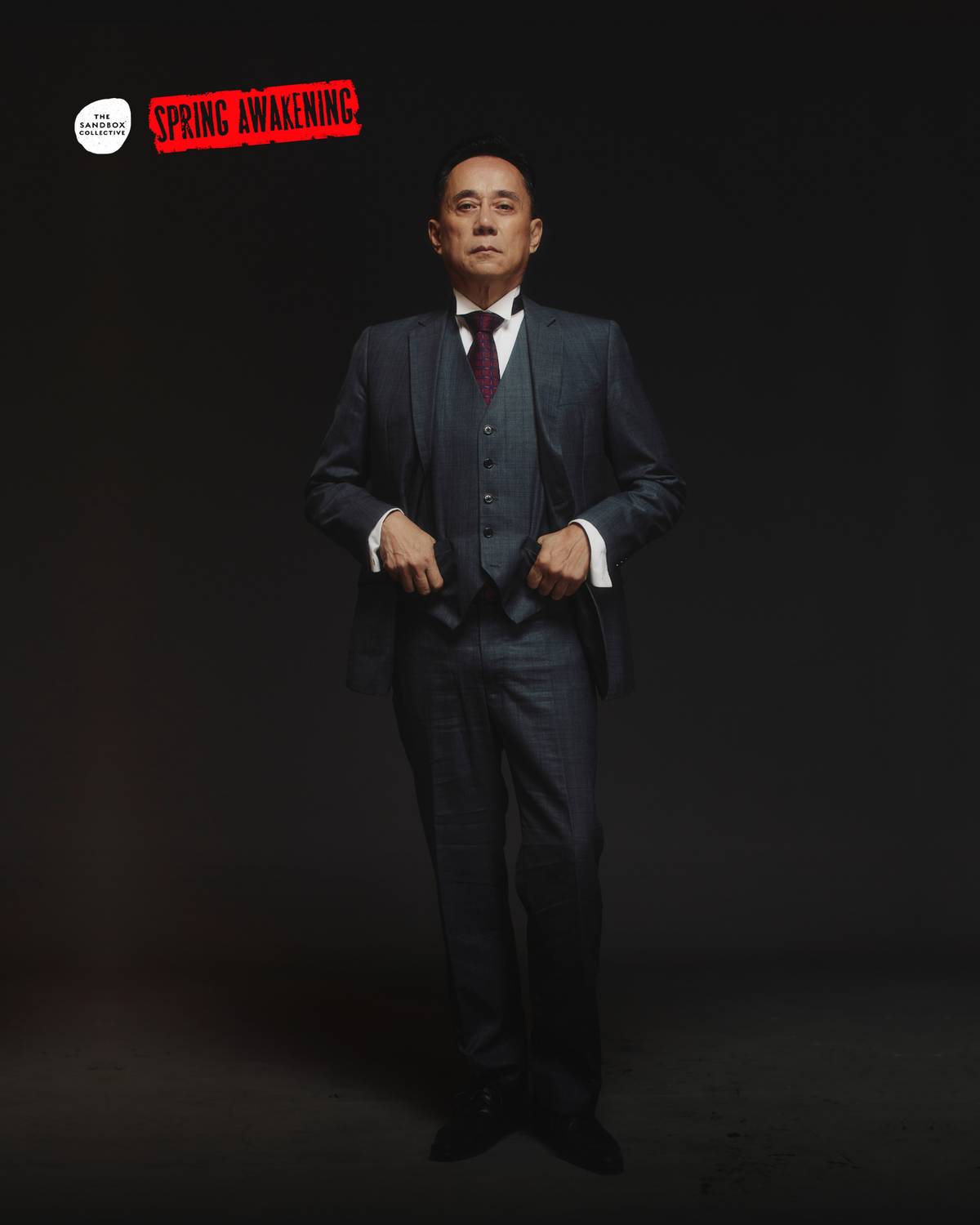
Audie Gemora
The Sandbox Collective
The evidence
That logic is not just theatrical. It is supported by research. A major review published in the Journal of Adolescent Healthfound that comprehensive sexuality education improves adolescents’ knowledge and protective behaviors and does not increase sexual activity or risk-taking (Goldfarb and Lieberman, 2021). In other words, the very conversations the adults in Spring Awakening refuse to have are the ones shown to reduce harm.
Mental health research tells a similar story. A large meta-analysis published in Pediatrics found that adolescents who experience bullying are significantly more likely to report suicidal ideation and attempts (Holt et al., 2015). Shame and fear of disclosure intensify that risk, a dynamic Spring Awakening places at the center of its most devastating arc.
Seen through this lens, the musical stops being provocative and starts being diagnostic.
Sex ed opposed
That diagnosis lands sharply in the Philippines, where conversations around sex education remain fraught. Despite the passage of the Reproductive Health Law, implementation has been uneven due to cultural resistance and sustained opposition from institutions such as the Roman Catholic Church. Reporting in the BMJ has documented how church opposition influenced public debate and policy resistance around reproductive health education, contributing to gaps in access and information (Bland, 2008).
Those gaps have consequences. Research published in Sexuality Research and Social Policy shows that shame and stigma are major barriers preventing young people from seeking sexual health information from parents or professionals (Waling et al., 2022). When conversations are taboo, adolescents turn to silence, peers, or misinformation.
Ana Abad Santos, who also plays the Adult Woman, addressed the issue at the press conference.
“Knowledge is power,” she said. “How can we decide what is best for our own bodies if we are not equipped, if we are not knowledgeable? We should not keep this information from the new generation.”
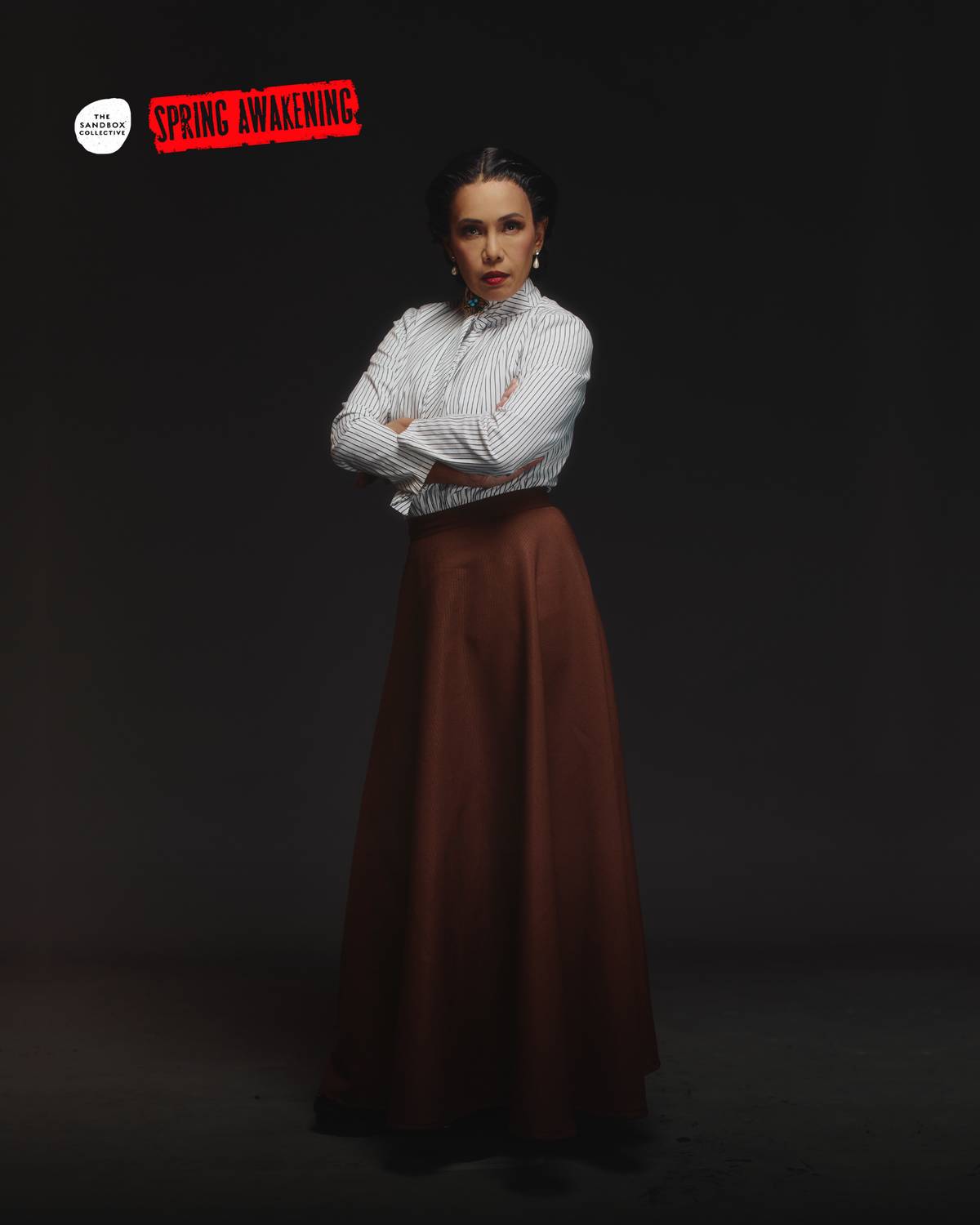
Ana Abad Santos as Adult Woman
The Sandbox Collective
Learning together
Developmental science explains why that learning matters. Adolescents are neurologically more sensitive to social pressure and rejection, thus making guidance and open communication especially critical during puberty (Steinberg, Developmental Review, 2008). Without it, young people are left to navigate life-altering changes alone.
For Sandbox Artistic Director Sab Jose-Gregorio, that is why the show is meant to be experienced collectively.
“I want Spring Awakening to be for both parents and children,” she said. “I want them to come together, see the show, and then have an open conversation, not just about their bodies, but about their identities.”
She returned to Wedekind’s original intent. “This was written as a warning to parents. This is what can happen when you repress children, when you limit knowledge. Innocence does not mean ignorance.”
Sandbox’s staging promises honesty, a work whose most controversial moments have always served a single purpose: to show the cost of silence.
If Spring Awakening still shocks today, it is because the warning still applies.
'Spring Awakening' runs from 13 February to 22 March 2026 at The Black Box, Proscenium Theater at Rockwell, Makati City. Tickets are now selling.