
You could be harming your liver without realizing it
Some causes of liver damage are obvious, while others may surprise you


If you feel constantly overworked, don’t forget about your liver.
This vital organ, roughly the size and shape of a football and situated in the upper right part of your abdomen, just above your stomach and near your right kidney, performs over 500 essential tasks. Its main jobs include filtering toxins, medications and alcohol from your blood; producing bile to break down fats during digestion; and storing important nutrients like vitamins, minerals and glucose, releasing them as your body needs.
The liver is remarkably tough and unique — it’s the only organ capable of regenerating itself after injury or partial removal.
However, it isn’t invincible. “Unhealthy lifestyle habits directly affect liver health,” explains Dr. Angelo Lozada. “Even substances not usually considered toxic can still harm it. Liver problems are often called ‘silent’ because symptoms usually appear only when damage is advanced, and those symptoms can mimic less serious conditions.”
Some causes of liver damage are obvious, while others may surprise you.
Alcohol is the most well-known culprit, but even moderate consumption can be harmful. “As little as four ounces of strong liquor can start scarring the liver,” he notes. Over time, this scar tissue can replace healthy liver cells, impairing blood flow and overall function. Choosing water or other non-alcoholic drinks instead can help the liver flush out toxins effectively.
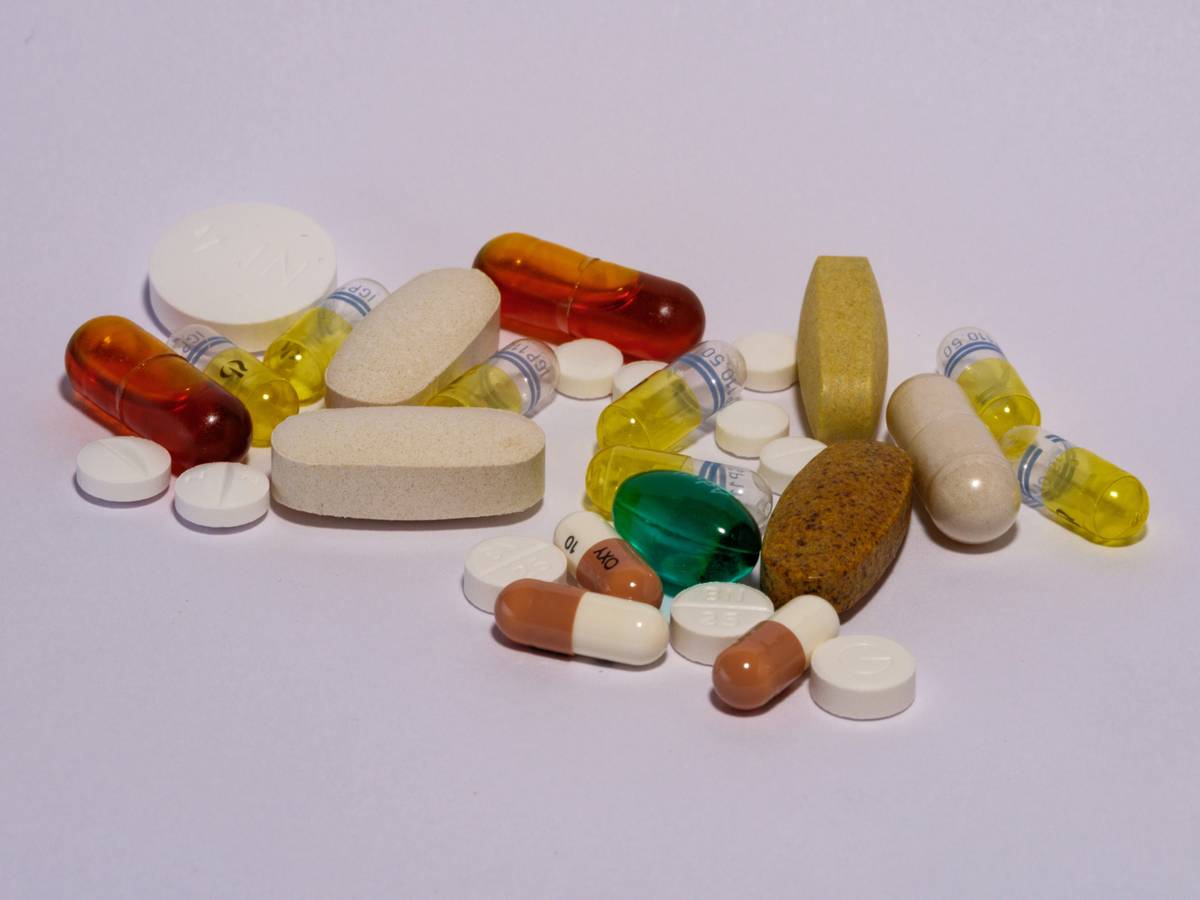
DIETARY supplements are often promoted as natural ways to boost health or performance, yet high doses of certain nutrients, like vitamin A, can be harmful.
Photograph courtesy of Unsplash/Haberdoedas
Pain relievers provide quick relief for headaches, fevers or aches, but overuse can strain the liver. “Always follow recommended doses,” Lozada advises. Common over-the-counter pain medications are generally safe when used correctly, but taking more than advised can cause serious liver damage.
Dietary supplements are often promoted as natural ways to boost health or performance, yet high doses of certain nutrients — like vitamin A — can be harmful. “It’s better to get nutrients from whole foods, such as leafy greens, salmon and colorful vegetables, rather than high-dose pills,” says Lozada.
Excess weight isn’t just linked to heart disease, diabetes and certain cancers — it can also trigger fatty liver disease, where fat accumulates in liver cells. “This condition often affects people who carry excess weight around the abdomen, have type II diabetes, or lead sedentary lives,” Lozada explains. Managing weight through diet and exercise can reverse this condition.

TOXINS from cigarettes force the liver to work harder, causing oxidative damage and potentially leading to cirrhosis.
Photograph courtesy of Unsplash/Lilartsy
Smoking isn’t only harmful to the lungs and heart; it also stresses the liver. Toxins from cigarettes force the liver to work harder, causing oxidative damage and potentially leading to cirrhosis. Additionally, carcinogens in smoke increase the risk of liver cancer. “There’s no benefit to smoking or vaping,” Dr. Lozada emphasizes. “Stopping now protects your liver and overall health.”