




‘2026 IS BTS’ YEAR’: K-pop kings reclaim throne

Text size
KOREAN supergroup BTS.
Photograph courtesy of BigHit Music
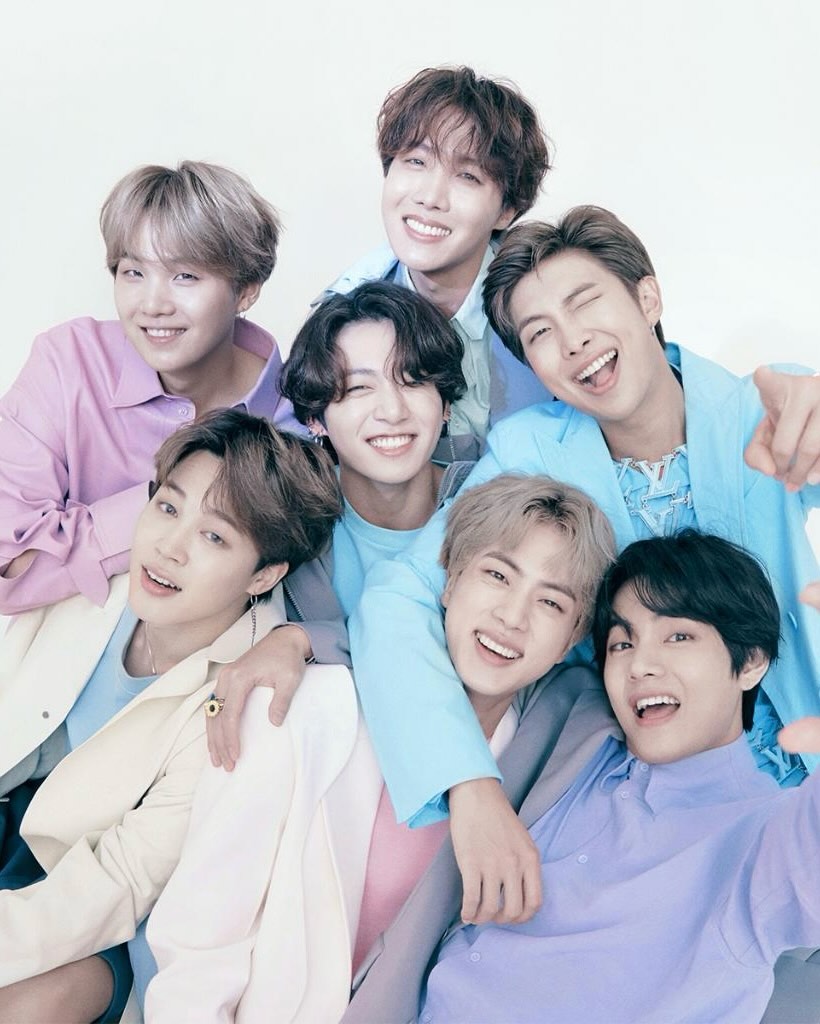
Imagine the K-pop world holding its breath for four long years — then the purple heartbeat ignites as the kings of K-pop, BTS, return.
While the seven-member boy band paused for mandatory military service and soul-stirring solo adventures, the industry bloomed with stunning rookies, chart-topping hits and viral performances. New groups slayed with immaculate visuals and catchy tunes, but there was something missing—that magnetic, soul-shaking energy that only RM, Jin, Suga, J-Hope, Jimin, V and Jung Kook could deliver. These were the “boys” turned idols who transformed strangers into global families, ignited revolutions through song, and dominated every headline with a single word: borahae.
Now, the wait is shattered like glass under a “Mic Drop.” On 20 March, BTS will release their fifth studio album — a breathtaking 14-track masterwork born of the septet’s altered spirits after years apart.
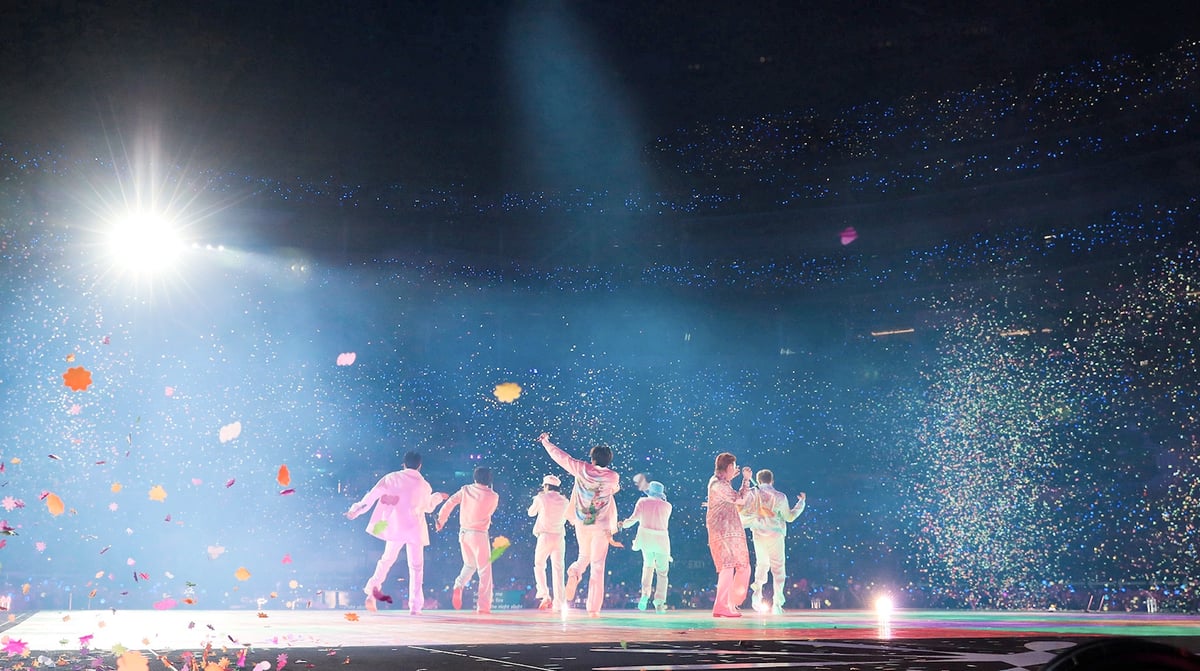
BigHit Music describes it as a raw, uncensored canvas of “what BTS is thinking right now,” marking the group’s first full-length release since their sabbatical. This is more than just a comeback; it’s a triumphant roar. BTS is reclaiming the throne with a gigantic world tour — 79 spectacular shows across Asia, Europe and North America, staged in jaw-dropping 360-degree arenas. It’s expected to be one of 2026’s biggest events, pulsing with the long-suppressed enthusiasm of fans worldwide.
K-pop never cooled down — far from it. Global dominance blazed on, but without BTS, it felt like a fireworks display missing its finale. Critics and fans agree that no one replicates them. According to Yale sociology professor Grace Kao, “BTS remains the most recognized name in K-pop. Ask any average American to name one group — it’s BTS, every time.”
Their true gift lies in creating music that doesn’t just entertain, but heals, unifies and sparks conversations that transcend cultures.
Grammy glory?
Insider rumors suggest an even bolder ambition: BTS’s first Grammy win, the lone accolade missing from their glittering trophy collection.
They’ve conquered the AMAs (American Music Awards), BBMAs (Billboard Music Awards) and more, earning four Grammy nominations so far — but that golden gramophone still beckons. Music critic Lim Hee-yun reveals, “They’ve stockpiled self-penned gems, elite A&R collaborations and global demos. This album screams Grammy bait — a ‘Dynamite’-level smash for the masses, layered with daring B-sides that bare their souls.”
The timing couldn’t be better. A March release allows eight months of nonstop promotion — radio spins, Billboard takeovers, U.S. interviews and summer festival spotlights. After missing the 2026 cutoff, those packed U.S. tour dates could clinch live-performance categories and propel them toward the 2027 Grammy Awards — their golden window.
Billboard predicts that this post-military milestone will unleash a tsunami of revenue from tours, merchandise, licensing, albums and streaming. The fan-fueled ripple effect — especially in major markets like the Philippines — will be immense. Recall how Taylor Swift’s Eras Tour lit up Asian cities in 2024, generating billions in spending on lodging, transportation, food and retail as fans crossed borders? That same fervor is poised to return with BTS’ 2026 world tour.
Airlines will scramble. Hotels will sell out. Local businesses — from street food vendors to souvenir shops — will flourish for the love of ARMY. Filipino fans, known for their devotion, will drive a surge in travel, hospitality and transportation, even if some journey overseas, as they did for Swift’s Singapore shows. This is the economy of joy, where every “I Purple You” sign uplifts both wallets and souls.
And yet, it’s not just about money.
The purple wave has gathered strength through years of waiting. Now it crashes forward, ready to rise again.
The kings have returned home.
Buddies, associates? One happy family?
A traditional dish called zongzi is served during China’s Dragon Boat Festival, which falls in June. It is a rice…
Divina credited the firm’s achievements to its members, thanking them for their ‘hard work, dedication, teamwork, and…
‘Sec. Vince Dizon, please explain how this finding of your own team should not be flagged as a ghost project in Taguig.’
