




Philippine real estate trends to watch in 2026


Text size
RESIDENTIAL sector

INDUSTRIAL sector
RETAIL sector
HOTEL sector
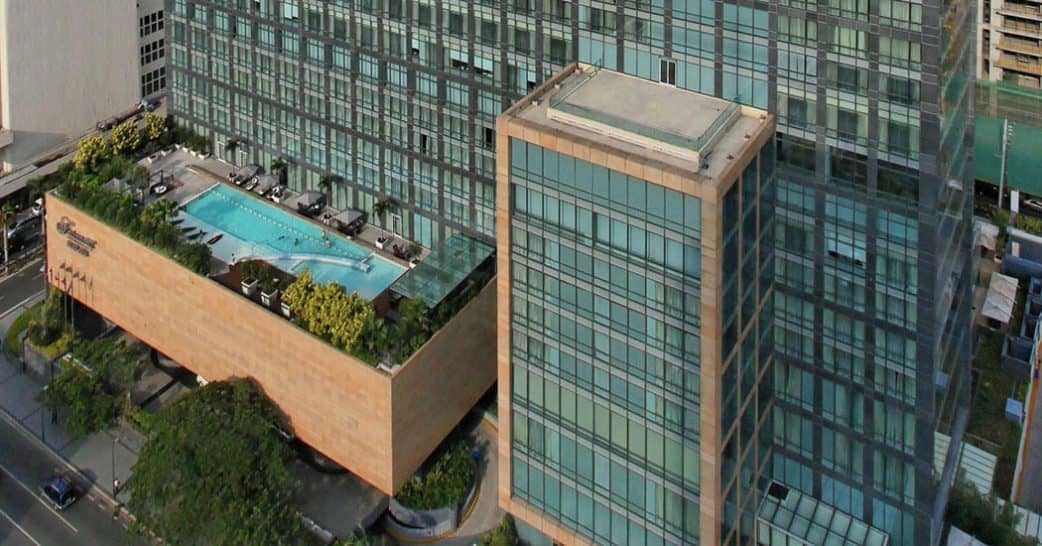
PHOTOGRAPH COURTESY OF FAIRMONT MAKATI
Metro Manila’s property development continues to evolve, according to Colliers’ market outlook for 2026, which highlights trends shaped by consumer behavior and strategic investments.
In a recent article by Joey Bondoc, director for Research at Colliers, he identified five key sectors expected to dominate the real estate landscape next year.
Office sector
Metro Manila is projected to see 350,000 square meters of new office space from 2026 to 2028, driven by sustained leasing momentum from both outsourcing and traditional firms. Colliers notes, however, that this is still significantly lower than pre-pandemic levels.
The prime Central Business Districts (CBD) in Makati and Bonifacio Global City (BGC) are leading the rental recovery, maintaining high demand and premium rates. Makati’s Ayala Avenue, along with BGC’s high-end residential condominiums, vibrant retail and dining options, and prestigious international schools, continue to strengthen the office landscape. Meanwhile, Cebu, Pampanga, and Iloilo are also emerging as active business hubs.
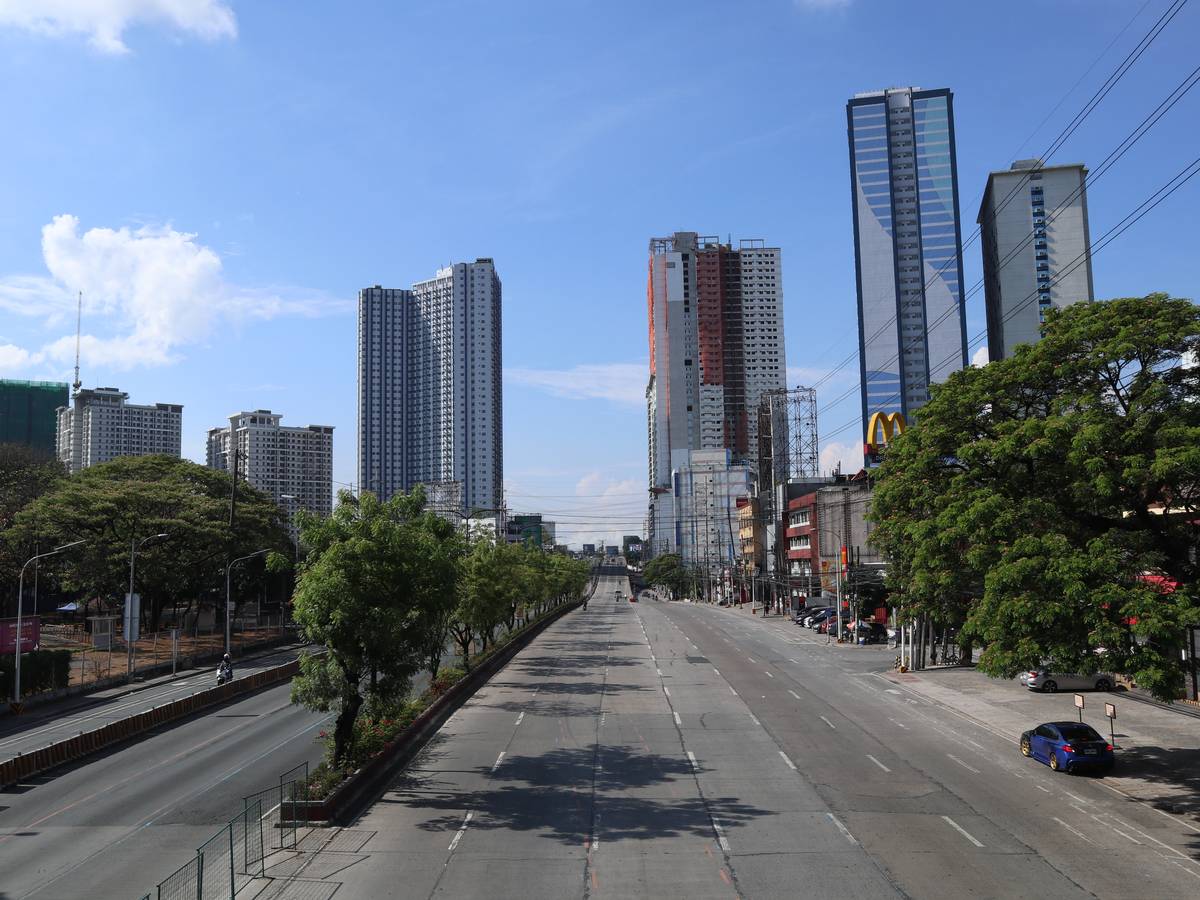
Residential sector
Currently, 30,000 residential units are unsold and ready-for-occupancy in Metro Manila. Colliers noted that developers are employing strategies such as “attractive promotions, extended payment terms and rent-to-own schemes to capture mid-income buyers amid elevated mortgage rates.”
The C5 Corridor and Katipunan are seeing peak residential demand, with some select projects achieving up to 100 percent take-up. These areas are popular due to proximity to schools, universities, shopping centers, restaurants and convenient connectivity to business districts like Ortigas and Makati.
Industrial sector
Central Luzon dominates industrial real estate, with 870 hectares expected from 2026 to 2028, four times the pipeline in Southern Luzon.
A key factor driving growth is the 99-year land lease law, which makes long-term industrial land agreements more secure and attractive to investors. This boosts the Philippines’ competitiveness, attracting foreign companies in sectors such as semiconductors, automotive manufacturing and renewable energy.
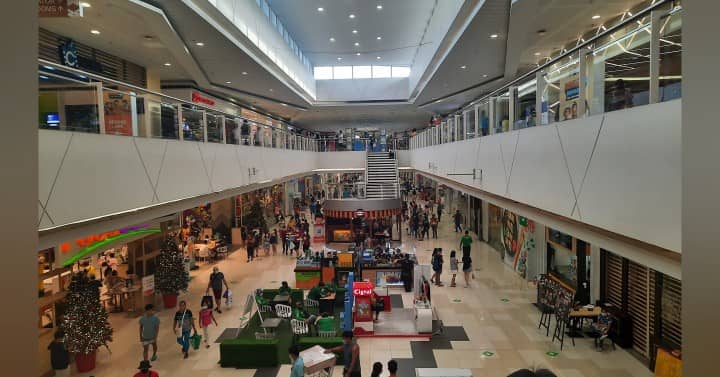
Retail sector
Retail vacancy rates are projected to fall below 10 percent by the end of 2026. The entry of foreign brands increases competition and attracts more foot traffic, while aggressive mall refurbishments modernize facilities and enhance the customer experience.
Beyond Metro Manila, developers are expanding into emerging urban centers such as Cebu, Pampanga, Bacolod and Davao, tapping into growing consumer markets outside the capital.
Hotel sector
Approximately 3,000 new hotel rooms are expected in 2026, particularly in the Bay Area and Makati, where OneKey Michelin hotels, Fairmont and Raffles are located. Business operators are also targeting local travelers, driven by the growth of MICE (Meetings, Incentives, Conferences and Exhibitions) events.
Colliers emphasizes that “capitalizing on retail refurbishments and innovative residential promotions” will be crucial in maintaining a competitive and vibrant real estate market in the Philippines in 2026.
Tinio: Billions funneled into lump-sum aid programs
Before politics, the pressures of public life, and the Presidential Palace, Ferdinand “Bongbong” Marcos Jr. remembers a…
When a Tennessee woman was sentenced to death in 1996 for murdering a 19-year-old student the year before, she remained…
Records from the Anti-Money Laundering Council (AMLC) showed that Cale88 Foods Corp., a firm linked to Vice President…
