Located in Barangay Santa Fe, the small school for Aeta children is 27 kilometers away from Olongapo City. While its students and teachers are used to reaching the school on a motorcycle, it’s a different story for Cruz and workers of Subic EnerZone when they delivered and installed the 10 solar panels on the roof of one of two BES buildings in October.
Rough road
During Cruz’s return trip to BES last month, local officials, CitySavings Bank and Subic EnerZone representatives, other guests and her team arrived hours late for the 8 a.m. ceremony as their convoy of SUVs and pickup trucks took time to find a safe route across the dry Sto. Tomas River to reach the school.
Around this time of the year, the Sto. Tomas River is a sandy expanse, solid and passable. The speeding vehicles kicked up clouds of dust from the unpaved road, obscuring the landscape. A narrow strip of wet and soft sand then stalled the convoy. Wary of getting stuck in the mud, the vehicles did not pass and turned back instead.
San Marcelino Vice Mayor Christopher R. Gongora led the convoy to another route. Another impassable gap blocked the way but the next route finally completed the crossing.
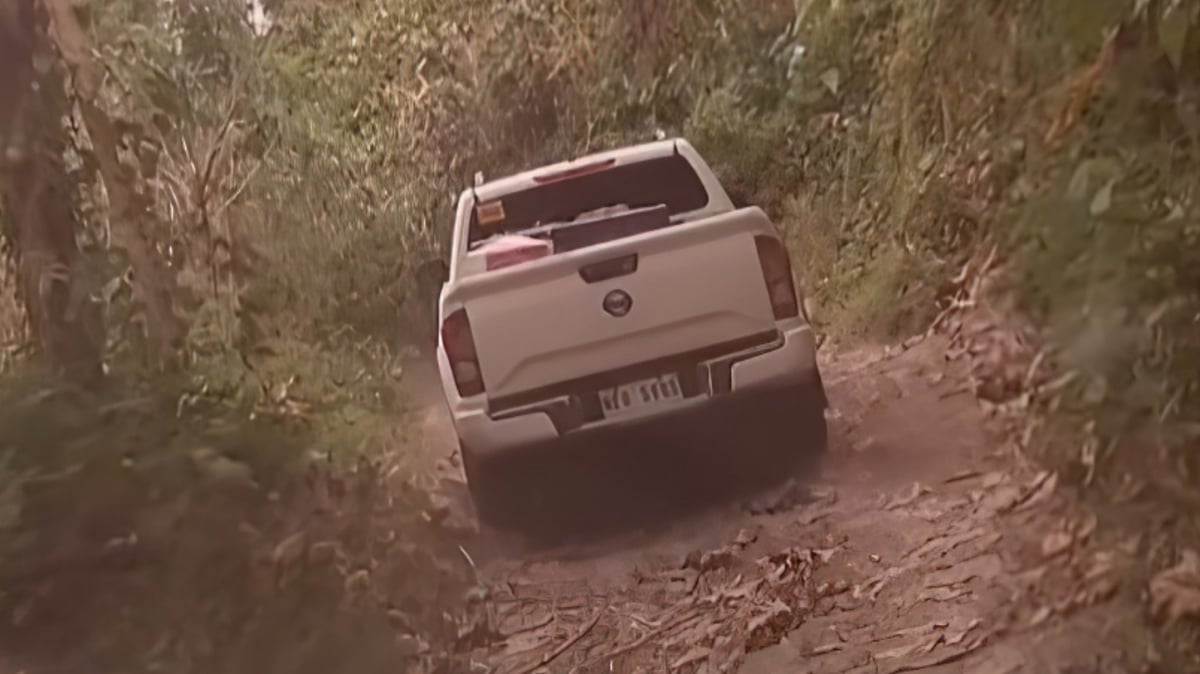
Past the river bank, the bumpy ride begins. The convoy squeezed through a narrow path of dirt trail fenced by heaps of cut trees and trunks that scratched the metal sides of the passing SUVs.
As the convoy snakes through the rugged terrain, the cars were bouncing and shaking left and right. Terrestrial turbulence ceased at the end of the trail and only then that the drive turned smooth and steady until the IP school appeared.
When the guests and officials arrived at the BES, it was worth the wait for its young students, their teachers and parents.
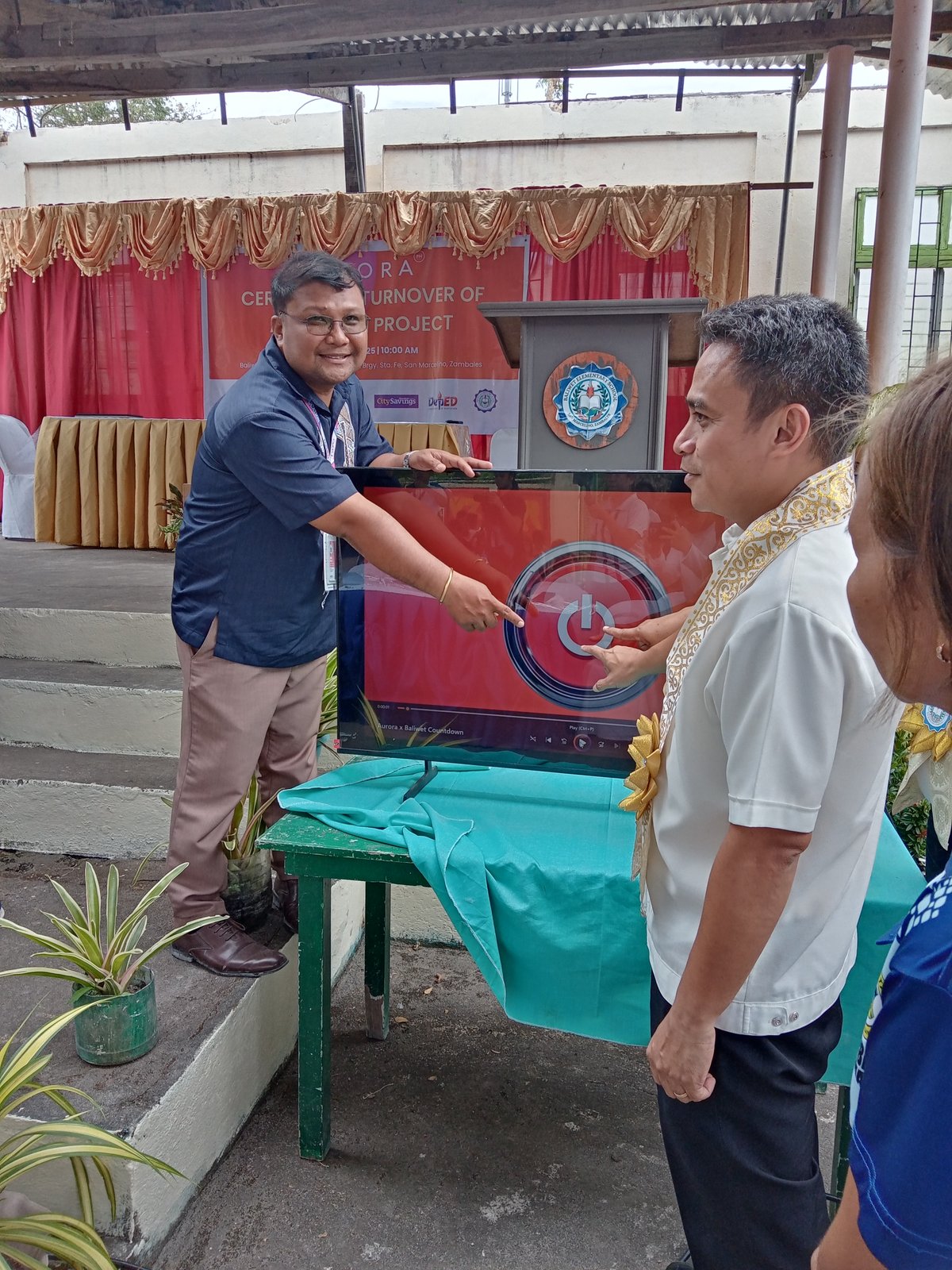
The national anthem was played, a prayer was recited, speakers spoke and students danced before the ceremonial switch-on and late lunch capped the ceremony.
Self-fulfillment was enough for Cruz and company to overcome another round of bumpy ride in the same hard route when they left the school in the afternoon. They know the BES students and teachers are now in better hands with the stable electricity and Internet helping them to efficiently learn and teach.
The difference between off-grid charity and AuroraPH is that electricity from the former is not sure to reach an LMS while in the latter it would be delivered by the Aboitiz Foundation and its partners by hook or by crook. No matter where the LMS is located, the daredevil AuroraPH team are ready to overcome obstacles to reach a remote school and accomplish its mission, just like how they did it for BES.