
Skullpanda steps into immersive art in Singapore
In ‘Cage-Uncage,’ Xiong Miao does not offer a single answer or escape route. Instead, she places viewers in front of the same doors as Skullpanda, asking them to confront their own choices.

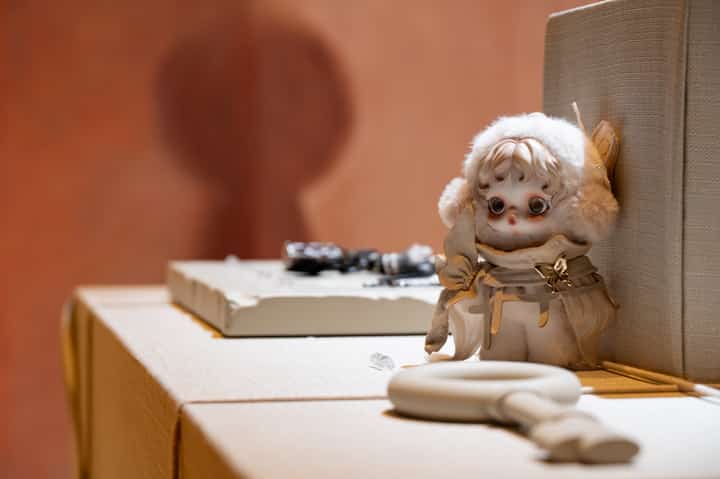
For Chinese multidisciplinary artist Xiong Miao, art has always been a way to question the invisible structures that shape modern life. Social expectations, emotional habits and self-imposed limits quietly form the “cages” we live in, even as we search for escape.
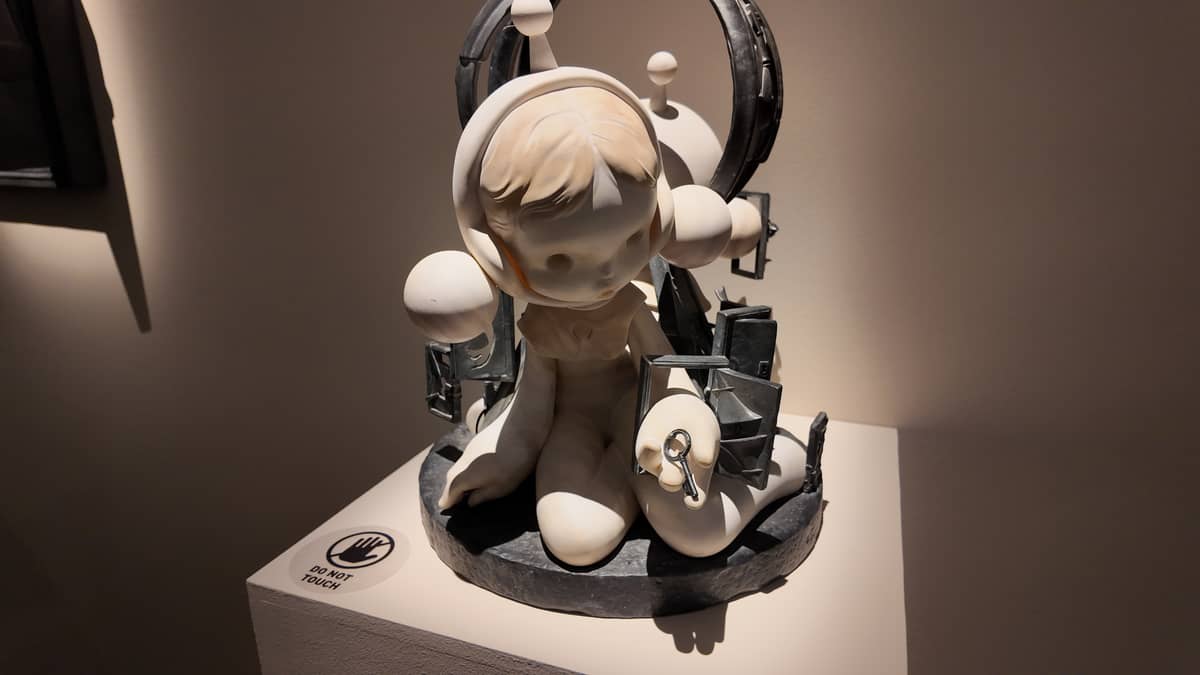
EMOTION
Known for translating these abstract tensions into striking visual narratives, Xiong brings her contemplative worldview to Singapore in a new immersive installation that blurs the line between pop culture and contemporary art.
Central to her practice is Skullpanda, the wide-eyed character she created in 2018 that has since evolved into a global cultural icon. While Skullpanda is best known through collectible figures, Xiong has consistently treated the character as a philosophical vessel — one capable of expressing vulnerability, contradiction and quiet rebellion. In her hands, Skullpanda becomes less a product and more a mirror, reflecting the emotional landscapes of those who encounter it.
That evolution is precisely what Cage-Uncage sets out to explore. Jointly created by Pop Mart, the National Museum of Singapore and the Singapore Tourism Board, the Singapore-exclusive installation reframes Skullpanda through a more artistic and experiential lens — one that moves beyond the display case and into lived space.
“We have progressed very rapidly because we share the same common goal,” Kevin Zhang, head of Brand Partnerships (APAC) at Pop Mart, told DAILY TRIBUNE. “We hope to really present something more artistically driven and more contemporary within a very heritage building. We are very glad we built up this partnership and managed to deliver this exhibition in Singapore for the first time as well.”
Set within the museum, Cage-Uncage uses the familiar image of a “room” as both setting and metaphor — representing the walls that protect, define and confine us. The exhibition unfolds across seven immersive spaces, each designed as a threshold rather than a destination.
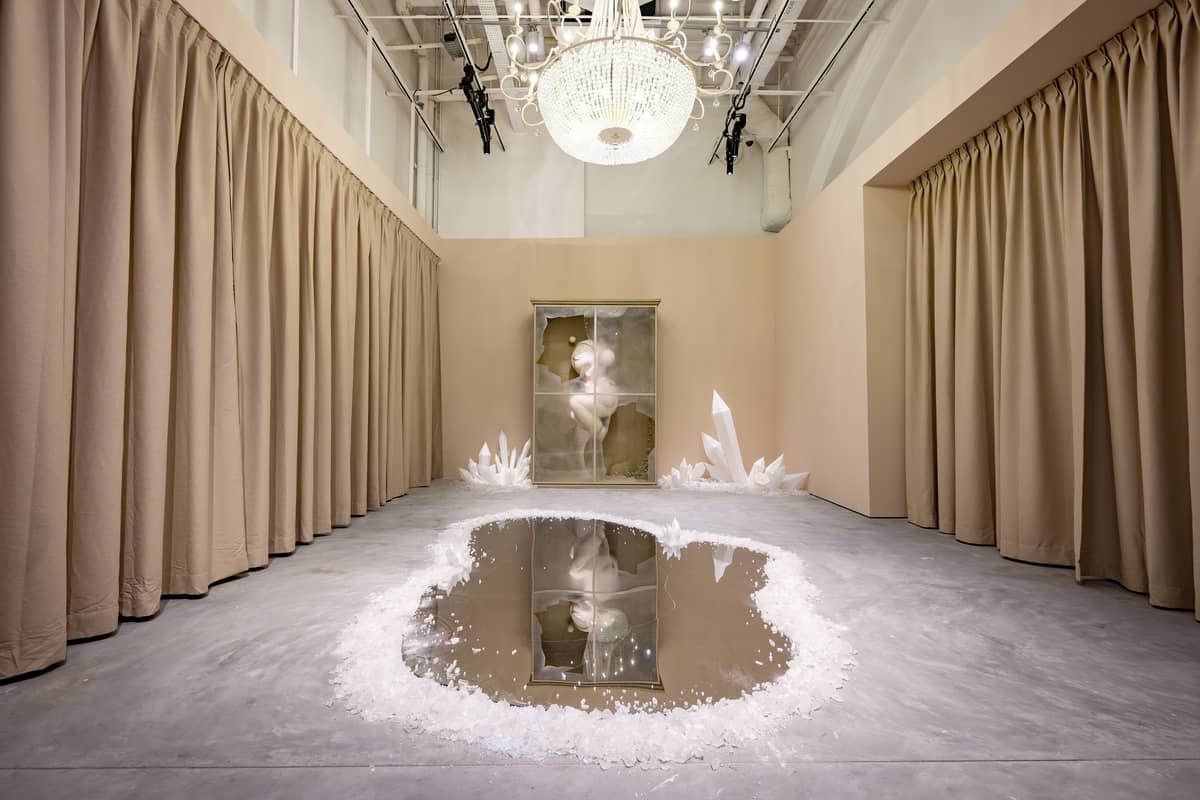
FORTUNE
Moving from one room to the next, visitors encounter distinct yet interconnected environments that explore themes of emotion, direction, fortune, rules, life and exploration, all bound together by the recurring motif of choice. Together, the seven rooms form a nonlinear journey — one that mirrors Skullpanda’s passage through confinement and possibility, while encouraging audiences to reflect on their own paths to freedom.
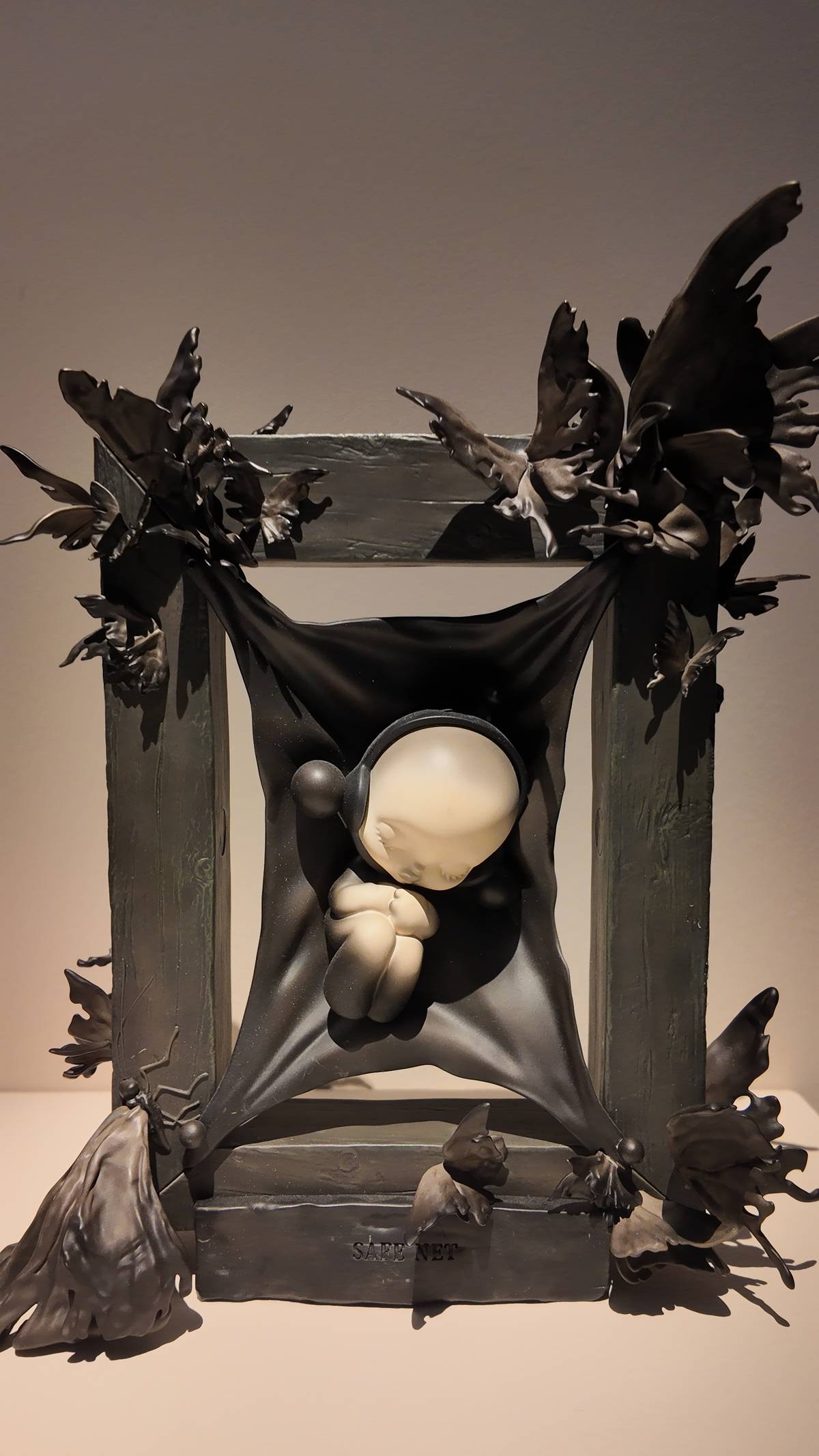
DIRECTION
“What we are trying to present is the artistic side, really — to acknowledge the talents of the artist collaborating with Pop Mart,” Zhang explained. “We also want to showcase a more inspirational and artistic perspective of our IP characters, so they are not just existing in physical products but through a different art form and through a different medium, and to present a more personal, connecting experience, rather than just a commercial, transaction-driven activity.”
Suspended birdcages reference the once-common practice of bird singing in housing estates, where communities gathered to appreciate prized songbirds — echoing the shared enthusiasm found today among collectible fans. The cages hold prototype figurines from Skullpanda The Paradox Series, which inspired the exhibition, while a specially-created video artwork sees Xiong’s butterfly motif glide through familiar Singapore landmarks before settling at the National Museum of Singapore.
Across its installations, Cage-Uncage turns abstract ideas into sensory experiences. A mirrored, prism-like key suggests access to multiple realities; shifting shadows explore emotional tension; crystals and reflections question our relationship with wealth; spinning tops and scales probe time, order and imbalance. In its final moments, visitors are invited to physically interact with a rotating cuboid — transforming confinement into exploration through touch and perspective.
While the exhibition marks Skullpanda’s first major installation of this kind in Singapore, Pop Mart sees it as part of a broader regional vision.
“It’s really fascinating — there are strong cultures in the Philippines as well,” Zhang added. “If the content is right, and if the venue is a good platform to deliver a proper experience to fans in the Philippines and nearby countries, or even older Pop Mart fans, we’re definitely looking forward to identifying a project we can deliver there.”
In Cage-Uncage, Xiong Miao does not offer a single answer or escape route. Instead, she places viewers in front of the same doors as Skullpanda, asking them to confront their own choices. The riddle, the exhibition suggests, is not the cage — but what we do when we realize the key has been in our hands all along.
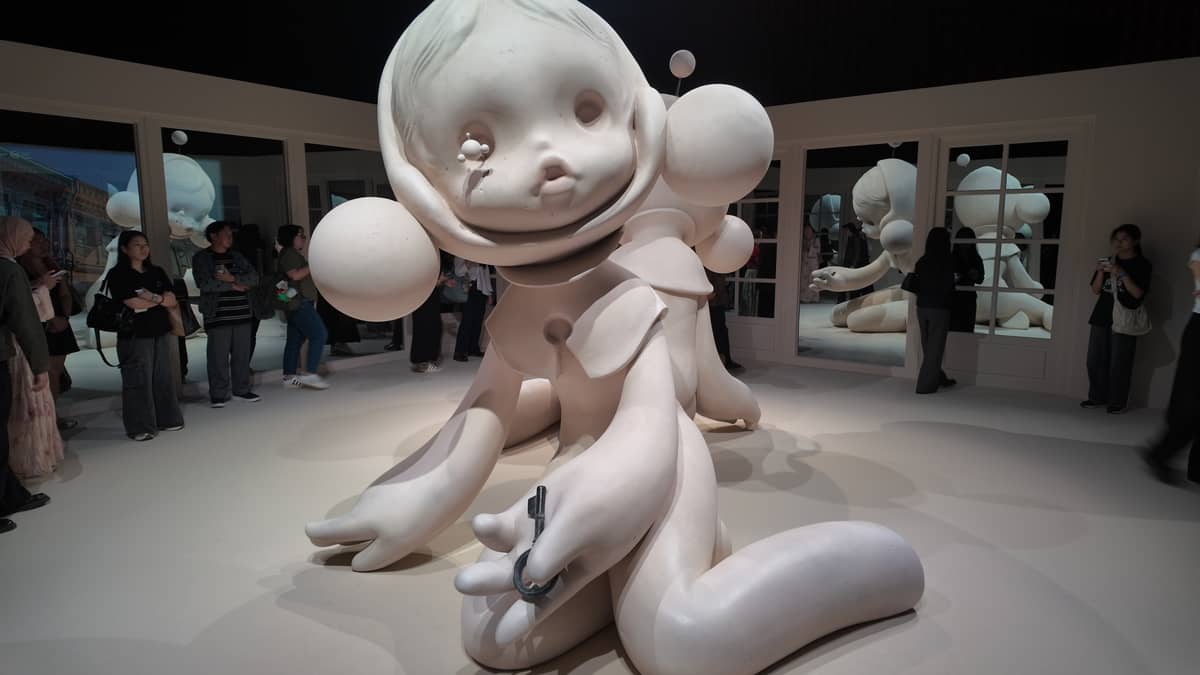
THE Room.
PHOTOGRAPHS by pauline SONGCO for DAILY TRIBUNE