




Legarda backs year-long state of calamity, urges stronger climate resilience

Text size
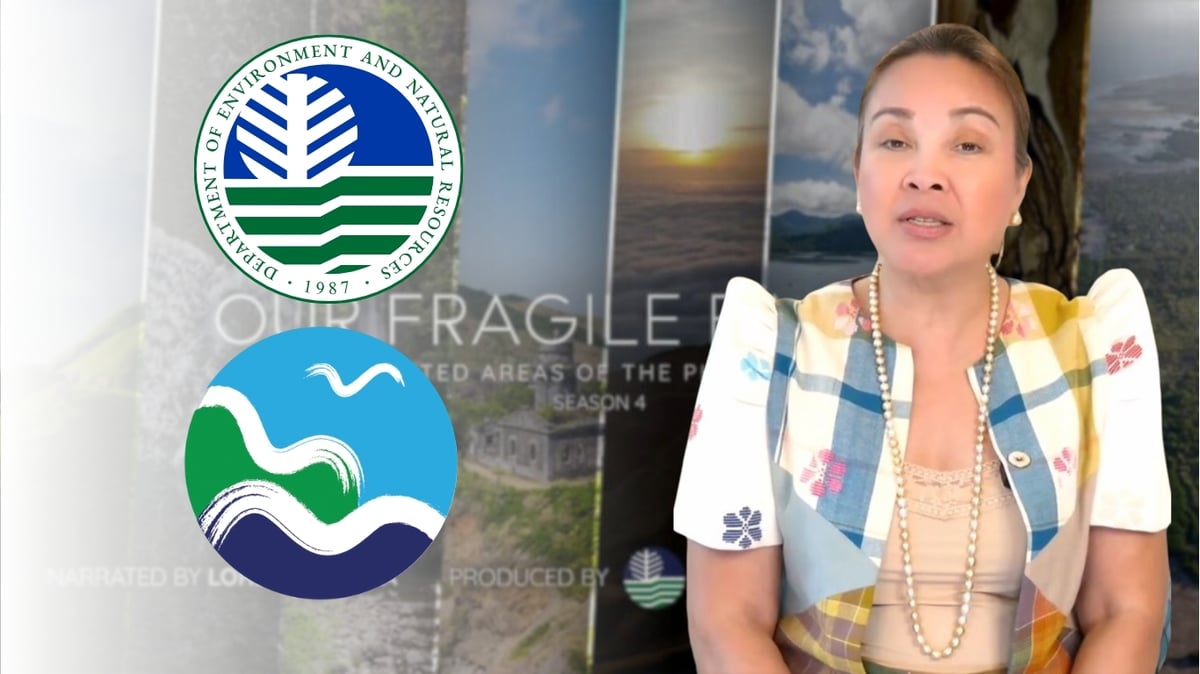
Senator Loren Legarda on Monday said the declaration of a one-year state of national calamity could be a crucial step to protect lives and accelerate relief and rehabilitation for communities affected by natural disasters.
“It is well within the power of the Executive to declare a state of calamity,” Legarda said.
“Under the Philippine Disaster Risk Reduction and Management Act of 2010, which I co-sponsored, the President may declare a state of national calamity upon the recommendation of the NDRRMC. What matters now is that this declaration truly hastens the protection of lives, as well as the delivery of relief, repair, and rehabilitation for affected communities,” she added.
Legarda also underscored the need for long-term disaster risk reduction and climate resilience.
She noted that while the Philippines consistently ranks among the highest in the World Risk Index, natural hazards need not automatically become disasters if the country reduces its vulnerabilities.
“We must restore our ecosystems and strengthen local resilience so that typhoons do not continue to result in the tragic loss of life and livelihood,” she said.
The senator outlined several nature-based, science-driven measures that can significantly mitigate disaster impacts, such as restoring and protecting forests, mangroves, wetlands, and watersheds to act as natural shields against storm surges, flooding, and landslides.
She also emphasized the need to stop illegal logging and deforestation while ensuring the planting of native species in upland and watershed areas.
Legarda stressed the need for strict enforcement of no-build zones and regulating quarrying and development in high-risk geohazard areas, as well a keeping rivers, esteros, and drainage channels unobstructed to prevent flooding.
She also pushed for strengthening early warning systems and pre-emptive evacuation measures.
“These are science-based, cost-effective, and community-centered measures. They are not new ideas. We already have the laws,” Legarda said. “What is required now is full, consistent, and sustained implementation, from national agencies, to LGUs, to communities.”
President Ferdinand Marcos Jr. earlier declared a one-year state of national calamity to accelerate relief and rehabilitation efforts after Typhoon Tino devastated parts of the country.
In Proclamation No. 1077, signed on Nov. 5, the President emphasized the need for coordinated aid delivery to affected communities. He directed government agencies to carry out urgent disaster response measures to save lives, ensure public safety, address health impacts, and provide basic subsistence needs.
Post-disaster recovery efforts will focus on restoring normalcy, improving facilities, and supporting livelihoods in affected areas.
The proclamation also allows national and local governments to release funds for rescue, recovery, and rehabilitation programs, and mandates coordination with the private sector and international partners.
Law enforcement and the Armed Forces of the Philippines are tasked with maintaining peace and order in the hardest-hit areas.
“The State of National Calamity shall remain in force unless earlier lifted by the President,” the proclamation states.
