
CINEMALAYA REVIEWS PART 3: ‘Raging’ and ‘Warla’


‘Raging’
Ryan Machado’s Raging unfolds in breathtaking Sibuyan, Romblon, following a teenage boy, Eli (Elijah Canlas), who seems to be grappling with deep inner turmoil. The film clearly takes cues from Apichatpong Weerasethakul: the long silences, the jungle, the sense of time stretching.
But while it looks like a “slow burn,” it does not feel like one. We’re meant to be immersed in Eli’s interior world, to feel his trauma and silence. Yet the film feels acted out. The camera lingers on him walking ever so slowly, bathing, or staring into space, but the emotion doesn’t land. The long takes feel deliberate and not organic.
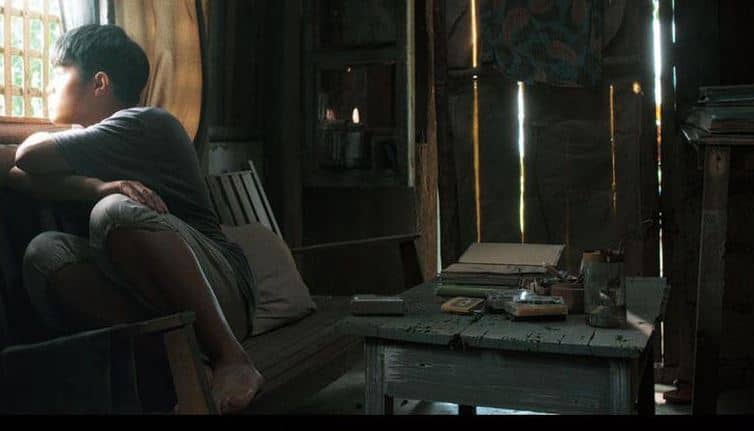
A SCENE from ‘Raging.’
user4
Repeated scenes of Eli scrubbing his skin in the river or wiping away invisible dirt seem intended to externalize trauma, but they come off as performative rather than human. Real “slow burn” cinema makes you feel time expanding with the character. In Raging, the pacing is style, not immersion.
There are hints of abuse, such as environmental, through open-pit mining, and a touch of mystery in the image of a plane vanishing behind the mountains. The production design, however, exposes its artifice. The signages around Sibuyan — from the welcome sign to the “haircut for P20” board — look freshly printed with the same font style, as if made in the same shop, further removing any sense of authenticity.
The dialogue is partly in the Iná language. Ron Angeles, who plays Eli’s friend, is often shot behind rain or blocked angles, as if to conceal imperfect delivery because of unmemorized lines. But his smaller moments feel natural.
Still, it’s a beautiful film to look at. Theo Lozada’s cinematography is stirring: Eli’s face bathed in the glow of burning oil, the night scene beneath a mosquito net, the soft, glistening rain, the play of light on skin, mountains, and trees. But even this beauty turns static; the stillness holds no tension, and the images don’t breathe.
While Raging confronts an urgent subject — male sexual abuse — it remains emotionally thin. The film stretches a fragile narrative for the sake of austerity. Even the rain-soaked confrontation near the end, meant to evoke life-or-death urgency, comes off like a child’s quarrel over a toy: “Akin na ’yan!”
What could have been a raw, haunting meditation on pain and silence ends up as an exercise in beautiful emptiness. The shots do not deepen the experience but merely imitate “artiness.”
1 out of 5 stars
‘Warla’
Despite the Philippines being one of the most LGBT-friendly countries in the world, its cinema has long treated queerness mainly as comic relief. Kevin Alambra’s Warla tries to turn that around. The crime drama portrays trans lives through dead-serious drama. But the result is bizarre, dark and disturbing.
The story, loosely based on true events, follows a group of transgender women who use dating apps to lure rich men, rob them with violence and use the money to fund their sex reassignment surgeries in Thailand.
The main character, teenage Kitkat (Lance Reblando), joins the group after the death of her mother figure, Lanie. Reblando is sincere but unconvincing as a teenager; her babyish tone of voice feels forced.

CAST of Cinemalaya movie ‘Warla.’
user4
KaladKaren, on the other hand, is excellent. Her face speaks volumes even in silence. Niel Daza’s cinematography is also a standout, particularly in the opening death scene of Lanie and the sequences where Kitkat is haunted by memory.
Beautifully shot and well-acted in parts, Warla is morally and emotionally lost. It expects sympathy for its violent criminals. Their desperation to undergo sex reassignment surgery is understandable, but does that justify brutality? The film might have worked better as dark comedy — less self-serious, more aware of its own absurdity.
What does Warla contribute to the audience? If the trans community already faces marginalization and violence, this film indirectly reinforces prejudice and may even fuel homophobia. Even if their victims are flawed men, crime is still crime. This isn’t Ocean’s Eleven, where the fun lies in cleverness and teamwork without bloodshed.
The experience becomes even more sickening when the characters laugh and bond, as if shared trauma erases the horror of their actions.
Regardless of gender identity or orientation, a criminal is a criminal. No one is entitled to commit violence.
While some films find humanity even in outlaws, Warla has none. It’s just a hollow darkness that reduces the trans experience to pathology.
0 out of 5 stars