The teachers who made us doctors


Text size


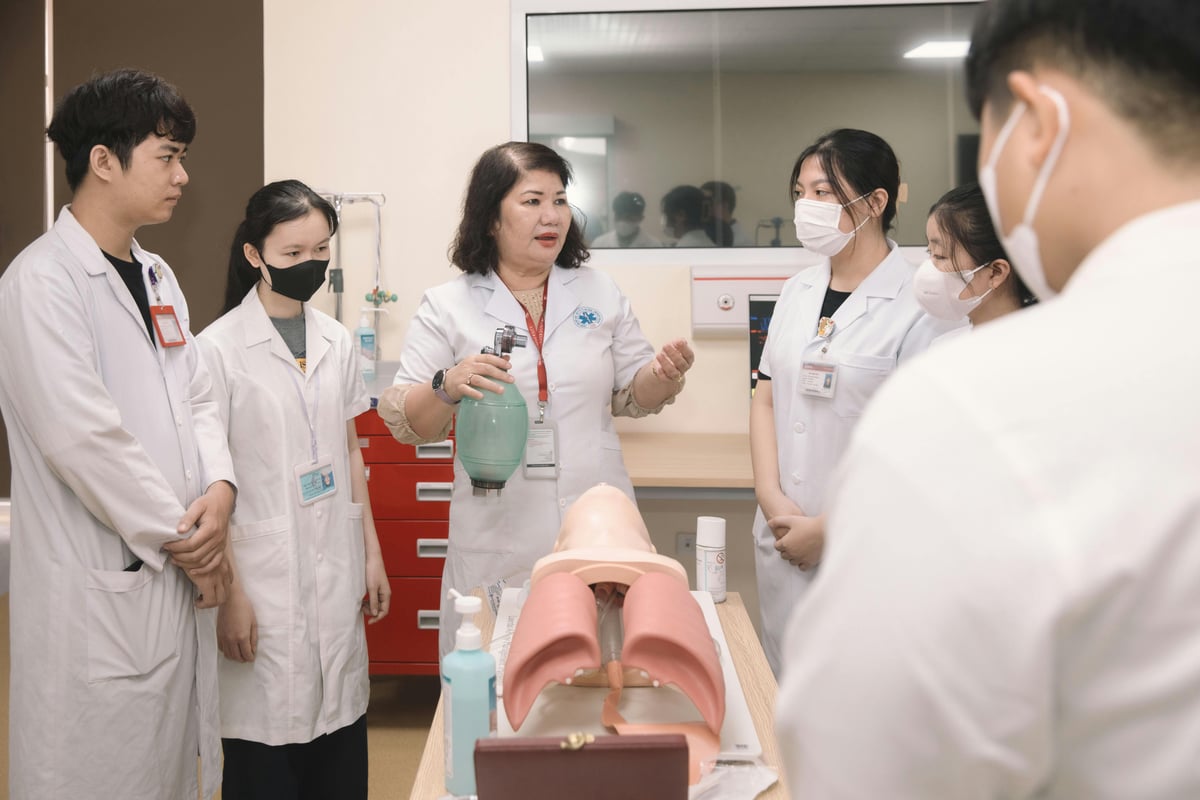
Now that I stand on the other side of the table, I see how teaching and healing blur into one.
PHOTOGRAPH COURTESY OF duy tan/pexels

Teaching in Medicine has always been a quiet act of love.
Photograph courtesy of bermix studio/unsplash
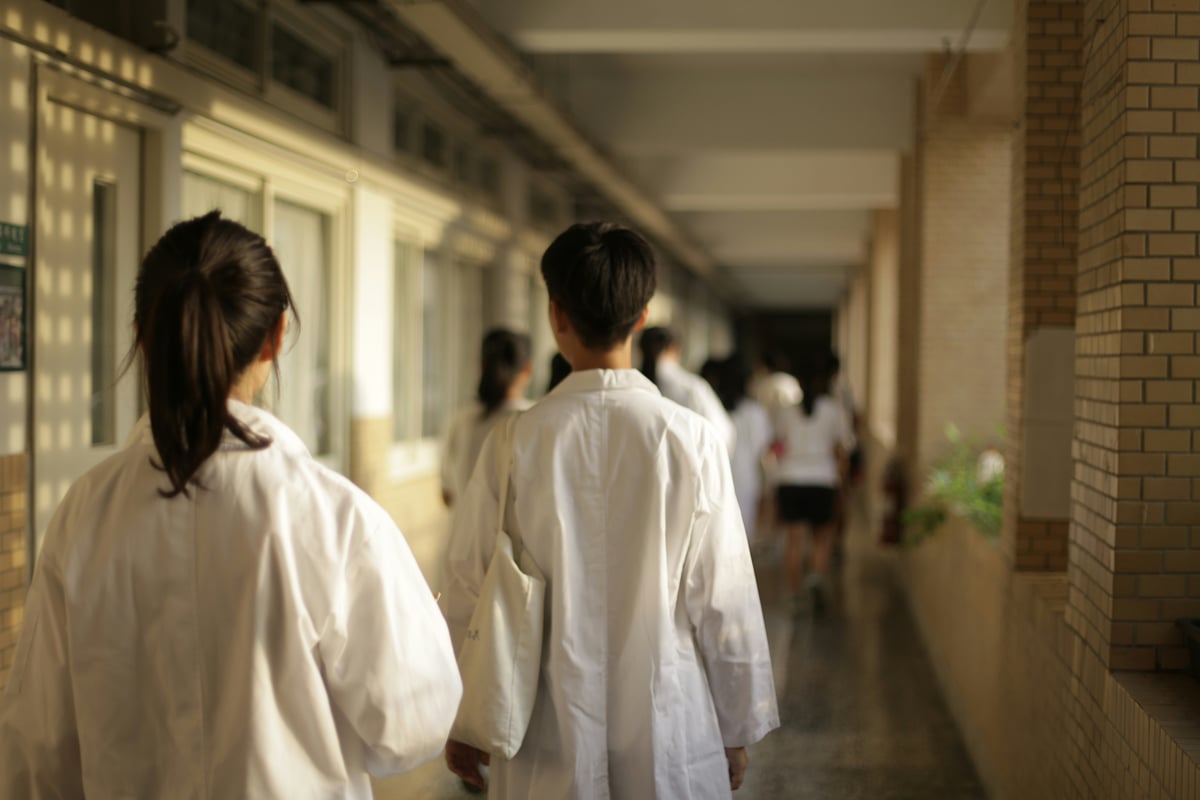
Every doctor carries the fingerprints of a hundred teachers.
Photograph courtesy of EJ LI/unsplash
When I was a young medical student, I thought the people who taught me Medicine were defined by their titles — professors, consultants, chiefs of service.
Years later, I realized that many of my greatest teachers never stood behind a lectern or signed my evaluation form. Some wore white coats, others hospital gowns. A few wore none at all.
Every doctor carries the fingerprints of a hundred teachers. The senior resident who stayed past midnight to show you how to put in a central line. The nurse who quietly reminded you to treat the patient, not the chart. The patient who forgave your inexperience. The janitor who whispered, “Doc, pagod ka na, kumain ka muna.” They all taught lessons that no textbook could hold.
We celebrated World Teachers’ Day recently, a day meant for classrooms and blackboards. But Medicine, too, is a vast classroom. Hospitals are filled with teachers, whether they realize it or not. The consultant who makes you defend every decision until your logic holds. The intern who discovers a new way to make a patient smile. The attending physician who tells you, gently, that sometimes the kindest thing you can do is to stop.
Teaching in Medicine has always been a quiet act of love. There are no medals or plaques for the consultant who spends an extra hour at bedside, nor headlines for the senior doctor who takes time to explain why a patient’s “free” medicine still costs something in dignity. Yet these are the moments that shape future physicians more than any exam ever could.
When I think of my own journey, I remember those who taught with both firmness and faith. At Philippine General Hospital (PGH), one of my mentors would begin rounds by asking not “What’s the diagnosis?” but “What’s the story?” It was his way of reminding us that before the lab results, there was a life. That behind every creatinine level was a person who had sold a chicken or skipped a meal to pay for it. I didn’t realize then that he was teaching me the ethics of empathy — a subject no syllabus includes.
Now that I stand on the other side of the table, I see how teaching and healing blur into one. Every time I explain dialysis to a patient, or reassure a family that not every hospital visit needs a prescription, I am teaching. Every time I remind a young doctor to think of what their patient can afford, I am passing on a lesson that was once given to me.
The irony is that in both Medicine and education, the best teachers are often the most tired. They bear the weight of systems that undervalue mentorship — systems obsessed with metrics, billing and productivity. Yet they keep showing up. Because they know that a single moment of genuine guidance can ripple through generations of care.
We often talk about shortages — of teachers, nurses, or doctors. But perhaps what we are really short of is time: time to mentor, to listen, to explain. In our rush to heal bodies, we forget to nurture minds. We forget that the most sustainable legacy a doctor can leave behind is not a publication or a title, but a better doctor than himself.
So to all those who taught us — in classrooms, in corridors, in crises — thank you. You gave us more than knowledge; you gave us a way to live this calling with grace.
And to those of us still learning: may we never stop. Because every patient who walks through our door is another lesson waiting to be learned, another teacher in disguise.
In the end, Medicine is not just about curing disease. It is about continuing the lineage of those who cared enough to teach. The best of them live on in every calm word we say, every hand we hold, every choice we make when no one is watching.
We may forget their names in time. But their lessons — their voices — stay with us, beating softly beneath every act of healing.