Subsidiaries are also reaping benefits: Radius Telecoms has rolled out tools to transcribe meetings and review contracts; full-service fintech Bayad has automated responses to cut handling time nearly in half; and power generation company Meralco PowerGen is piloting AI agents to streamline complex data processing.
Meralco’s roadmap follows a layered AI stack — from data collection and predictive modeling to generative AI and, eventually, agentic systems capable of planning and adapting in real time. Early pilots include copilots and taskbots for human resources and project tracking, along with Microsoft Copilot now deployed across 50 employees. A new AI Co-creation Workshop has already surfaced 50 use cases from staff, with six “lighthouse projects” selected for leadership backing.
Still, executives cautioned that AI’s risks cannot be ignored. Hallucinations, data privacy breaches, cyberattacks, and bias remain serious concerns. To address these, Meralco has adopted a Responsible AI Policy with clear guardrails and human oversight. The framework reflects its role as part of the nation’s critical infrastructure, where innovation must always be balanced with security and public safety.
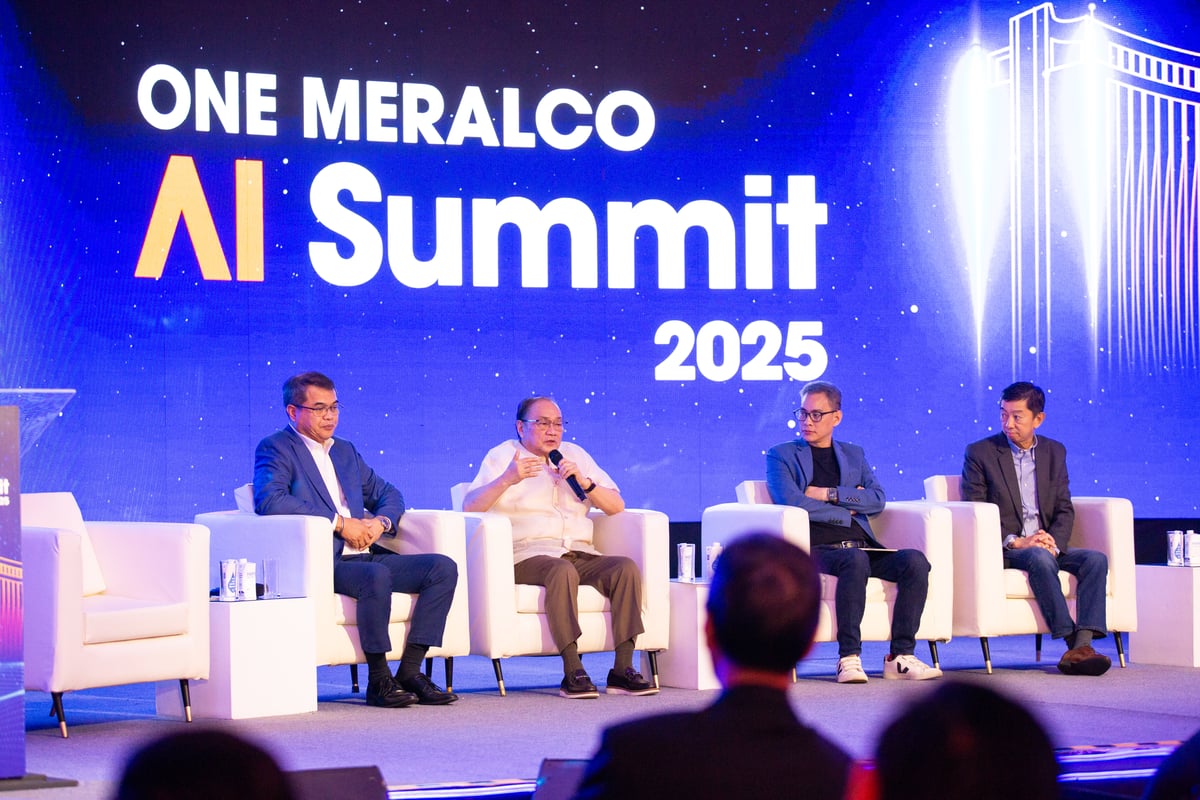
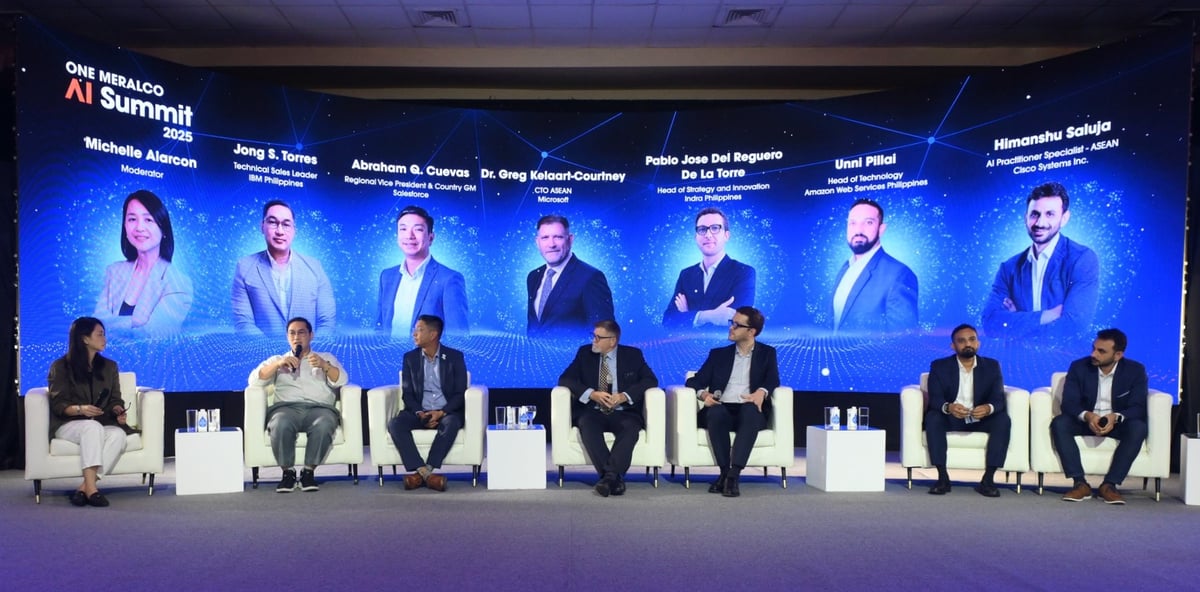
Beyond the technical, the summit embraced a broader vision: AI as a partner rather than a replacement. Executives likened the shift from the early era of “Intel inside” to today’s “AI beside us” — intelligent systems working shoulder-to-shoulder with people.
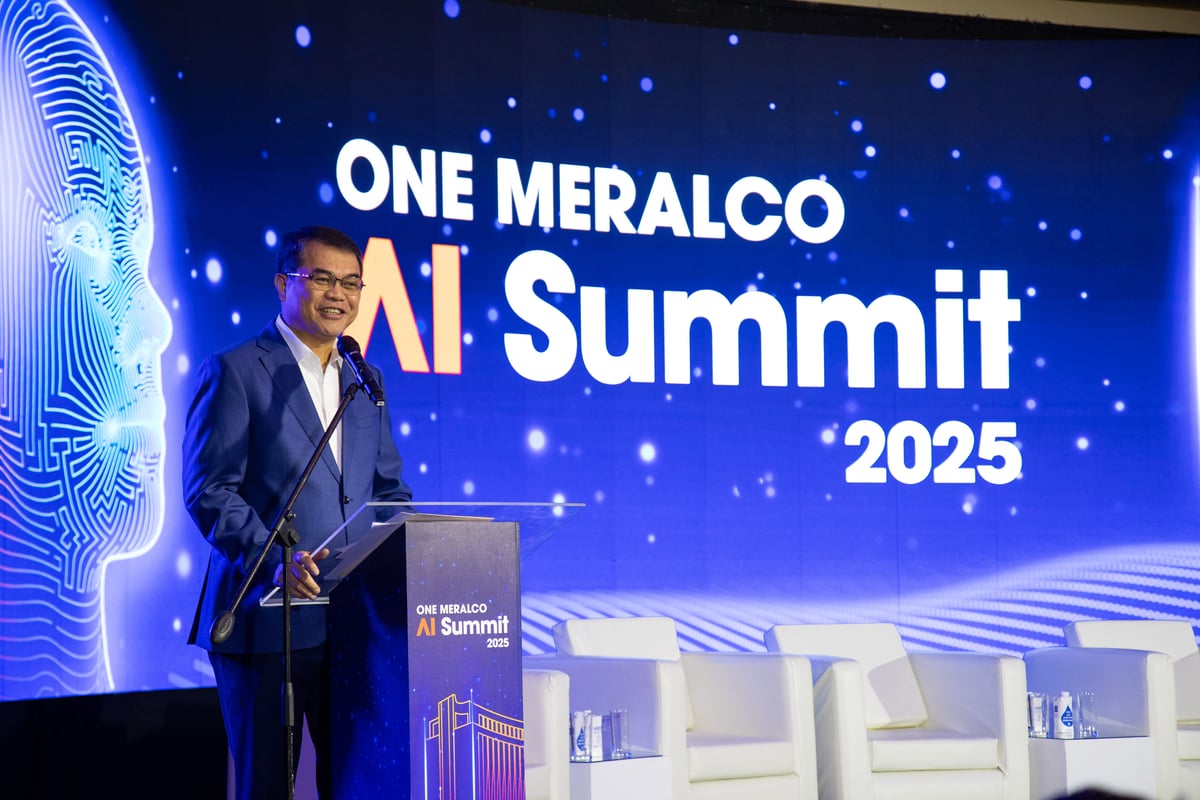
The AI Summit was a declaration of intent: a commitment to harness AI to serve customers better, run operations smarter, and build a more resilient energy future. Pangilinan closed with a call to responsibility: “We are defined by the future we create. AI isn’t about the jobs we lose. It’s about the future we build.”
By fusing human intelligence with artificial intelligence, Meralco is betting it can power not just homes and businesses — but also a cleaner, smarter, and more connected Philippines.