




Digitization takes literacy frontline
Literacy is viewed as a foundation for individuals to acquire broader knowledge, skills, values, attitudes and behaviors.

Literacy is viewed as a foundation for individuals to acquire broader knowledge, skills, values, attitudes and behaviors.
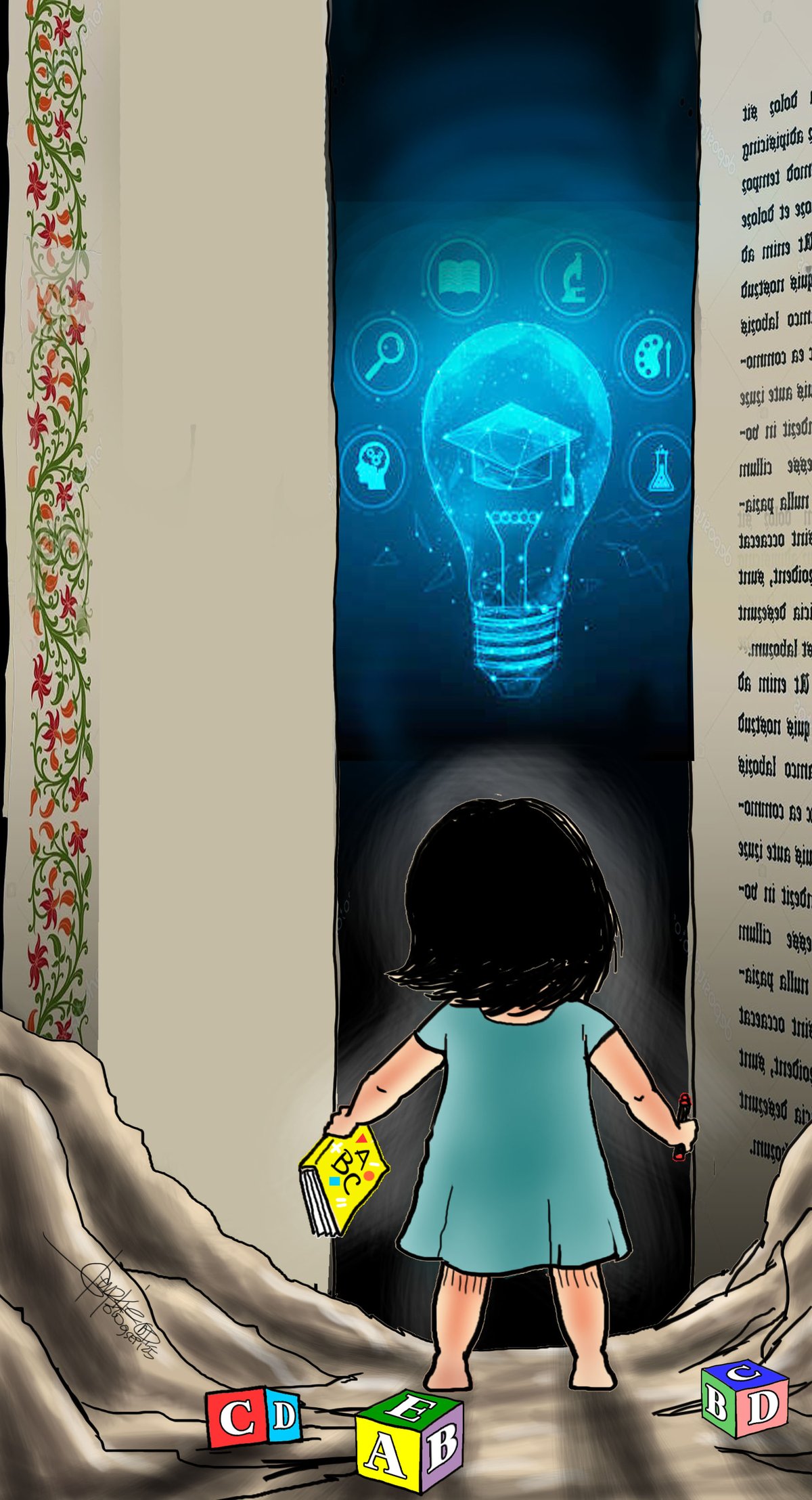
Amid the inconvenient truth that the majority of the Filipino youth, known as GenZs, are becoming functionally illiterate based on a Philippine Statistics Authority (PSA) survey, the celebration today of International Literacy Day, set by the United Nations Educational, Scientific and Cultural Organization (UNESCO) every 8th of September, gains significance.
The occasion carries the theme “Promoting literacy in the digital era,” considering the effect of digitization on the formation of values among the youth.
The celebration reminds every nation that literacy is a fundamental human right, which opens the door to the enjoyment of other human rights, greater freedoms and global citizenship.
Additionally, literacy is viewed as a foundation for individuals to acquire broader knowledge, skills, values, attitudes and behaviors, thereby fostering a culture of lasting peace based on respect for equality and non-discrimination.
UNESCO stated that, despite progress, at least 739 million youth and adults worldwide still lack basic literacy skills as of 2024.
Housing is probably the biggest issue affecting people the world over.
Malacañang on Monday called for a more thorough investigation into the questioned flood control projects in Taguig…
The defense on Monday backed the move by senator-judges to exclude a prosecution witness who testified on the firearms…
Problem among many: Comprehension
At the same time, 4 in 10 children are not reaching minimum proficiency in reading, while 272 million children and adolescents were out of school in 2023.
In the Philippines alone, PSA national statistician Claire Dennis Mapa said that for every nine individuals aged 10 who can read, write, and compute, two have difficulty with comprehension.
Mapa said, in a report, that Tawi-Tawi posted a functional literacy rate of just 33.2 percent, meaning only one in three residents there can read, write, compute, and comprehend.
On the other hand, the Bangsamoro Autonomous Region in Muslim Mindanao had the highest illiteracy rate at 14.4 percent. In comparison, Zamboanga Peninsula (Region IX) had the lowest functional literacy among regions at 59.3 percent.
Surprisingly, Benguet led provinces at 87.9 percent, while San Juan City topped all highly urbanized cities with 94.5 percent.
Despite this, the Department of Education said it is doing its best to formulate better methodologies and approaches, by means of teaching programs by its educators, to alleviate the current situation in the country’s education system.
