
Art of the celebration
Stylists didn’t just decorate the floor; they conjured entire worlds. Some spoke in bold architectural language, others in quiet romance, while younger names told stories of home and heritage. Together, they mapped out what celebration design looks like today—and what it dreams to be tomorrow.

It was no ordinary bridal fair.
Designed as a platform that merges weddings and travel, the recent Let’s Celebrate Expo at SPACE, One Ayala proved that there is more to what we have always known.
The event brought together both local and international powerhouses — Switzerland Tourism, COMO Hotels and Resorts, Ayala Land Hospitality — to reflect how Filipinos are now celebrating love across continents, from Tuscan vineyards to Swiss alpine towns.
Stylists didn’t just decorate the floor; they conjured entire worlds. Some spoke in bold architectural language, others in quiet romance, while younger names told stories of home and heritage. Together, they mapped out what celebration design looks like today — and what it dreams to be tomorrow.
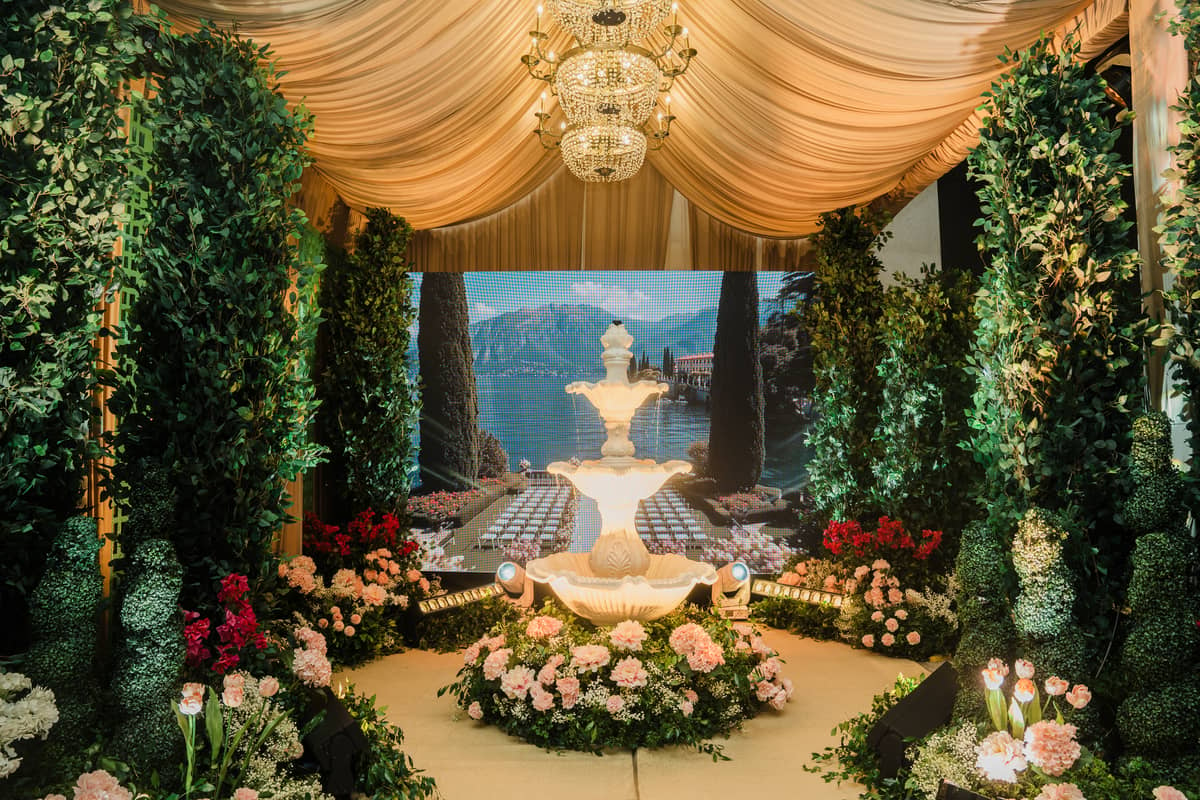
May Manalac.
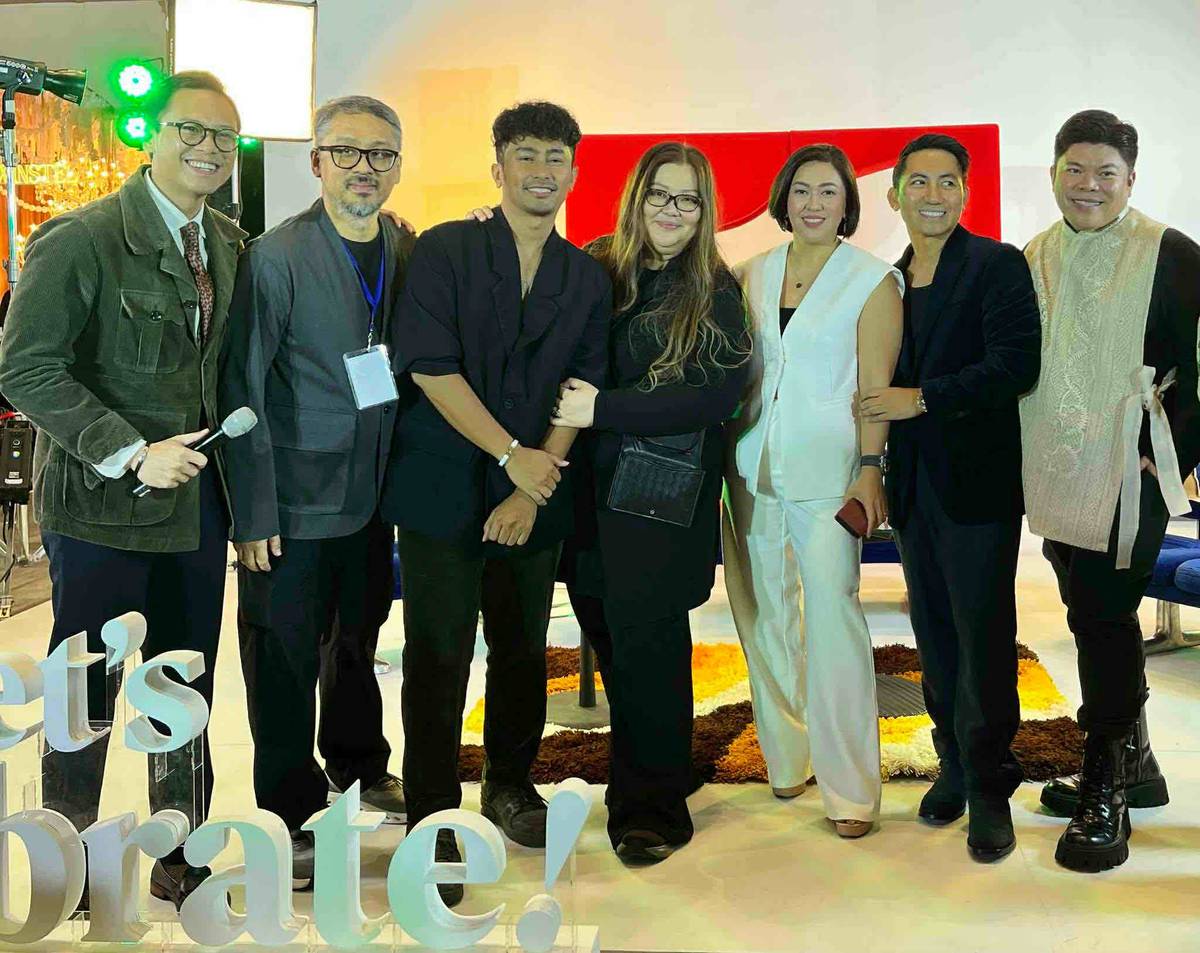
(From left) Kevin Lapeña, Berg Go, Michael Ruiz, Marbee Go, Teena Barretto, Gideon Hermosa and Teddy Manuel.
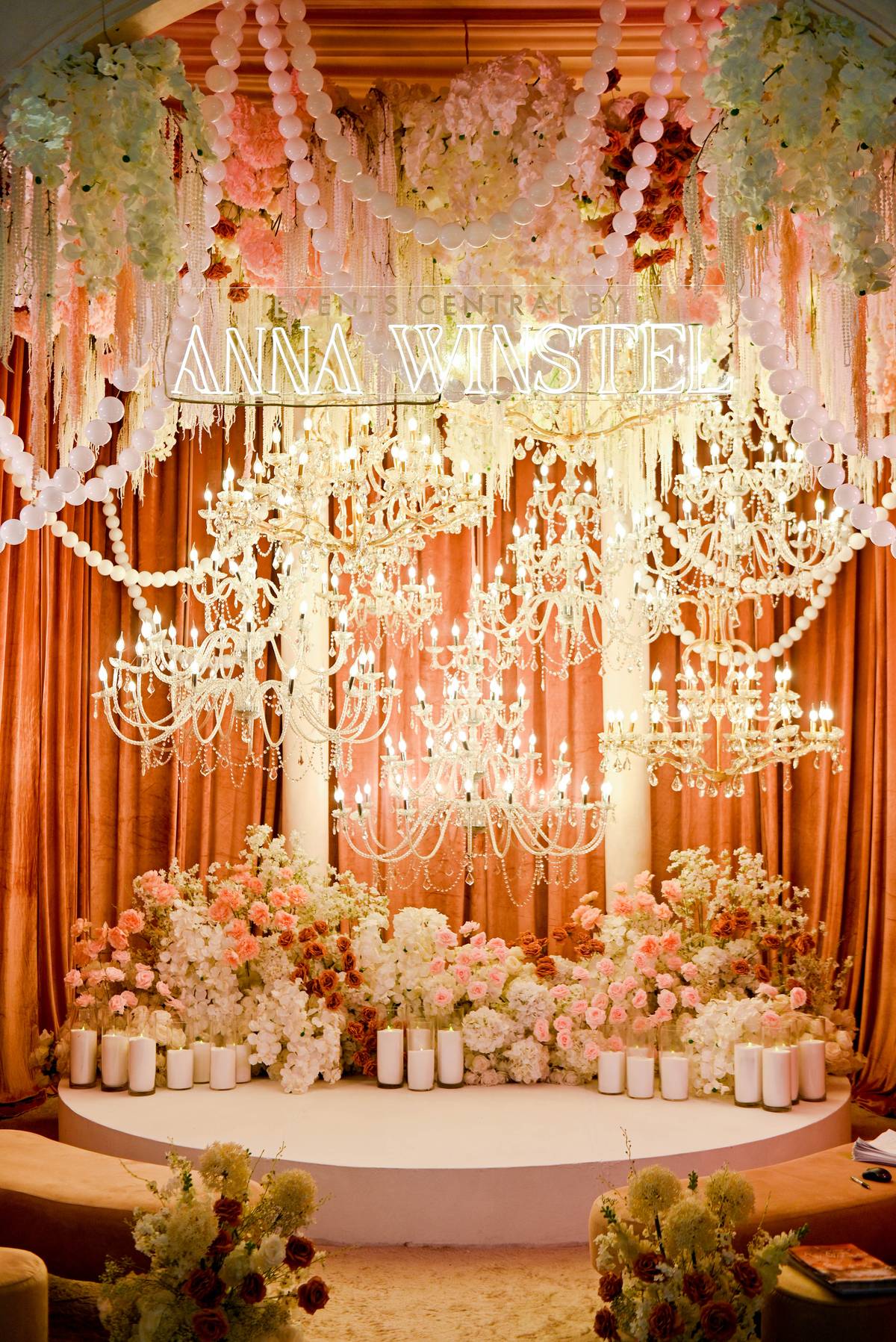
Anna Winstel.
A curator’s vision
At the heart of it all is Marbee Shing-Go, the tastemaker who conceptualized and curated the expo.
With over two decades in the wedding industry — from founding and editing the country’s leading wedding magazine, to producing a wedding show for FOX International Channel, to authoring a wedding coffee table book — her name has become a trusted brand in itself.
Drawing from this legacy and her deep ties to both weddings and travel, Shing-Go envisioned an experience that went beyond the transactional feel of a bridal fair.
Each participant — from international tourism boards to Filipino legends and young voices — was carefully chosen to reflect intent and purpose. In doing so, she changed the way expos are imagined: not simply as marketplaces, but as curated movements that spotlight artistry, advocacy and community.
The icons
Gideon Hermosa cloaked his vignette in crimson and silver, marrying bold drapery, sculptural florals and dramatic lighting. Contemporary and atmospheric, it resonated with couples eager for modern statements.
Michael Ruiz offered quiet refinement with a gold-and-white vignette encased in gleaming walls. Gilded chairs, cascading florals, and geometric ceiling lights created a jewel-box space that glowed with restrained luxury.
Teddy Manuel took guests into a surrealist dreamscape. Entered through a molten chrome keyhole, his circular vignette was draped in fuchsia velvet and glowing orbs. Inspired by Schiaparelli and Alice in Wonderland, and realized through AI visualization, it fused couture and technology in a bold look at the future of styling.
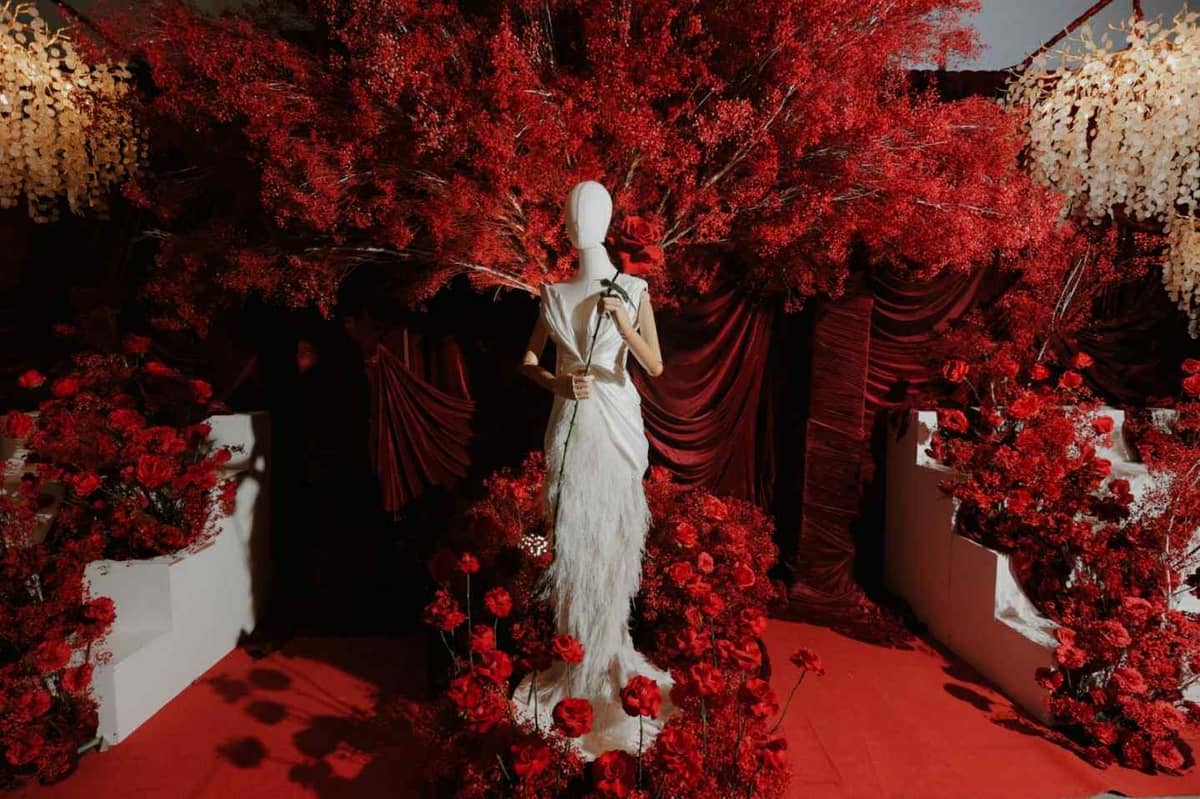
JOHN Robert Flowers
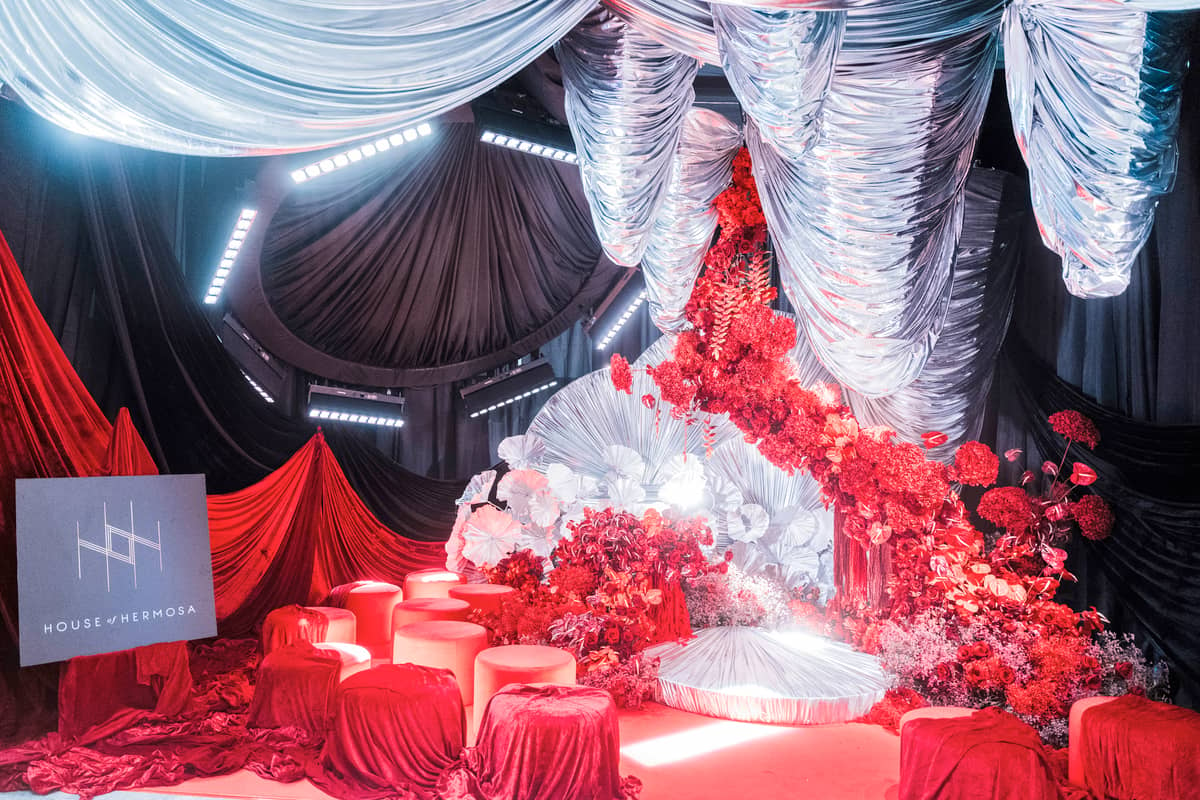
GIDEON Hermosa
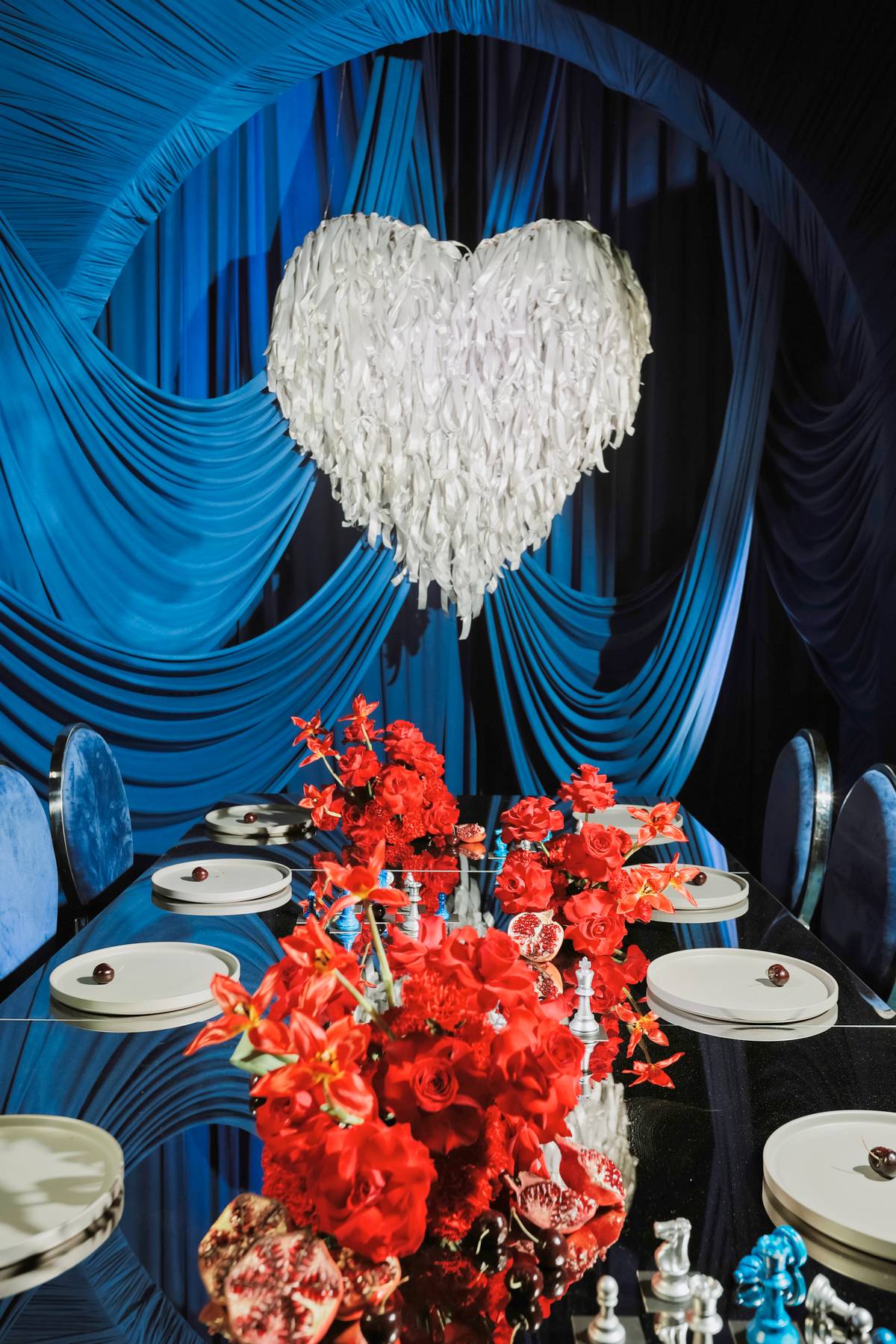
PR Gabriel Custodio.
Women of vision
This year also spotlighted women tylists whose work added nuance and romance — what one might call a “soft girl era magic” — to the expo floor.
Nikki Chatto conjured a lakeside banquet under moonlight: a sleek black table surrounded by jewel-toned florals and the shimmering blue of a crystal lake.
May Mañalac of Eye Candy Manila transported guests to what felt like a piazza on the shores of Lake Como. A grand fountain rose among towering blooms and lush shrubbery, framed by an ornate balcony that echoed old-world architecture. Romantic and timeless, her vignette was a love letter to the idea of gathering in a European square at dusk —reimagined as the perfect backdrop for a modern wedding. It also echoed the expo’s theme: celebrations that bridge the local and the global, where Filipino couples now dream not just of ballrooms but of piazzas and plazas abroad.
Bhem Meijer of Il Fiore reimagined Taal for the city, crafting a garden that expanded endlessly through mirrored walls. Low-lying bright florals kept the look fresh and modern, while white ottomans encouraged intimacy and conversation. It was both immersive and restrained, an homage to a beloved landscape through a feminine lens.
Anna Winstel drew the gaze upward. Draped fabric and floor florals created softness on the ground, but the centerpiece was above: a constellation of chandeliers, baubles, and suspended blooms. Her vignette was a study in vertical poetry, where light and florals floated like stars.
Smitten by Indy Ycasiano, working in collaboration with Megaworld Hotels & Resorts, created a vignette that was as thoughtful as it was beautiful. At its core was the sampaguita — the Philippines’ national flower and Megaworld’s brand icon. Rather than simply using it as a floral accent, Indy wove the sampaguita into every layer of the design. It appeared not only as a centerpiece, but embroidered into table napkins, draped as swag for VIP seats, and echoed in the tablecloth itself. This consistent use of a national symbol turned the vignette into more than styling — it became a story about identity and pride. By anchoring her concept on a flower that symbolizes purity, hospitality, and Filipino warmth, Indy bridged the narrative of weddings with the DNA of Megaworld Hotels. The collaboration with Charlene Co, the group’s marketing head, was key in achieving this balance: a vignette that wasn’t just visually stunning, but also aligned with brand ethos.
Khim Cruz, exhibiting in Manila for the first time, proudly brought Davao to the capital. Giant orchids and waling-walings cascaded from the ceiling, framed by lush tropical leaves. Mossy tablescapes were punctuated with real florals, while napkin rings shaped like waling-walings carried the theme down to the smallest detail. It was more than just design — it was cultural storytelling, layered with identity and regional pride. Khim’s vignette proved that weddings don’t only borrow from global trends — they can just as powerfully draw from the richness of our own landscapes.
Together, these women showed that not all styling must overwhelm. Some of the most powerful stories are told in romance, symbolism, and place.
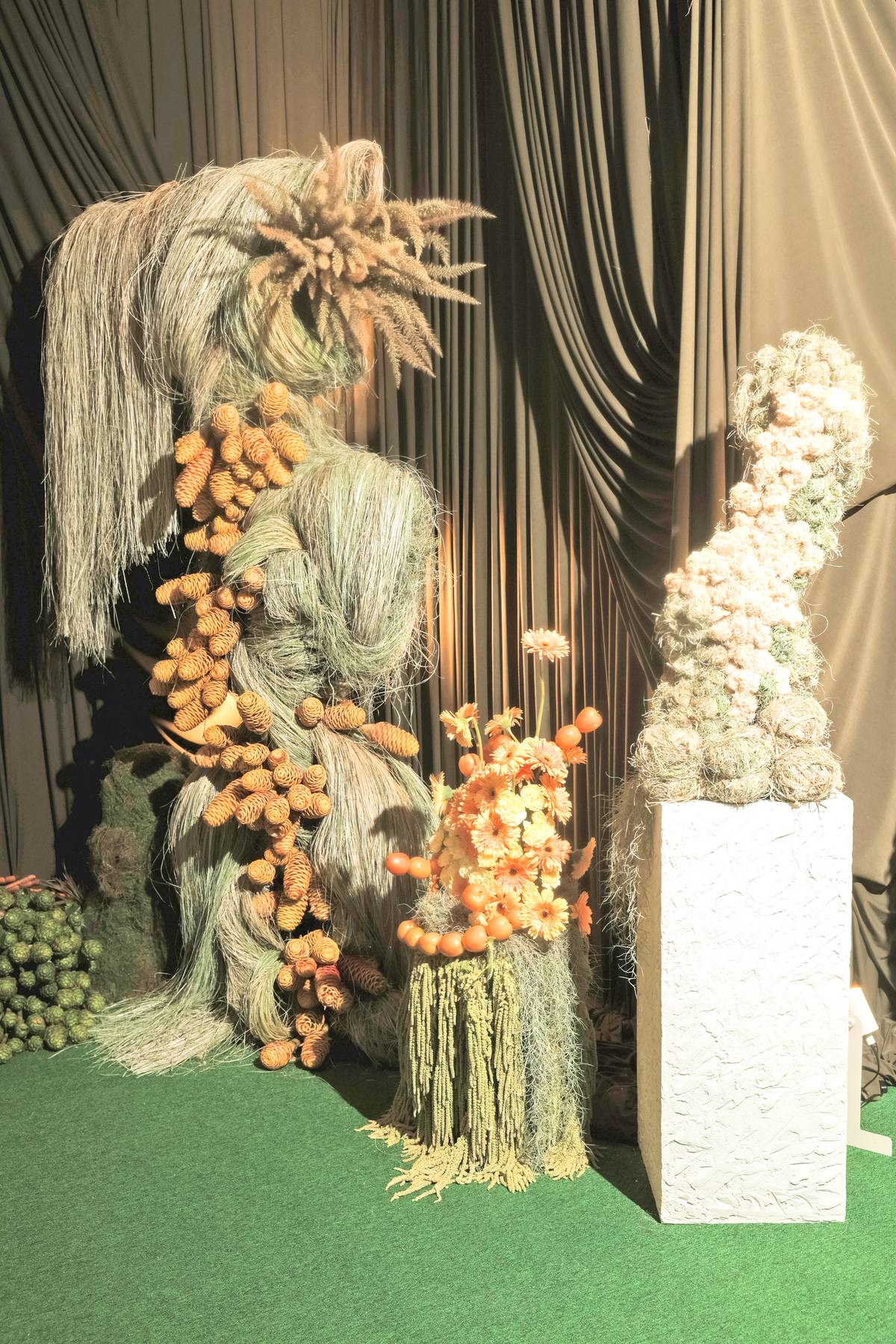
PR JANNA Sanchez
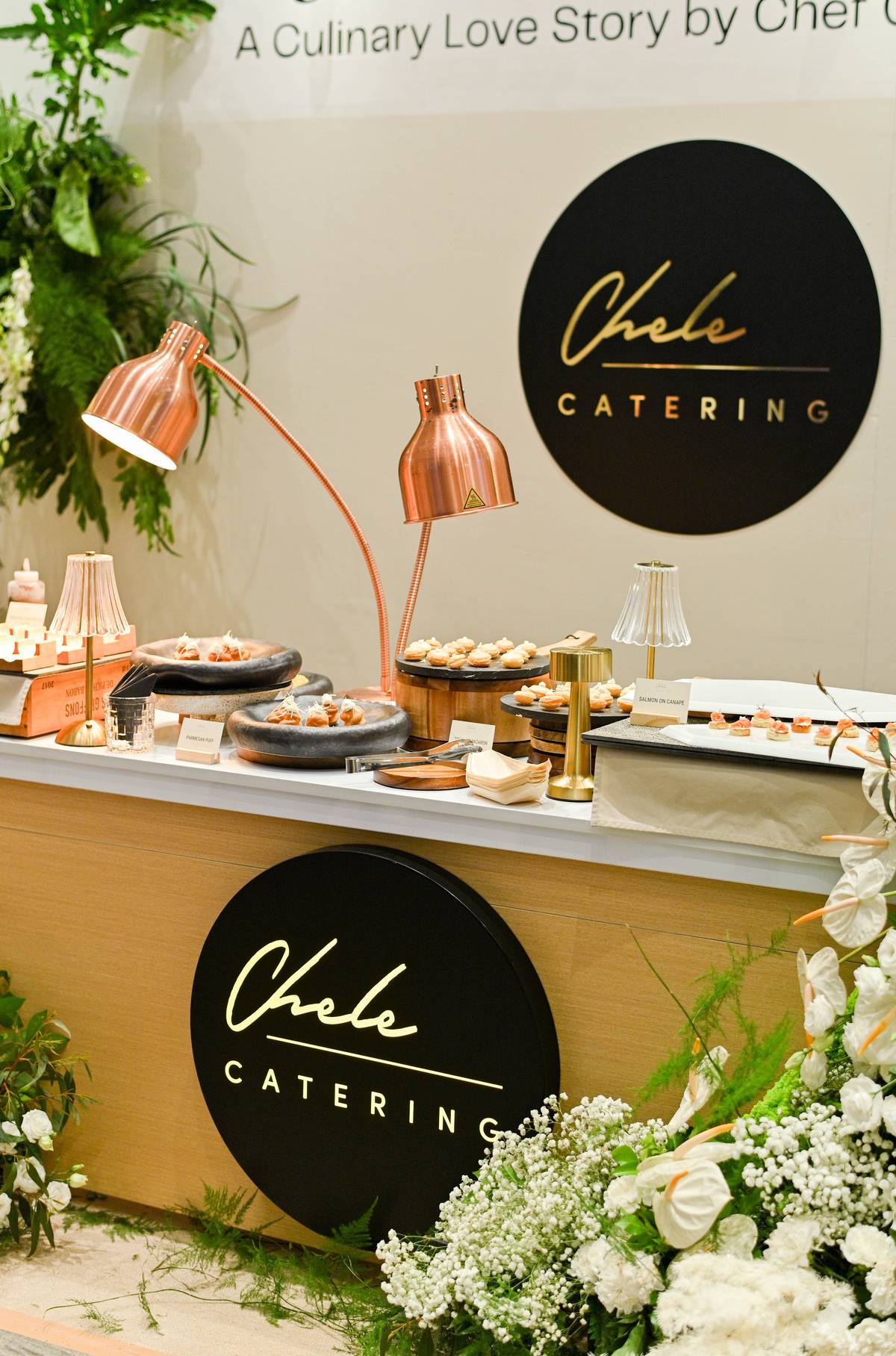
Falling in Between\FIB Chele.
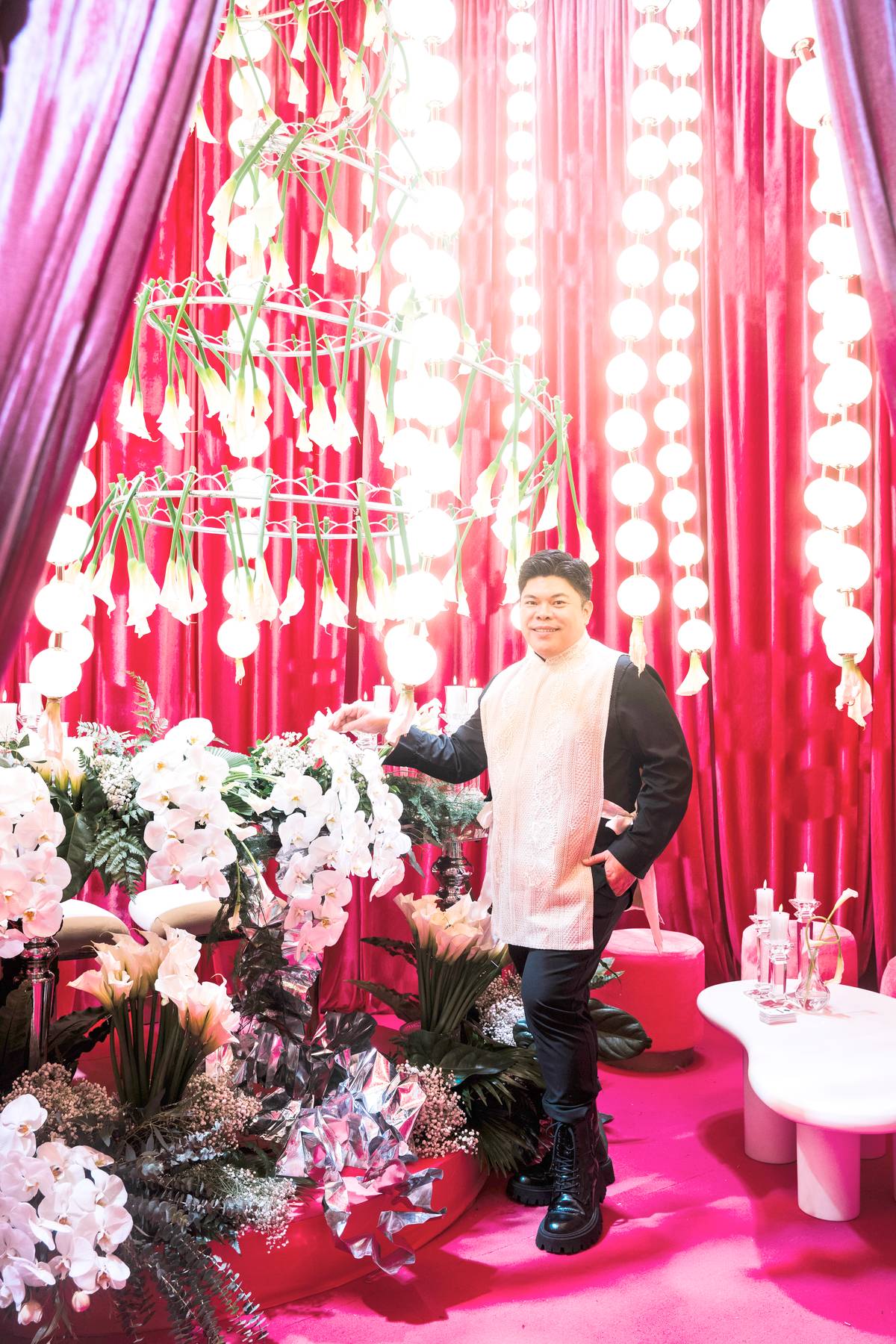
M Teddy Manuel
Young blood
The new generation of stylists pushed boundaries with daring, personal visions.
Gabrielle Custodio, one of the youngest names on the floor, declared himself with fashion-infused bravado. Inspired by Jacquemus, he drenched his vignette in cobalt drapery, anchored by a gleaming silver heart and punctuated with daring red accents. It was bold, cinematic, and unapologetically youthful — an announcement that he is a creative to watch.
Jos Curates pushed the boundaries of form by turning design focus downward. While most vignettes dazzled with ceiling treatments and cascading florals, Jos introduced a flooring concept entirely new to the scene. Reflective surfaces paired with mirror obelisks and gauzy structures created a play of light and illusion, further enhanced by carefully placed fixtures that made the floor itself come alive. It was innovation at its most literal: flipping perspective, and proving that the canvas of styling extends in every direction.
John Robert Flowers chose the language of installation art. His vignette unfolded as a horizontal stage lined with vivid red blooms, layered on steps that led to a central crimson tree. At one end, a white gown offered contrast; at the other, shell-shaped lights glowed as punctuation. The result was sculptural, immersive, and bold — a powerful statement from a voice still early in his journey.
These young voices reminded the industry that the future will not only follow trends — it will invent them.

PR il Fiore.

M COMO Hotels and Resorts.
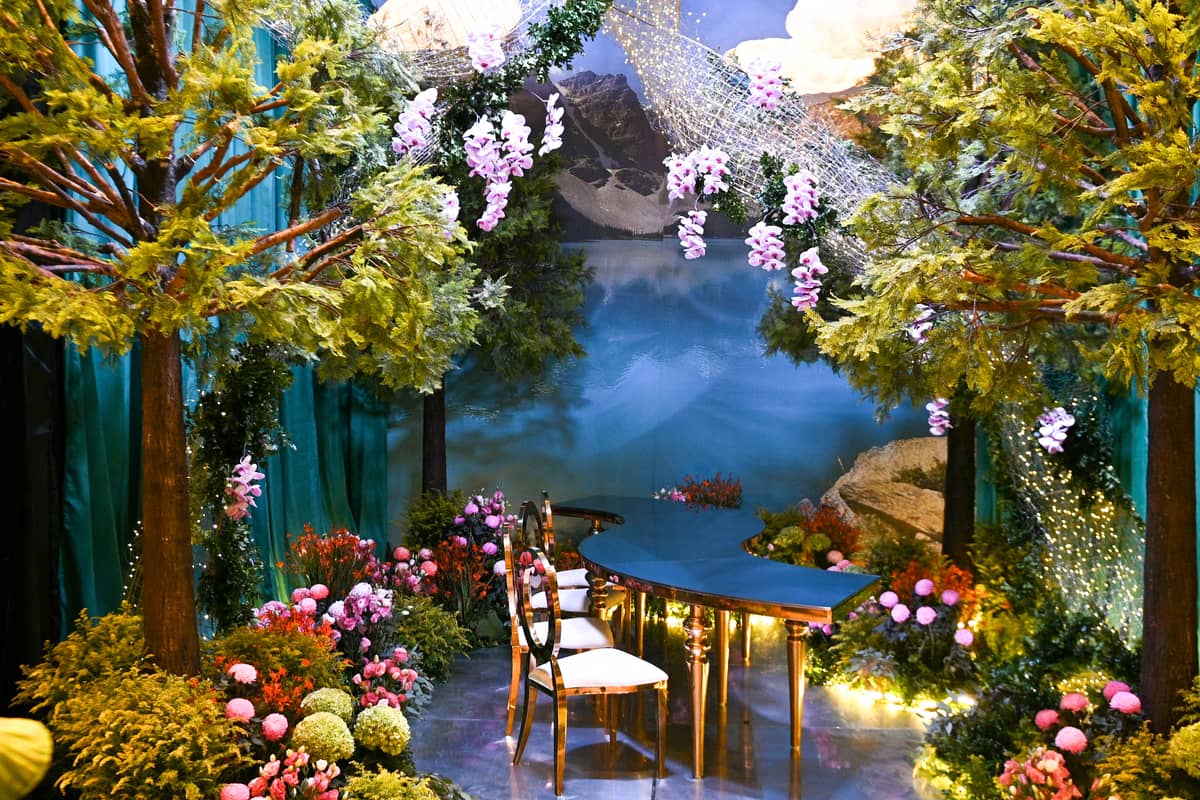
Events by Nikki Chatto.
Blooms and collaborations
Other vignettes stood out for their collaborative spirit and thematic depth.
Blooms Event Styling transformed Ardesia’s garden-themed setup into a verdant, romantic tableau. Their vignette balanced lush greenery with intricate floral work, perfectly aligning with the venue’s natural character and showing how styling can adapt seamlessly to a space’s story.
Miguel Bautista of Miel’s Event Styling offered a love letter to Baguio: leafy canopies, woven monstera, and oversized white roses capturing the crisp air of the Cordilleras.
Moki Gray for 128 Catering leaned into quiet grace with beige linens, delicate florals, and polished silverware — timeless and understated.
Dan Ordoñez staged pure theatre with a red vignette topped by silver showgirl mannequins under glittering chandeliers — dramatic and daring.
Together, these stylists proved that collaborations and thematic showcases expand the frame of what celebration styling can be.

M MIELS
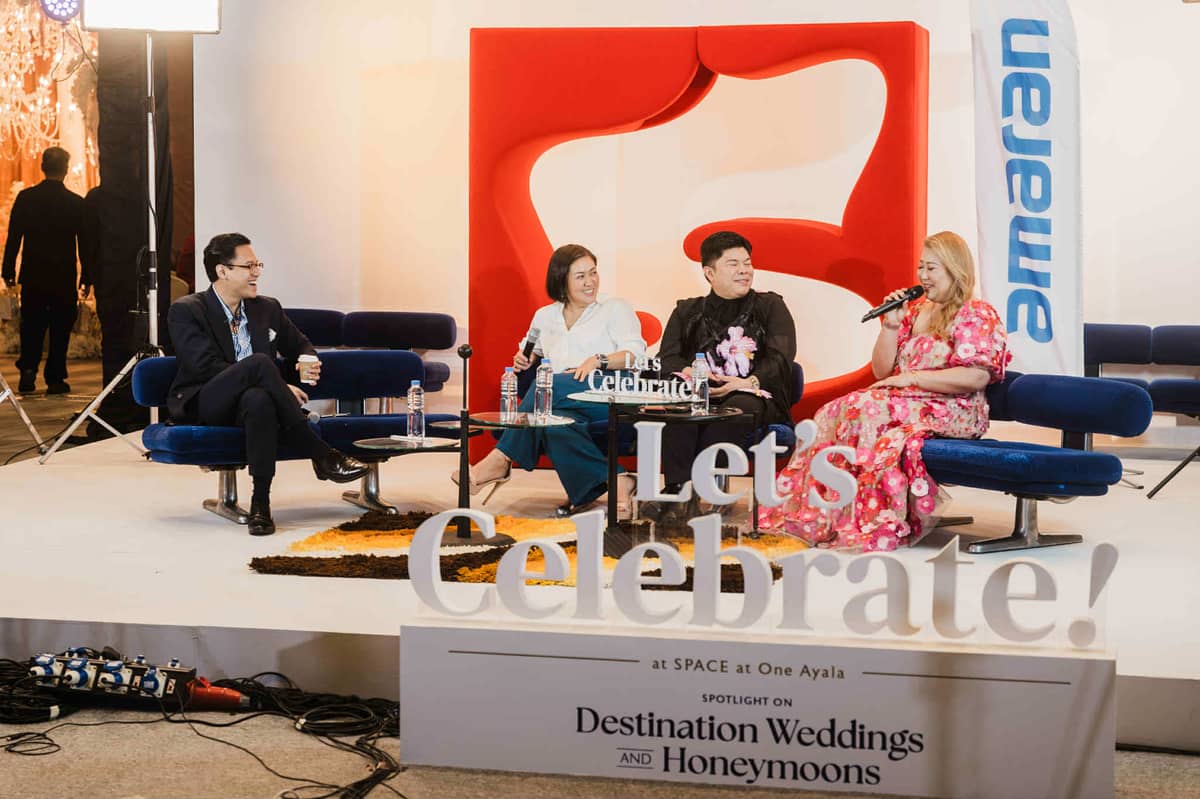
Kevin Lapeña, Teena Barretto, Teddy Manuel and Dominique Oi opened up about why tying the knot in Switzerland is more possible than most couples think.
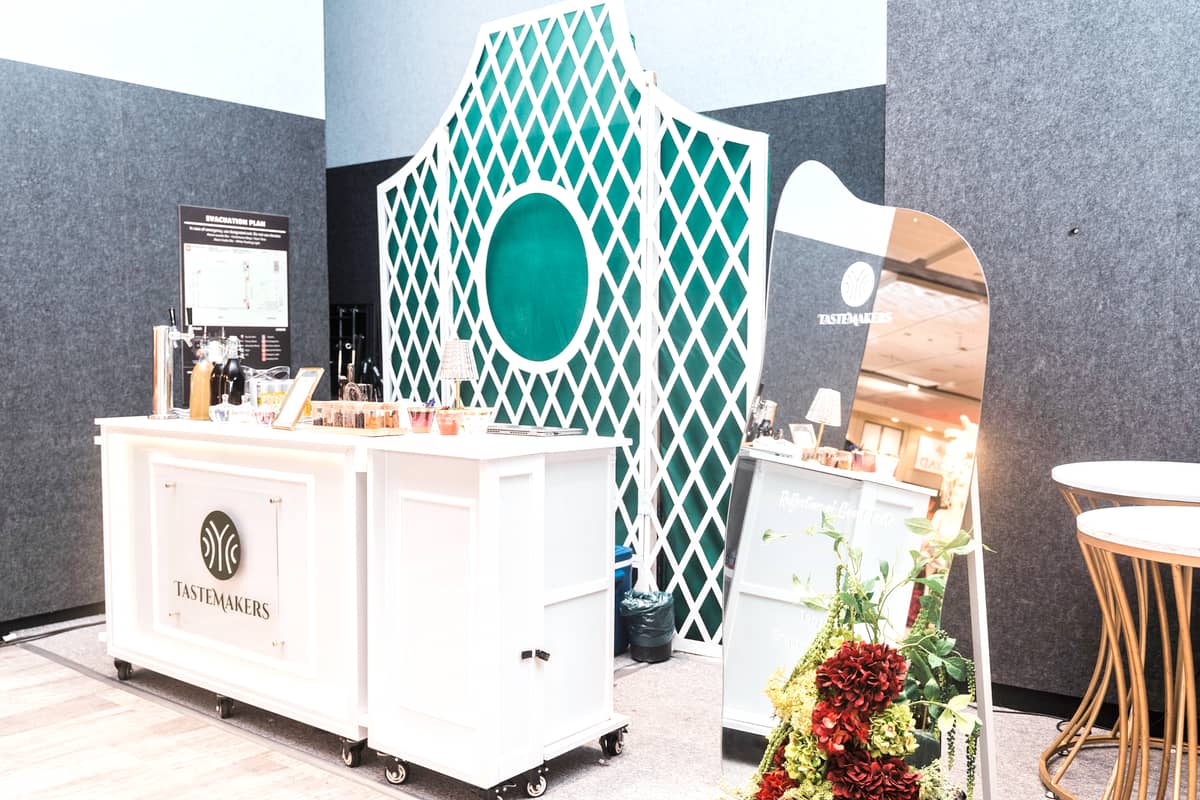
M Tastemakers.
Beyond decoration
In the end, Let’s Celebrate Expo revealed more than current styling trends — it showcased an industry in motion. Icons continue to innovate, women stylists enchant with nuance, and young voices push boundaries with daring experimentation.
It also reflected the larger theme of weddings today: that they are no longer confined to ballrooms, but celebrated wherever love takes couples — from Tuscany to Davao, Lake Como to Baguio.
For Marbee Shing-Go, tastemaker, curator, and trusted voice in the wedding industry for over two decades, this is the very heart of Let’s Celebrate: to give weddings and honeymoons a stage that is both global and deeply Filipino, to spotlight artistry with purpose, and to create a space where community and imagination take flight. With her editorial eye and purposeful curation, she is changing the narrative — transforming the wedding expo from a marketplace into a movement, and ensuring that every celebration is remembered not just for its beauty, but for its meaning.