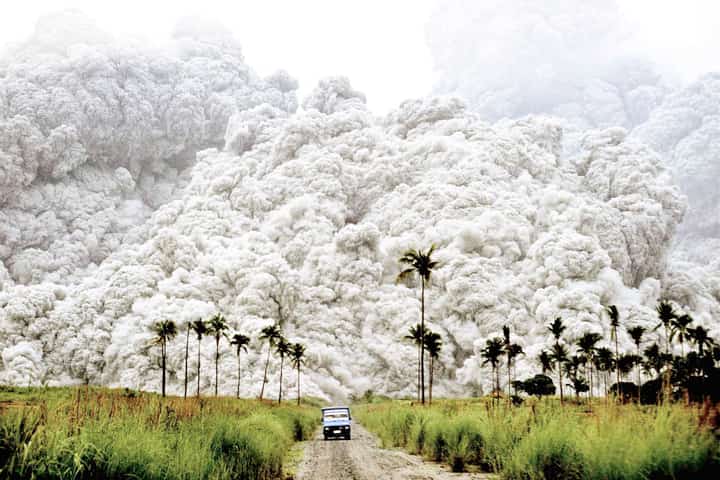
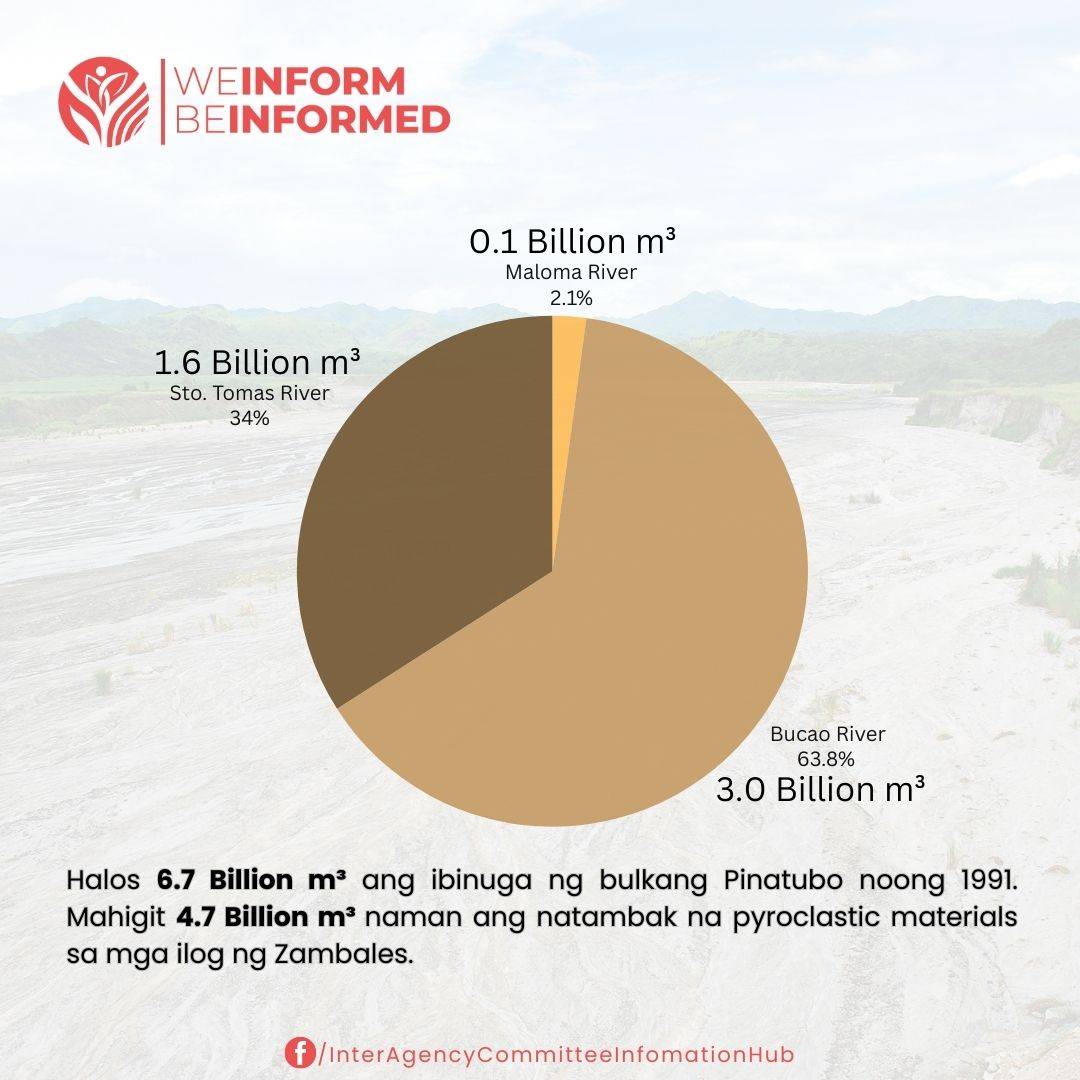
Bucao River received the largest volume as three billion cubic meters of lahar clogged the water system, which accounts for 63.8 percent of the lahar spewed by Mt. Pinatubo. This was followed by Sto. Tomas River with 34 percent or 1.6 billion cubic meters of lahar.
The DENR Central Luzon official said the need to dredge and haul off lahar sand from these river systems is urgent to prevent overflow from the Bucao, Maloma, Sto. Tomas, and Pamatawan rivers.
The resort owners met with the Provincial Government led by Governor Hermogenes Ebdane Jr. to discuss the situation of their properties. Ebdane laid out steps and solutions to provide direction and address the problems faced by resort owners.
“With open discussions and cooperation, we came up with a singular goal to push for a more structured development of the area and well-being of their community and the town of San Felipe. This collaboration between the Provincial Government and stakeholders is a testament that problems can be resolved with an open line of communication,” he said.
The governor cited the need to dredge and haul off these pyroclastic materials as a priority since lahar blocks rainwater from flowing downstream to the sea. Because lahar remains in the rivers, rainwater is forced into rice fields, causing flooding.
So far, only 50 million cubic meters of lahar have been dredged and hauled off from the 4.7 billion cubic meters in the river systems, still a long way before the people of Zambales can reclaim their rivers.