
Flavors of Cagayan: Tuguegarao’s beloved tables, timeless recipes
In Tuguegarao and beyond, dining is not just about feeding the body; it is about telling stories, keeping traditions alive and welcoming travelers with open arms and generous servings.


Cagayan is more than a province at the northeastern tip of Luzon — it is a living kitchen where history, culture and community are served in every dish.
From heirloom recipes preserved for generations to bustling panciterias that define everyday life, the province has carved out a culinary identity rooted in heritage and flavored with pride.
In Tuguegarao and beyond, dining is not just about feeding the body; it is about telling stories, keeping traditions alive and welcoming travelers with open arms and generous servings.
Here are some of the destinations where the flavors of Cagayan come alive.
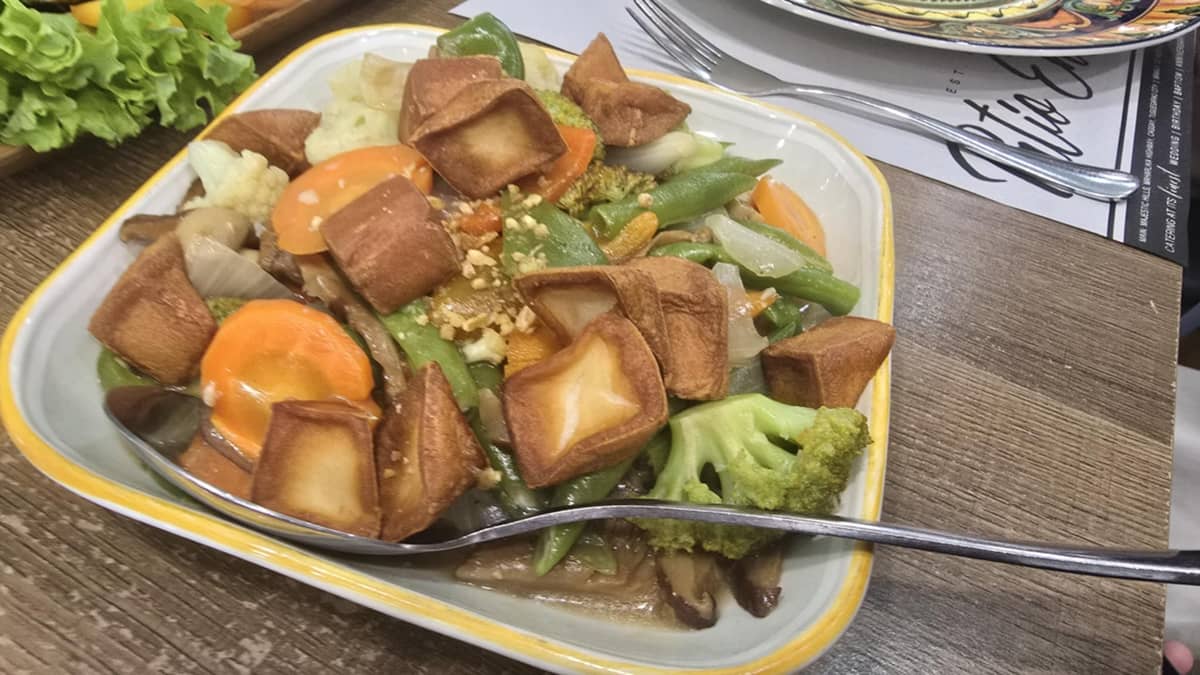
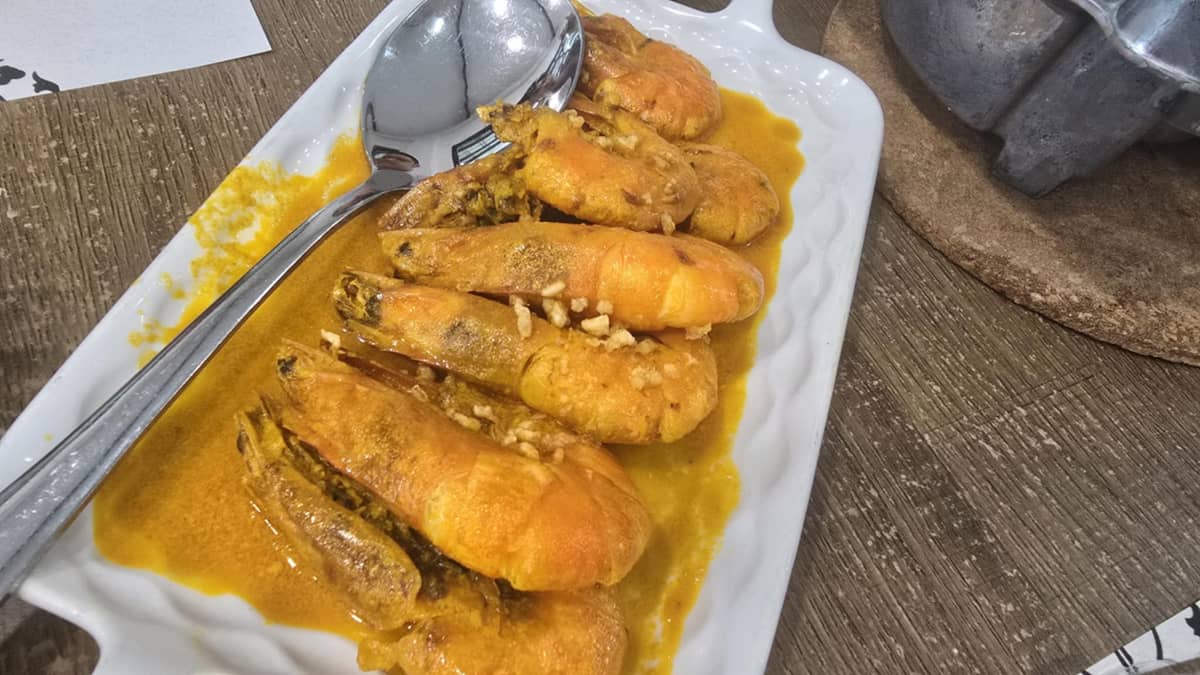
Enrico’s signature dishes include Prawns in Garlic and Butter and fresh vegetables and tofu.
Feast of heritage
Just minutes from Tuguegarao Domestic Airport, Lokal Restaurant has built its reputation as a dining haven that champions all things Cagayano. For seven years, its open-air space has welcomed both locals and tourists eager to taste heritage on a plate.
Founded by Eric Lim, Lokal was envisioned as a one-stop shop where visitors could savor and bring home the flavors of the valley. The mission is simple yet powerful: Support Lokal, eat Lokal. This mantra has guided the restaurant in curating a menu that keeps traditional recipes alive while making them accessible to new generations.
The crown jewel of Lokal’s kitchen is the sinanta, a dish that embodies Tuguegarao’s identity. Unlike the ever-famous batil patung, sinanta was once reserved for blessings and special occasions. Its uniqueness lies in the fusion of two noodles — Tuguegarao miki and bihun — bathed in a broth flavored with ala (river clams), chicken and annatto. With its rich, orange hue and comforting warmth, sinanta is more than soup; it is a celebration of home.
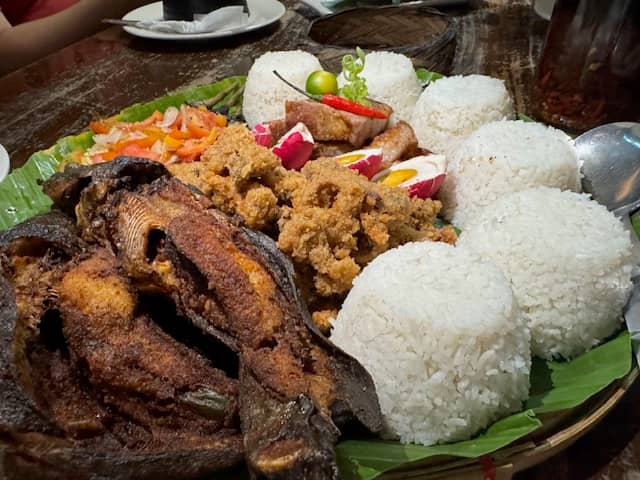
Beyond sinanta, Lokal serves up fried hito, crunchy chicharong bulaklak, sarabasab and sinigang na salmon — all nods to the bounty of the valley’s rivers and fields. To complete the experience, Lokal doubles as a pasalubong center, offering everything from longganisa to kakanin, ensuring guests never leave without a taste of Cagayan to share.
From family farm to pilgrims’ haven
In Piat, Cagayan, the story of La Paloma Restaurant begins not with a menu but with the land itself. What started as a family farm in 1995 has grown into a beloved stopover for pilgrims on their way to the Our Lady of Piat Basilica.
The discovery of spring water on the property inspired the creation of a fishpond, birthing what would become the restaurant’s signature: paluto-style tilapia. Freshly harvested tilapia, priced per kilo, can be grilled, fried, or cooked to the diner’s preference. Pilgrims and travelers alike savor this farm-to-table experience, often alongside picnic spreads of their own — made possible by the restaurant’s flexible table rentals.
At the height of pilgrimage season, especially during the Feast of Our Lady of Piat in January, La Paloma transforms into more than a rest stop. It becomes a gathering space of faith, food and community. Its resilience during the pandemic — sustained by loyal patrons and its open-air setting — underscored its role as both sanctuary and sustenance. Today, La Paloma remains inseparable from the Piat journey, a reminder that nourishment comes in many forms.
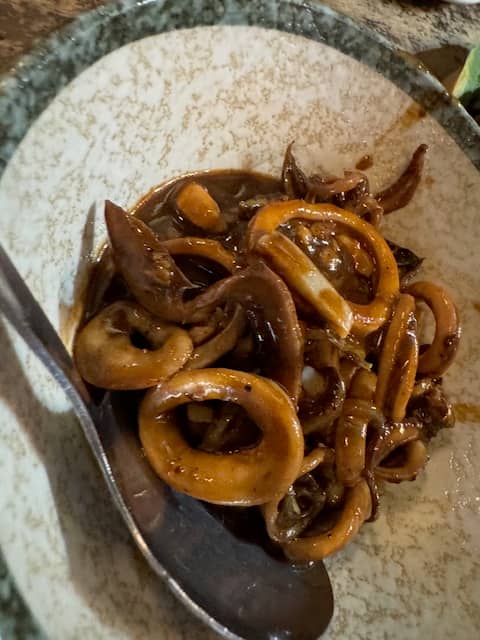
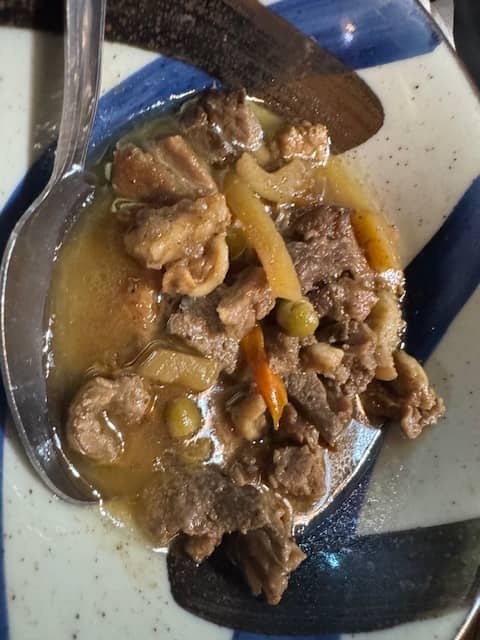
Lokal’s best seller includes Adobong Pusit, Sinigang, Igado and the Seafood Bilao.
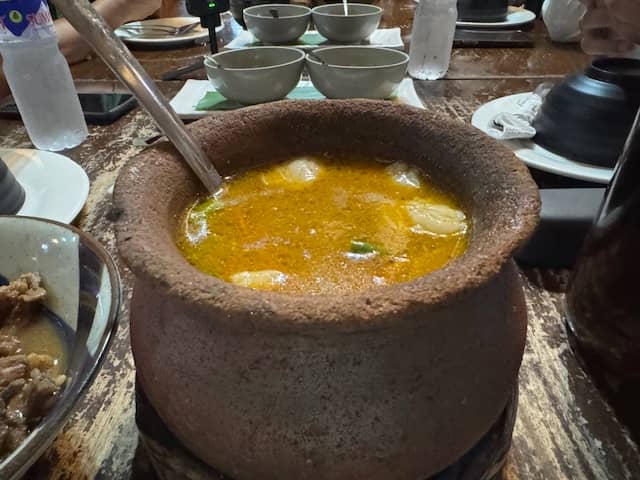
Feast-filled garden haven
If Lokal is heritage and La Paloma is pilgrimage, Patio Enrico is celebration. Situated in the heart of Tuguegarao, this restaurant has become a go-to for gatherings, where seafood feasts and festive servings define the dining experience.
Patio Enrico is best known for its seafood boodle sets — abundant spreads of fresh catch, buttered shrimp, salsas and unlimited rice and vegetables, earning it the nickname feastalicious. The portions are generous, the flavors bold and the atmosphere inviting.
Diners may choose to sit in the lush garden area, where greenery complements the feast, or in the air-conditioned hall, perfect for Tuguegarao’s warmer days. Service is fast and friendly, ensuring that even large groups feel at home. For locals, Patio Enrico is a familiar comfort; for visitors, it is a culinary landmark that completes the Tuguegarao experience.
Soul of Tuguegarao
No exploration of Cagayan cuisine is complete without the Pancit Batil Patong, arguably the province’s most iconic dish. With nearly 600 panciterias scattered across Cagayan, each claiming its own version, the competition is fierce but delicious.
Among them, Eva’s Pancit Batil Patong, located in the heart of Tuguegarao, stands as a favorite. Known for its open kitchen, the panciteria invites diners to witness the making of an authentic batil patong: hand-pulled miki noodles stir-fried with meat, topped with a fried egg (patong), and served with a side of egg drop soup (batil). The experience is communal and noisy, just as pancit should be.
At Eva’s, the dish isn’t just a quick meal — it’s a performance, a tradition, and a taste of the city’s soul. For tourists, it is a rite of passage; for Cagayanos, it is everyday comfort elevated to cult status.
A culinary tapestry
Cagayan’s food scene is as diverse as its landscapes — river valleys, farmland, pilgrimage routes, and bustling city streets all contribute to its identity. Lokal preserves heritage through sinanta, La Paloma ties faith with food, Patio Enrico celebrates abundance, and Eva’s keeps pancit culture thriving.
Together, these stories weave a tapestry of flavors that is uniquely Cagayano. They remind us that food is more than sustenance — it is history, community, and pride served on a plate.
In Cagayan, every meal is an invitation: to taste the past, to celebrate the present, and to carry a piece of the valley wherever you go.
Support Lokal, eat Lokal.
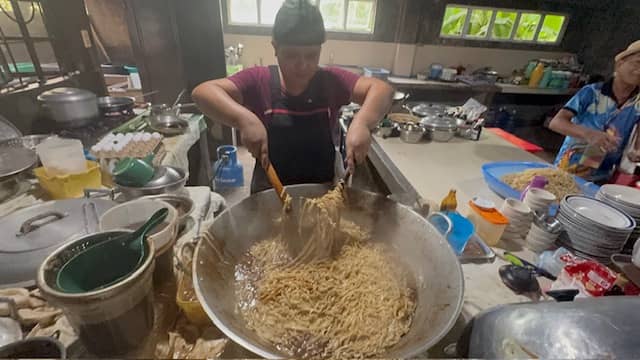
Eva’s popular version of the famous ‘Pancit Batil Patong.’