
Popular beach in Spain closes after deadly 'blue dragon' found
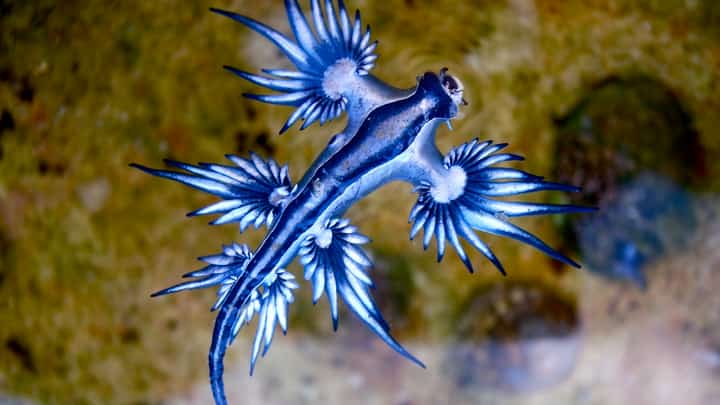
Popular beaches in Guardamar del Segura, southeastern Spain, were closed on Wednesday after the discovery of two Glaucus atlanticus, also known as “blue dragons.”
Mayor José Luis Sáez raised a red flag warning on X (formerly Twitter), which prohibits all swimming activities, including wading and bathing. His post included photos of the venomous four-centimeter-long sea slug.
The blue dragon is a small sea slug with a striking blue and silvery-gray color, which it uses as camouflage on the water’s surface. It has six appendages with cerata, or finger-like extensions, that contain concentrated venom capable of delivering painful stings.
“Notify lifeguards or authorities. If stung, rinse with salt water and go to a first aid station or health center. These are poisonous specimens, and their sting can cause nausea, pain, and vomiting,” Sáez warned in Spanish.
Guardamar’s local police also issued a notice: “Contact with this sea animal can be dangerous and cause painful burns to the skin. We urge neighbors and visitors to respect directions, exercise caution, and avoid direct contact with specimens that may appear on the sand.”
By Thursday, Sáez announced on X that the warning had been downgraded to a yellow flag, meaning bathing is allowed but with caution.
“Municipal services, police, and lifeguards remain attentive to the situation,” he added.