
Geneva plastics talks end in deadlock over petrostates

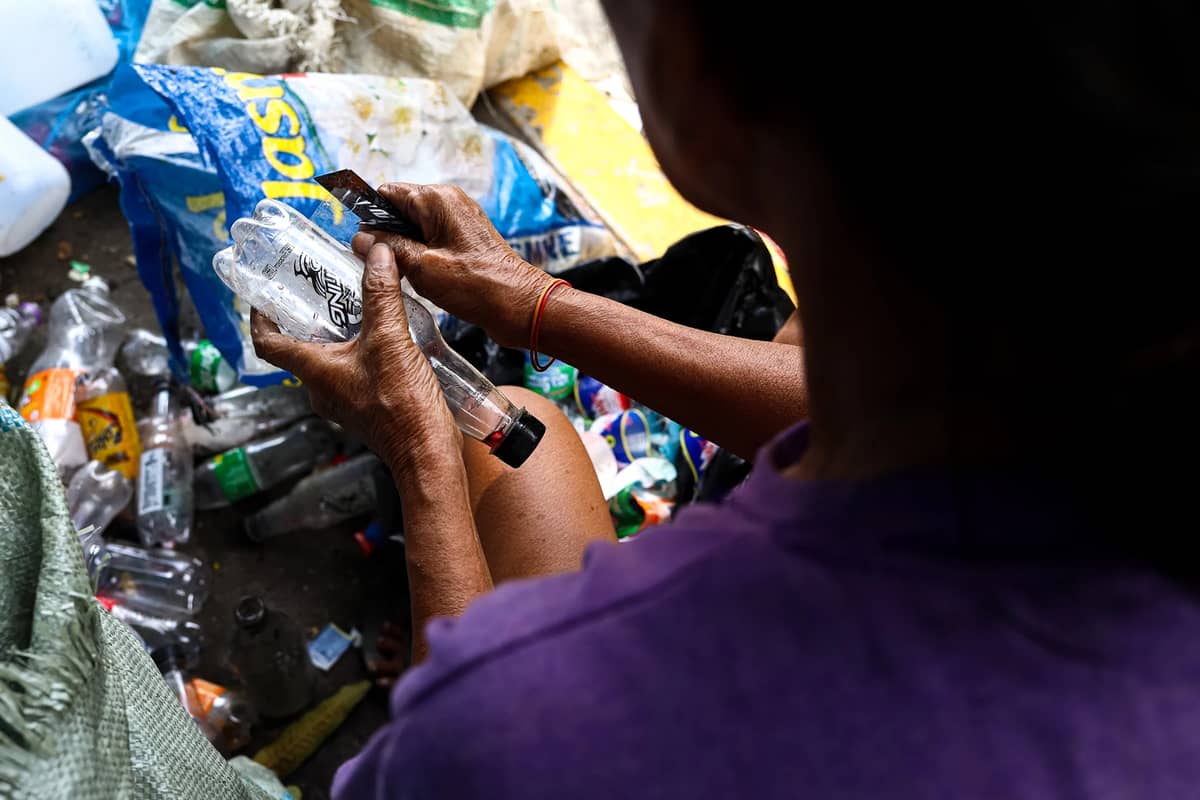
Photo by John Carlo Magallon for DAILY TRIBUNE
Matilde Encina sorts plastic bottles near the Smokey Mountain landfill in Tondo, Manila, on Friday, 15 August 2025, to sell to junk shops for 20 pesos per kilo.
Negotiators from 185 countries, particularly in the Global South, were left disappointed after talks on addressing global plastic pollution failed to reach an agreement.
The final plenary session was quickly adjourned after negotiators rejected the new plastics treaty draft. They blamed the lack of progress on what they described as the draft’s weak commitment to curbing plastic production.
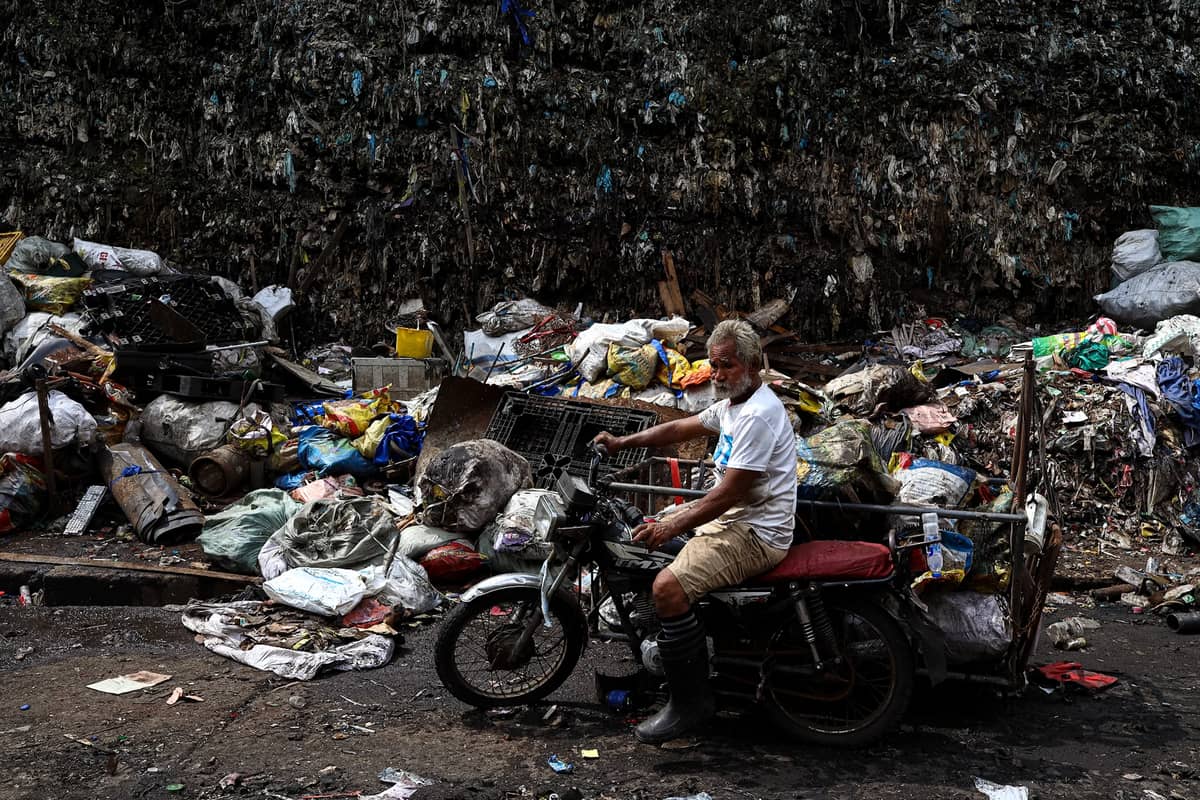
Photo by John Carlo Magallon for DAILY TRIBUNE
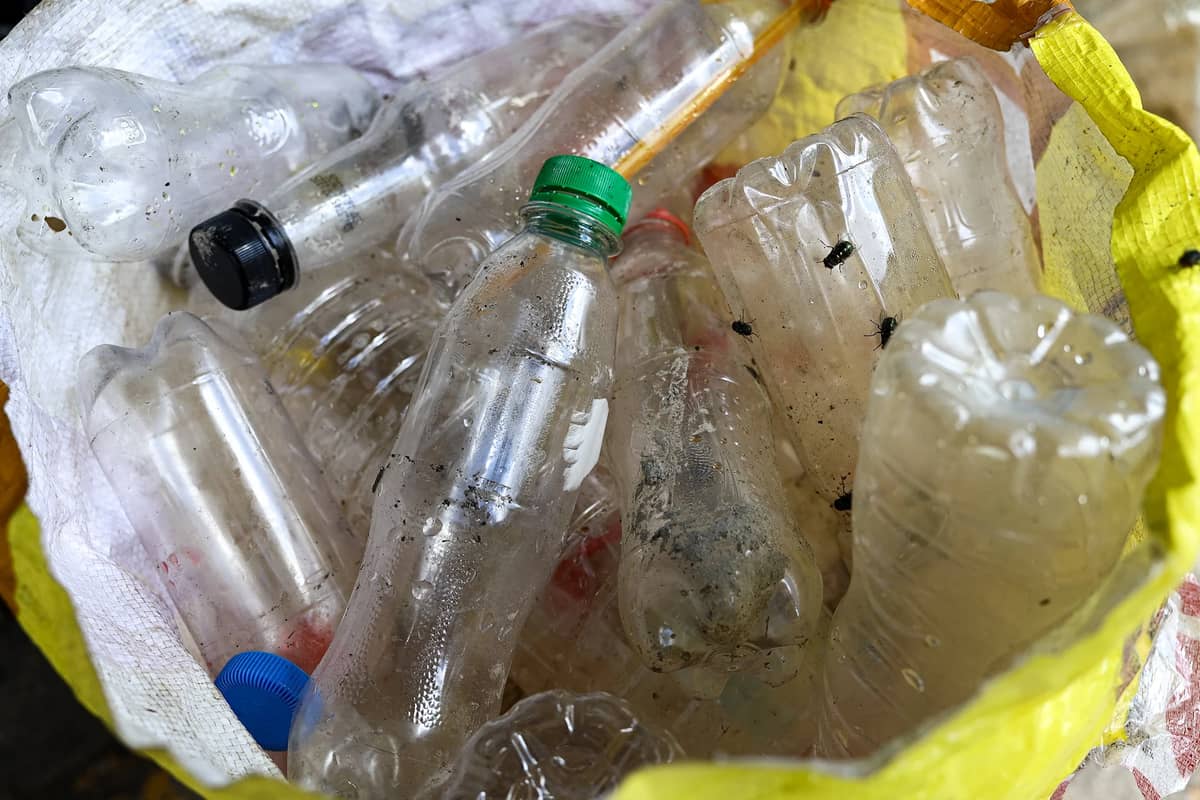
Photo by John Carlo Magallon for DAILY TRIBUNE
Released Friday, the draft acknowledged that plastic production and consumption had exceeded the capacity of waste management systems, making them unsustainable, and that a global response was needed. But instead of phasing out plastics, major oil- and gas-producing nations opposed the proposal, pushing instead for improved waste management and reuse, an approach rejected by many delegates, especially those from the Global South.
Marian Ledesma of Greenpeace Philippines, who attended the negotiations in Geneva, warned of growing industry influence and efforts by oil-producing states to narrow the treaty’s scope to waste management, excluding measures to reduce plastic production and address health impacts.
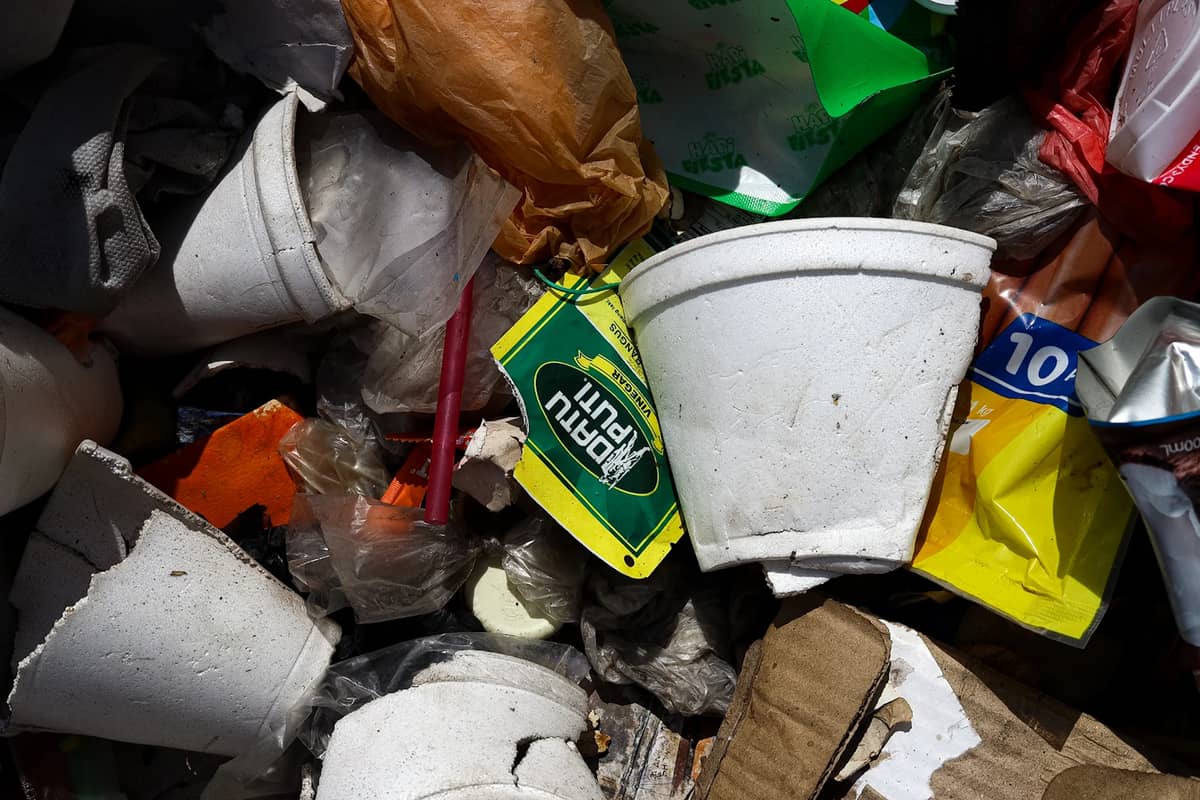
Photo by John Carlo Magallon for DAILY TRIBUNE
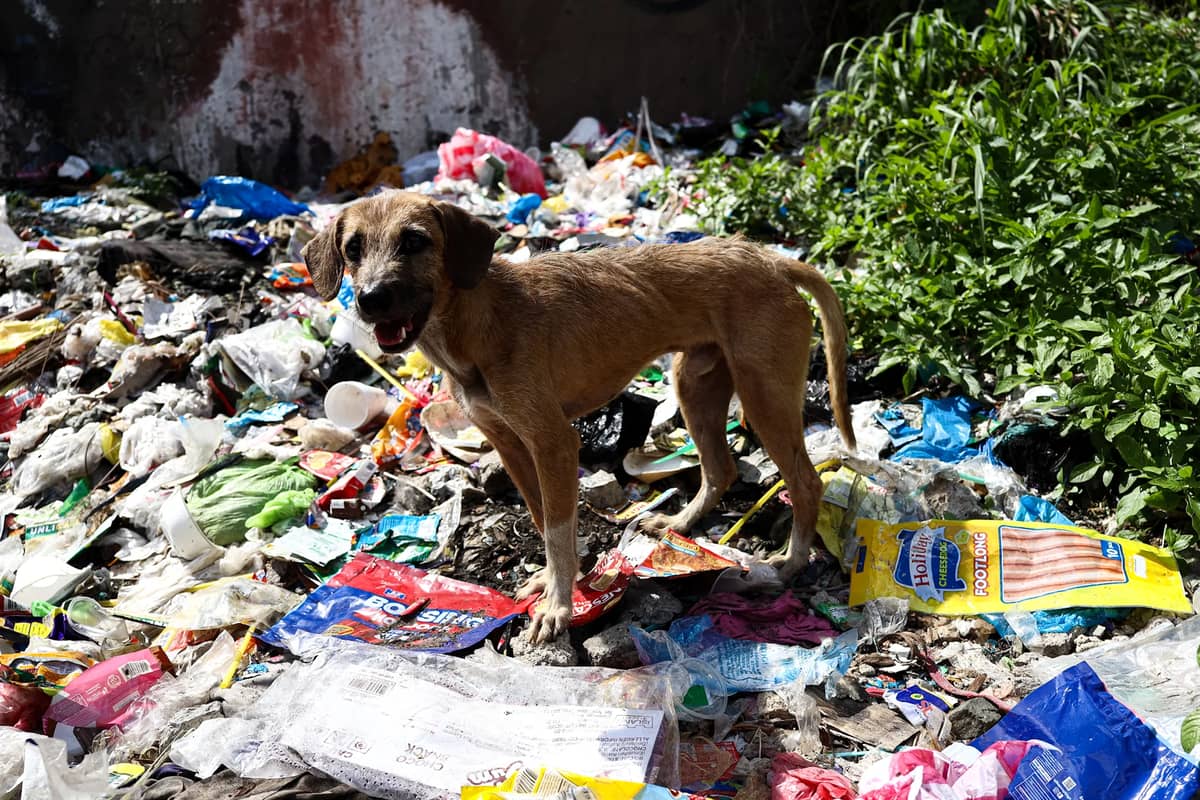
Photo by John Carlo Magallon for DAILY TRIBUNE
The draft has also been modified, now shifting its focus to a comprehensive approach that aims to address the full lifecycle of plastics.
According to the Organization for Economic Co-operation and Development report, yearly production of fossil fuel-based plastics is projected to nearly triple by 2060 to 1.2 billion tons, while waste is expected to exceed one billion tons.