
Pen to press: How this newspaper comes to life
It all begins in the newsroom. Journalists collect facts (depending on their beat), interview sources and write stories about what’s going on around them.

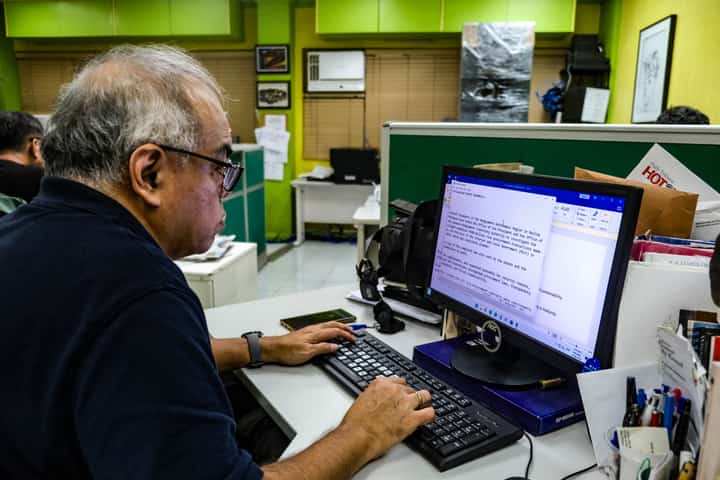
Ever wonder how a news piece ends up on the pages of your favorite newspaper, the DAILY TRIBUNE?
The method may appear to be magical, but it is actually a fascinating blend of journalism and design.
Let’s have a look at how an article is printed:
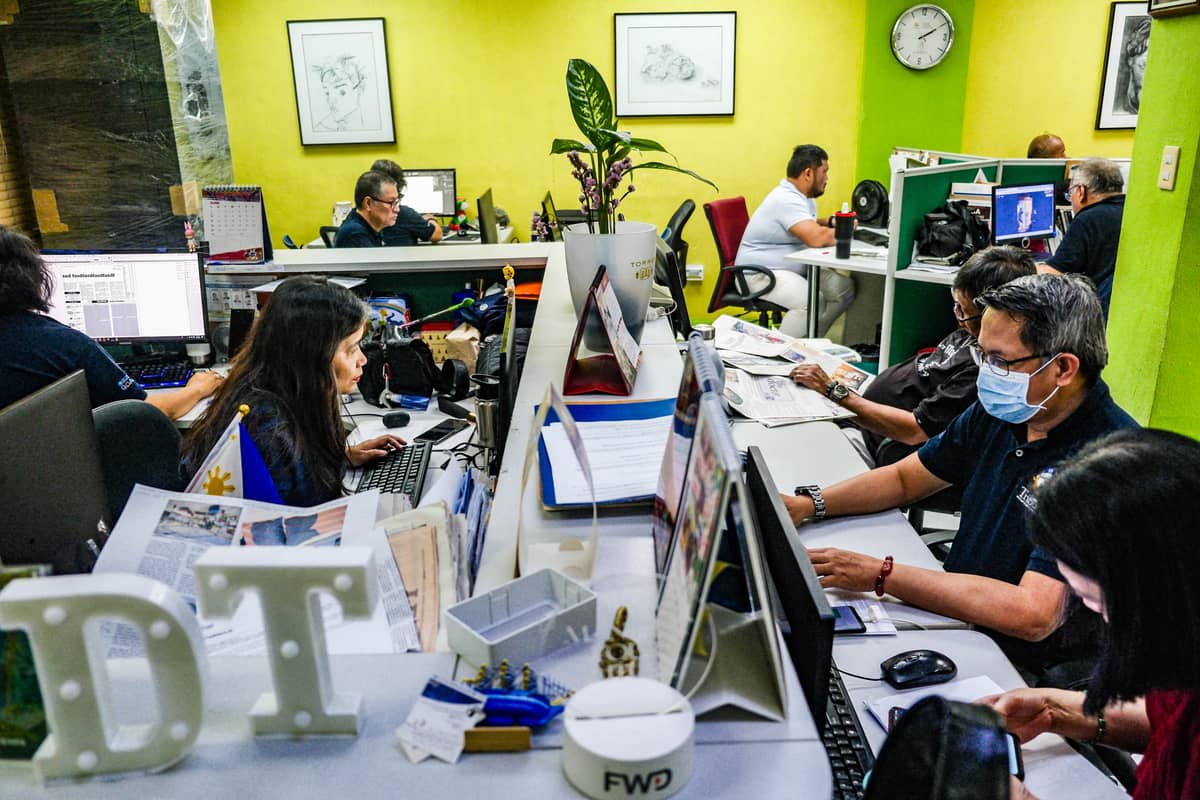
Battle at the newsroom happens every day as Daily Tribune copes with deadline and verification of news articles and online and in print to bring the stories that are credible and timely.
Photograph by Yummie Dingding for the DAILY TRIBUNE
Step 1: Writing the news
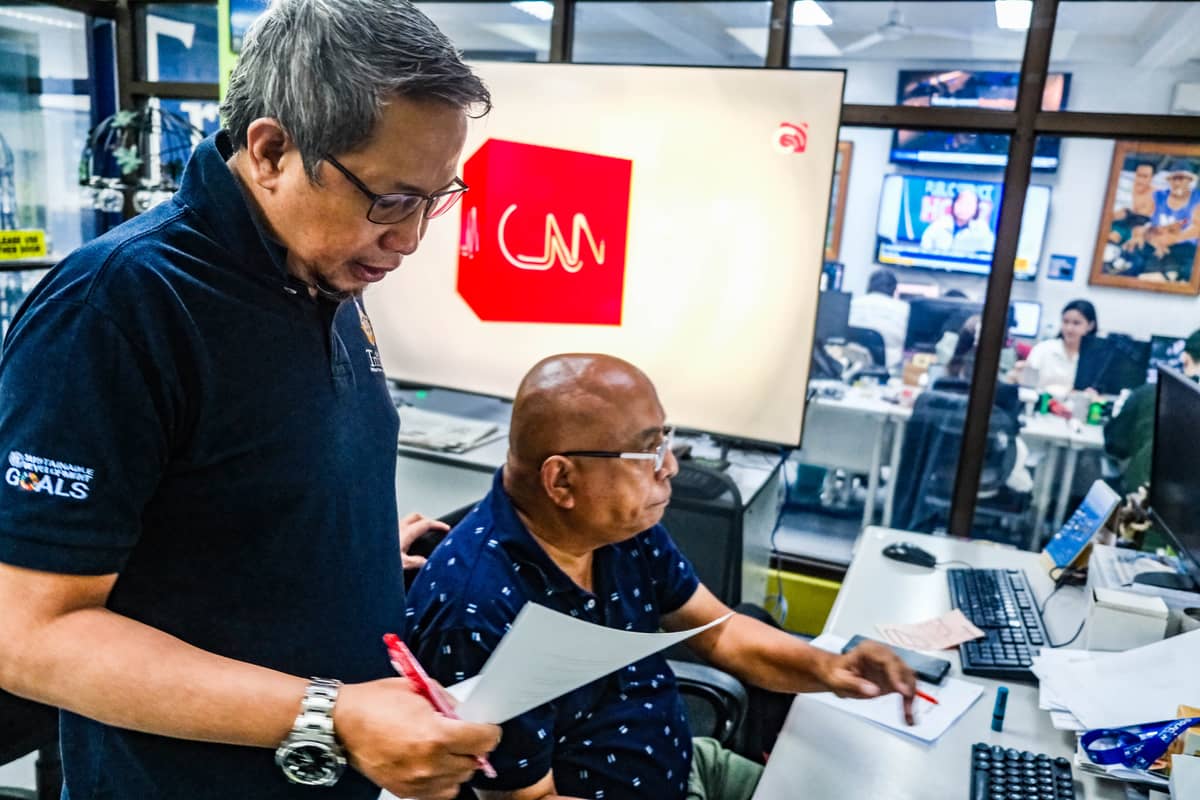
It all begins in the newsroom. Journalists collect facts (depending on their beat), interview sources and write stories about what’s going on around them. Editors then go over each story to ensure accuracy, clarity and integrity. Once approved, the story is sent to the layout team.
YUMMIEDINGDING

YUMMIEDINGDING
Step 2: Page layout and design
Designers and editors use digital publishing applications such as Adobe InDesign and Photoshop to organize each content on a page. They add headlines, images, captions and adverts to give the newspaper its final look and feel. These pages are then saved in specialized digital forms, suitable for printing.
Step 3: Pre-press preparation
At the printing facility, also known as the imprenta, digitized documents are converted into metal printing plates. According to DAILY TRIBUNE’s pre-press specialist, Lorenzo Dalit, these plates are divided into four colors: cyan, magenta, yellow and black.
Each hue receives its own plate, which is installed on the press machines.
Step 4: The printing process
The magic comes through a process known as printing. Dalit also mentioned that the ink from each plate is rolled onto a rubber blanket and pushed onto enormous rolls of newspaper paper. These machines are quick and powerful, capable of printing thousands of newspaper pages each hour.
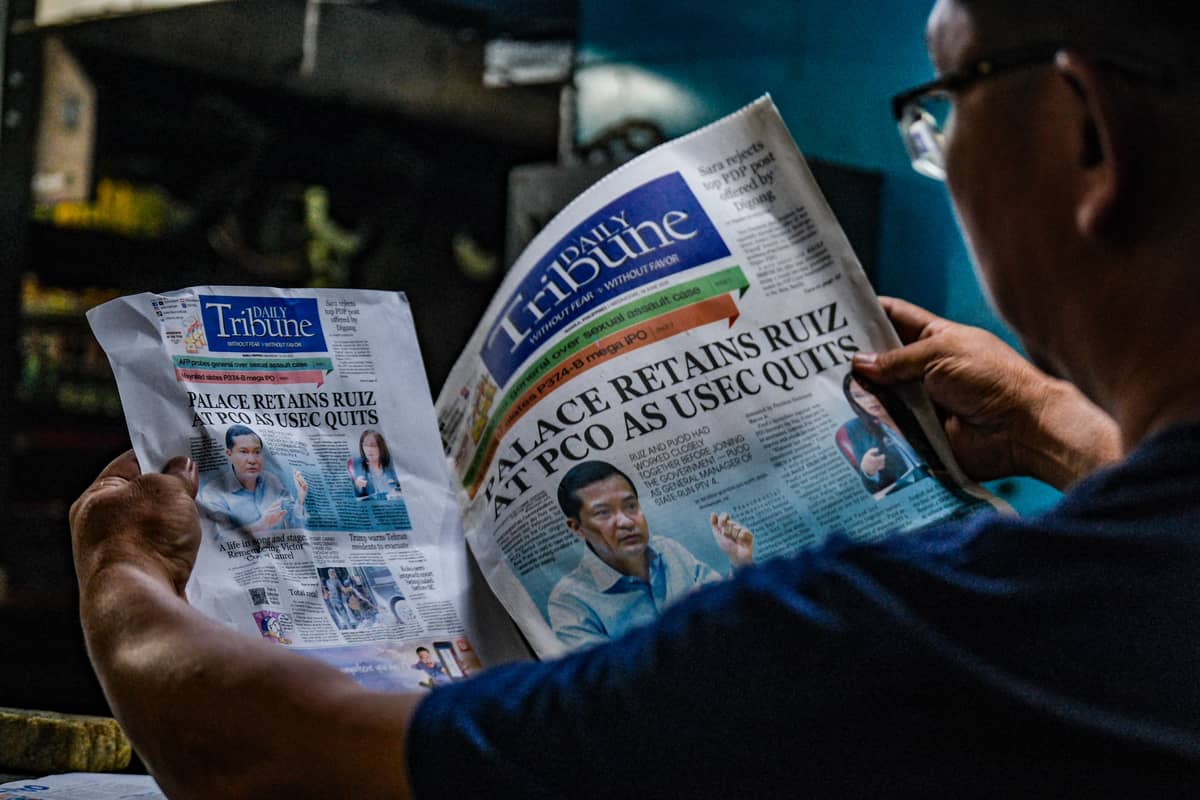
“It’s easy and difficult, all work is difficult. It’s nice to see the pages of Daily Tribune being organized. As I see the newspaper being organized, it warms my heart,” Dalit said.
YUMMIEDINGDING
Step 5: Cutting and folding
Once the pages are printed, they move through a machine that cuts, folds and sometimes binds them into the newspaper format we know. In just minutes, stacks of fresh newspapers are ready for delivery.
Step 6: Distribution
Newspapers are wrapped at the “imprenta” and delivered to stores, homes, offices and schools. Some versions are also put online, making the news available with a single click.
Whether it’s a breaking story or a feature about the local neighborhood, every article goes through this process before it reaches you.
So, the next time you flip the pages and read a newspaper, consider the journey it took — from pen to press, and all the people and machinery who helped make it possible.