
Nishiki Market: Historical and traditional, modern and magical
Spanning five tightly packed covered blocks, it is lined with over a hundred historical stalls and current storefronts - a corridor of food delights and sensory dreams - by which it is affectionately called Kyoto's Kitchen.


A long and narrow road in the very heart of Kyoto, Nishiki Market brims with energy, flavor and fanfare — a happy place!
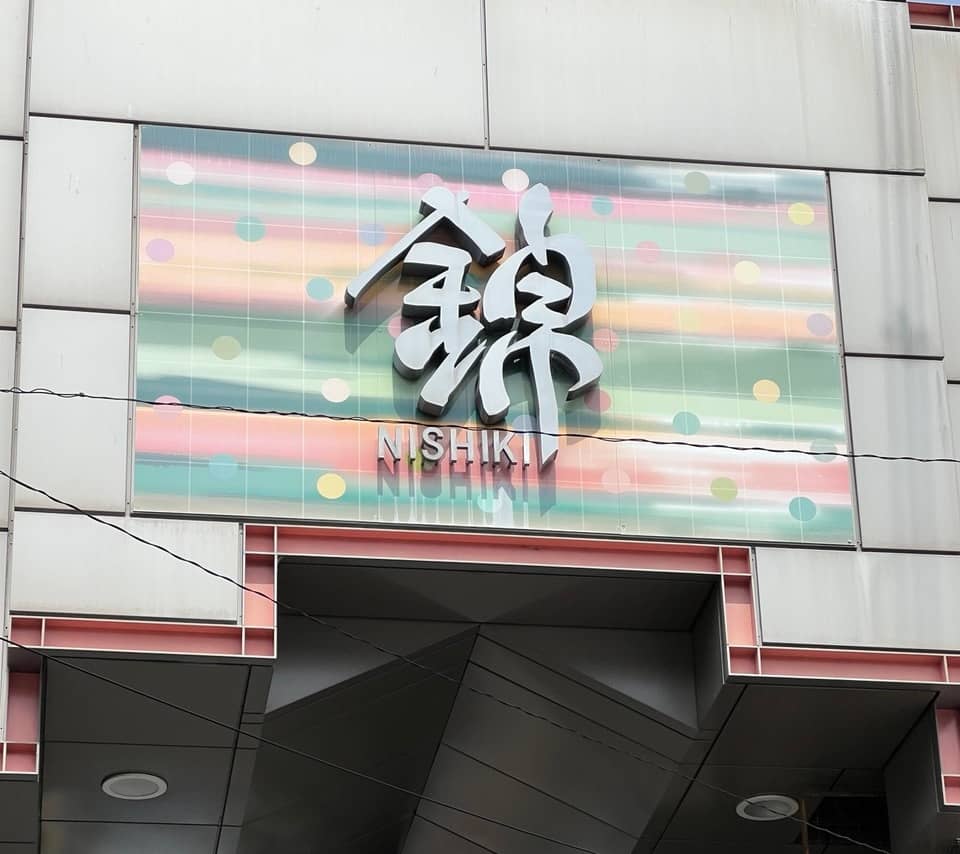
Nishiki Market.
Spanning five tightly packed covered blocks, it is lined with over a hundred historical stalls and current storefronts — a corridor of food delights and sensory dreams — by which it is affectionately called Kyoto’s Kitchen.
Mind you, this is not your usual food market. It is both a reversed historical relic and a thriving modern-day attraction. The origins of Nishiki Market stretched back to the early 14th century. It is said to have began humbly, with the first seller opening in approximately in the year 1310. Over time, more vendors set up shop, expanding beyond only-exclusively-fish — a staple — and progressed into every imaginable foodstuff.
By the Edo period, which started in 1603, it evolved from its wholesale roots into a full-fledged retail hub — a bustling local marketplace that mirrored, in some ways, Tokyo’s famed Tsukiji. But Nishiki remained unmistakably Kyoto: A hallowed area steeped in respected tradition, where many shops have been run by the same families for generations, their best-kept secret techniques and flavors religiously passed down like sacred and well-loved heirlooms.
And today? It’s as lively as ever! Though the market has successfully transformed into a desirable destination popular with tourists, it remains firmly rooted in local everyday life. The stalls range in size and style — from humble counters manned by elderly couples to larger, two-storey well-lit shops with gleaming glass fronts and at-your-service attendants, some establishments expand inwards to reveal a full-on shop behind an unassuming storefront.
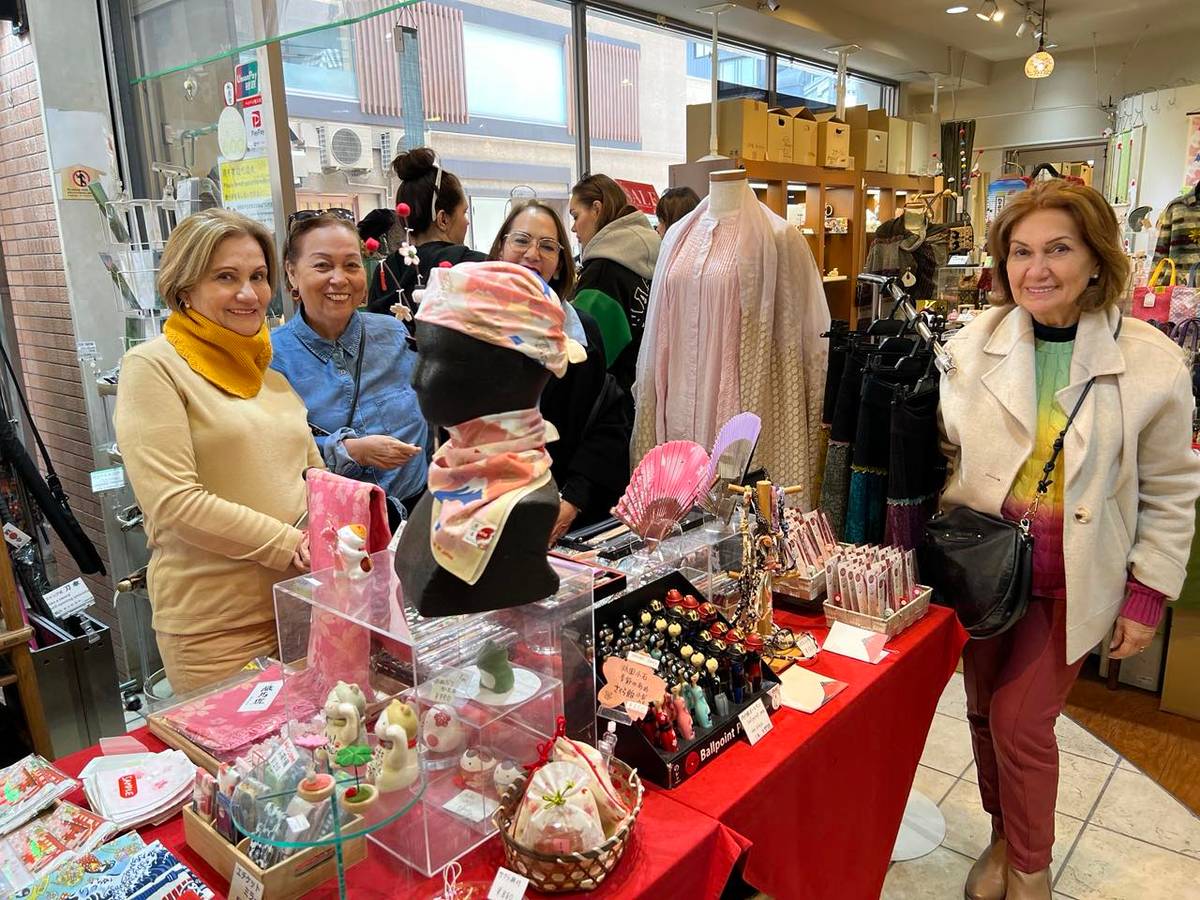
Tourists enjoy artisan goods.
Many focus on a single specialty, offering specially prepared snacks and meticulously crafted wares, nearly all sourced locally.
Walking through Nishiki — with all senses at attention — was an adventure in itself. We were exposed to the clink of knives, and the sizzle of skewers. Caught-by-surprise flames and smoke rose briefly from grills, while the unmistakable scent of soy, smoke, and sweet red bean mingled in the air. And there was cheerful chatter and joyous laughter of both creative, innovative and entertaining vendors and ready-to-try-anything-cooked visitors.
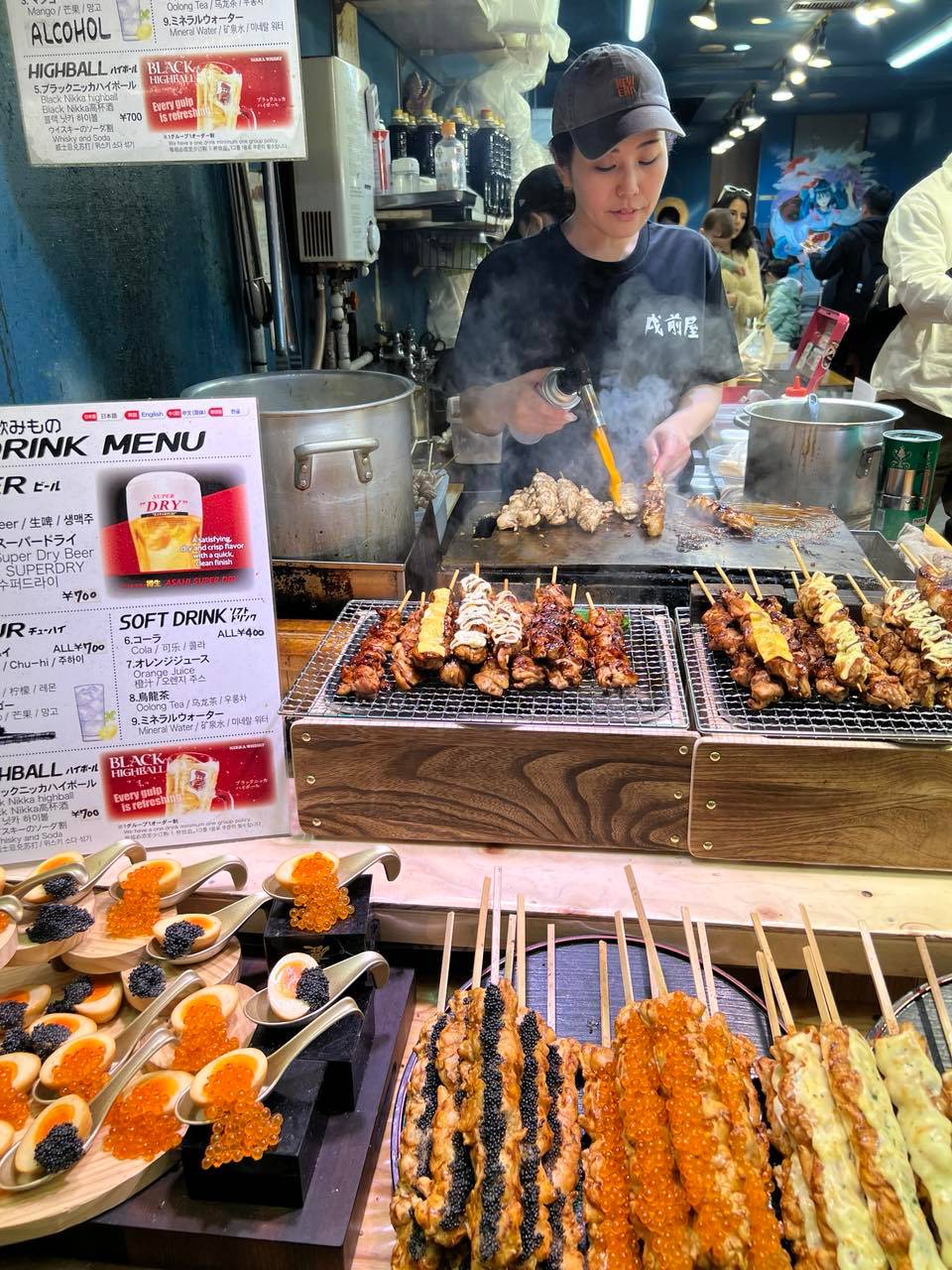
Fried, torched, and grilled skewers.
Here, we witnessed a tray of translucent yatsuhashi sweets glistened in the light. There, a vat of bubbling oil with Tempura crackled.
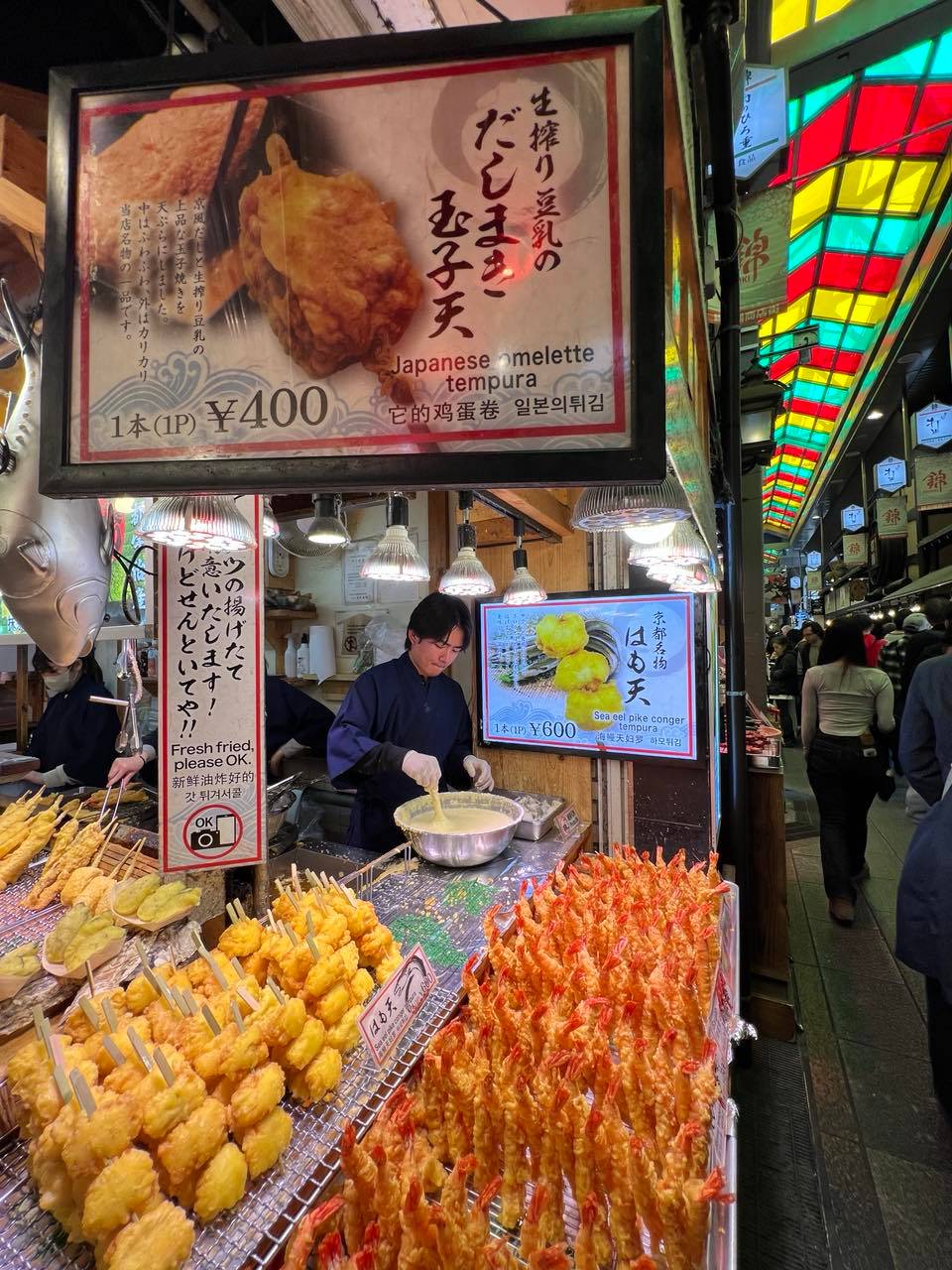
Fried tempura.
As we continued on our paseo, vendors graciously offered generous samples with a smile — a slice of sweet Tamagoyaki, a piece of marinated vegetable, or a cube of tofu so delicate it quivered.
Skewers were everywhere: Grilled seafood, Yakitori, even the curious but beloved Tako-tamago — a bright red baby octopus, shining with a soy-sugar glaze, hiding a surprise quail egg inside its head!
And speaking of specialties, do not miss the renowned sashimi at Kimura Fresh Fish, where the offerings are expertly sliced and served with pride. A few stalls away, Ajisai no Toyo, in business since 1912, offers unagi grilled over charcoal — the skin crisp, the flesh fatty and tender, laid gently atop rice in perfect symmetry.
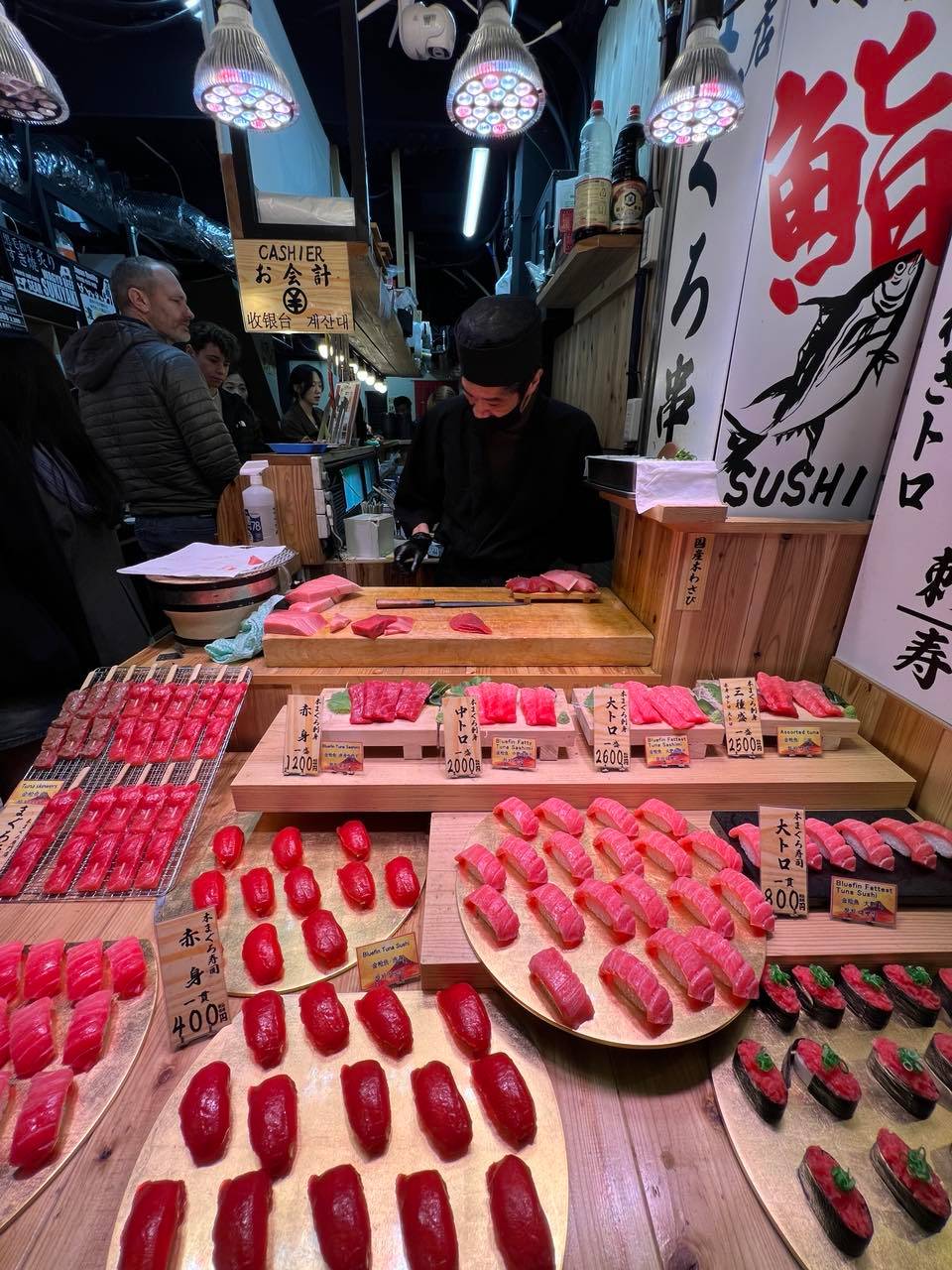
Fresh sashimi.
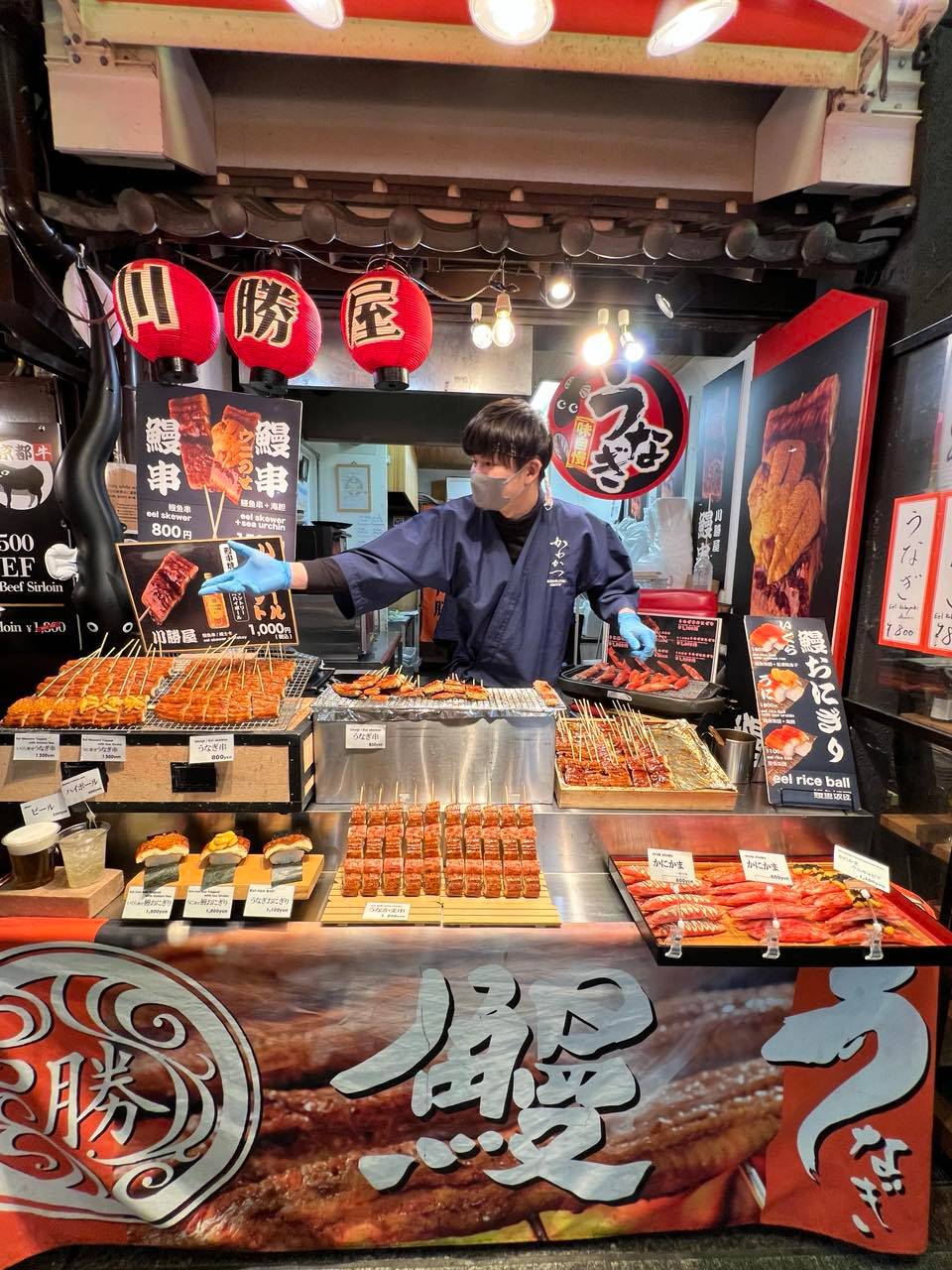
Grilled unagi.
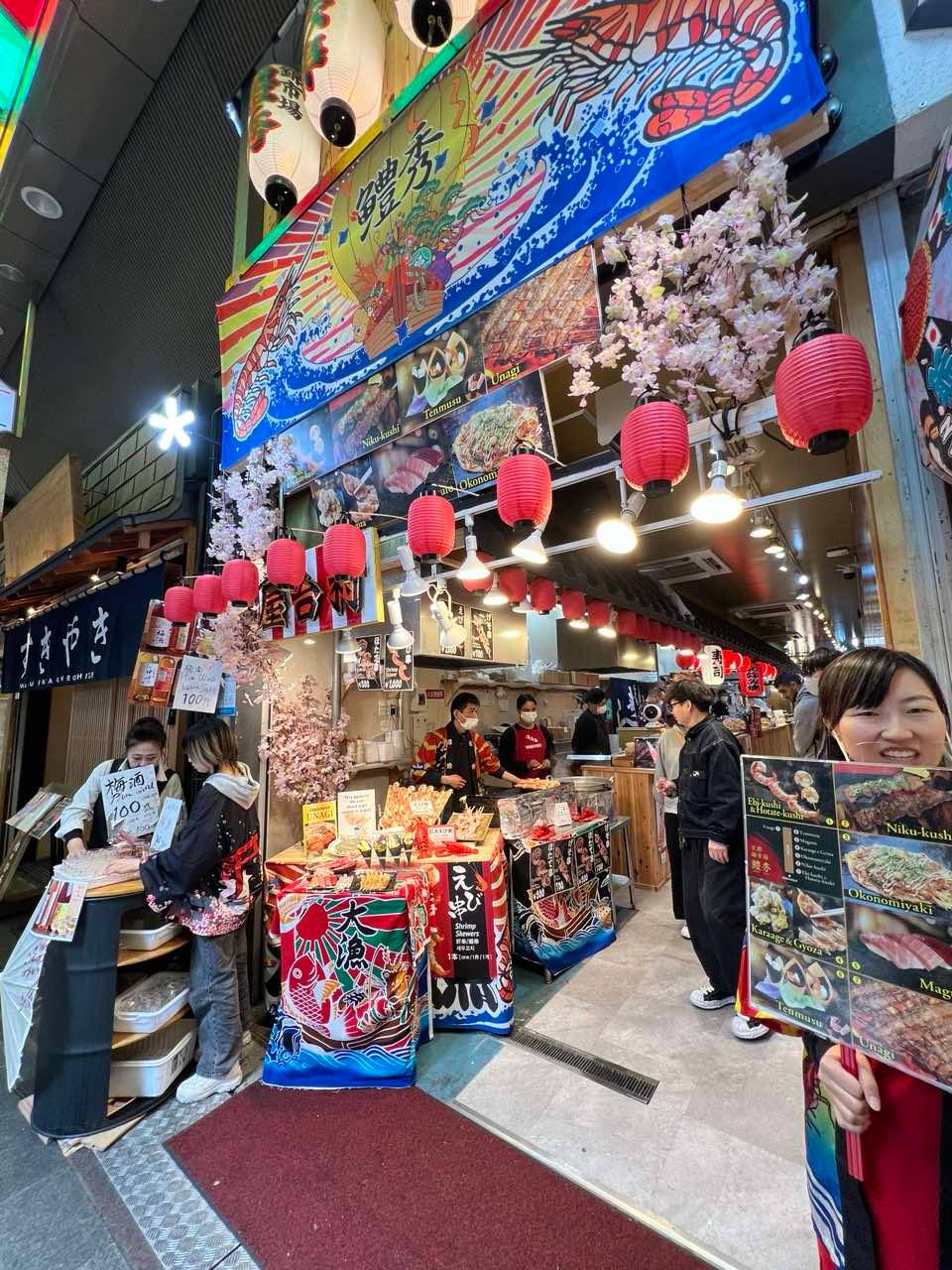
A seafood haven.
For those drawn to Kyoto’s famed green tea, Matcha Sweets Sawawa is a treasure. Sourcing its matcha from nearby Uji — where tea cultivation in Japan began — the shop features a wild, wide selection from creamy soft-serve to their signature Matcha Warabi Mochi, a soft jelly made from bracken starch and dusted with verdant matcha powder.
Let’s not skip Aritsugu, a name whispered in reverence among chefs and kitchen aficionados. Founded in 1560 by a former swordsmith to the imperial family, they now craft some of the finest, most-desired hand-forged knives in Japan. Perhaps even abroad!
What struck me most — after the glorious food — was how clean, say even spotless, the surroundings were. With everyone in constant motion and continuous movement, with the stream of hungry, curious, adventurous customers for the day, the floors were still brilliant. Not a wrapper in sight. Just amazing. Absolutely awesome!
But a word to the wise: Refrain from eating while walking. While it may be tempting to nibble your skewer as you stroll, local etiquette discourages it. Find a corner, a spot, a slot, a zone or a nook and enjoy. It’s part of the rhythm of the more than just the market, a small act of respect that keeps the harmony intact. And savor we did!
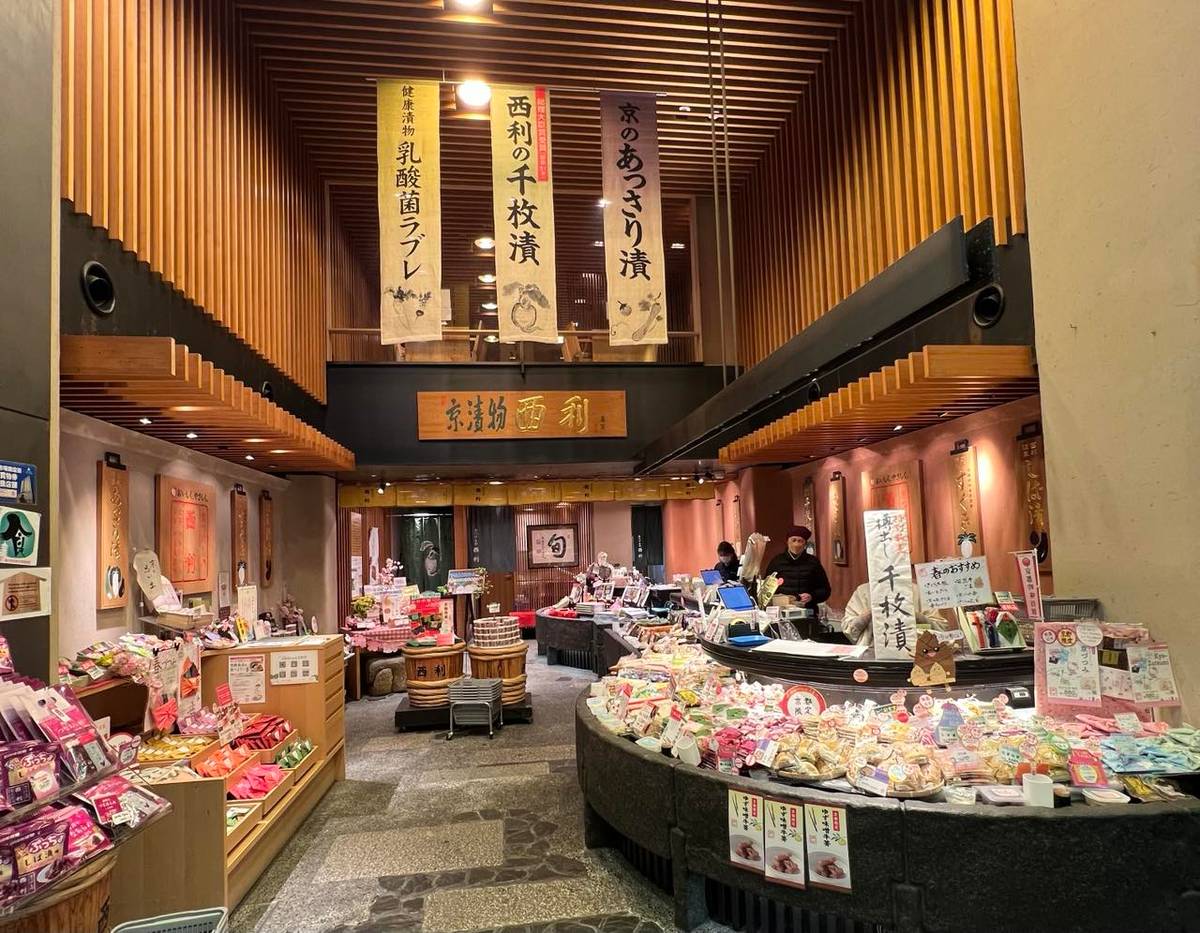
A spacious interior section of the market.
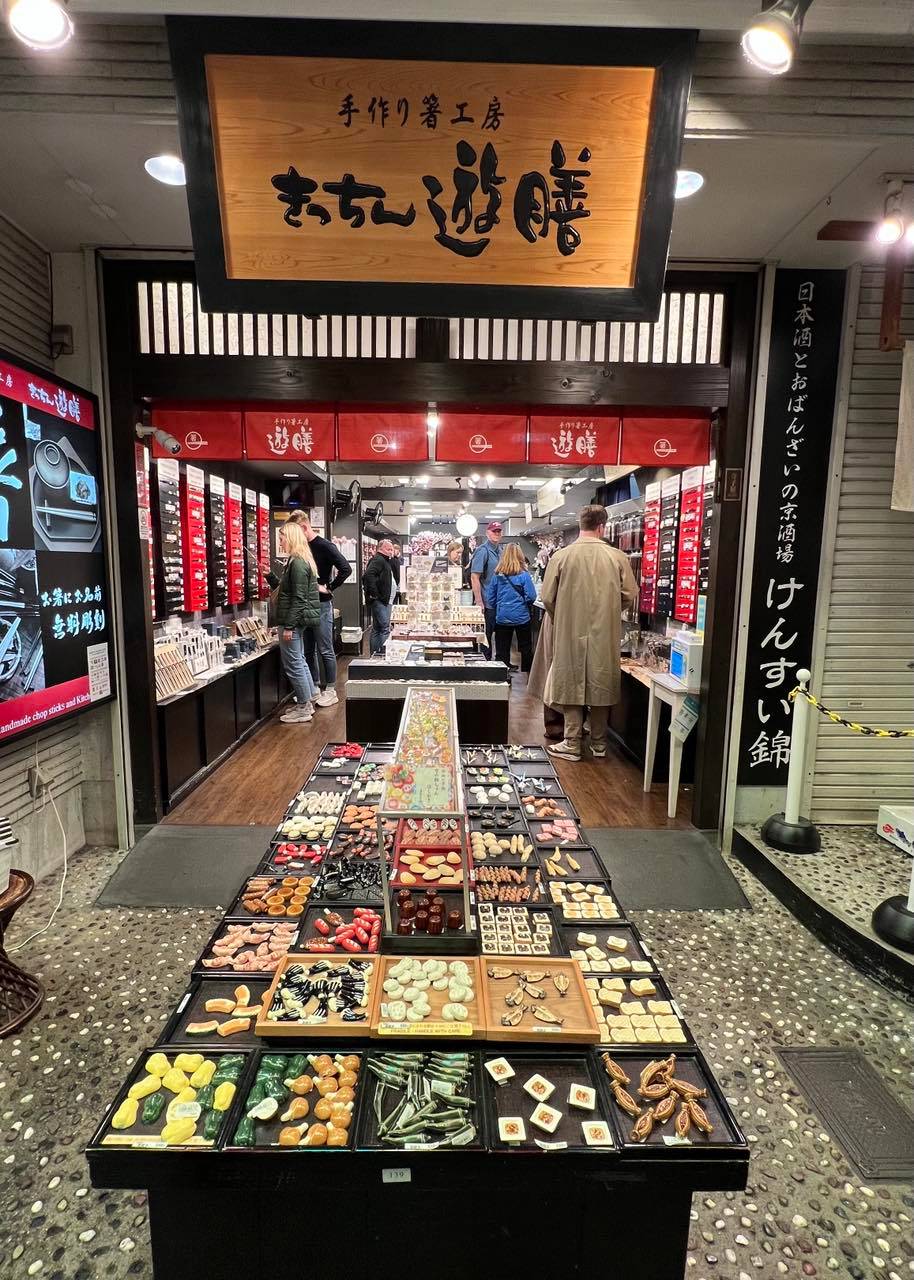
The various goodies in the area.
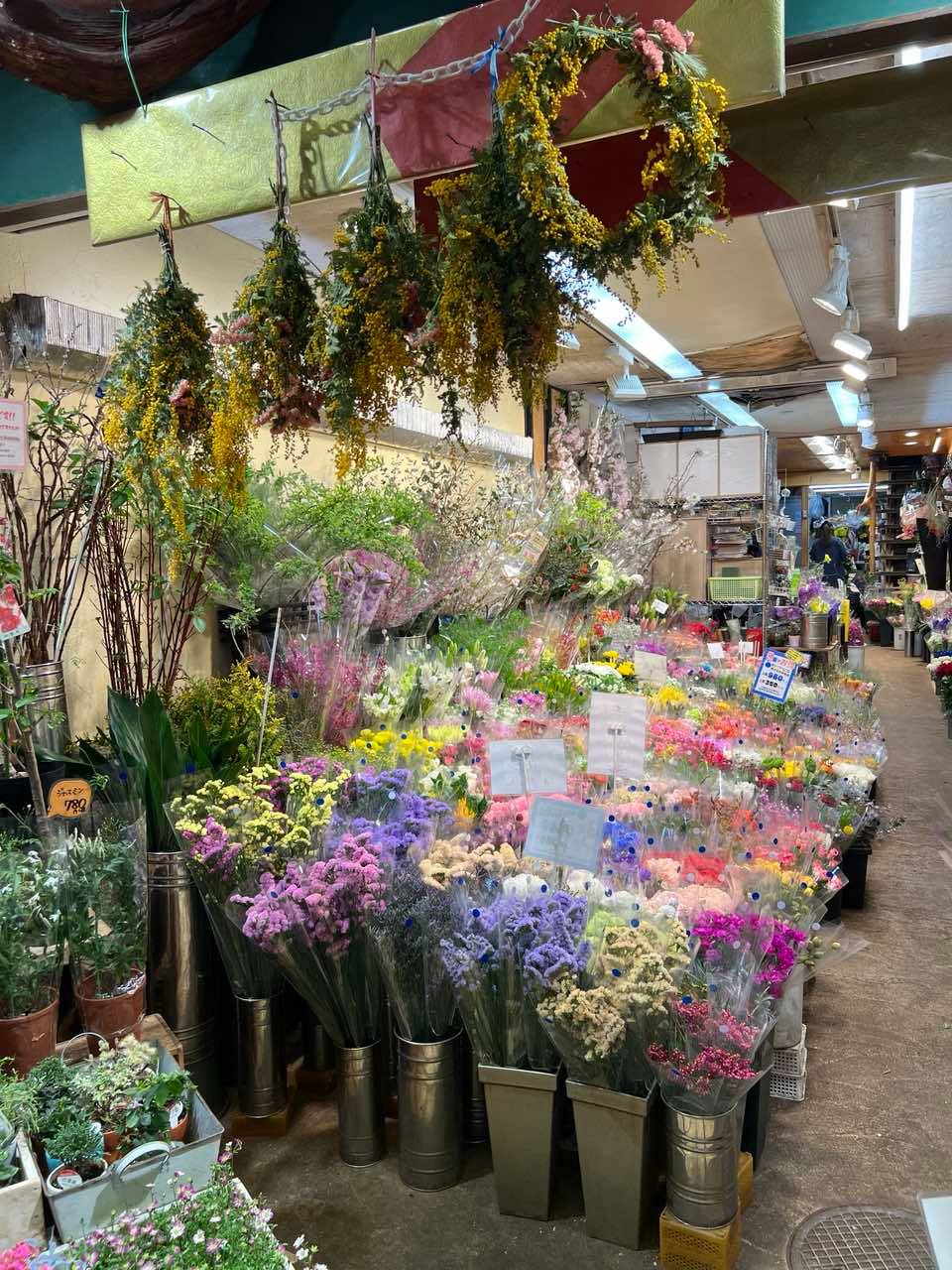
Fresh flowers galore.
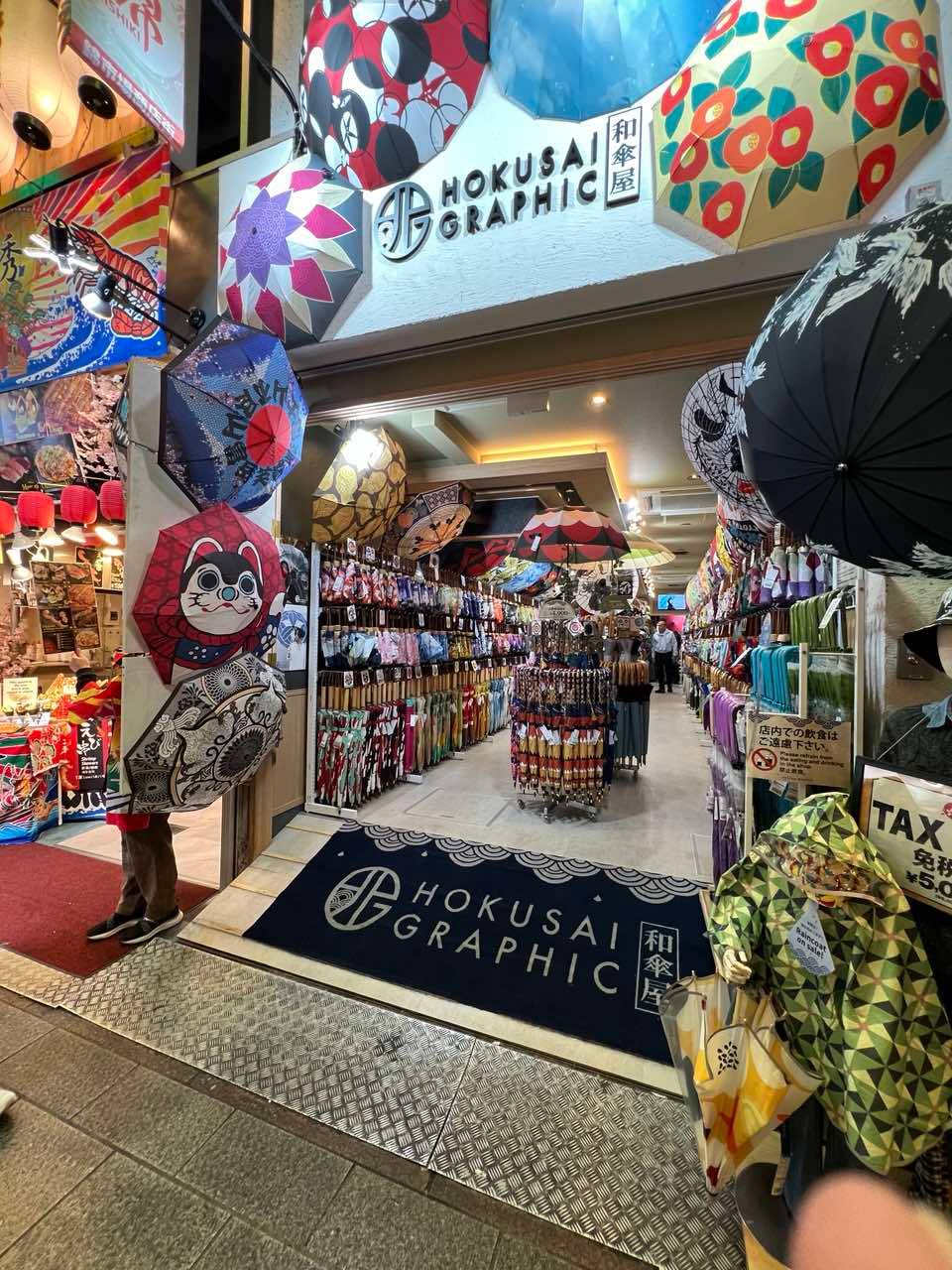
The Hokusai Graphic shop.
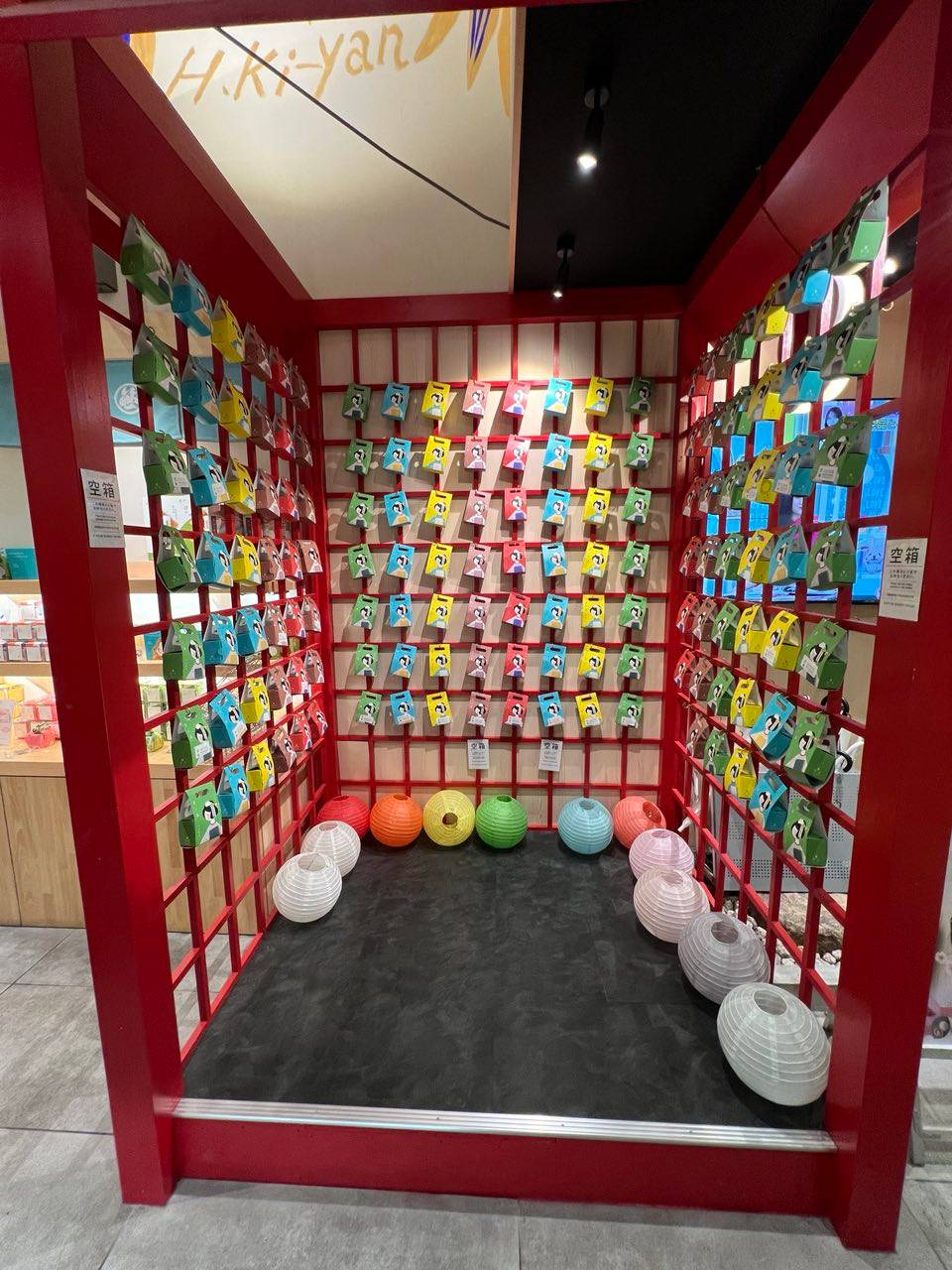
Neatly-packed cloud mousse cakes.
Photographs by EDU JARQUE FOR DAILY TRIBUNE