




The tempest that is Senate Bill 2805
'We urge our legislators to bring the industry to the table and begin again — so that any regulatory framework truly protects, not polices, the creative space.'


Text size
'We urge our legislators to bring the industry to the table and begin again — so that any regulatory framework truly protects, not polices, the creative space.'

FILMMAKER Brillante Mendoza.
Photograph courtesy of fb/brillante mendoza
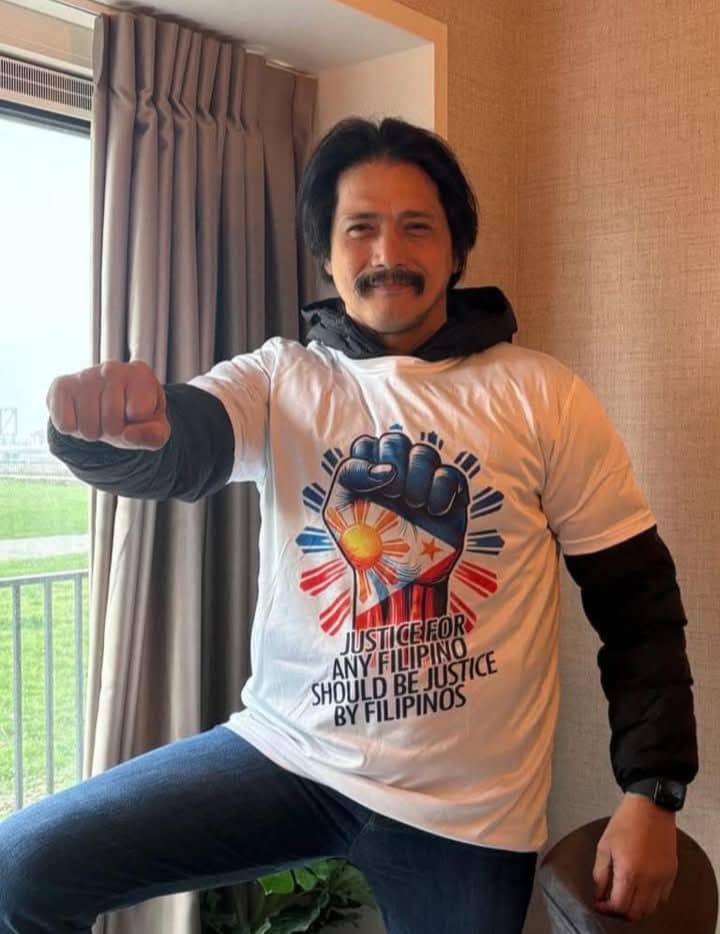
SENATOR Robin Padilla
Photograph courtesy of FB/ROBIN PADILLA
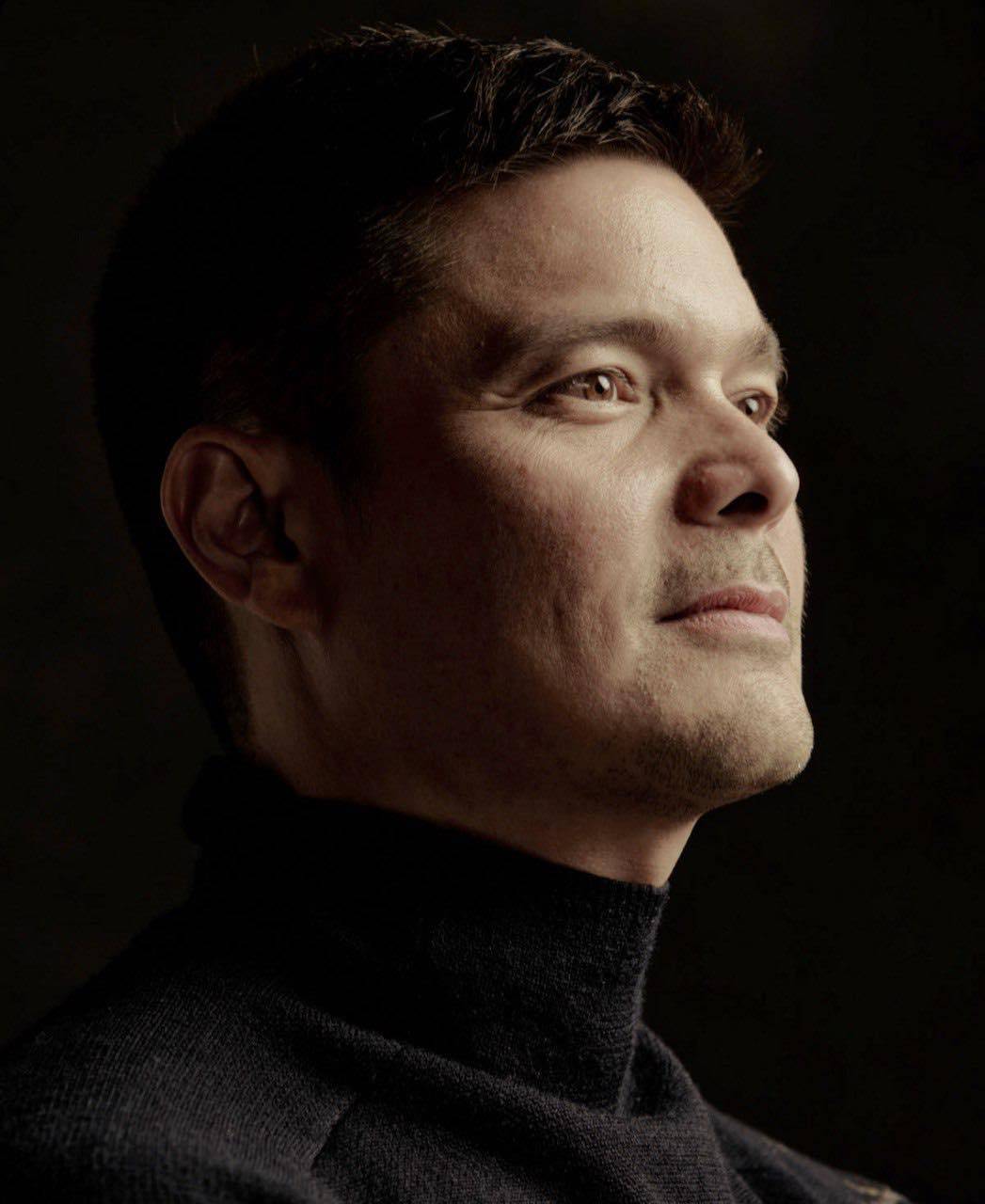
AKTOR PH chairman Dingdong Dantes.
Photograph courtesy of fb/dingdong dantes
The Movie and Television Review and Classification Board (MTRCB) was created through Presidential Decree 1986 signed on 5 October 1985 by then President Ferdinand Marcos. It is mandated to regulate and classify motion pictures, TV programs and publicity materials, among others.
Since its creation, controversial decisions made by the MTRCB have triggered a public uproar; to cite some examples, banning Lino Brocka’s Ora Pro Nobis, Martin Scorsese’s The Last Temptation of Christ and Jose Javier Reyes’ Live Show; temerity to delete an important scene in Steven Spielberg’s Schindler’s List and the "for adults" rating of The Da Vinci Code. Adding more flair and fire to its history were its former chairpersons, Maria Kalaw Katigbak, Manuel Morato, Marissa Laguardia and its current Diorella Maria Sotto-Antonio.
Now, because of Senate Bill 2805, MTRCB is in its most tempestuous era, as concerned artists and filmmakers are making public their rage and revulsion for the said bill.
Palme d’Or Best Director and Filipino film master Brillante Mendoza wrote an open letter on his official Facebook:
“Senator Robin Padilla’s proposed bill regulating streaming content through the MTRCB is deeply troubling. The stated intention is to protect children, but this is blatant control over our individual viewing choices in the privacy of our own homes. Who has the right to dictate what we can and cannot watch? Should a government agency have this power? Is the control they already exert over cinema and television not enough?”
“We live in an age of social media and widespread internet access. We cannot, and should not, control what every citizen chooses to watch. This is not the government’s purview; it is a matter of personal responsibility. If this bill aims to safeguard the morality of young people, controlling access to content is not the answer. That responsibility lies with parents in raising their children. If a child witnesses corruption daily, from the barangay level to the highest echelons of government, how can they be guided towards righteousness? This is where our focus should be.
“Everything begins in the family. Who we are today is a product of our parents’ upbringing, and no one else’s. Let’s keep showbiz where it belongs — out of the business of governing others. Let’s stop the political grandstanding. Showbiz personalities who have attained power and wealth, thanks to the film industry should prioritize the welfare of Filipino film workers. They have prospered within this industry, yet concrete legislation to protect its workers remains absent. After years of acting, experiencing the hardships of filmmaking, and serving in politics, have they not paused to consider how they might help their fellow workers?
“Had Eddie Garcia not died, perhaps the law regarding fair working conditions would have been enacted sooner. It’s a basic law that should have been in place long ago.
“The industry has been languishing, yet no action has been taken to revive it, while ordinary film workers struggle to survive. Even directors and writers resort to odd jobs just to make ends meet.
“We live in modern times. Let us not be hypocrites. Let us be truthful. Let us open our eyes to our surroundings. Let us feel what others are going through, what is in the hearts of our fellow Filipinos. Let us truly see, not just look. Because in seeing, we will find something far more meaningful.”
The progressive Aktor PH’s statement was shared by its chairman Dingdong Dantes on his IG stories: “Any legislation that impacts freedom of expression, artistic integrity and livelihood must be shaped with those who live and work in this space.”
While the group recognized existing provisions that protect creators, it affirmed its belief in “a self-regulating industry, where accountability is upheld from within, and reforms are made in genuine partnership with the community.”
The Dantes-led actors’ group emphasized in their statement that it supports, safeguards against harm and exploitation, “but not vague standards or sweeping controls” that risk suppressing voices and opportunities in the creative industry.
“We urge our legislators to bring the industry to the table and begin again — so that any regulatory framework truly protects, not polices, the creative space,” Aktor PH’s statement ended.
There is no comprehensive research, not even an exhaustive study readily available that can be used as direct evidence, link or solid proof that the audiences' viewing preferences, whether they watch it through television, film or on-line content, as the culprit of the abhorrent behavior, decay of morality and why the majority make a mess of their lives.
What is good and true, fair and just, wrong and wicked, first and foremost, come through our family. Children learn from what they see and observe from their major authority figures.
When they are whisked off to school, their teachers and the friends they choose are considered most influential to their aspirations and dreams, intellectual pursuits and emotional health. Factor in religious faith and morality. Life experiences, with all their passion and pain, bliss and boundaries, trials and triumphs, nurture and nature, plus the yin and yang, magical and mystical bits and pieces, the sum of all these account for our individual choices.
Giving more powers to an office and their morality crusade is a band-aid solution that is anchored on “perception” as their qualifier to gauge the contemporary decadence and immorality they fear will pollute the minds and hearts of the young. Anyone who uses “fear” as the motivation to do good and win a perceived war has already lost from the very beginning. “Fear” is propelled by ignorance, lacking the knowledge, data and research to back up their “heroic quest” of protecting the innocent and pure.
What must be prioritized and pushed is the resurrection of good manners and right conduct as a subject for all students from kinder up to senior high. Aside from GMRC, humanities and culture must be top-tier subjects in school, not just science and math.
Sex education as part of the curriculum is a must. Emphasis on it being discussed and presented as its most factual and scientific. A well-informed youth helps prevent early pregnancy, sexually transmitted diseases and HIV. Sex must be a topic of open and honest conversation to erase the malice and squeamish elements that are related to anything that is sexual.
The impressionable and the young must have limited access to materials that arouse the loins and increase body heat.
There is no need to safeguard the innocence of those who can already vote and have purchasing power to pay for the streaming platform fees and watch the kind of entertainment that they deserve.
Adults are adults. They know what is best for them. And they know that exposure to programs that arouse their carnal callings does not mean they will act on it, give in to the sensation and seduction, and be perverted.
Frankly speaking, the MTRCB has become obsolete. Proof, the biggest mall chain has already imposed that R-16 movies are not allowed in their cinemas and that those with R-13 ratings are given limited movie houses. With this reality, what is the purpose of this agency?
Their “classification mandate” must be transferred to the NCCA’s Committee on Cinema, which is composed of experts in the cinematic arts. Their moralizing, especially in wanting to protect the youth, leaves it to their parents, teachers, and trust that Gen Z and those who will follow them have been raised properly, educated well and will make brilliant life choices.
Housing is probably the biggest issue affecting people the world over.
Malacañang on Monday called for a more thorough investigation into the questioned flood control projects in Taguig…
The defense on Monday backed the move by senator-judges to exclude a prosecution witness who testified on the firearms…
