




Sherlock Holmes in Kobe, Japan: Incredulous? Conceivable!
The simple answer we later surmised? One of his most famous quotes: 'My name is Sherlock Holmes. It is my business to know what other people do not know.'


Text size
The simple answer we later surmised? One of his most famous quotes: 'My name is Sherlock Holmes. It is my business to know what other people do not know.'
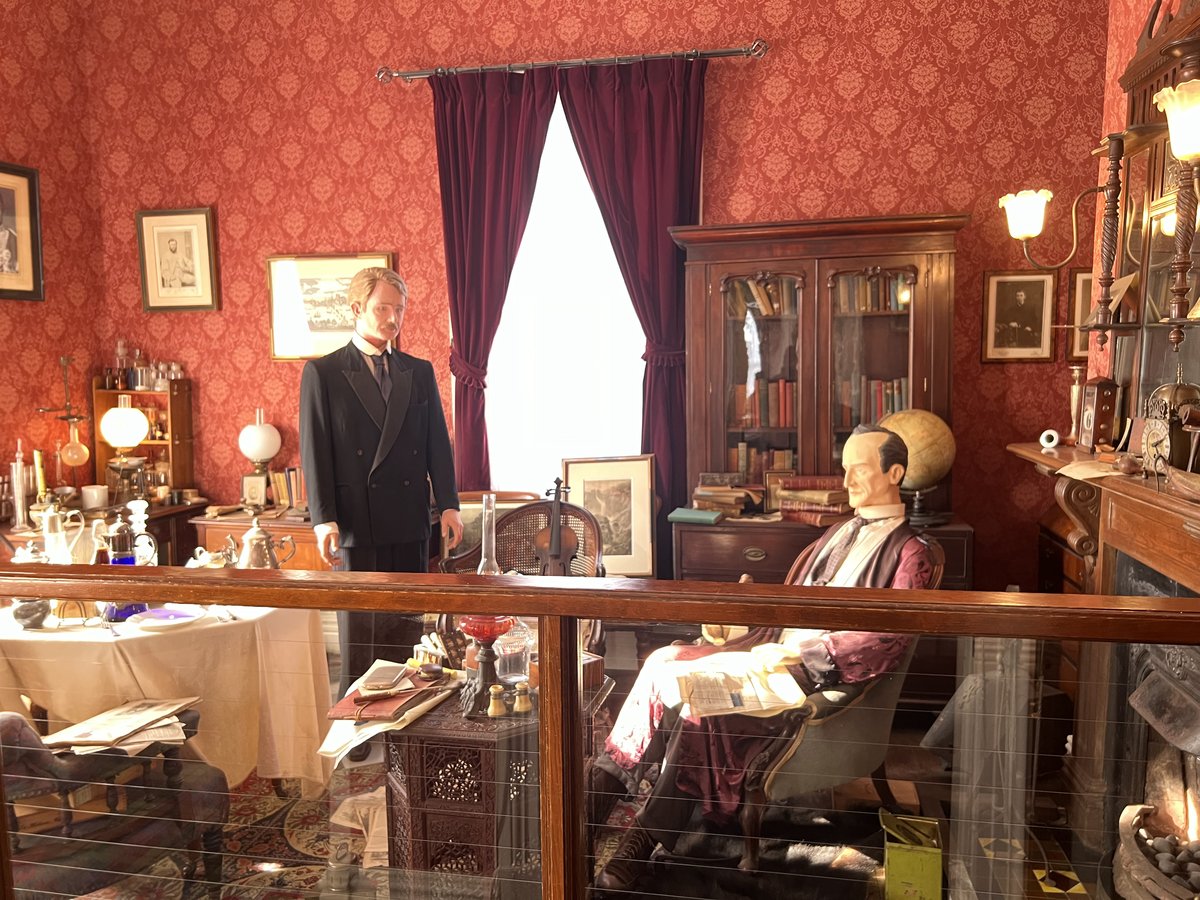
Figures of the detective and his sidekick Dr. John Watson in the living room.
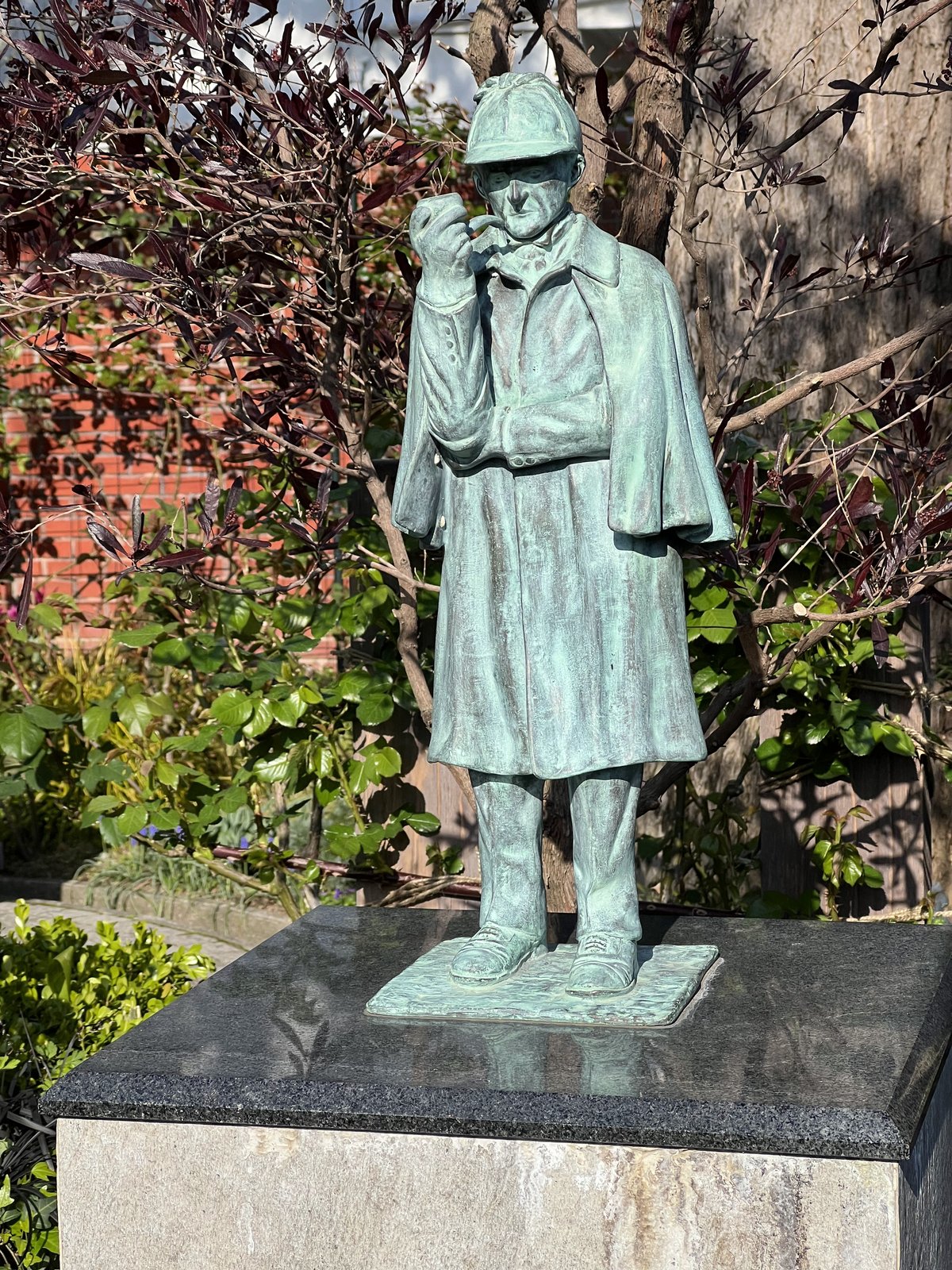
A Sherlock Holmes statue at the English House.
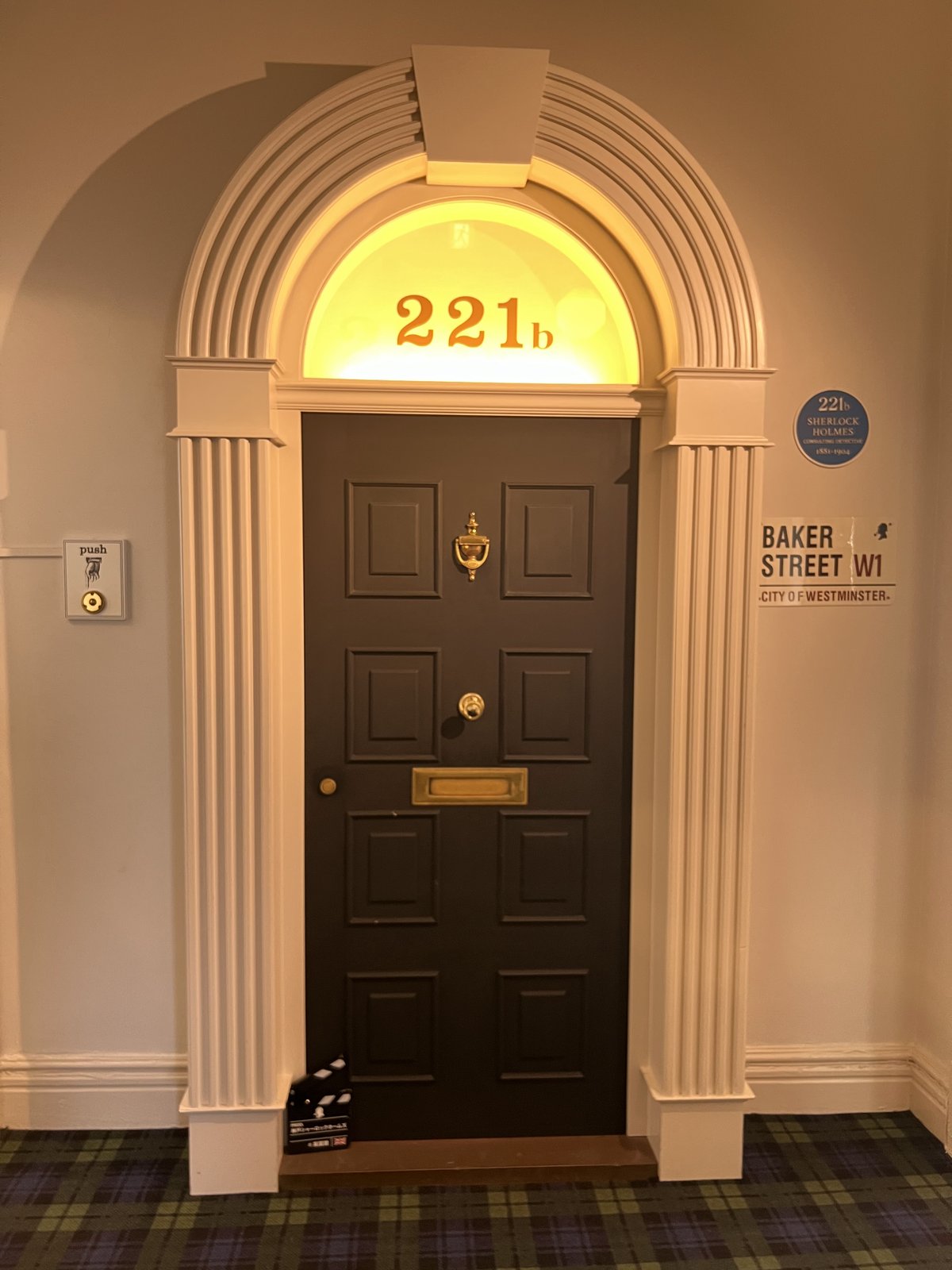
221B Baker Street, the address of Sherlock Holmes, complete with the Blue Plaque.
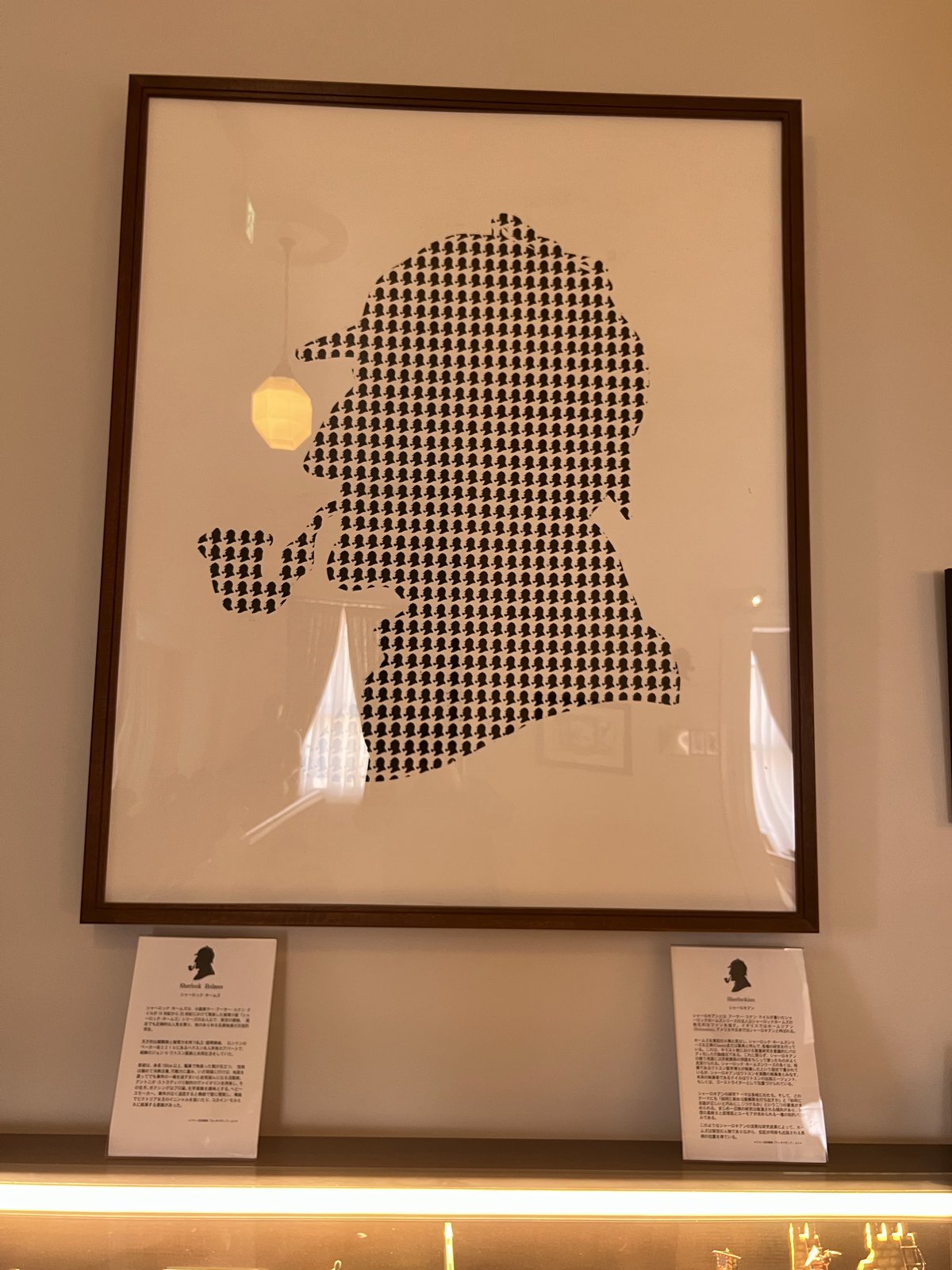
A framed tribute with his distinctive pipe and deerstalker hat.
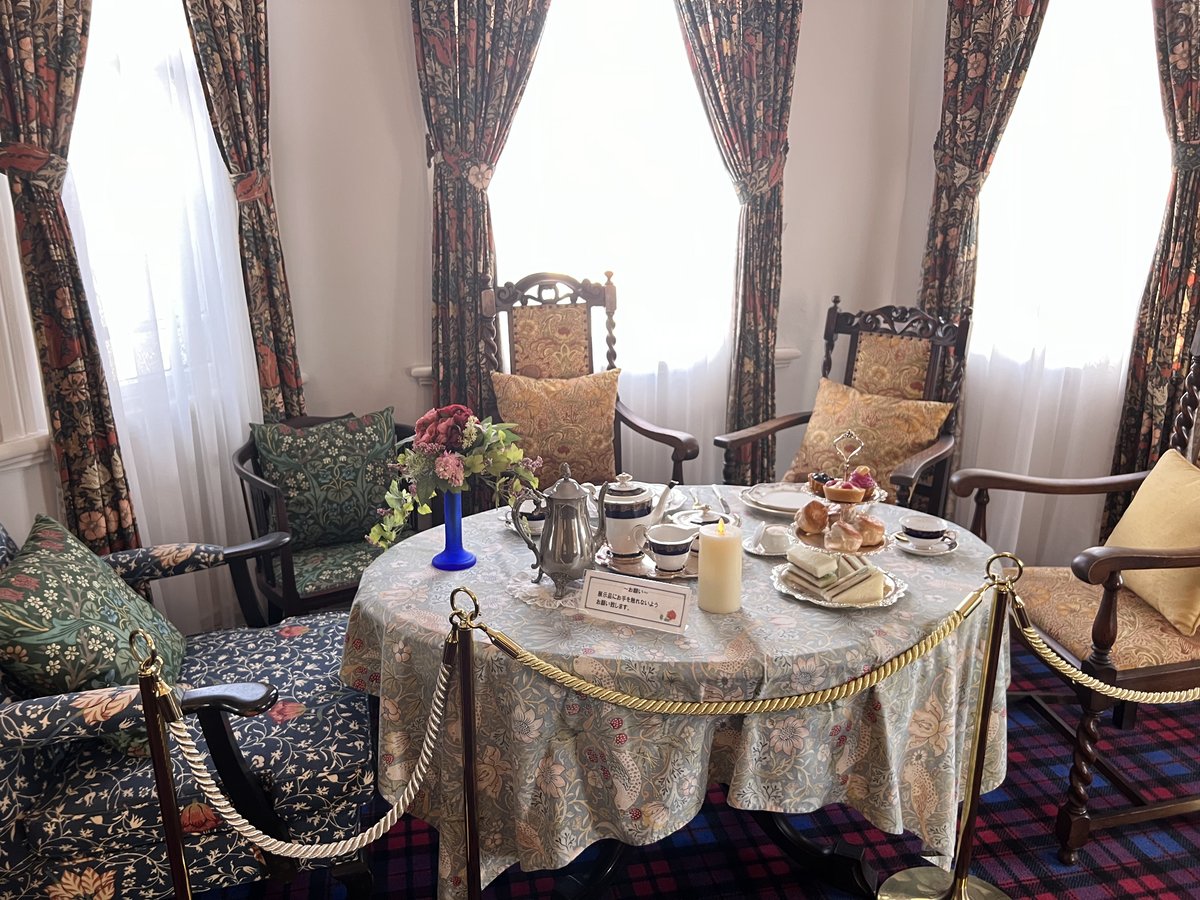
English tea time.
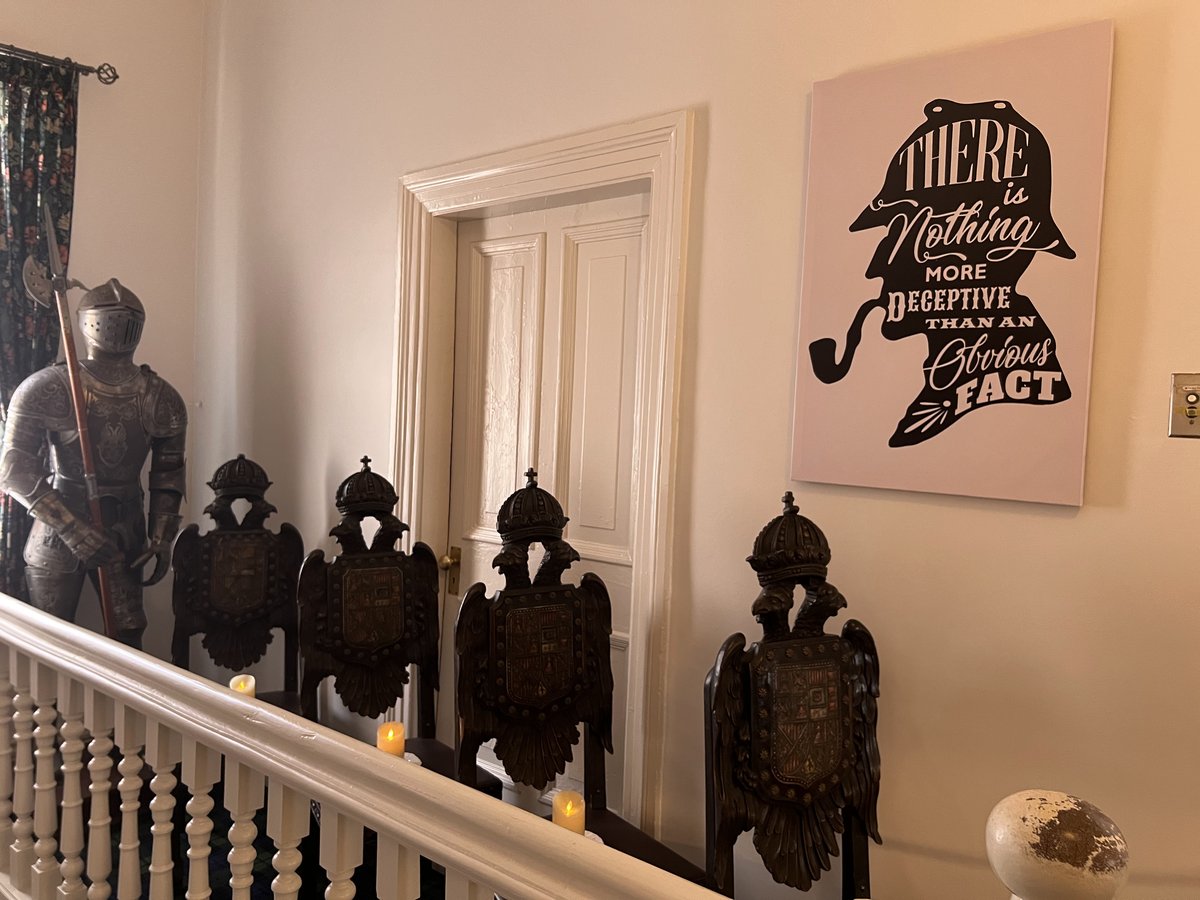
A knight in armor guards the hallway.
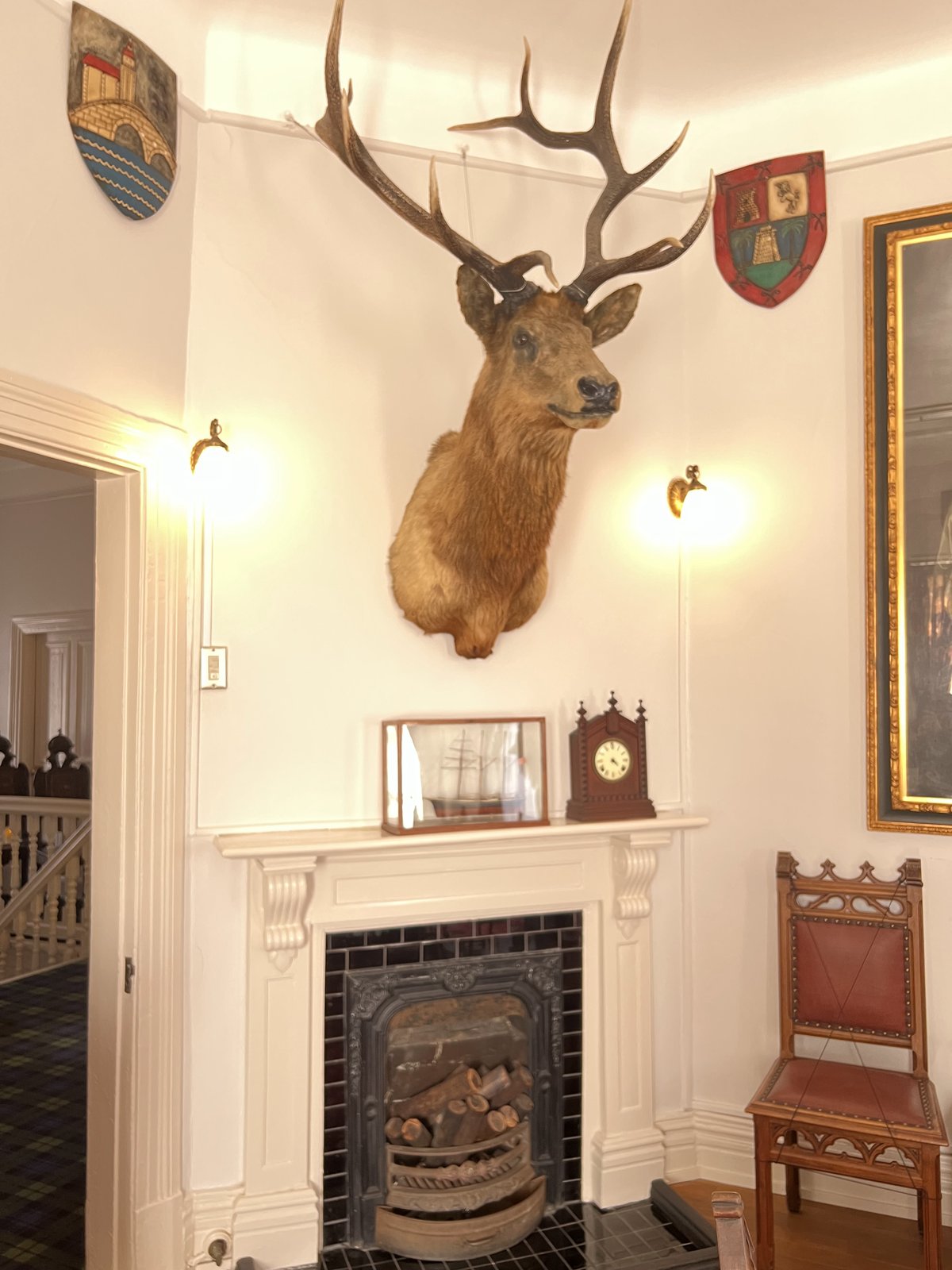
The fireplace of his abode.
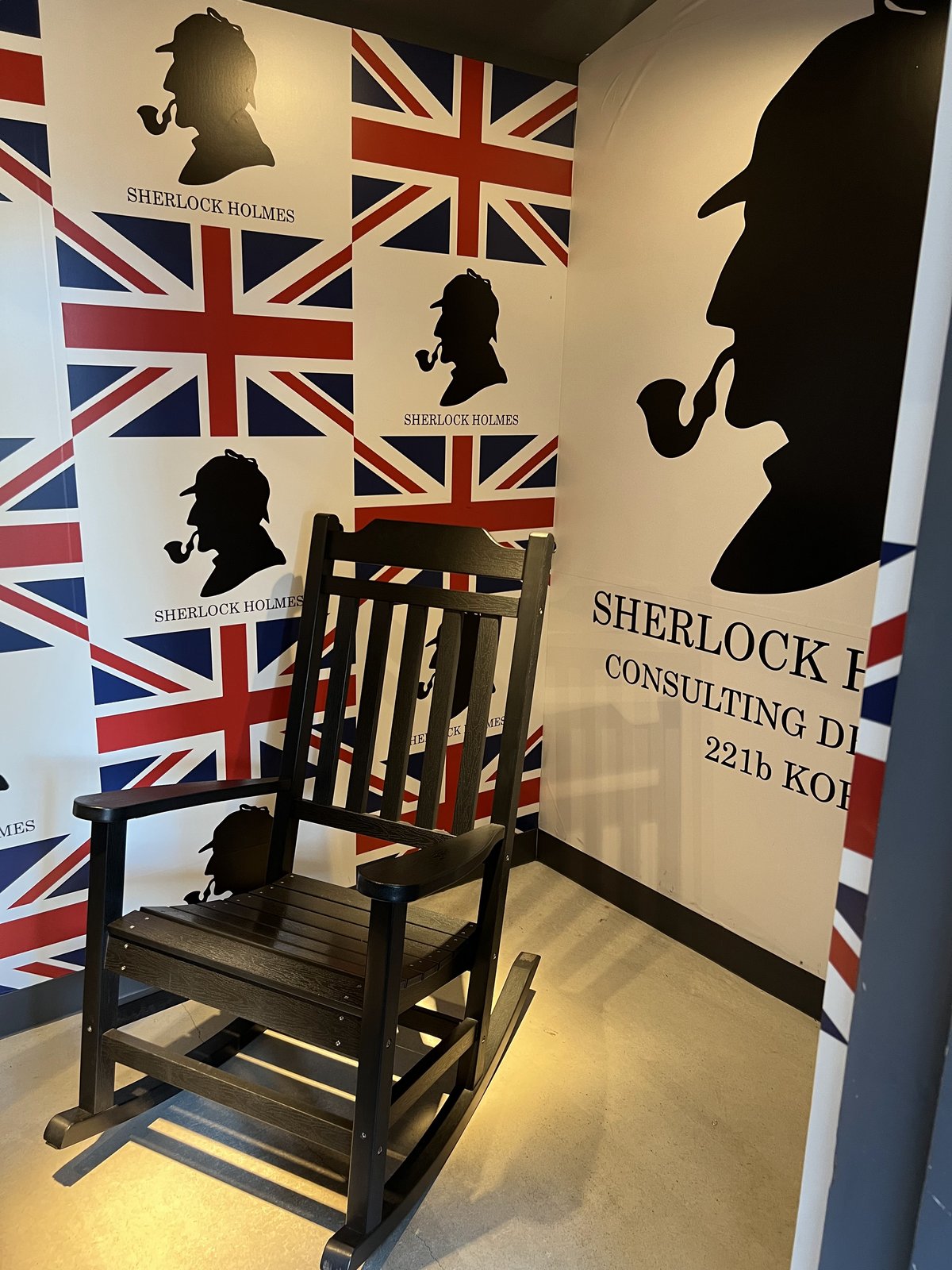
A faithful recreation of his trusted rocking chair.
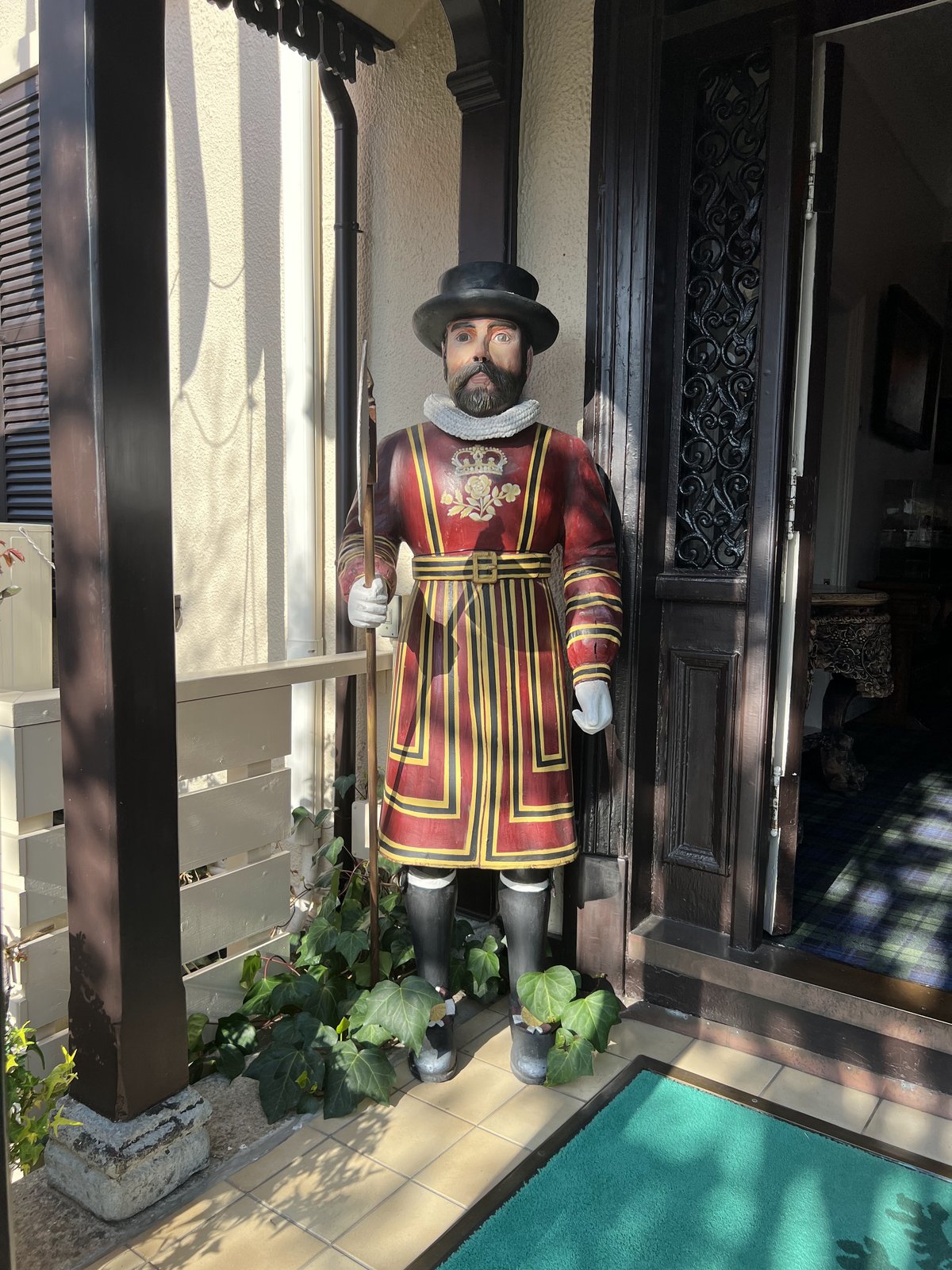
A Beefeater stands as sentry at the entryway.
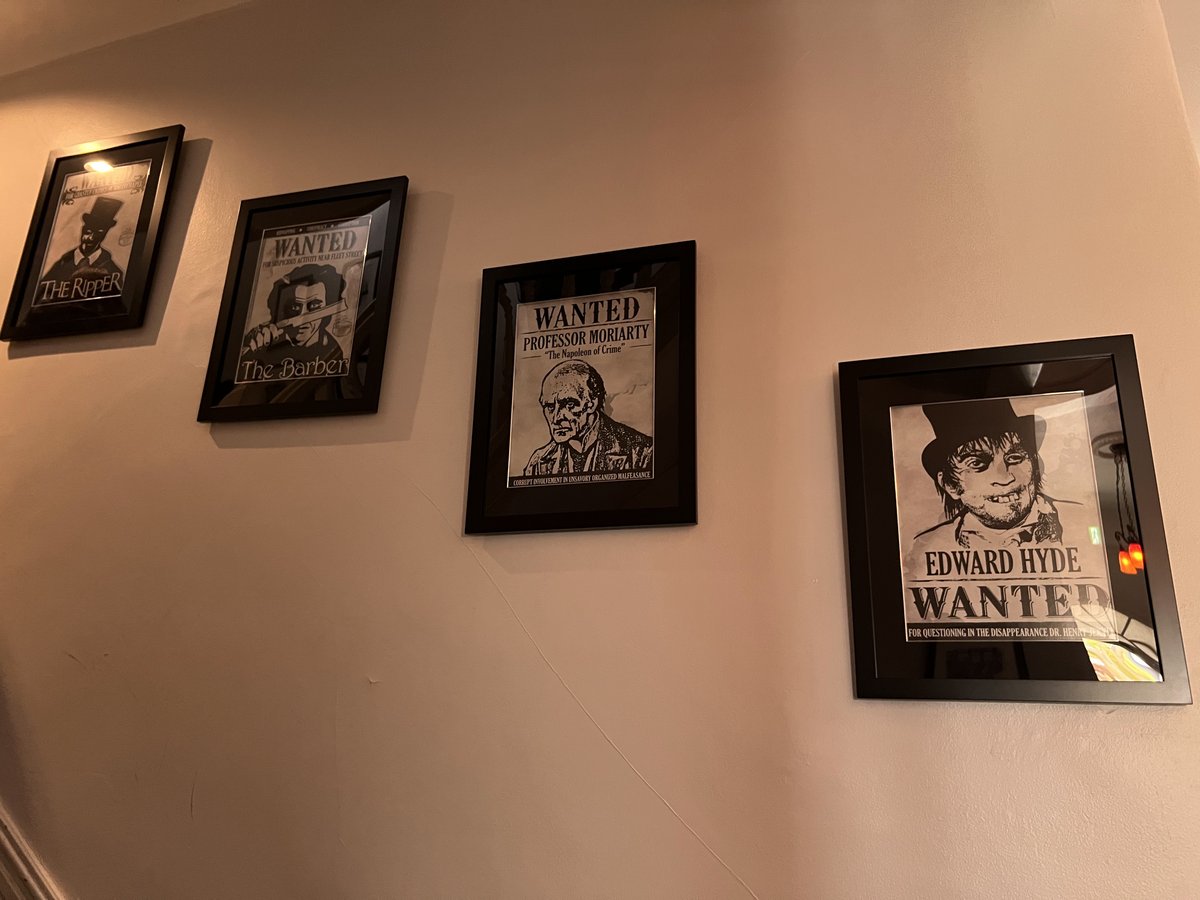
Some posters of notorious literary characters.
Buddies, associates? One happy family?
A traditional dish called zongzi is served during China’s Dragon Boat Festival, which falls in June. It is a rice…
Divina credited the firm’s achievements to its members, thanking them for their ‘hard work, dedication, teamwork, and…
‘Sec. Vince Dizon, please explain how this finding of your own team should not be flagged as a ghost project in Taguig.’
During grade school days, on an assigned day of the week, there was always a race to the library. It was all because the old men of the campus — the high schoolers — would return books after a seven-day bender. And we had the electric thrill of getting our hands on the right book before anyone else.
The coveted prize? A copy of the ever-growing series of The Hardy Boys — mysteries we all devoured.
But for some, the epitome of detective stories was Sherlock Holmes. Sir Arthur Conan Doyle’s never-miss genius and his ever-loyal sidekick, Dr. John H. Watson, were guaranteed page-turners, and if you somehow did not read the newest volume, you simply did not belong — and that’s a testament to being an outcast in our youthful gang.
Though admittedly we were voracious readers at school, I must confess — we somehow didn’t always finish every chapter of our assigned required readings for reports. We skimmed, we summarized and prayed for a golden quote to pluck from random pages. But not Holmes — these tomes were guaranteed to be read cover-to-cover, back-to-back.
The stories challenged us and made us wonder “How did he know?” or “How did he do it?”
The simple answer we later surmised? One of his most famous quotes: “My name is Sherlock Holmes. It is my business to know what other people do not know.”
And thus, on our most recent overseas holiday, it came as a pleasant surprise — almost a literary ambush.
No matter how much I have read and how many museums I have visited, I was still unprepared for the day’s itinerary. In the city of Kobe in Japan: An entire hideout of Sherlock Holmes brought to life!
Set on a hill of Mount Rokko, the Kitano-cho district of Kobe is known for its foreign flavor. Once home to ambassadors and diplomats, and overseas merchants and traders after the Hyogo Port opened from isolation to the rest of the world in the late 1800s, this charming neighborhood houses the country’s most extensive and locally-admired collection of ijinkan, or Western-style residences.
From the 300 homes that once stood, just around 30 remain — with fewer than 20 open to the public. Still, each is a time capsule: the French and Italian houses with ornate furnishings, the Dutch museum with its old-world perfumery and the fairytale-like Uroko House with its shimmering fish-scale tiles and panoramic views.
But perhaps none captivates the way the English House does.
A former German doctor’s clinic, its ground floor still carries hints of a bygone medical practice, including a preserved prescription counter. Yet it’s the second floor that arrests every fan’s heart.
Though it seemed impossible, it was right there, in front of our very own eyes. This reminded us yet again of another one of the detective’s popular lines: “When you have eliminated the impossible, whatever remains, however improbable, must be the truth.”
With the assistance and support of the Japan Sherlock Holmes Club, the iconic 221B Baker Street — pipe, violin, books, magnifying glass, notepads, clutter and all — has been recreated in remarkable detail. It’s based on The Adventure of the Musgrave Ritual, the 20th story in the Holmes canon, and walking through it is nothing short of stepping into the pages themselves.
We were delighted to spot a mother more excited than the daughter — and even a family of four — who all donned detective coats and deerstalker hats, freely roaming the house in costume, indulging their inner sleuth.
The attention to detail stuns — from period furniture spanning the Baroque to the Victorian era, to William Morris, the Arts and Crafts movement’s founder, prints on the walls.
And outside, beyond the wood-paneled drawing rooms, lies a themed English garden, divided into four quaint sections. There’s even a “Tree of Confession,” where guests are invited to pen down secrets and hang them among the branches.
To describe the entire experience into words, I do believe another Sherlock adage is in order: “Excellent!” I cried. “Elementary,” said he.
Oh yes, Sir Arthur Conan Doyle’s full-of-twists narratives were never set in Japan. But traces of the culture do appear in Holmes’s world — Emperor Shomu during the Nara Period is mentioned in The Adventure of the Illustrious Client, and Japanese martial arts inspired Holmes’s fictional baritsu style in The Empty House.
So perhaps it isn’t so strange after all, to find the great detective reborn here, in Kobe’s quiet hills. It’s totally unexpected, and outstandingly excellent. And, dare I say — quite elementary!
