




GIR level rises to $105.5B in May
Text size
Buddies, associates? One happy family?
A traditional dish called zongzi is served during China’s Dragon Boat Festival, which falls in June. It is a rice…
Divina credited the firm’s achievements to its members, thanking them for their ‘hard work, dedication, teamwork, and…
‘Sec. Vince Dizon, please explain how this finding of your own team should not be flagged as a ghost project in Taguig.’
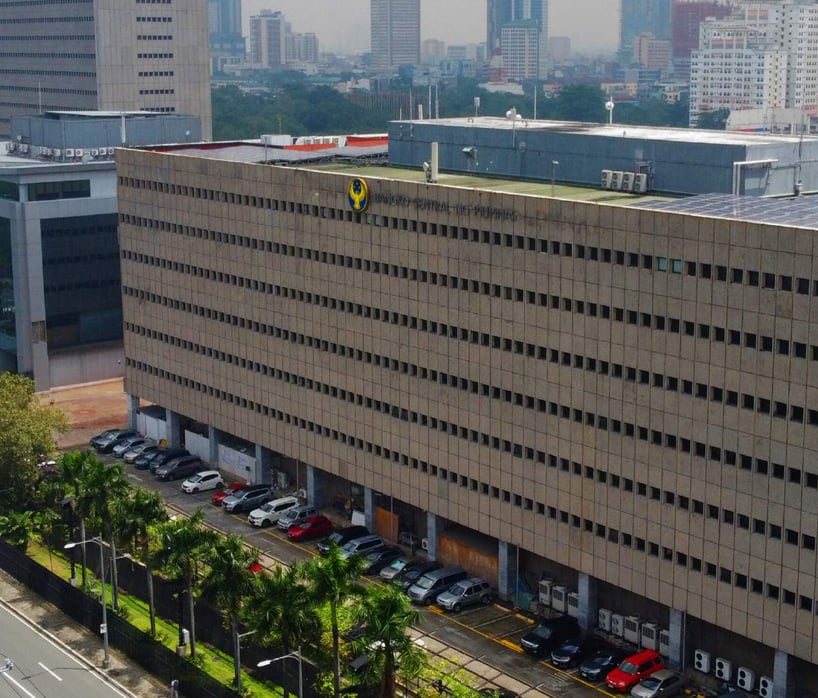
The country's gross international reserves (GIR) in May increased to $105.5 billion from $105.3 billion in end-April, reflecting higher gold prices and foreign currency deposits from the national government.
However, the Bangko Sentral ng Pilipinas (BSP) said the May figure was lower than February's $107.4 billion, which is the highest level so far this year. It also settled below the historic $112.7 billion in September 2024.
Still, the BSP said the May level remains more than adequate to cover 7.3 months' worth of imports of goods and payments of services and primary income.
The Central Bank said the GIR level last month was supported by increased value of gold holdings as the asset's global market prices grew to over $3,350 per ounce from about $3,200.
As of 6 June, gold prices rose by 0.22 percent to $3,361 per ounce as businesses worry about trade disruptions from Trump's tariffs. A survey by insurance brokerage Gallagher reveals 90 percent of American businesses share this sentiment.
"Gold prices surged, indicating heightened investor demand for safe-haven assets amid anticipated trade disruptions," the Institute of International Finance reported.
"Meanwhile, the US dollar exhibited mixed reactions, weakening against the euro while modestly appreciating against the yen," the institute added.
The BSP added it registered a higher net income from its own foreign investments, while the national government increased its net foreign currency deposits with the BSP.
Accordingly, the net international reserves also rose to $105.34 billion in May from $105.26 billion in April as the BSP's reserve assets exceeded its payments for foreign loans.
An analysis by S&P Global said businesses might delay expansions in certain countries as the US Court of Appeals for the Federal Circuit recently denied petitions to lift Trump's tariffs.
The US Court of International Trade had protested that US President Donald Trump's declaration of the tariffs using the Emergency Economic Powers Act is illegal.
"The protectionist policies of the US and possible retaliatory reactions could lead to a reduction in global economic growth and could trigger profound changes in supply chains," Atradius NV, a major global trade credit insurer, told S&P Global. Many other insurers shared that most firms have boosted investments in Vietnam, Thailand, and Brazil.
"The effects of the tariffs will also not be felt immediately. Much depends on whether, and for how long, the tariffs remain in force," S&P Global said.
