
New Wave of Community Malls Redefines Urban Retail in the Philippines
The rise of the community mall is a powerful counter-narrative to the commodified, transactional nature of much of Philippine mall culture. As these spaces continue to thrive, they are not only reshaping retail — they are reimagining what it means to build for people, purpose and place.


As the Philippine retail scene continues to evolve, a new breed of community-driven malls is carving out space in the country’s dense urban landscape — reimagining how Filipinos gather, shop and connect.
According to a recent report by Colliers International Philippines, “community malls” — once synonymous with neighborhood convenience — are taking on a more dynamic and curated role. No longer just pit stops for errands, these compact but carefully designed spaces are becoming incubators for creativity, collaboration and local culture.
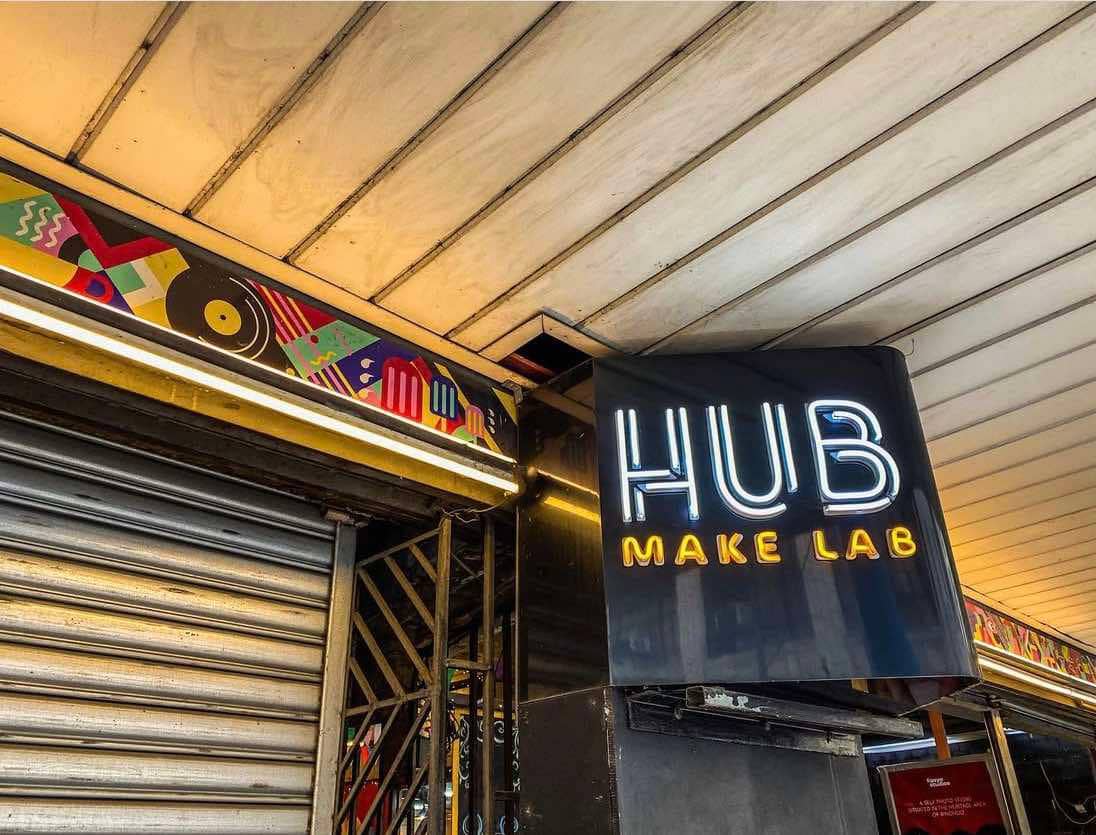
HUB Make Lab is a creative hub located in First United Building. It has become a haven for young artists and creatives and small business owners.
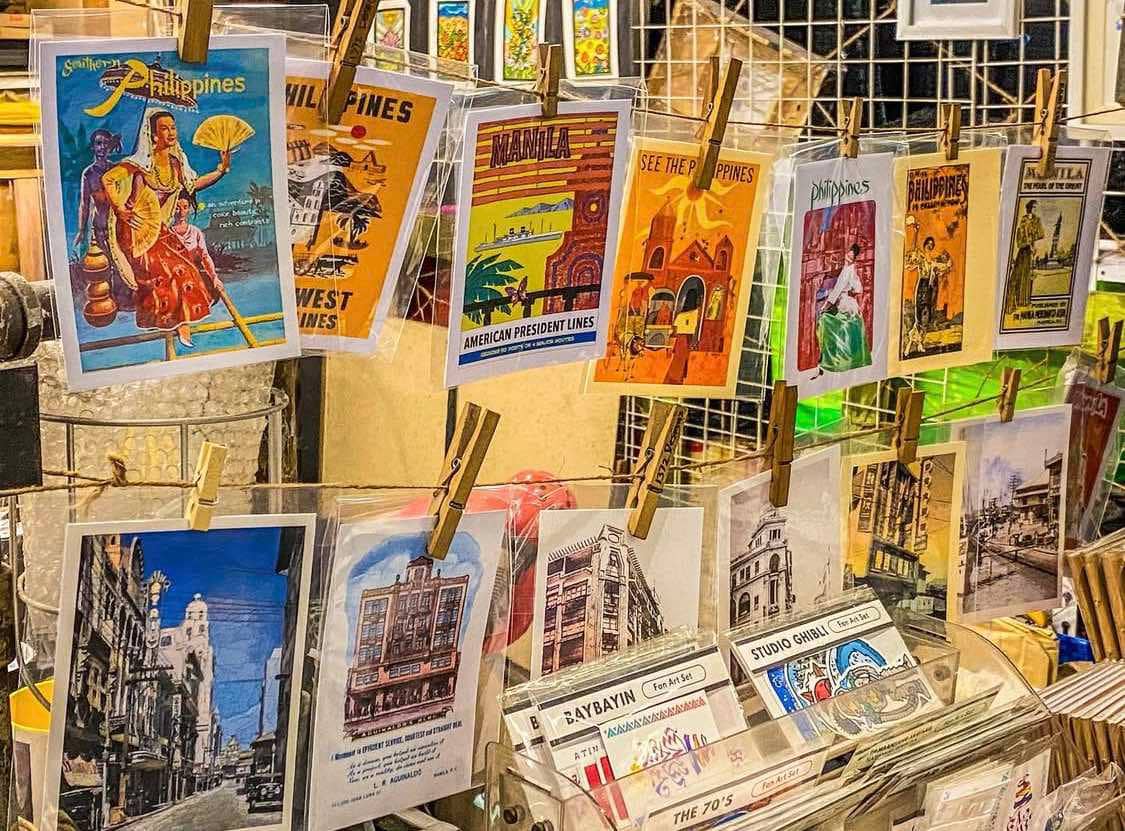
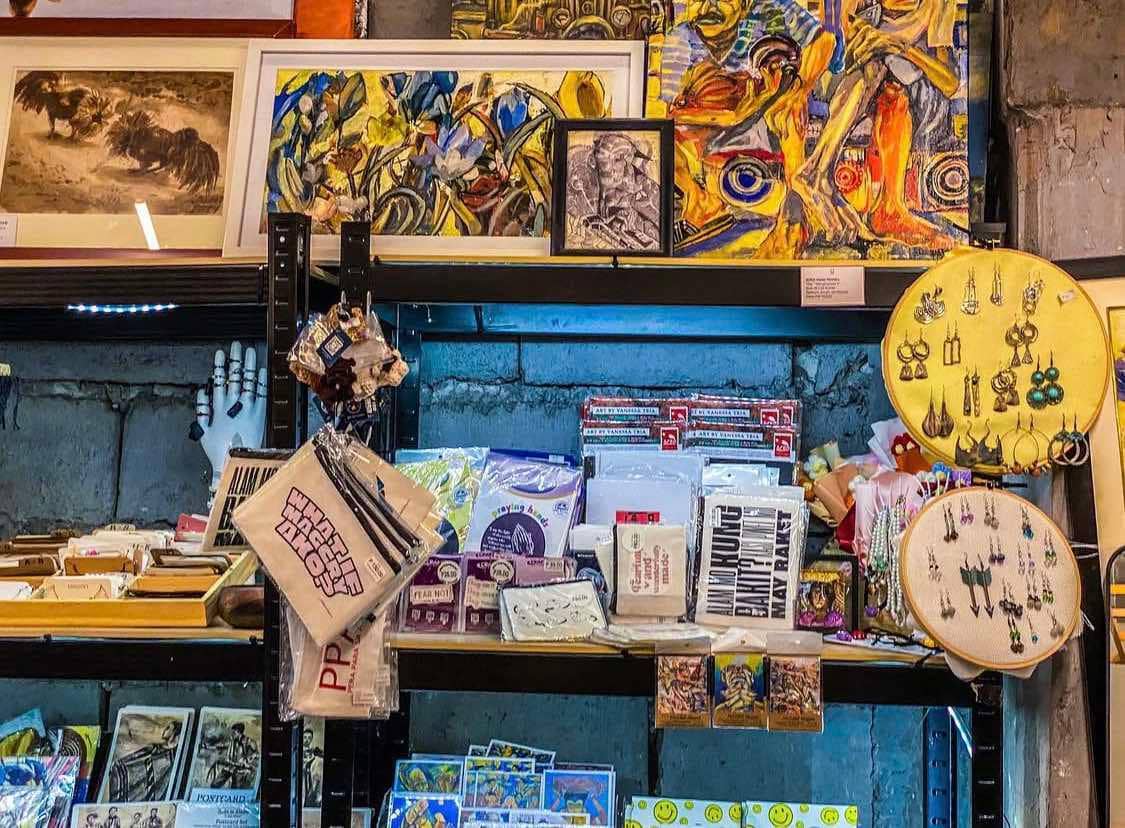
The inside of HUB Make Lab is a bevy of creative products made by independent artists.
Beyond shopping
From Comuna.ph and Karrivin Plaza in Makati to The Corner House in San Juan and the revitalized First United Building in Escolta, these next-gen community malls are rethinking what a retail environment can be. Anchored not by supermarket chains or fast-food giants but by independent cafes, niche concept stores, art studios and design-forward pop-ups, these spaces champion experience over efficiency.
They reflect a growing consumer desire for authenticity and connection. Rather than sterile, air-conditioned boxes optimized for foot traffic, these new hubs are open, collaborative and intentionally human. Inspired by regional icons like Bangkok’s The Commons or Ho Chi Minh City’s Café Apartment, the Philippines’ own version blends Filipino creativity with a sense of place and purpose.
The emphasis is clear: people over profit. Community over consumption.
Retail meets culture
These malls also provide critical platforms for small brands, independent makers and young creatives. They offer flexible terms, temporary pop-up opportunities and the kind of visibility that’s rare in traditional malls dominated by national and international chains.
Each space is carefully curated to create a cohesive identity that reflects the spirit of its neighborhood. The result is a retail destination that feels more like a shared living room than a commercial center — a place where creativity, commerce and community coexist.
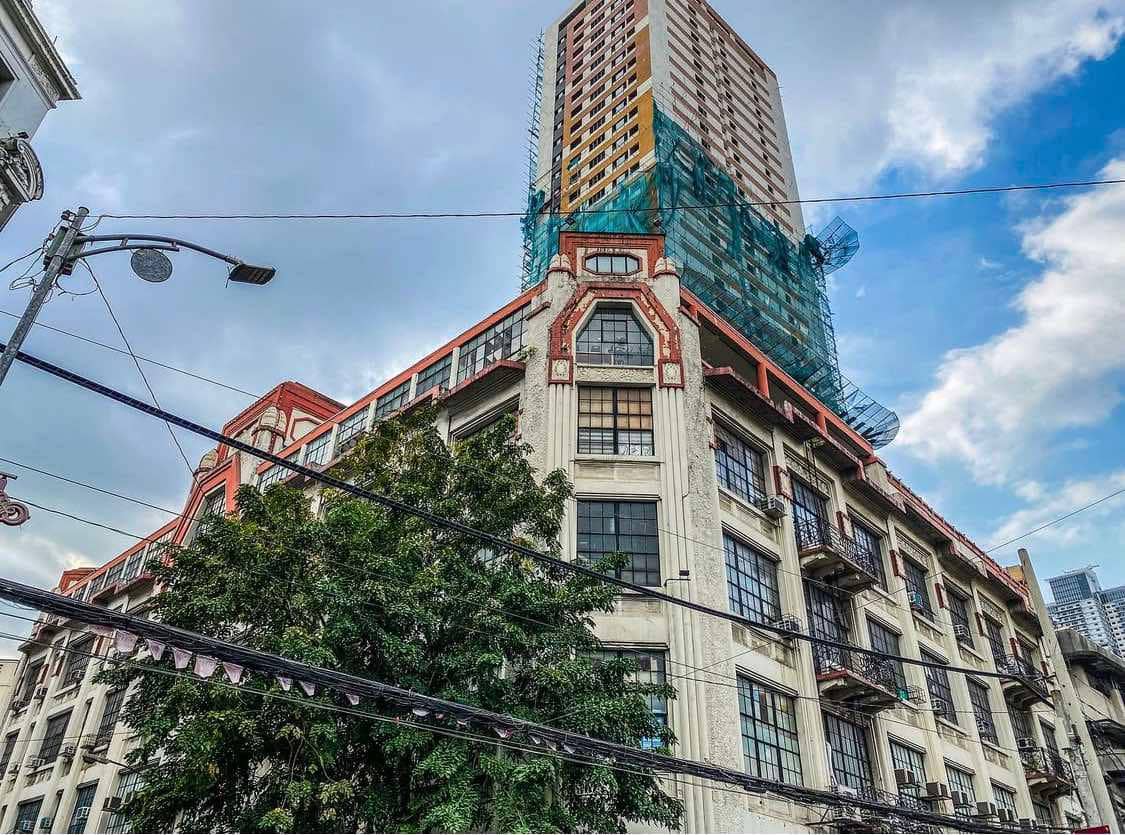
First United Building in Escolta, Manila
Curated, connected, communal
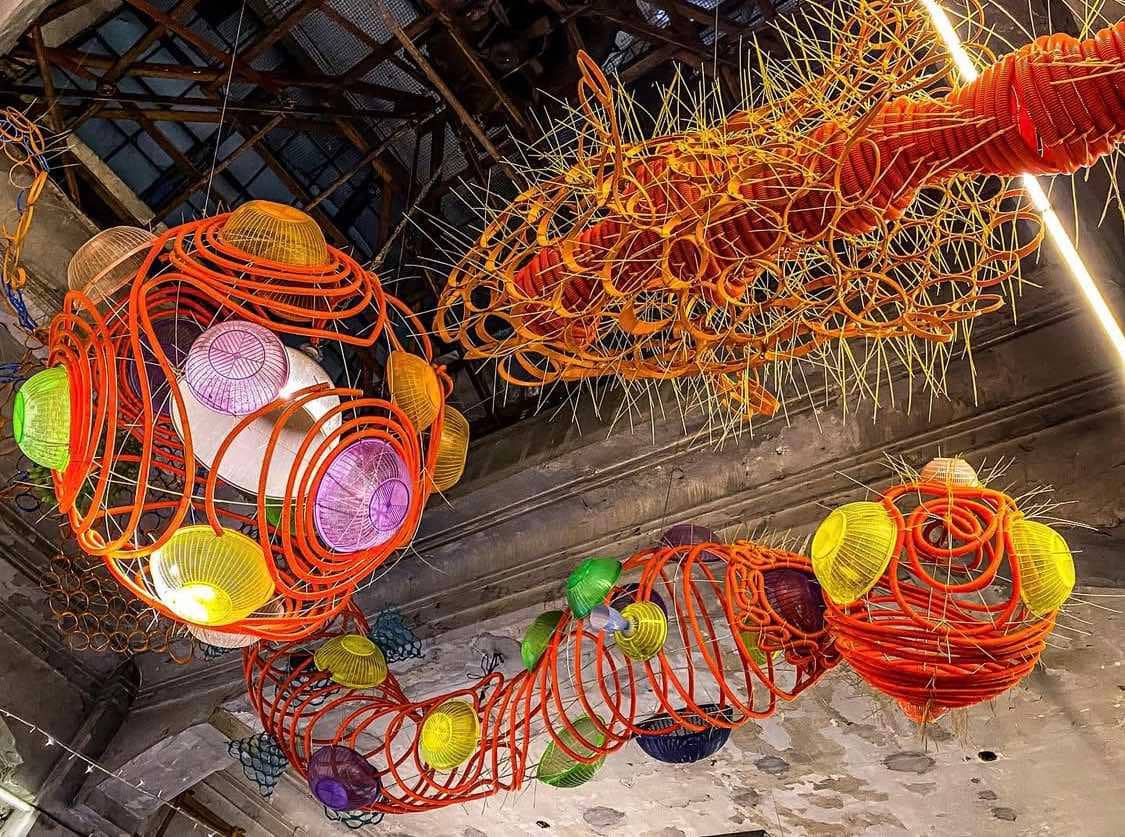
Colliers notes that this wave of alternative malls is influencing how real estate developers think about urban spaces. With an increasingly experience-driven consumer base — particularly among Gen Z and millennial shoppers — the demand for creative, community-focused developments is rising. Art installations, flea markets, design exhibits and workshops are just some of the tools these malls use to keep spaces fresh and magnetic.
But they’re not without challenges. Unlike traditional malls with corporate tenants and cookie-cutter leasing plans, community malls require more hands-on curation and a deeper understanding of local ecosystems. This model, while harder to scale, is precisely what gives these spaces their soul.
Ultimately, the rise of the community mall is a powerful counter-narrative to the commodified, transactional nature of much of Philippine mall culture. As these spaces continue to thrive, they are not only reshaping retail — they are reimagining what it means to build for people, purpose and place.