
Form and function


Nerikomi is a Japanese technique in which layers of a layer clay are carved and hand built to create variations of patterns visible on the inner and outer faces of the objects.
It was a sold-out opening exhibition of Winnie Go’s Art of Nerikomi exhibit last 2 April. The latest showcase was the result of the artist’s research into the Japanese technique of Nerikomi, in which layers of a layer clay are carved and hand built to create variations of patterns that are visible on the inner and outer faces of the objects.
Each material of clay was sculpted by hand by the outstanding ceramic artist who has more than three decades of experience in fusing function and artistic expression. What made them ultimately special were the colors mixed into the clay “by eye” rather than the measured proportions prescribed by traditional Nerikomi practitioners. “Because it’s not measured, each slab is unique. You can’t duplicate it for a second time and that’s my intention,” Winnie says.
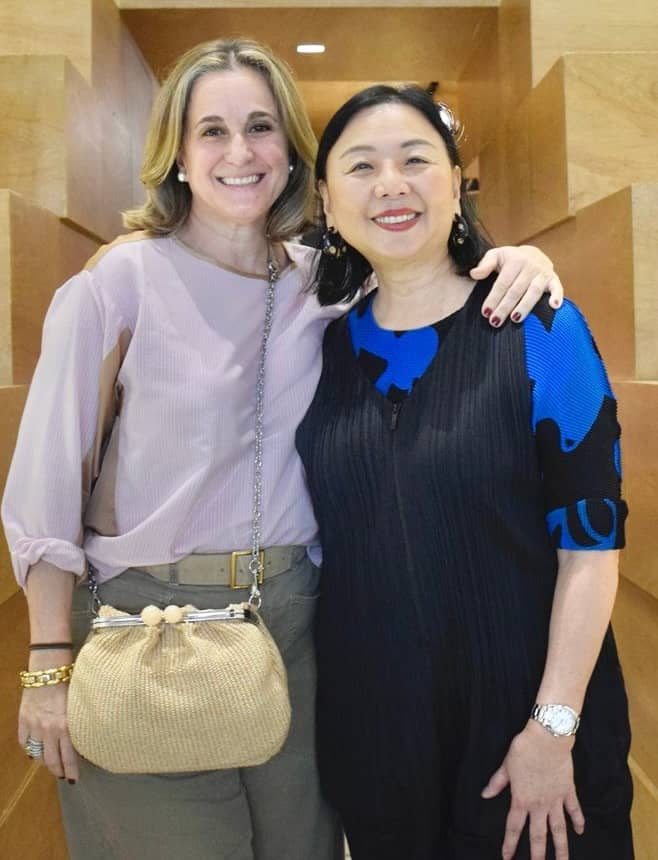
Sofia Zobel and Winnie Go.
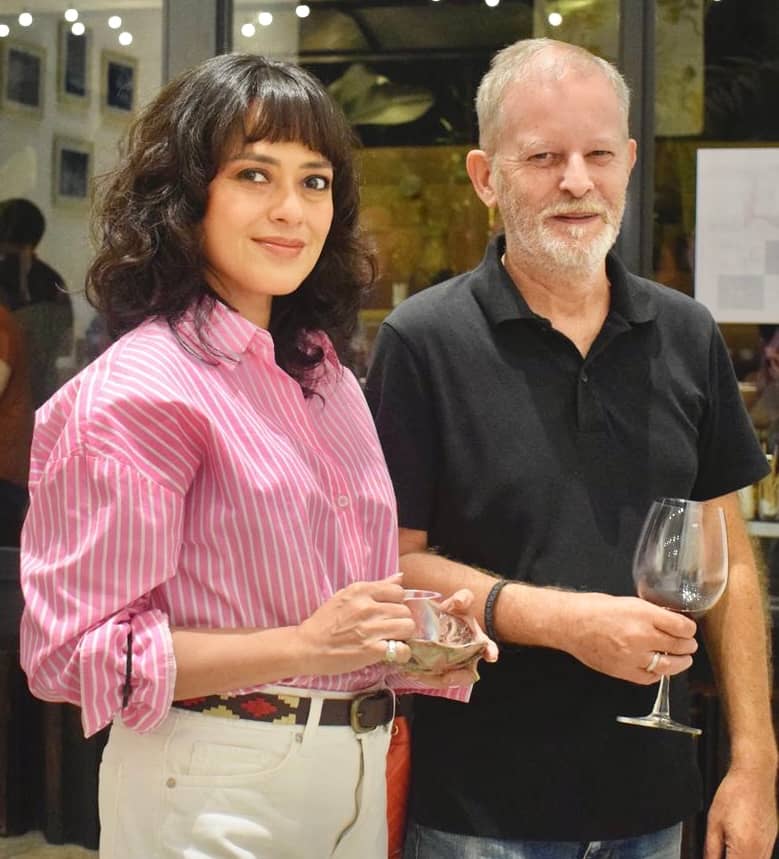
Wawi Navarroza and Coco Anne.
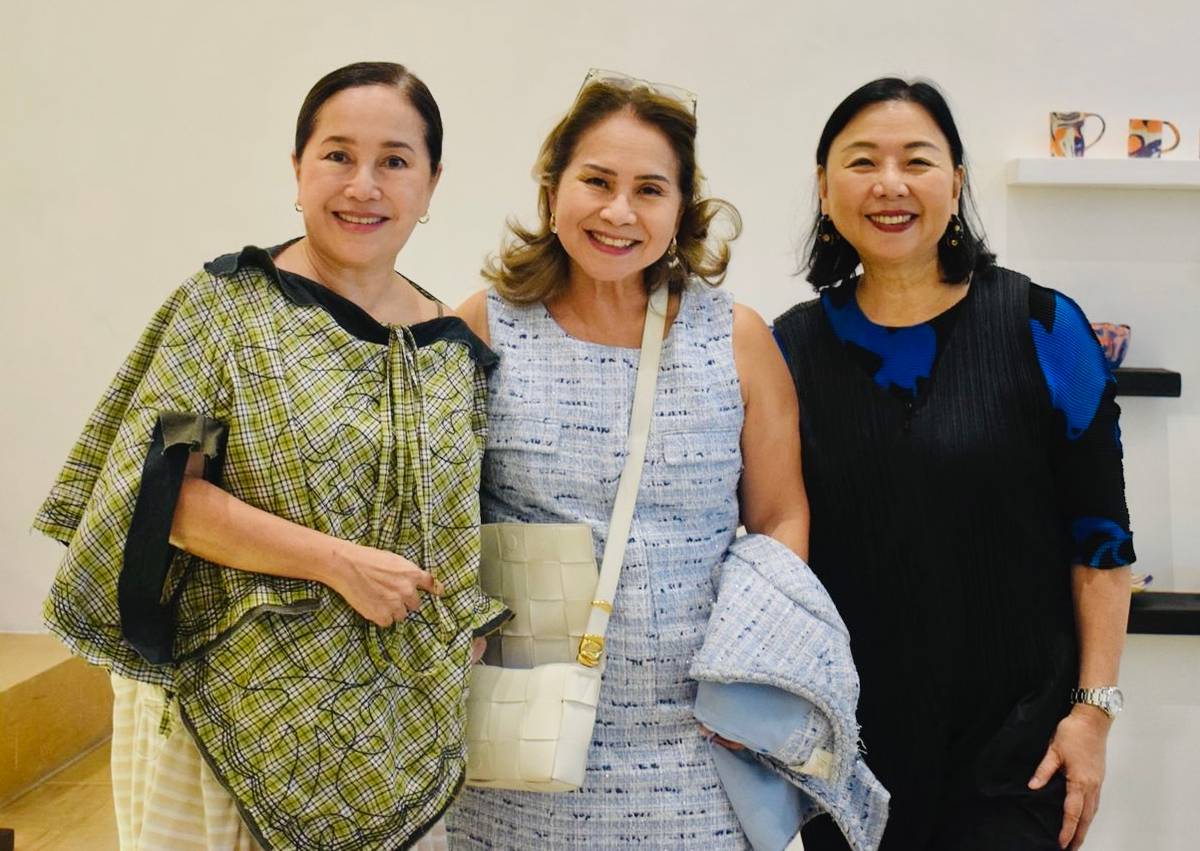
Tina Fernandez, Missy Ayala and Winnie Go.
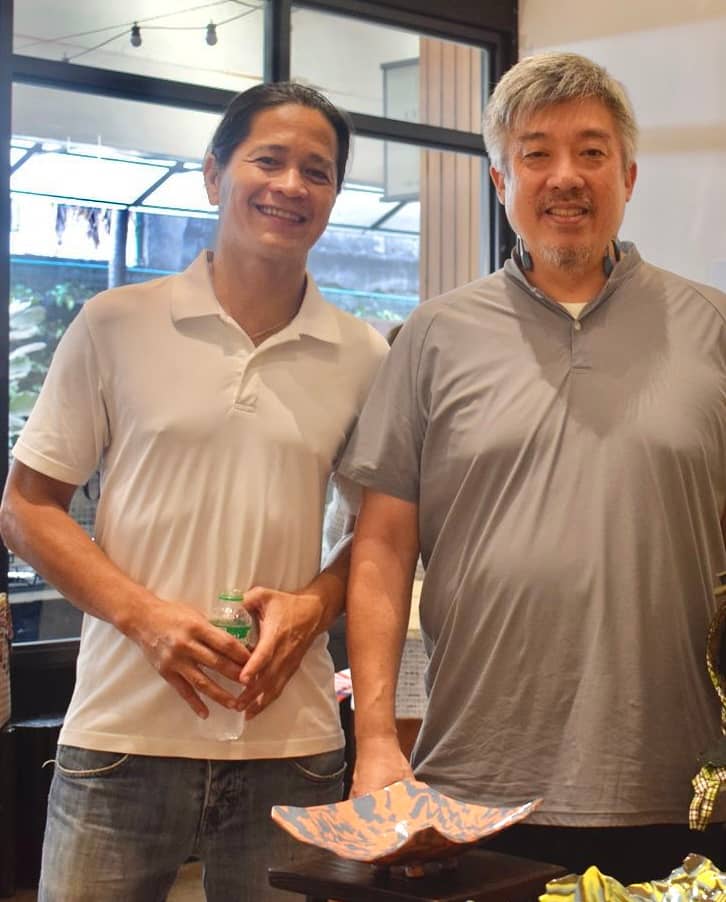
Pablo Capati III and Johann Gohoc.
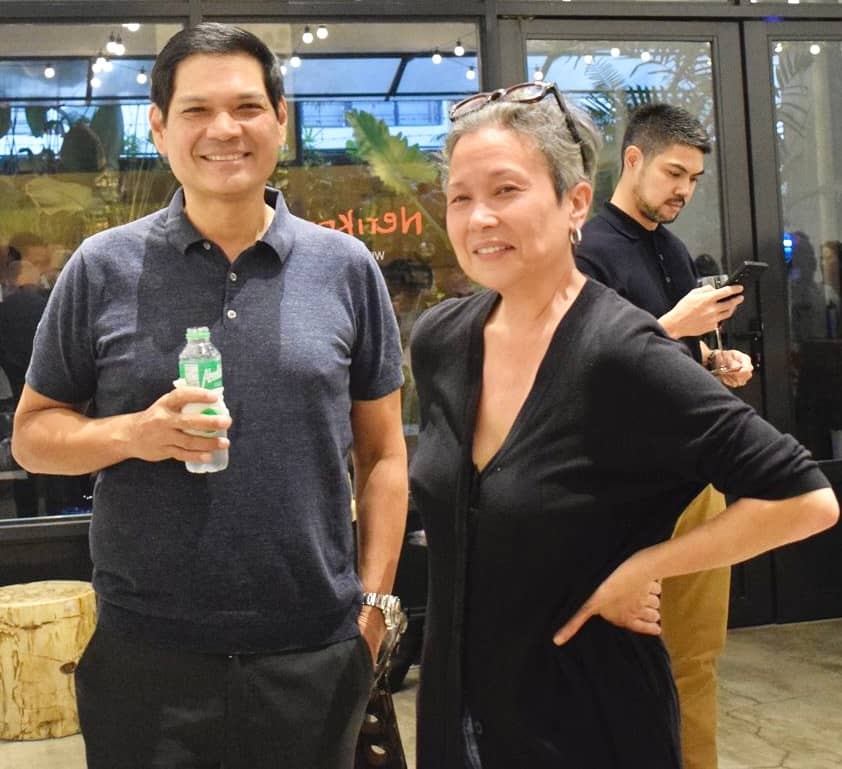
Jose Moreno and Marta Lovina.
Layering colors in ceramic has been around since ancient Egyptian civilization, 1st century Romans, 8th Tang dynasty jiao tai pottery to the 17th century Nerikomi ceramics and Britain’s agateware in the 18th century.
Fast forward to today: traditional Nerikomi techniques continue to be practiced in towns in Japan, where pottery culture has flourished with local artists creating stoneware vessels in familiar colors of brown, green and white with contemporary marbling patterns.

Bianca Jimenez and Editha Jimenez.
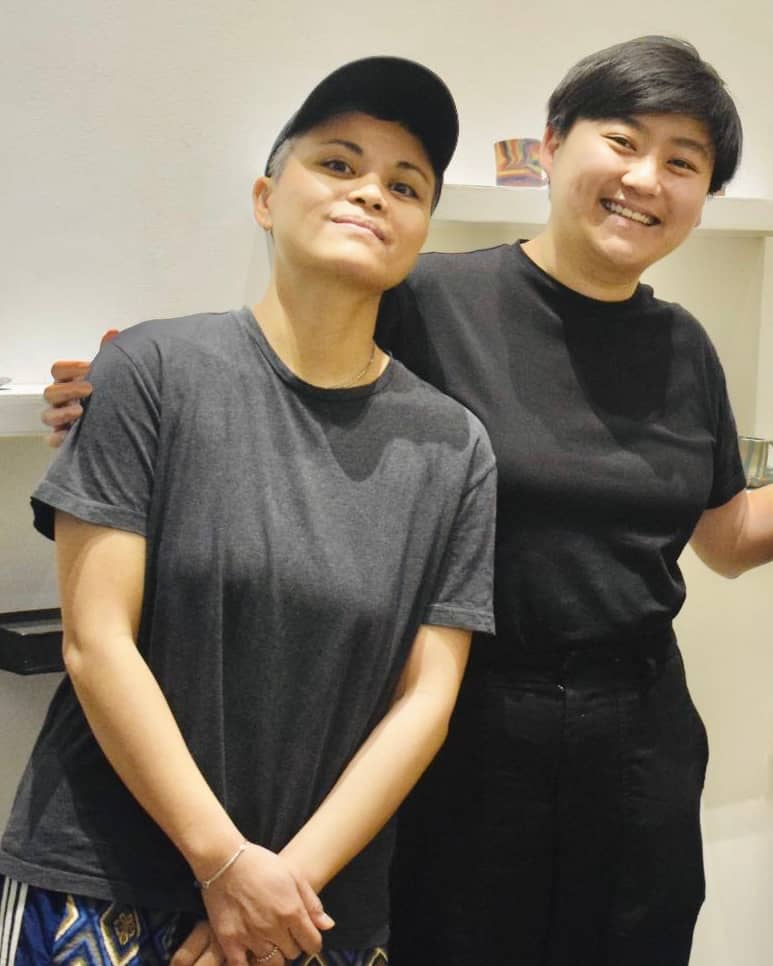
Maria Taniguchi and Mara Coson.
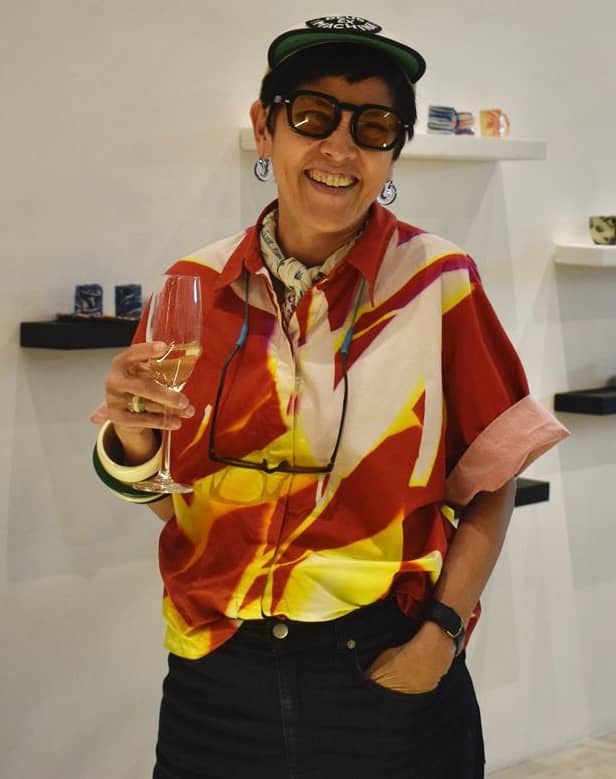
Baby Imperial
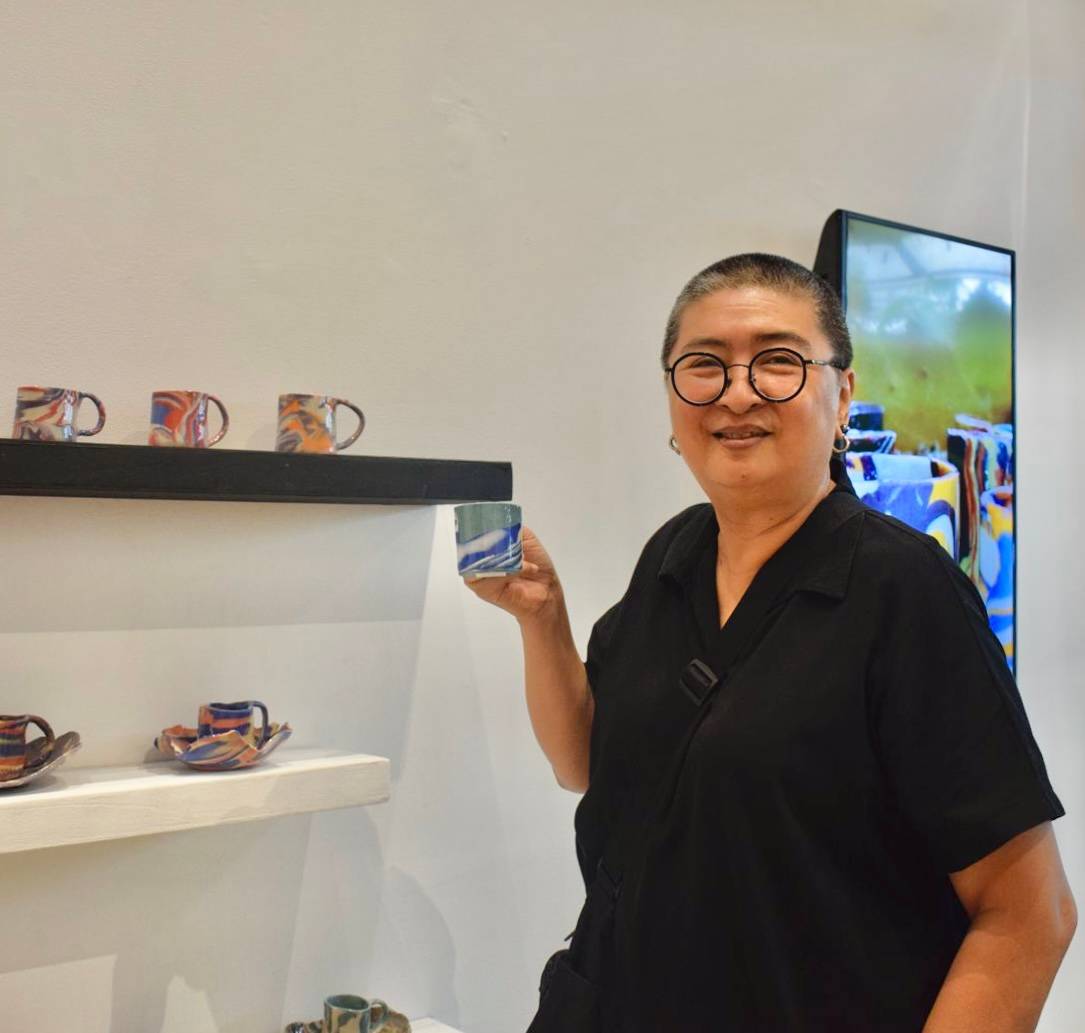
Christina Quisumbing Ramilo
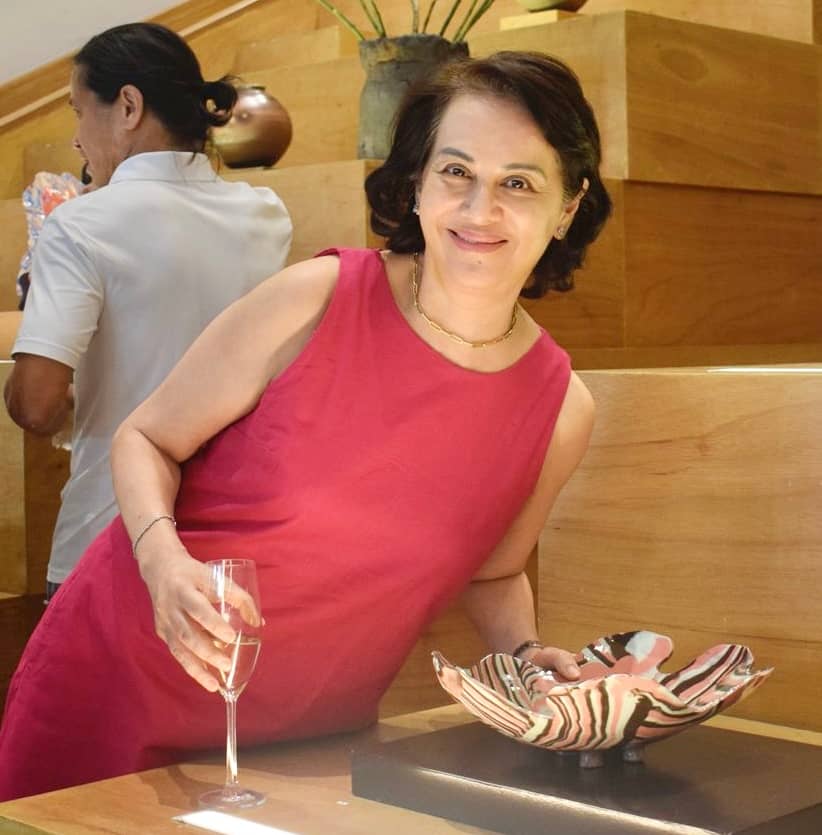
Jacqui Boncan
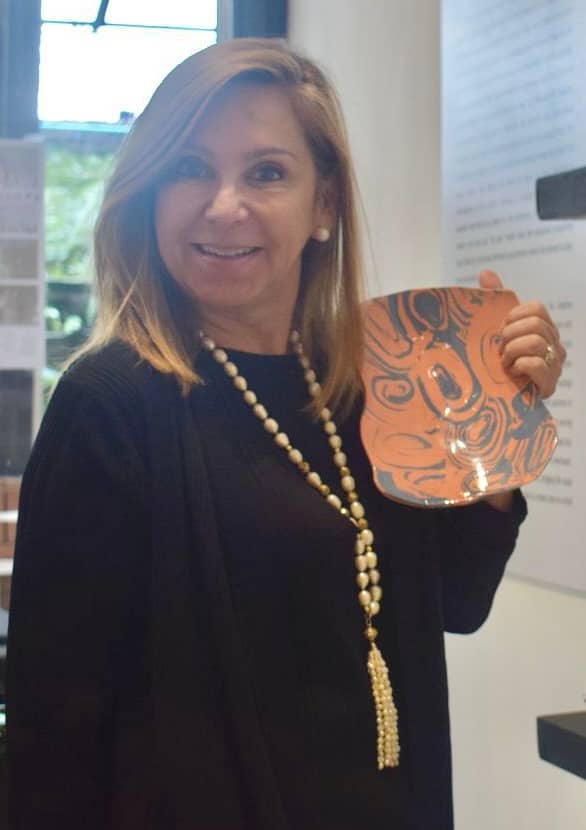
Sandy Lamb Moran
Go’s experimentations with color and abstract patterns is extraordinarily impressive. This latest series of functional wares ingeniously fuse patterns from indigenous ikat weavings, vintage fabrics, marbled papers and abstract paintings showcasing the artist discerning taste and regard for the arts.
The captivating colors and stunning layered patterns in Go’s creations has elevated espresso cups and mugs, breakfast sets, paired bowls and serving plates to a whole new level of appreciation. And everyday life can be lived with functional art.


Each material of clay was sculpted by hand by the outstanding ceramic artist.