
Pasig sets sights on EPR readiness

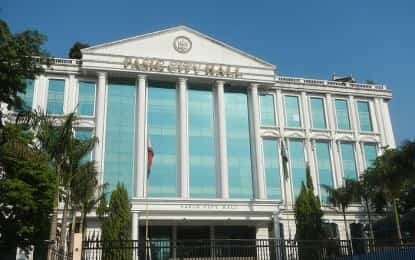
The local government of Pasig City has officially begun efforts to become ready for Extended Producer Responsibility (EPR), a move aimed at boosting sustainable and responsible waste management.
The initiative, supported by ASM Global, EvergreenLabs and the Swedish Embassy, will focus on improving plastic waste traceability, strengthening recycling systems, and ensuring compliance with the Philippines’ EPR law.
This, as the Extended Producer Responsibility (EPR) Act of 2022 mandates businesses in the Philippines to take greater responsibility for the plastic waste they generate. Pasig City is adopting a technology-driven approach to plastic waste management to ensure transparency, efficiency and measurable impact.
A key component of the initiative is ASM Global’s digital platform, Inclusiv, which will provide real-time waste traceability and accountability. The platform will offer businesses and the local government data-driven insights on plastic waste collection, recovery, and recycling, helping ensure compliance with EPR regulations.
Pasig City’s proactive approach to EPR readiness is intended to serve as a model for other local government units across the Philippines.
Pasig City aims to use this technology to efficiently monitor plastic waste flows, track producers’ compliance, and measure the impact of recovery efforts.
EvergreenLabs, a circular economy solutions firm, will collaborate with local stakeholders to enhance collection networks, improve recycling infrastructure, and integrate informal waste collectors into the formal waste management system.
The goal is to efficiently recover plastic waste and reprocess it into valuable secondary materials, thereby reducing landfill dependency and environmental pollution.
The involvement of the Swedish Embassy underscores the importance of international cooperation in addressing plastic pollution. Sweden is recognized as a leader in circular economy policies and sustainable waste management, and the partnership will bring international expertise and best practices to support Pasig City’s EPR efforts.
Pasig City’s proactive approach to EPR readiness is intended to serve as a model for other local government units across the Philippines.
By utilizing technology, strengthening recycling systems, and fostering international collaboration, Pasig City aims to set a precedent for effective plastic waste management and circular economy implementation.
“By embracing digital solutions and working with expert partners, Pasig City is taking meaningful steps toward environmental responsibility. This partnership ensures that the city is not only complying with the EPR law but also building a sustainable waste management system that benefits businesses, communities and the environment,” said Surbhi Jore, CEO of ASM Global. TDT