
Of coffee and culture
BSLF will feature more than 200 exhibitors, including coffee, cacao and coconut farmers, craftsmen, weavers, and local fashion designers.
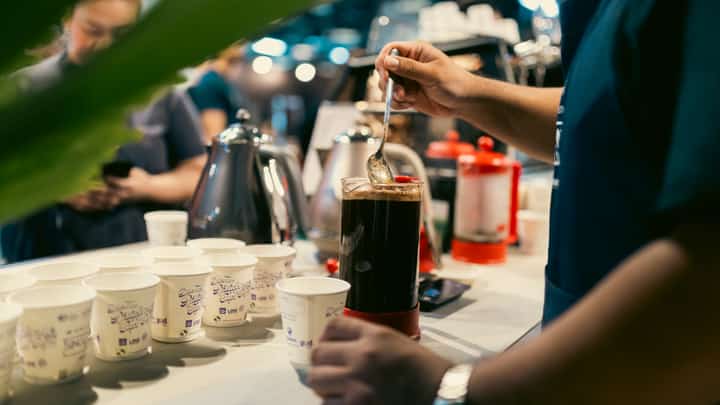
At the Biyaya Sustainable Living Festival, which will take place from 14 to 16 March at Parqal, Aseana City, coffee will take centerstage, along with craft and clothing, in the hopes of nurturing our cultural heritage while advancing environmental sustainability.
Building on the success of the Manila Coffee Festival, the three-day event celebrates farmers, artisans and designers whose dedication ensures that Filipino culture thrives.
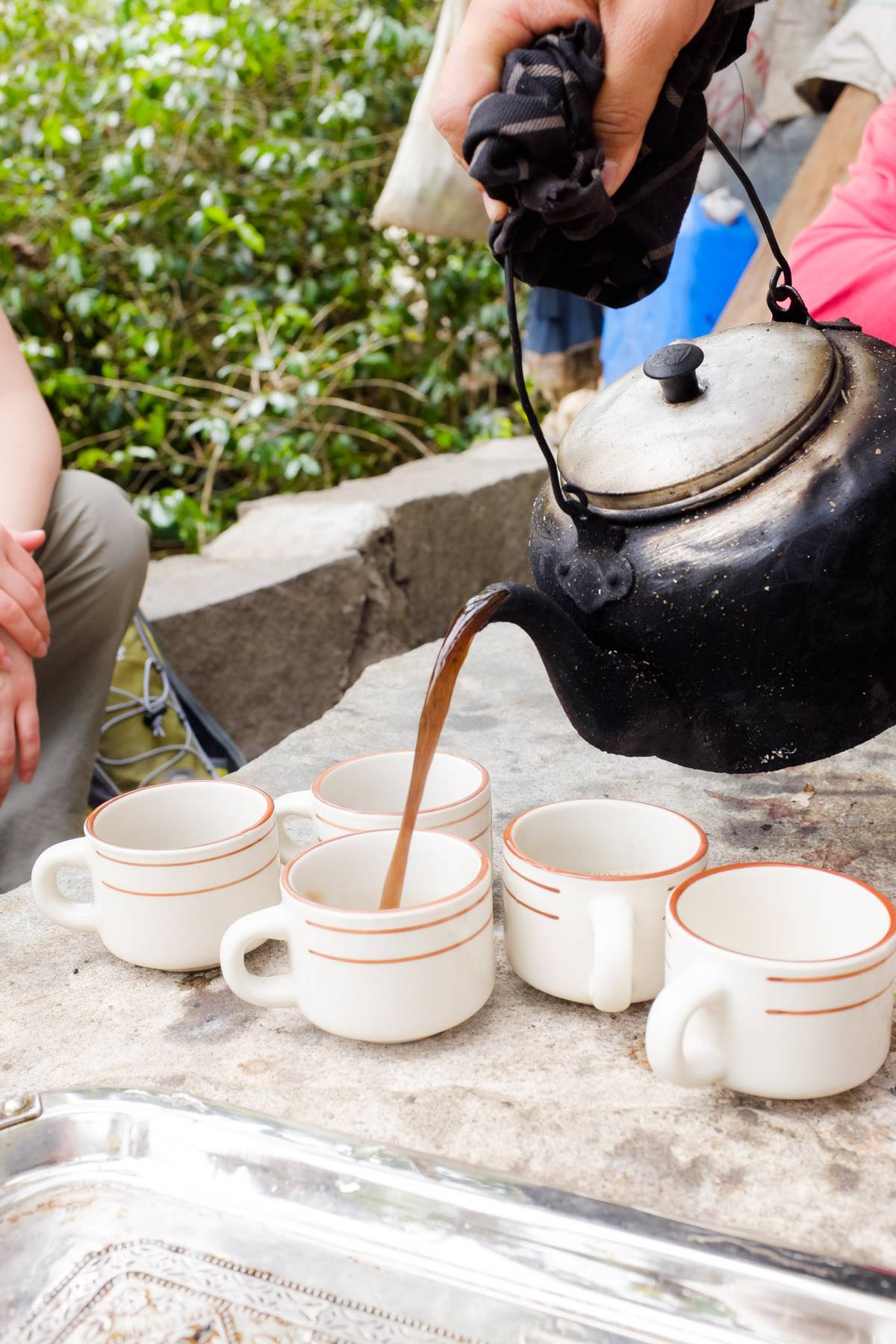
POURING all support for farmers, artisans and designers.
“Biyaya isn’t just about coffee; it’s about uplifting the entire ecosystem of heritage industries that allow these communities to thrive,” Richard Watanabe, founder of the Coffee Heritage Project and co-founder of the Biyaya Sustainable Living Festival, said.
BSLF will feature more than 200 exhibitors, including coffee, cacao and coconut farmers, craftsmen, weavers and local fashion designers.
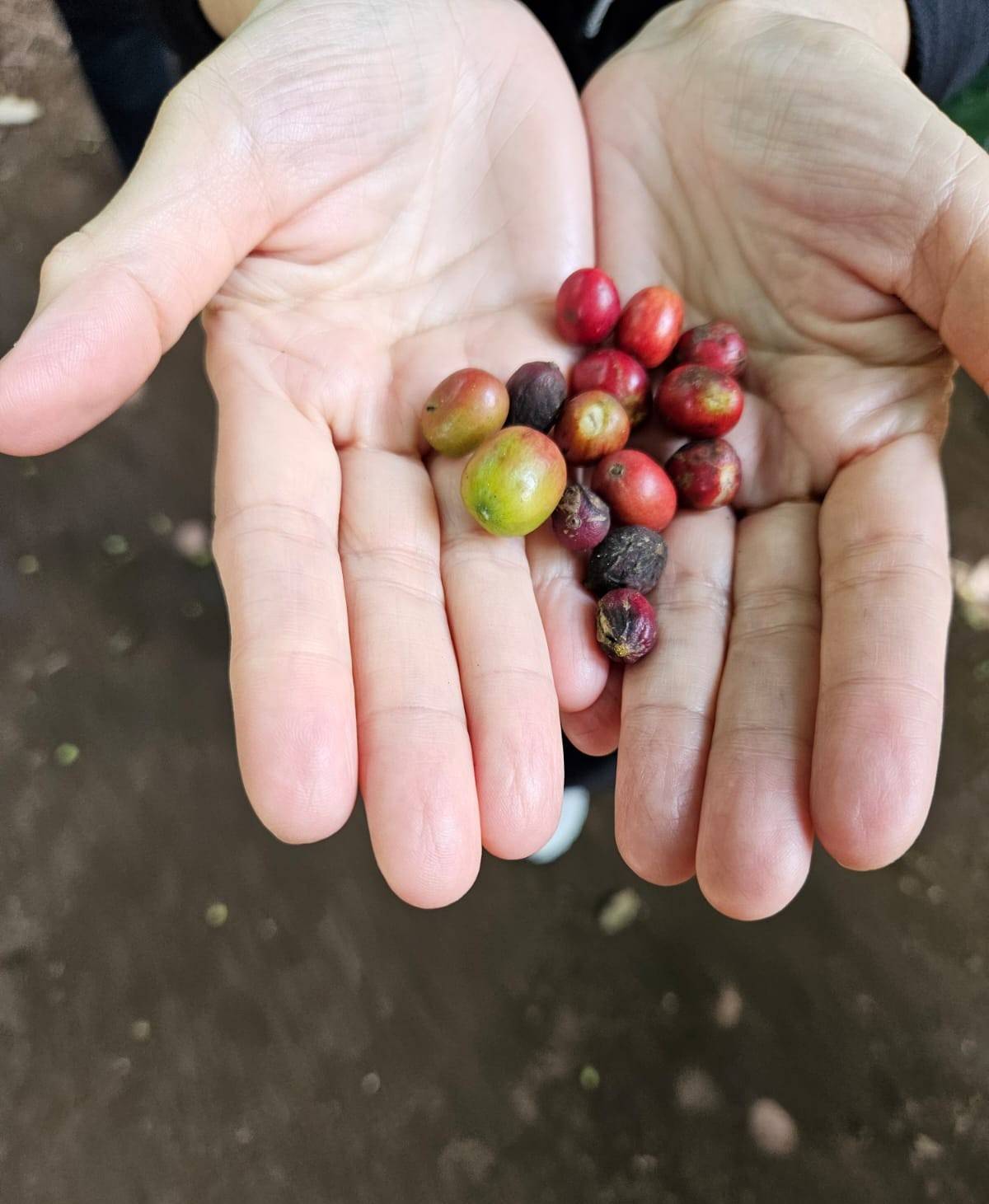
A harvesT of culture.
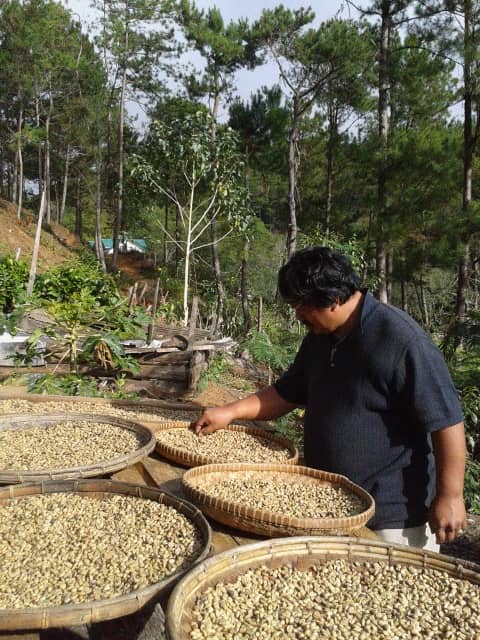
SUN drying coffee beans.
Attendees can discover and taste the rich flavors of award-winning and single-origin Philippine coffees from Sagada, Batangas, and Sultan Kudarat. Also featured are internationally recognized coffees recently awarded by the Agency for Valorization of Agricultural Products in Paris.
“As we worked closely with farming communities, we saw firsthand that coffee is just one part of their livelihood. Since coffee farmers only harvest at certain times of the year, they rely on other trades “cacao farming, coconut production, weaving, basketry, and even pottery to sustain them year-round,” Watanabe said.
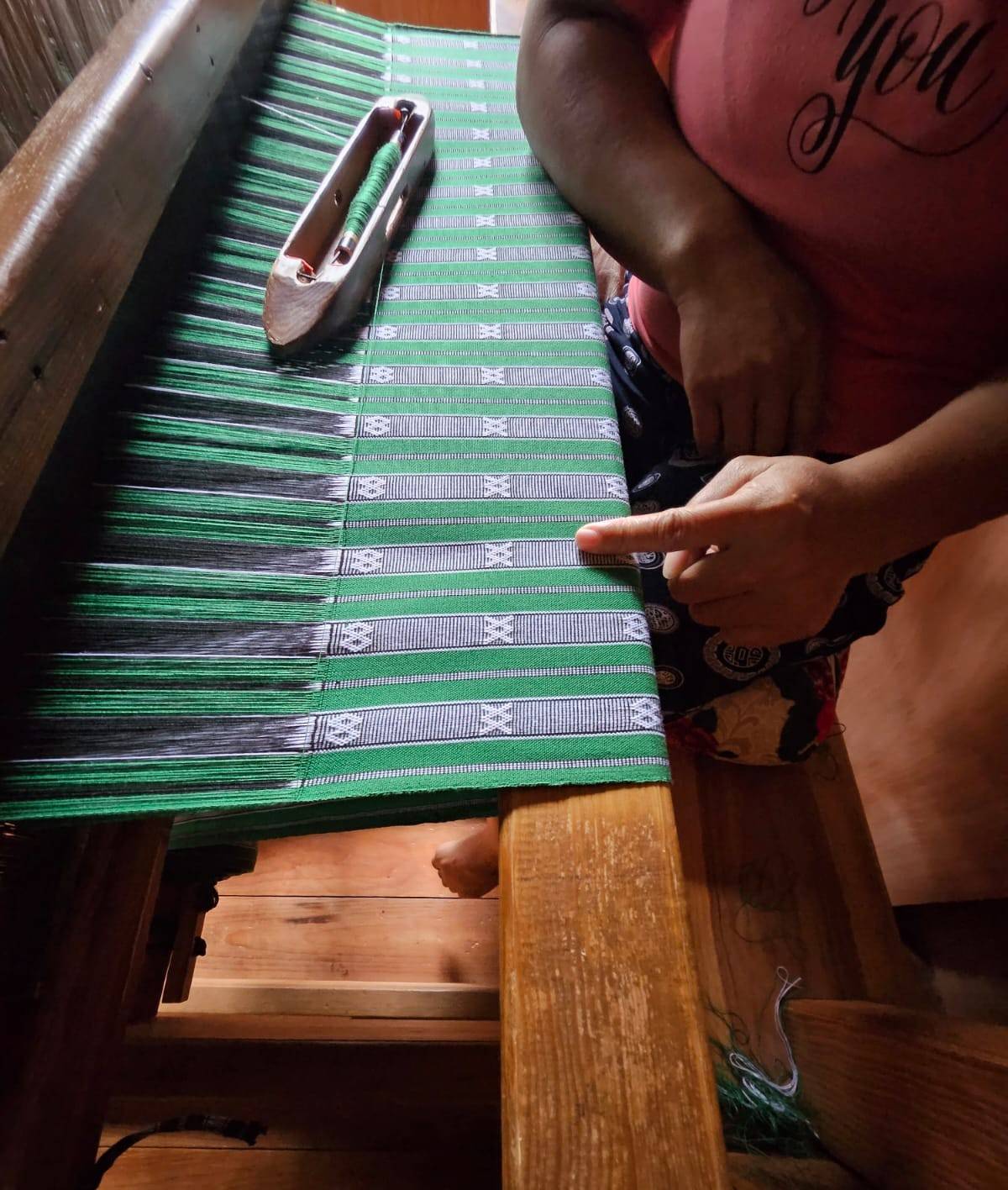
WEAVING
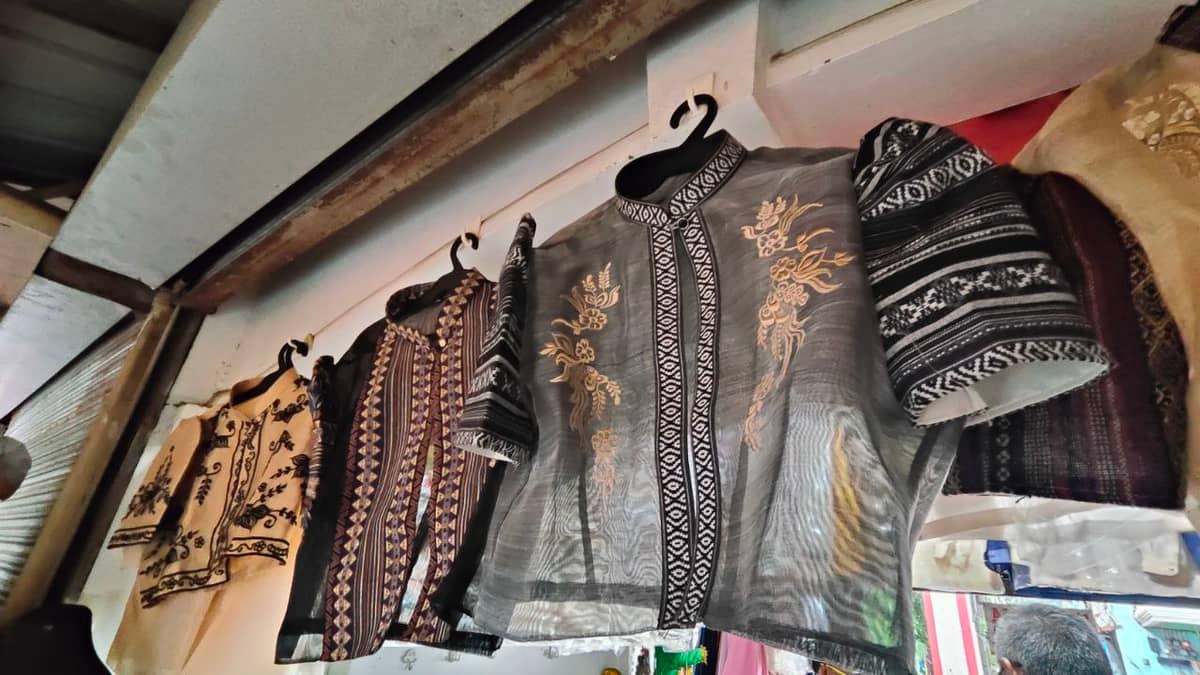
EMBROIDERED traditional clothing showcase weavers and local designers.
Festival goers can also engage with experts who are creating sustainable products that showcase techniques that bring to light the disappearing art of traditional crafts such as weaving and basketry. There will also be sessions on how cacao farmers are innovating beyond chocolate, utilizing the plant to create home decor and personal care products. A fashion show featuring modernized and innovative traditional designs will be held.
One component of the festival is “Biyaya Speaks,” a dynamic platform designed to foster meaningful dialogue and inspiration between leaders, innovators, and cultural advocates who will share their insights on topics such as sustainability, cultural conservation and community empowerment.