
Beyond zapping homelessness, NHA offers innovative housing solutions
These initiatives not only aim to reduce the housing shortage, but also work to create sustainable, future-proof communities that provide long-term stability to residents.

The National Housing Authority (NHA) is focused on addressing the housing needs of the lowest 30 percent of the urban population, and works with LGUs, private developers, and NGOs to reduce the housing shortage.
Photographs Courtesy of National Housing Authority
The Philippines has long struggled with a significant housing backlog driven by rapid urbanization, population growth, and a lack of affordable housing options for low-income families. In response, the National Housing Authority (NHA) has been addressing the lack of homes by developing innovative solutions to create more accessible, sustainable, and resilient communities for Filipino families.
Under the administrative supervision of the Department of Human Settlements and Urban Development (DHSUD), the NHA has been focusing on the housing needs of the lowest 30 percent of the urban population, making significant strides in recent years. Through a series of strategic initiatives, the NHA is addressing the growing homelessness by focusing on affordability, sustainability, and inclusivity.
According to the UN-Habitat Philippines Country Report 2023, the Philippines faces an estimated 6.5 million housing backlog, with a large portion of this number made up of informal settlers.
These families often live in unsafe, hazardous conditions in slums, exposed to flooding, landslides, and poor infrastructure. Without secure tenure or affordable housing options, these communities live in constant uncertainty.
In response, the NHA has implemented a variety of housing initiatives, partnering with local government units, private developers, and non-government organizations. These initiatives not only aim to reduce the housing shortage, but also work to create sustainable, future-proof communities that provide long-term stability to residents.
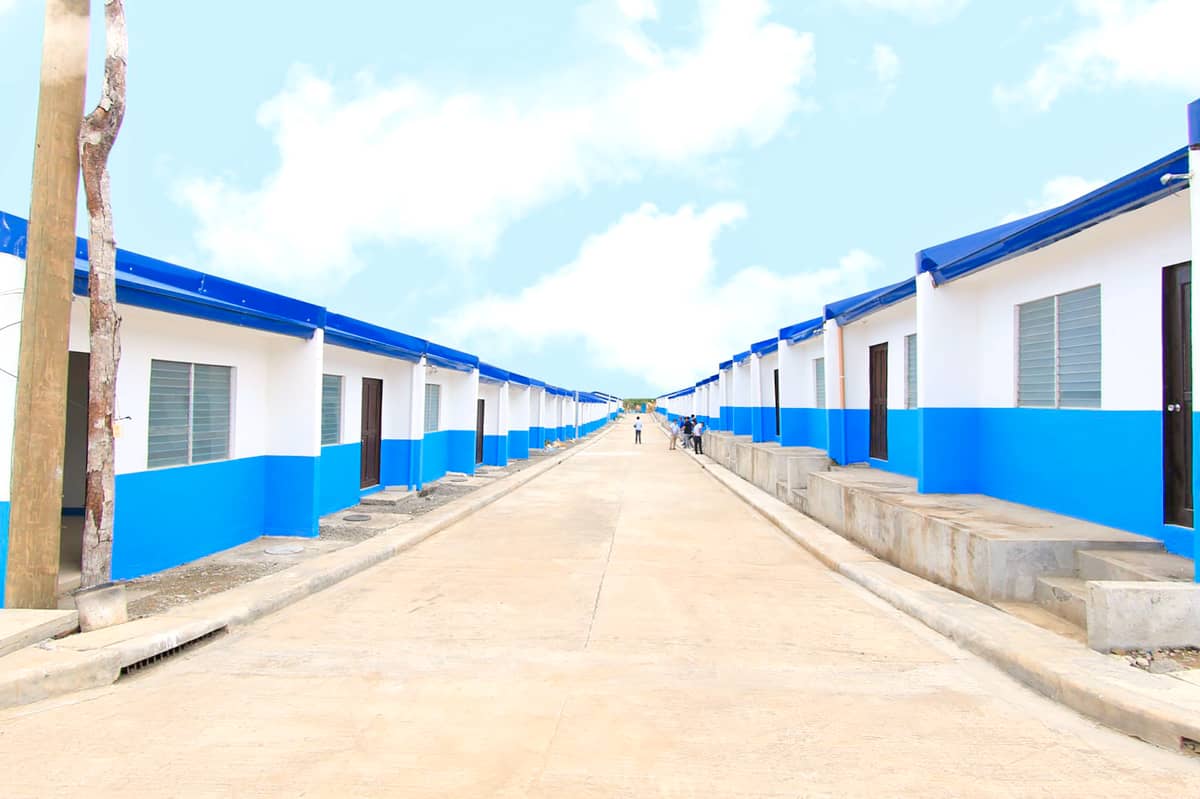
Blue roof houses. One of NHA’s landmark programs is to build homes that are disaster-resistant and energy-efficient by 2028.
One of the NHA’s landmark programs is the Pambansang Pabahay Para sa Pilipino (4PH), launched under President Ferdinand Marcos Jr.’s leadership. This large-scale initiative seeks to address the housing gap by building 500,000 homes by 2028. Focused on low-income families, the program prioritizes disaster-resistant infrastructure and energy-efficient designs. The use of vertical housing solutions is especially effective in densely populated urban areas like Metro Manila, where available land is limited. High-rise buildings, combined with integrated community amenities such as schools, healthcare centers, and markets, aim to create sustainable living environments that would improve residents’ quality of life.
In addition to traditional housing models, the NHA is incorporating smart housing solutions that embrace modern technologies and sustainable practices. The agency is integrating energy-efficient building designs, renewable energy, and water-saving systems in new developments to reduce costs and environmental impact. These sustainable practices will provide long-term benefits to residents while contributing to the protection of the environment.
Given the Philippines’ vulnerability to natural disasters such as typhoons, earthquakes, and floods, the NHA is increasingly focusing on disaster-resilient housing. The aim is to ensure that homes can withstand extreme weather events and provide protection for vulnerable families. Housing developments include features like flood-resistant designs, elevated foundations, and resilient materials to ensure that homes can endure the effects of natural disasters.
The NHA’s vision goes beyond merely providing shelter — it aims to create inclusive and integrated communities. Housing developments, such as those in Tondo and Navotas, Manila, were designed with community centers, daycare centers, healthcare facilities, and public transportation access to enhance residents’ quality of life. These efforts ensure that families can thrive socially, economically, and healthily.
Additionally, the NHA involves residents in the planning and design of projects to ensure that their needs and preferences are considered. This community based initiative approach fosters a sense of ownership and responsibility, empowering residents to take an active role in building and maintaining their communities.
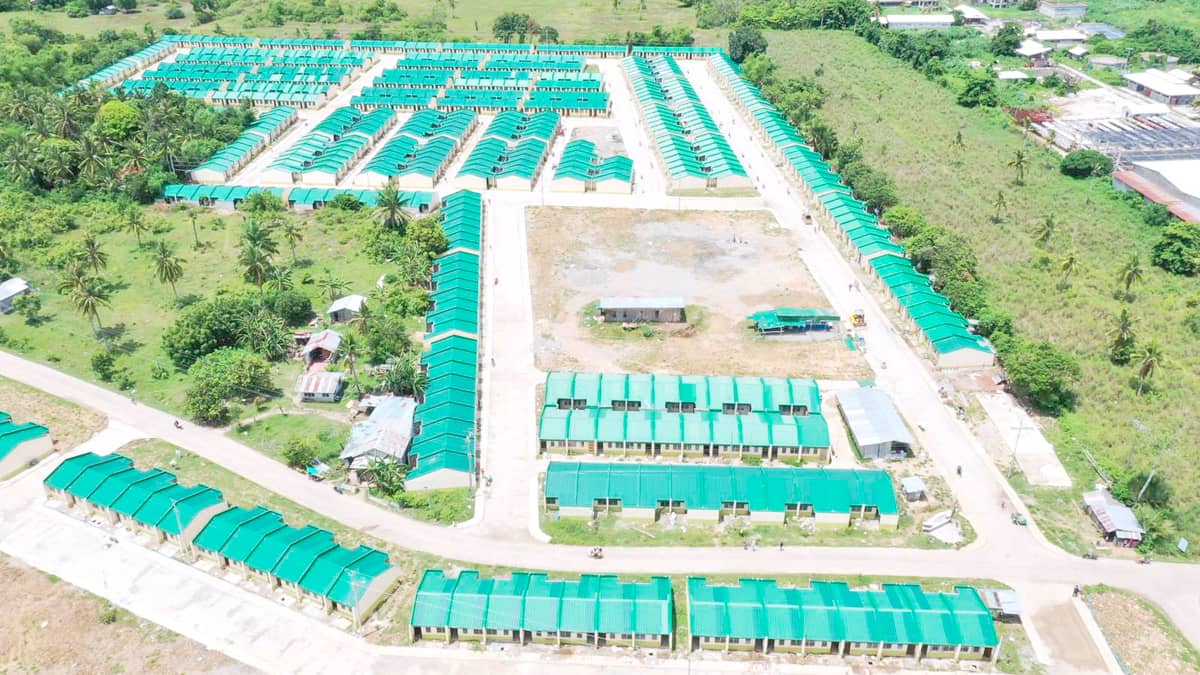
Green houses. NHA’s vision goes beyond providing shelter. It also aims to create inclusive and integrated communities, ensuring families can thrive socially, economically, and health-wise within their communities.
Looking ahead
As urbanization and populations continue to grow, the NHA is committed to future-proofing housing solutions. Through innovative programs, sustainable practices, and disaster-resilient designs, the NHA is working to create communities that can adapt to future challenges.
By focusing on affordable, sustainable, and disaster-resilient housing, the NHA is not only addressing the housing backlog, but also laying the groundwork for the future. The authority’s initiatives provide Filipino families with more than just homes — they create communities where families can thrive, contribute to national growth, and secure a better future for the next generation.