




Filinvest Innovation Park hosts Phl's first LFP battery factory


Text size
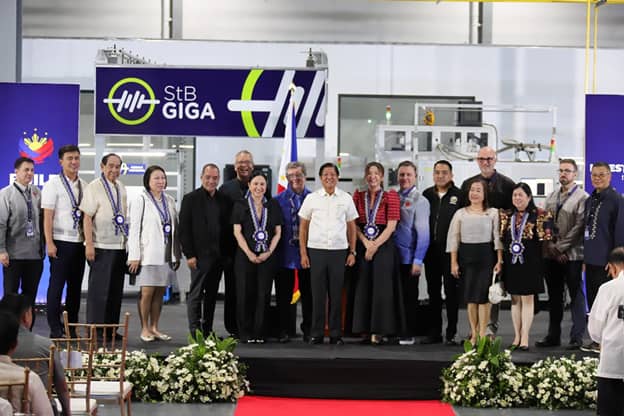
IN PHOTO: Filinvest Land Inc. Vice Chairman Josephine Gotianun-Yap, President of the Philippines Ferdinand Marcos Jr., Australian Ambassador to the Philippines Hae Kyong Yu, BCDA Chairman Thompson Lantion, BCDA President and CEO Joshua Bingcang, StB Capital Partners Director and Founding Partner Trevor St. Baker, FDC President and CEO Rhoda Huang
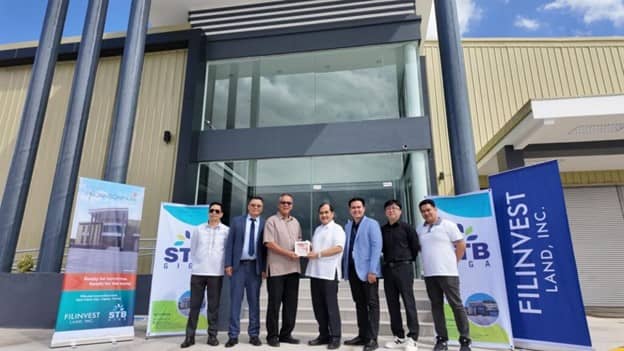
IN PHOTO during StB Giga turnover: Mr. Allan Datahan , PEZA Deputy Zone Administrator, STB GIGA Director Peter Chen, STB GIGA President and CEO Dennis Ibarra, FLI SVP and Industrial Business Unit Head Francis Ceballos, Head of Marketing Promotions of BCDA Jake Liwanag, STB GIGA Mao Jian, General Manager Filinvest Innovation Parks Carmelo Centeno
Filinvest Innovation Park - New Clark City (FIP-NCC) has established itself as a leading hub for industrial innovation and sustainable development in the Philippines by hosting the country’s first Lithium Iron Phosphate (LFP) battery manufacturing plant.
The recently inaugurated StB GIGA Factory is housed in two grade-A ready-built factory (RBF) units, with a total floor area of 5,000 square meters, at the 120-hectare Filinvest Innovation Park in New Clark City.
Advancing Clean Energy and Sustainable Industry
The StB GIGA Factory represents a major step forward in supporting a sustainable energy future. Backed by Australia-based StB Capital Partners, the factory is set to produce up to 2 gigawatt-hours of LFP batteries annually, which is expected to power approximately 18,000 EVs or over 500,000 home battery systems each year.
By 2030, when the facility is expected to reach full capacity, it is projected to generate an estimated P5 billion in annual revenue and create 2,500 high-quality jobs across engineering, operations, logistics, and technology—further boosting the economic growth of Central Luzon and the national clean energy agenda.
As the first LFP battery plant in the Philippines, the factory is expected to play a pivotal role in supporting the nation’s clean energy objectives and position the country as an emerging player in Southeast Asia’s renewable energy market.
Housing is probably the biggest issue affecting people the world over.
Malacañang on Monday called for a more thorough investigation into the questioned flood control projects in Taguig…
The defense on Monday backed the move by senator-judges to exclude a prosecution witness who testified on the firearms…
