
Seafarer faces silent mental battle
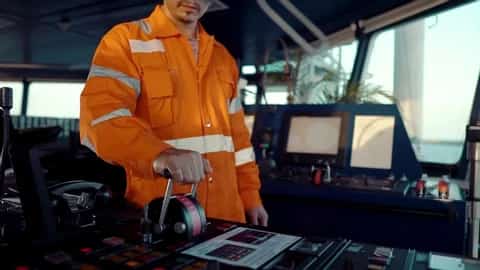
Amid the myriad challenges facing seafarers and overseas Filipino workers (OFWs), one struggle often goes unnoticed: The quiet, continuous battle against loneliness and the mental health toll it exacts.
For 46-year-old Donny, a content manager specialist aboard a cruise ship, life at sea brings an evolving emotional journey that can’t be easily labeled as an issue of “strength” or “weakness” — it’s an experience that reshapes you.
“Mental health changes once a person is exposed to the actual work and experience of being separated from family,” he shared.
Donny never started strong with a strong heart, or so he once thought. Back in 2004, on his first designation to Saudi Arabia, he was immediately gripped by loneliness and homesickness.
“I remember crying to my wife, telling her, ‘It’s okay if we go hungry, as long as we’re together,’” he recalled.
But economic reality eventually overpowered sentiment. Without a stable income or food security, Donny realized that love alone couldn’t sustain a household, pushing him back to seafaring even if it meant being away from his family.
Beyond the paycheck, what sustains him, he insists, is communication. “For me, communication is the most important thing in addressing one’s mental health,” he said.
As easy as it may sound, this is not the case for the seafarer. Despite being accustomed to homesickness, he still often finds himself in shambles when his wife and eight children rarely reach out. Even a simple “hello” or “how are you” could ease the isolation he feels, but he is often left waiting.
“As for me, I text my wife and kids every day because I miss them,” Donny said. “But on my side, I want to feel the same. My mental health is affected by that, but I fight through it. If I let it get to me, I’d give up. Thoughts like ‘Do my kids still love me?’ start playing in your mind, and every day that it does, it drives you crazy.”
To keep the darker thoughts at bay, Donny fills his free time with hobbies — singing with his guitar, watching TV series and vlogging.
But he knows that mental health challenges among seafarers remain widespread. Many express the urge to end their contracts early, and tragic cases of onboard suicides persist.