




TERNOCON FOURTH EDITION: THE SECOND MENTORING WORKSHOP


Beauty queens Riana Pangindian, Dindi Pajares, Maria Gigante, Michelle Arceo, Dia Mate, Tracy Maureen Perez, Krishnah Gravidez and Ara Arida.
Text size
Beauty queens Riana Pangindian, Dindi Pajares, Maria Gigante, Michelle Arceo, Dia Mate, Tracy Maureen Perez, Krishnah Gravidez and Ara Arida.
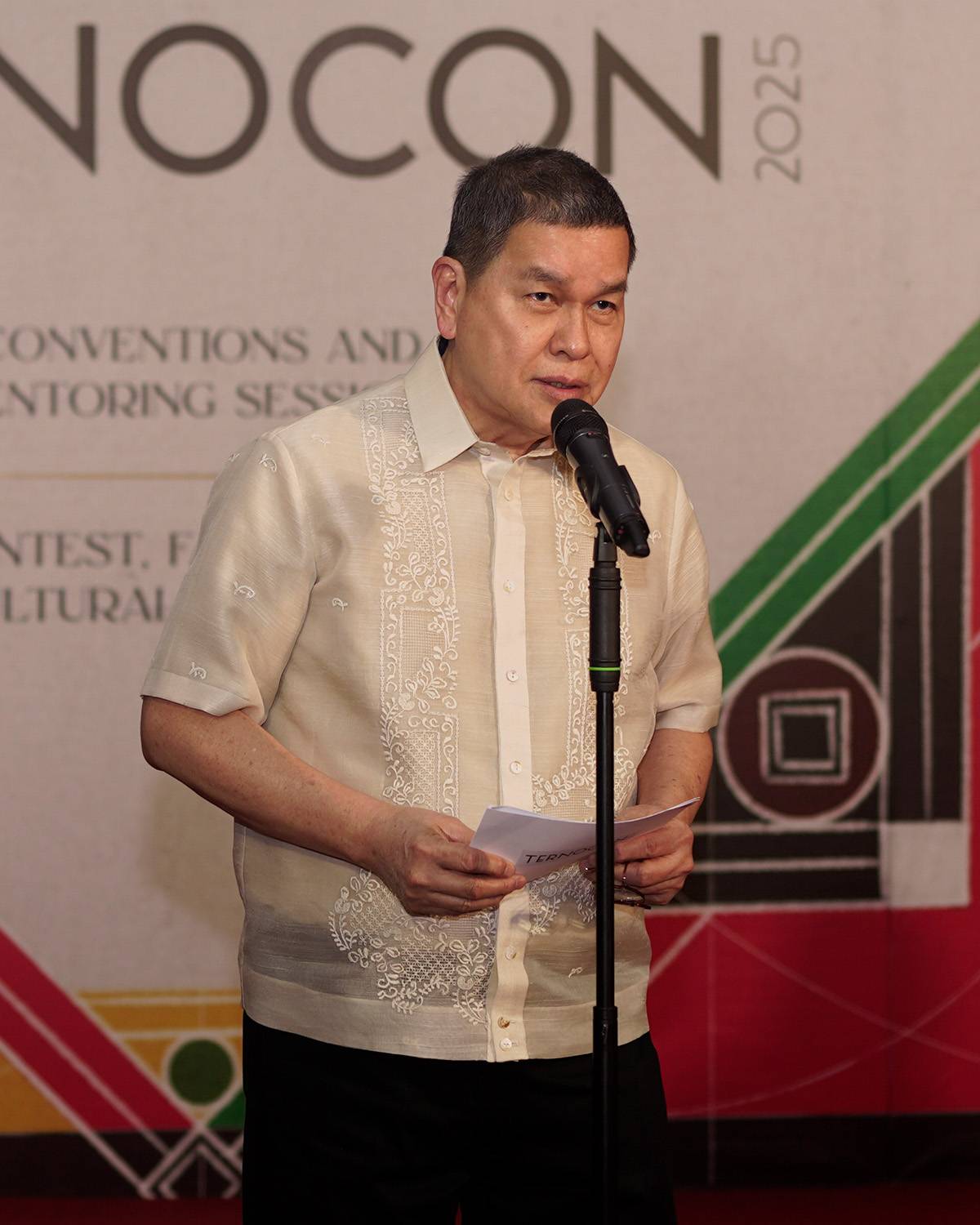
Ben Chan, Bench founder.
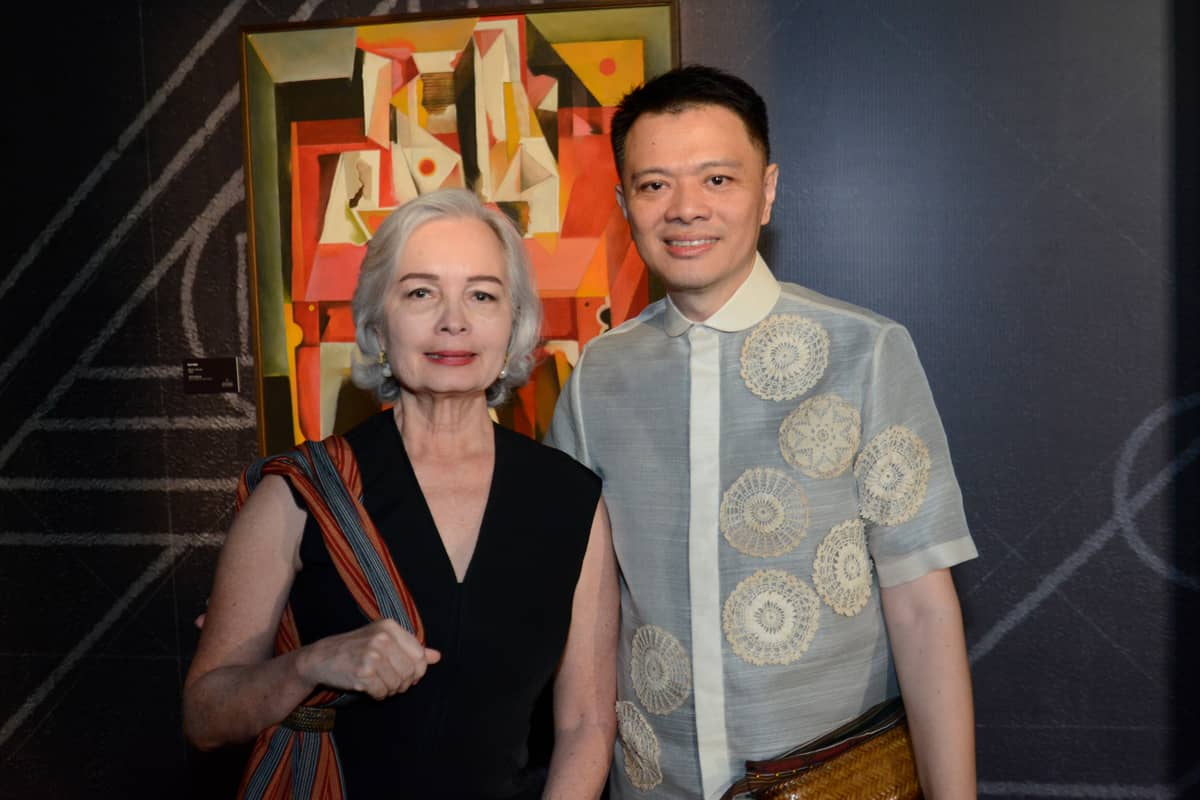
CCP vice-chair Margie Moran-Floirendo and TernoCon 2025 artistic consultant Gino Gonzales.
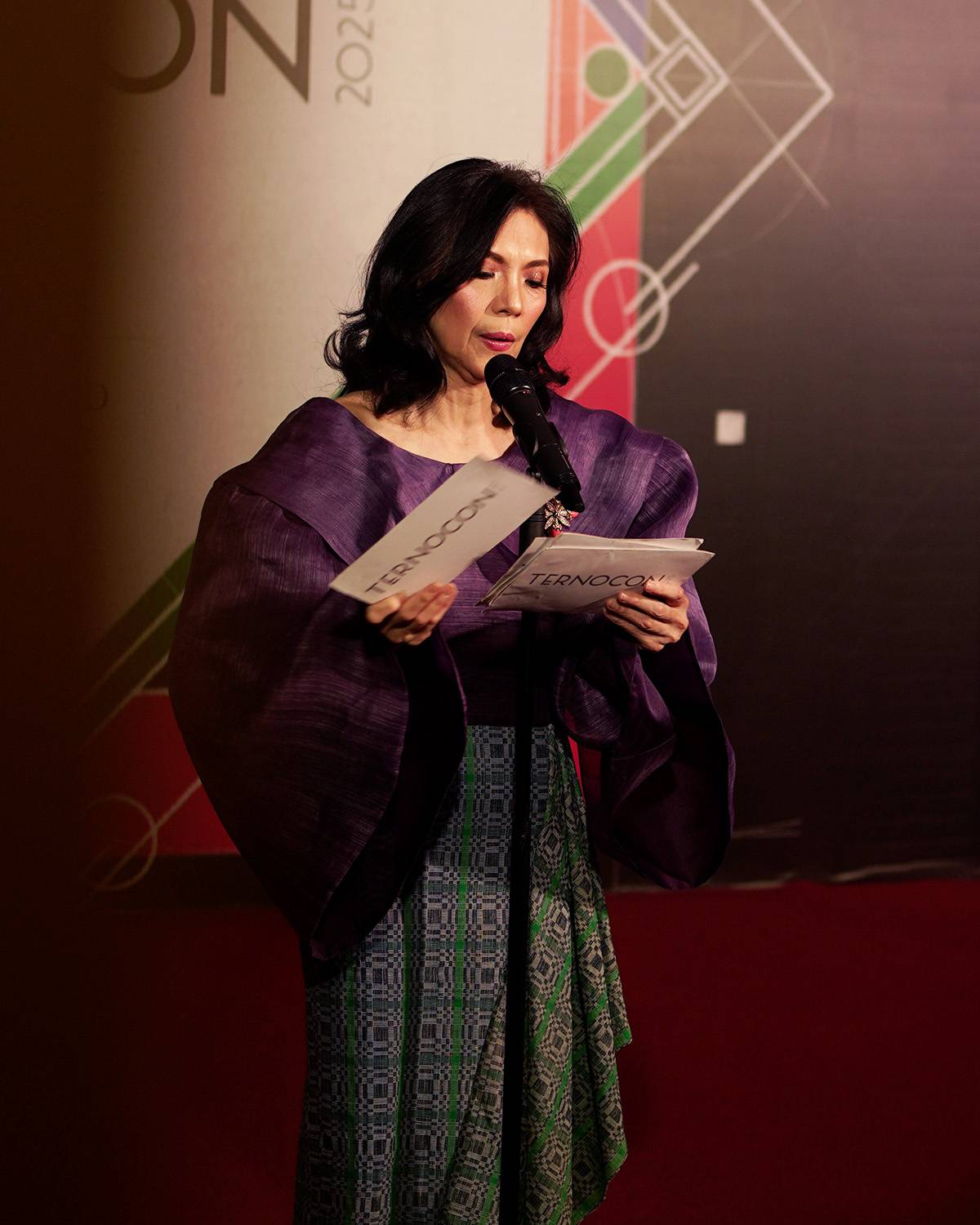
Kaye Tinga, CCP president.
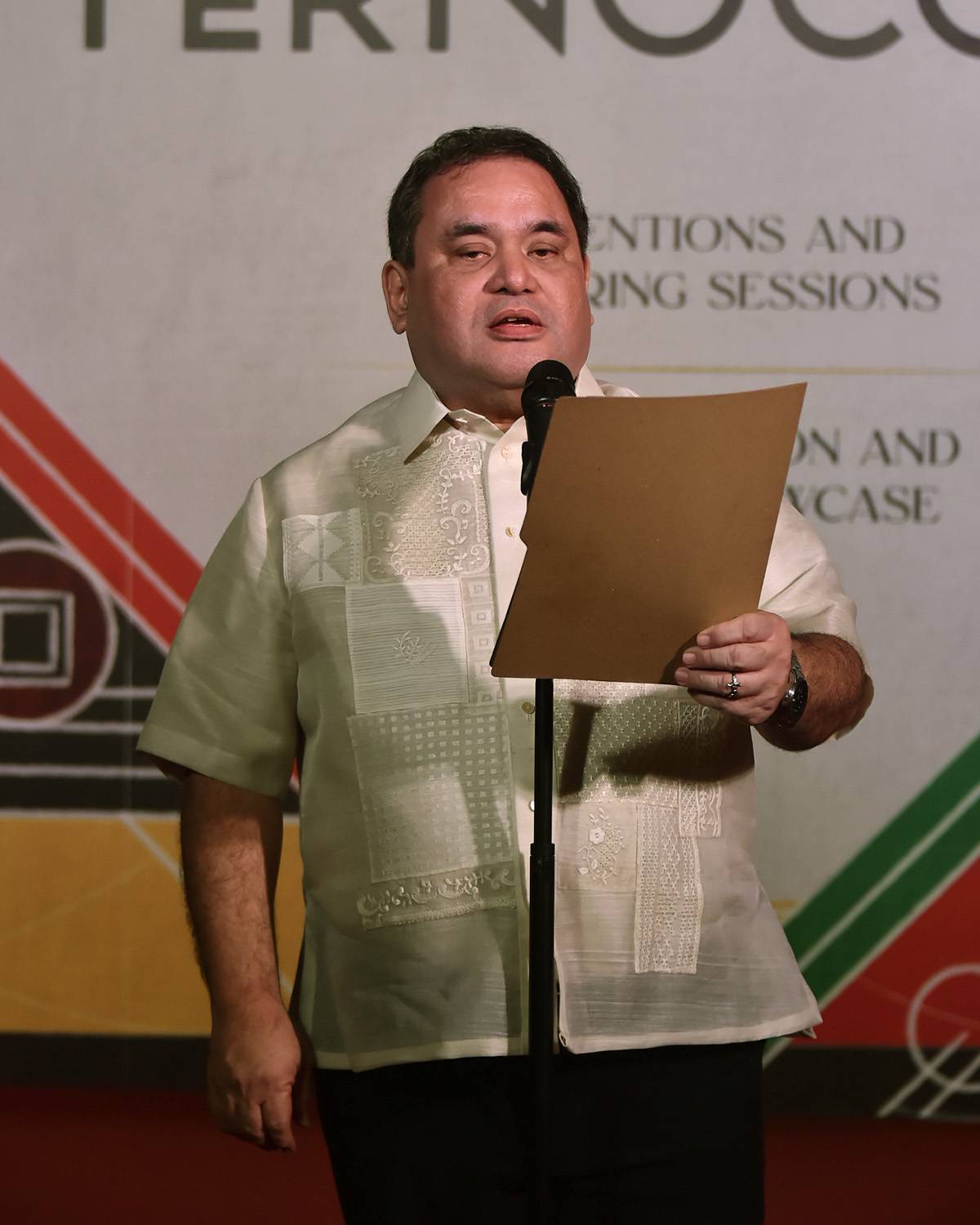
Ricardo Eric Cruz, Ternocon 2025 artistic director and CCP production design and technical division chief.
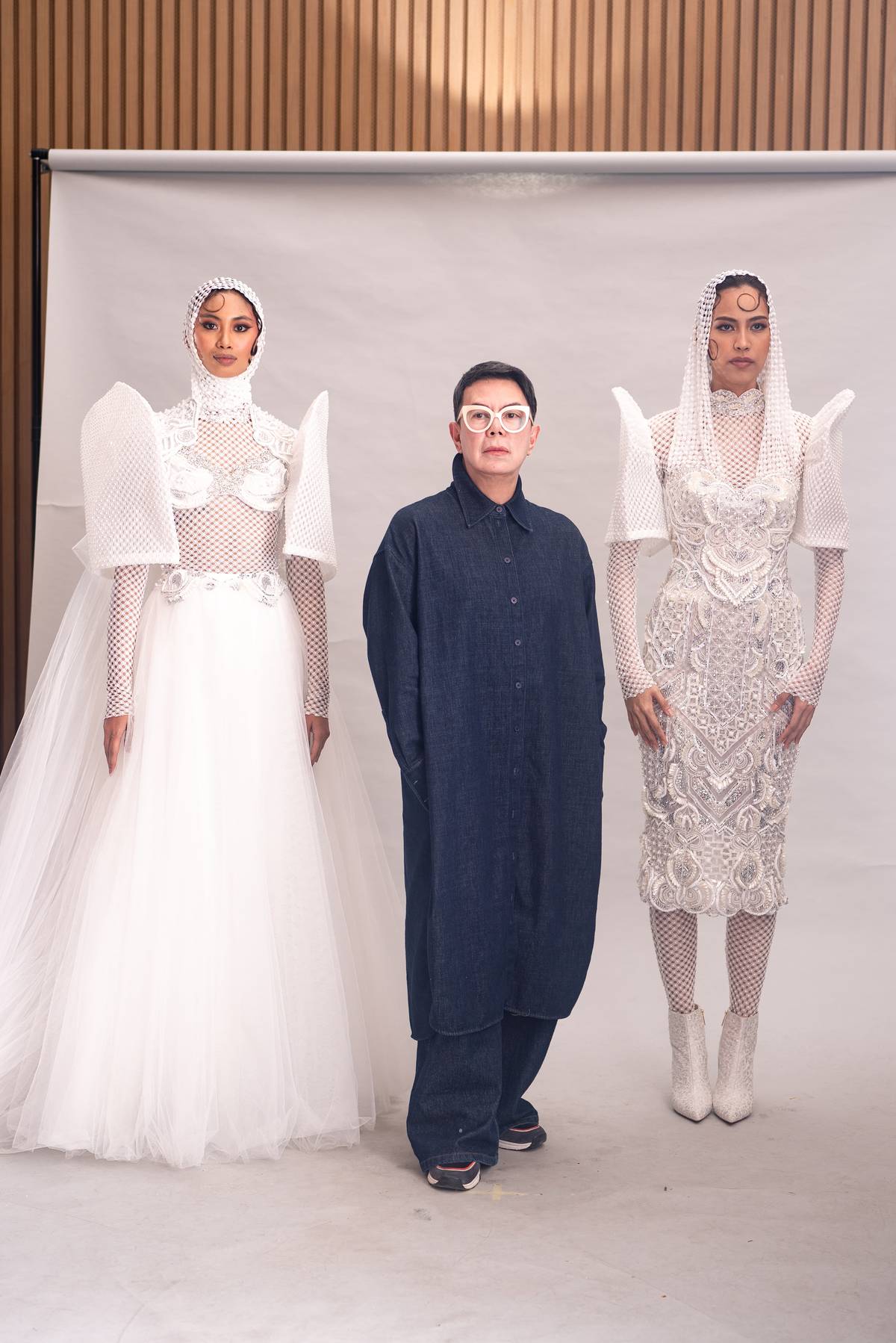
Ezra Santos
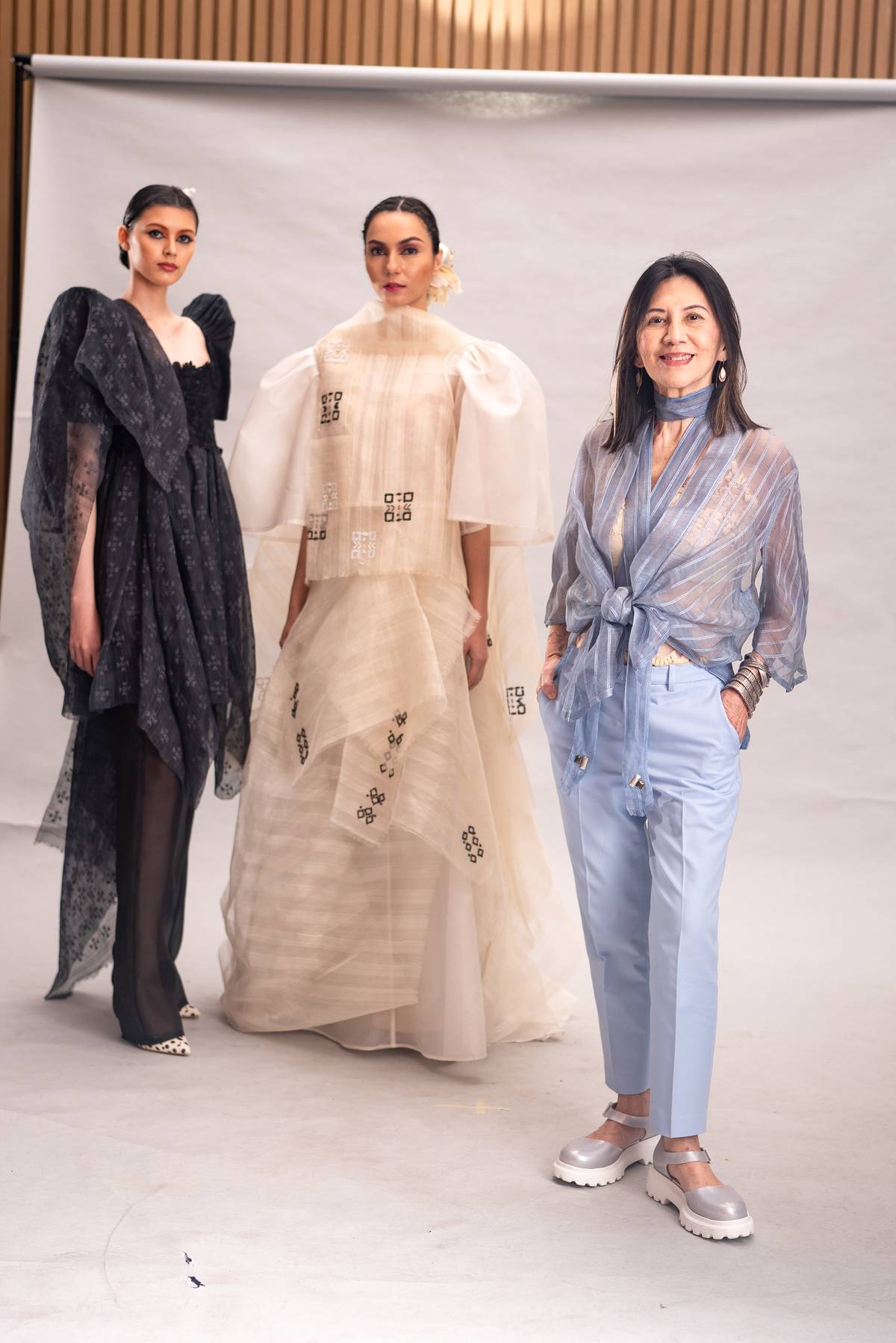
Lulu Tan-Gan
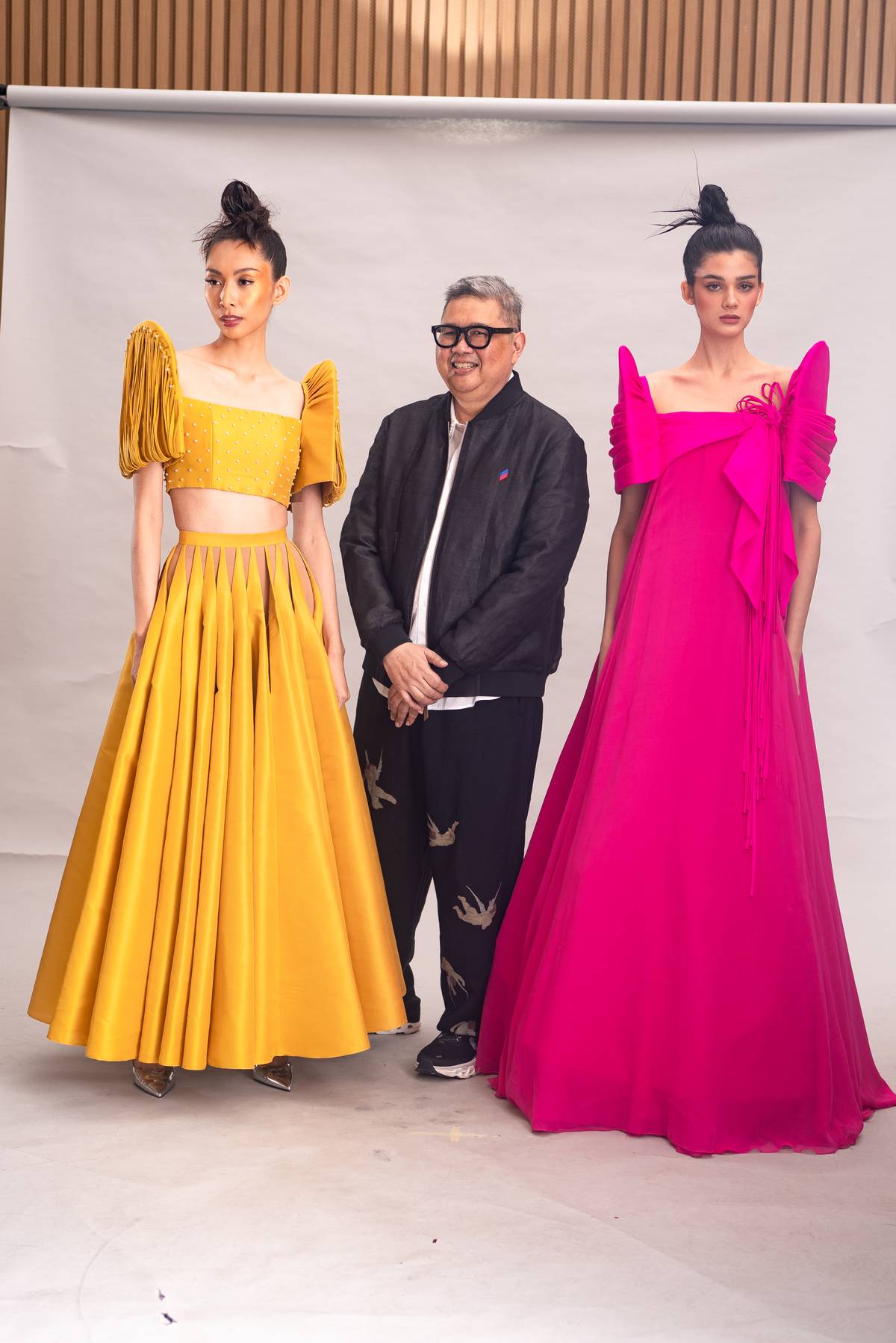
Rhett Eala
Kim Montes
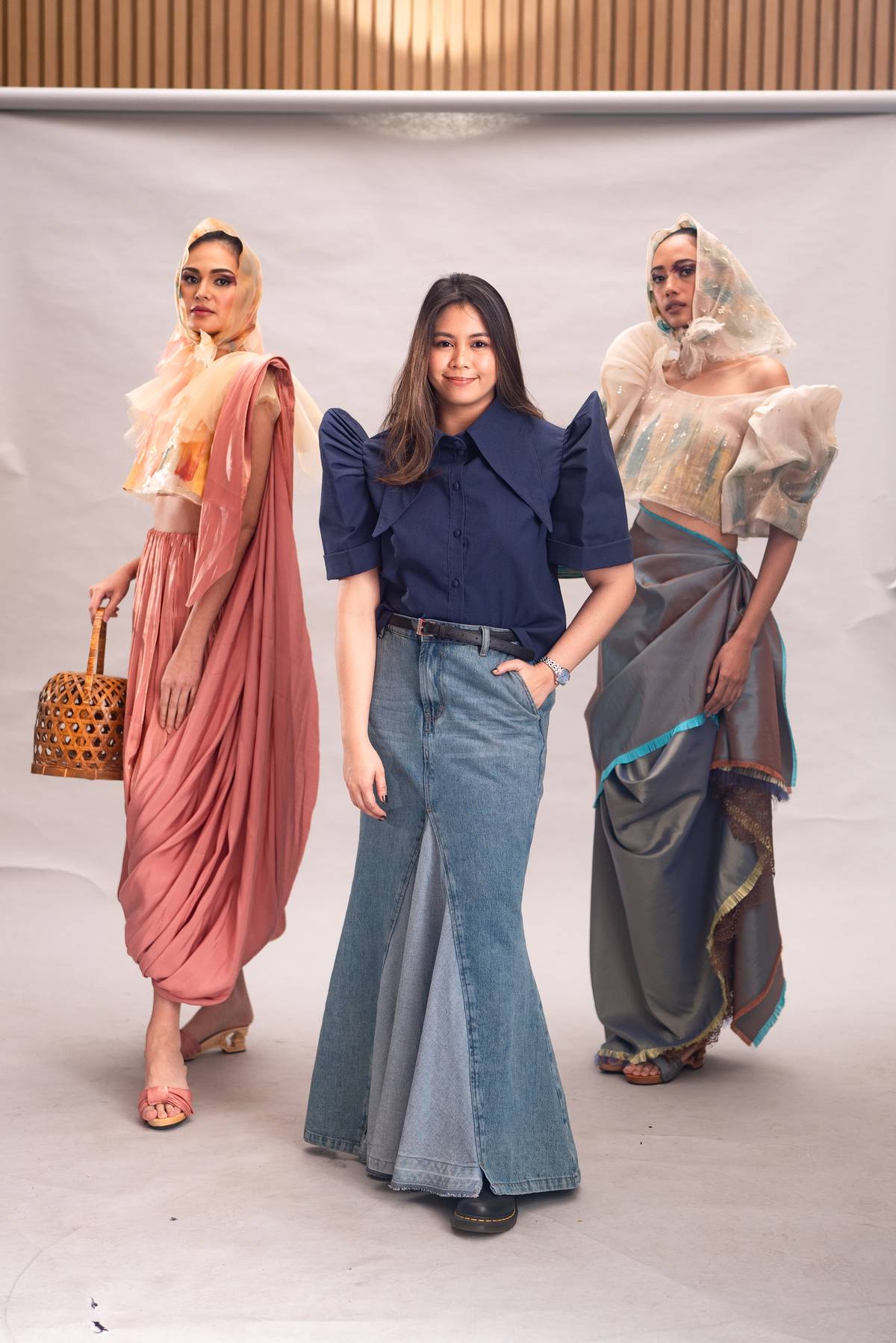
YSSA Inumerable
Three decades after the Marcopper mining disaster devastated Marinduque’s waterways, the province is again pressing the…
Housing is probably the biggest issue affecting people the world over.
Malacañang on Monday called for a more thorough investigation into the questioned flood control projects in Taguig…
The defense on Monday backed the move by senator-judges to exclude a prosecution witness who testified on the firearms…
“It has always been our passion to promote Filipino culture through fashion design. With TernoCon, we preserve an integral part of our Filipino heritage through education, exhibition and public awareness,” said Suyen Corporation chairman and chief executive officer Ben Chan.
Now in its fourth edition, TernoCon recently held a press conference announcing the 12 finalists and two semi-finalists who will take part in the second workshop-mentoring session slated for 17 to 21 October at the Bench Tower in Bonifacio Global City, Taguig. The chosen 12 finalists include Windell Madis, Geomarie Hernandez, Johnoel Marin, Patrick Lazol, Jericho Gonzales, Irene Subang, Bryan Peralta, Peach Garde, Ram Silva, Lexter Badana, Jared Palmejar and Monina Gatan, while the two semi-finalists are Xioti Chiu and Jema Gamer. These participants hail from different parts of the country, from Ilocos Norte in the north to Davao in the south.
The finalists had their first mentoring workshop from 17 to 22 June at the Training Center of the Baguio Country Club, where they began working on their capsule three-piece collection consisting of a formal terno with pañuelo, a formal balintawak with alampay and tapis, and a formal kimona (a camisa or pullover blouse) with alampay and patadyong (a tube-like wraparound skirt).
Guided by some of the country’s design experts, this year’s workshop is led by TernoCon’s chief mentor since 2018, Inno Sotto, along with Ezra Santos, Lulu Tan-Gan, Rhett Eala, TernoCon’s founding artistic director Gino Gonzales, and current artistic director Ricardo Eric Cruz.
“The goal is to continue what was already started: to popularize the terno as our national garment and stick to the proper measurements and how it should be worn. These are the garments that somehow stand out and differentiate us from our Asian neighbors and our Western counterparts. We have to find ways to improve it while conserving its core aesthetic elements,” said Ricardo Eric Cruz.
TernoCon, a national terno-making convention and competition for Filipino designers, continues its mission of preserving and promoting the Philippine dress. This collaborative initiative of the Cultural Center of the Philippines (CCP) and Bench for 2025 draws inspiration from 20th-century Philippine contemporary art, encompassing works by National Artists Ang Kiukok and Abdulmari Imao, and artists Lao Lianben and Anita Magsaysay-Ho. Through TernoCon, the CCP and Bench champion the best of Philippine arts and culture, ensuring that the legacy of the Philippine dress is revitalized, sustained and integrated into everyday life.
TernoCon 2025 is implemented in partnership with the Barasoain Kalinangan Foundation Inc., Baguio Country Club, St. Louis University and Seda Hotel BGC.
