
ICOMOS Philippines completes heritage project in Vigan
Over the past year, ICOMOS Philippines, as the implementing partner of the UNESCO HEF, led a multifaceted effort to assess and address the damage caused by the Northwestern Luzon Earthquake of 2022

The closing ceremony for the year-long heritage recovery project in Vigan City, Ilocos Sur, was held on 12 August at Tadena Hall, University of Northern Philippines, marking the culmination of a significant collaborative effort among expert conservation teams, stakeholders of Vigan, the local government, local cultural institutions, tradespersons, contractors, technicians, and most especially the local homeowners. This effort was initiated in response to the devastating Northwestern Luzon Earthquake of 2022. The project, funded by the United Nations Educational, Scientific and Cultural Organization (UNESCO) Heritage Emergency Fund (HEF), aims to enhance the technical standards for the conservation and protection of Vigan’s historic structures, particularly its vernacular ancestral homes.
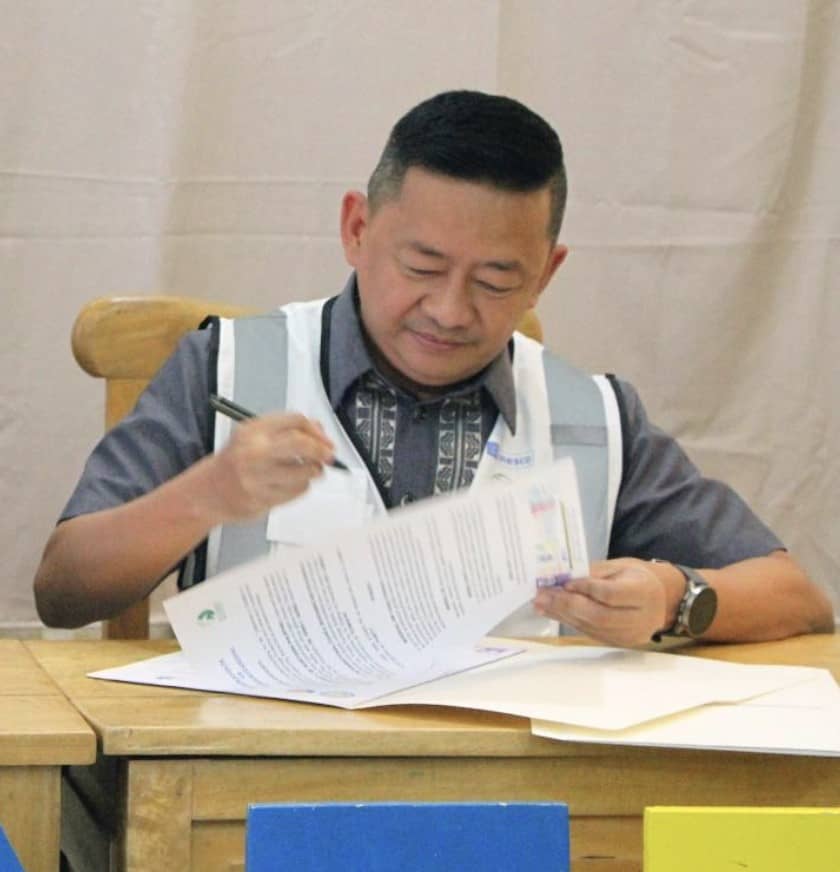
Cheek Fadriquela, president and chairman of ICOMOS Philippines.
The ceremony was attended by representatives from UNESCO Jakarta, the National Commission for Culture and the Arts (NCCA), Philippine National Commission for UNESCO (UNACOM), the city government of Vigan, the National Museum of the Philippines, and various community stakeholders. The gathering reflected on the progress made over the past year and the impact of the HEF on the conservation and restoration of Vigan’s cultural heritage.
Cheek Fadriquela, president and chairman of International Council on Monuments and Sites (ICOMOS) Philippines, captured the sentiment of the occasion, stating that he hopes that all stakeholders may find ICOMOS’ humble work worthy of future collaborations towards the conservation of cultural properties of outstanding value to humanity. This message resonated with the audience, emphasizing the importance of ongoing technical collaboration to conserve Vigan’s rich cultural legacy.
Moe Chiba, chief of Culture Unit at UNESCO Jakarta, highlighted the perseverance and dedication of the project’s participants. She remarked that the “sanctity of commitment was witnessed in Vigan [sic] despite the lack of funding for the private vernacular ancestral homes.” Her words underscored the challenges faced during the recovery process, particularly the limited financial resources available for restoring private heritage properties. Despite these obstacles, the project forged ahead, raising in-kind contributions and demonstrating the resilience and determination of all involved.
NCCA chairman Victorino “Ino” Manalo further emphasized Vigan’s role as an educational model, stating, “Vigan is not only a heritage town but also a teaching town.” He stressed the critical role of the expert teams, especially the youth, in ensuring that the knowledge of heritage conservation is passed on to future generations. The involvement of young people in this project was a significant aspect, aligning with UNESCO’s focus on empowering youth by integrating their perspectives into cultural heritage initiatives.
Ivan Anthony Henares, Secretary-General of the Philippine National Commission for UNESCO also delivered a message that highlighted the importance of transparency and of stakeholder involvement. He stated that his office has been regularly monitoring the efforts, and we are delighted to see the progress. Furthermore, he anticipates listening to their (stakeholders’) testimonies and perspectives to be reflected in this project evaluation’s activities and outputs.”
He succinctly remarked, “Keeping together is progress and working together is success.”
Over the past year, ICOMOS Philippines, as the implementing partner of the UNESCO HEF, led a multifaceted effort to assess and address the damage caused by the earthquake. Post-disaster, immediate attempts were made by private contractors, the city government, and national cultural agencies to recover from the event. However, not all conservation interventions were consistent, as revealed in a post-situation analysis funded by UNESCO Jakarta. To address these gaps, UNESCO Jakarta selected ICOMOS Philippines as the recipient of the HEF, mobilizing expert teams in structural engineering, architectural conservation, and materials science to develop sustainable solutions for the rehabilitation and restoration of Vigan’s heritage structures.
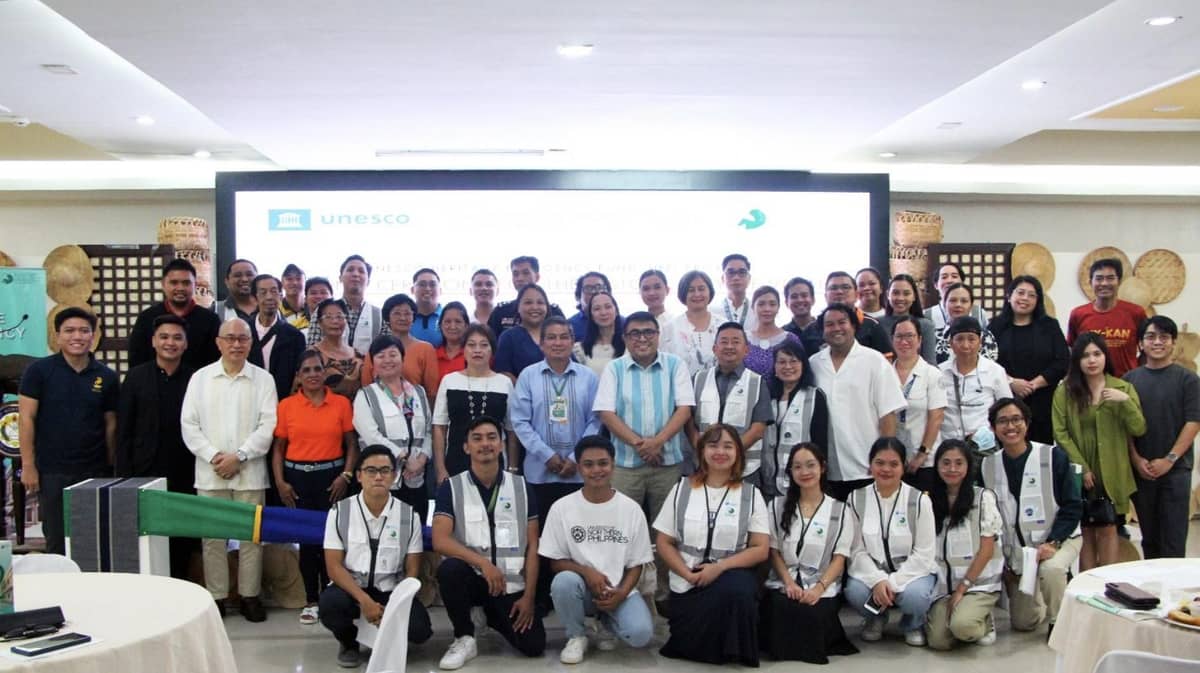
Stakeholders involved in the project on the conservation and protection of Vigan’s historic structures.
One of the project’s key achievements was the capacity-building initiative for local contractors, tradespersons, and technicians. Through a series of lectures and workshops, participants were familiarized with traditional construction materials and techniques, emphasizing the importance of maintaining authenticity in conservation interventions. This effort was crucial, especially given the reliance on modern construction techniques that are often incompatible with Vigan’s historic structures.
The project also highlighted the importance of community involvement and partnership. ICOMOS Philippines successfully campaigned for the project as an act of positive, communal participation, attracting generous donations and in-kind contributions that also led this project to attain another major accomplishment. For the allocation of $105,500 or P5,802,500 by the UNESCO and HEF donors, this amount was matched by private in-kind contributors who donated pro-bono services amounting to $111,433 or P6,128,814. The in-kind contributions gave the project a greater impact towards the recovery of Vigan.
A critical outcome of the project was the development of a Heritage Disaster Risk Management (HDRM) plan for Vigan. This living document provides stakeholders with a comprehensive strategy to mitigate future natural events, ensuring that the city is prepared rather than reactive. The plan addresses potential risks, vulnerabilities, and hazards, including the compounding effects of flooding and earthquake damage.
At the end, partnerships were forged to ensure the continuity of efforts to sustainably rehabilitate the Historic City of Vigan. The signing of a Memorandums of Understanding between the University of Northern Philippines with The University of Hong Kong and ICOMOS Philippines signifies a commitment beyond the HEF towards the conservation of the heritage sites in Vigan.
The closing ceremony concluded with the “untying of the cloth” made from Vigan’s hand-woven textile, symbolizing the opening of an exhibition that recounted the narrative of the past year’s efforts.
Exhibition counsel and curatorial advisor Laya Boquiren-Gonzales curated the exhibition which featured panels and object displays on materials science, architectural conservation, and structural engineering, alongside contributions from stakeholders. It served as a testament to the collaborative effort and the ongoing commitment to a resilient and sustainable recovery for Vigan.
The exhibition highlighted the accomplishments, collaborative effort, and the ongoing commitment to a resilient and sustainable recovery for Vigan. Titled “Saluad-Tawid,” Ilocano for “protecting our heritage,” this marks the conclusion of the HEF Vigan Project, documenting the many pivotal events.
As this chapter closes, the words of Fadriquela and Vigan Conservation Council architect Fatima Nicetas Rabang-Alonzo resonate strongly, reminding all involved of the need to continue working together in the spirit of cooperation and dedication. The success of the project is not just a milestone in heritage conservation but a foundation for future efforts to conserve and protect the cultural heritage of Vigan and beyond. A forward-looking vision for greater resilience that captures the essence of what this project has achieved and what it aspires to accomplish in the future.