
Baguio’s cool green mall
SMHCC further highlights the impact of the RTF, which extends beyond the mall itself. With reduced reliance on the city’s water supply, water haulers have been able to service more households, particularly during periods of water scarcity experienced throughout the city.


SM City Baguio is making significant strides in water stewardship with its innovative rainwater treatment facility since its launch in July 2023.
According to its website, the facility has already processed over 17,111.80 cubic meters of rainwater — equivalent to seven Olympic-size swimming pools enough to fill over 6,800 standard water tankers. These turn into potable water for the SM mall’s operations and for its lessees’ use.
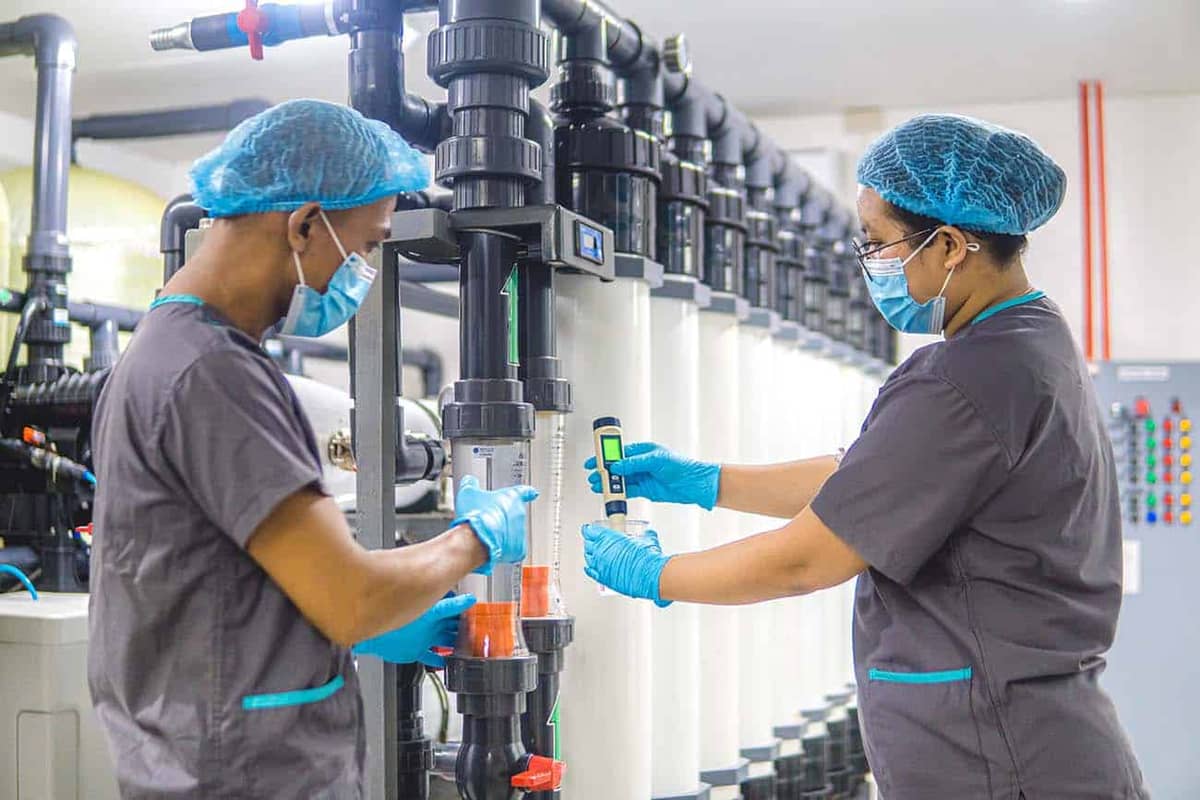
The rainwater treatment facility utilizes a rigorous six-step treatment process with real-time monitoring, ensuring processed water always adheres to potability requirements.
“This facility is a testament to SM Prime Holdings’ commitment to sustainable operations and to the well-being of the communities we serve. By maximizing rainwater harvesting and treatment, we are not only reducing our reliance on the city’s water supply but also contributing to a healthier and more resilient Baguio City,” Engineer Liza Silerio, SM Supermalls’ vice president and Sustainability and Resilience head, said.
The initiative provides 30 percent of the mall’s total monthly average requirement for clean water that is safe for consumption and food preparation. The RTF utilizes a meticulous six-step treatment process, with equipment monitored and parameters checked in real time to ensure optimal performance. The processed water undergoes regular testing by the city’s accredited testing facility and consistently passes all water potability standards.
SMHCC further highlights the impact of the RTF, which extends beyond the mall itself. With reduced reliance on the city’s water supply, water haulers have been able to service more households, particularly during periods of water scarcity experienced throughout the city.
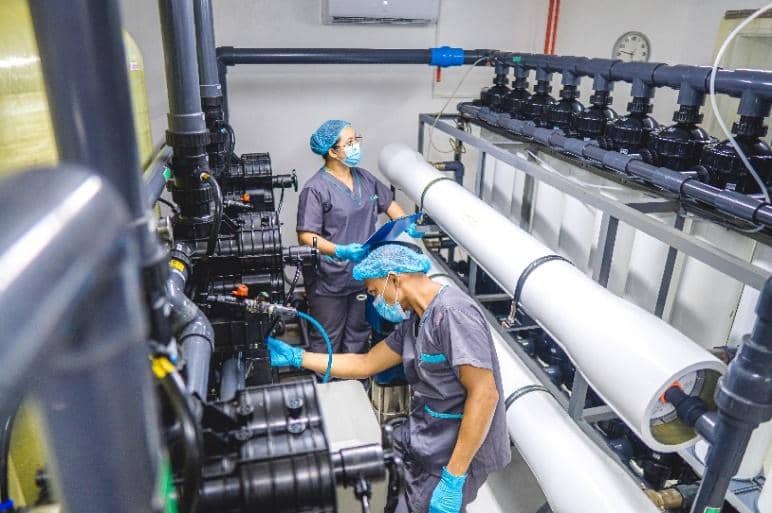
The initiative provides 30 percent of the mall’s total monthly average requirement for clean water that is safe for consumption and food preparation.
Harmonizing with nature
SM City Baguio becomes one with nature. The area where most of the existing trees is located was preserved. The affected trees were replenished by providing a sky garden located at the top most level of the building. Green garage screens, planters on balconies and potted plants and trees were also introduced within the building and its premises.
The strategic design also maximizes the use of natural light, allowing sunlight to penetrate the building, thus reducing energy consumption. The building permits cold air to enter and circulate, maximizing the cool Cordillera mountain breeze throughout the general mall area.