




Catching up with tourism giants


Text size
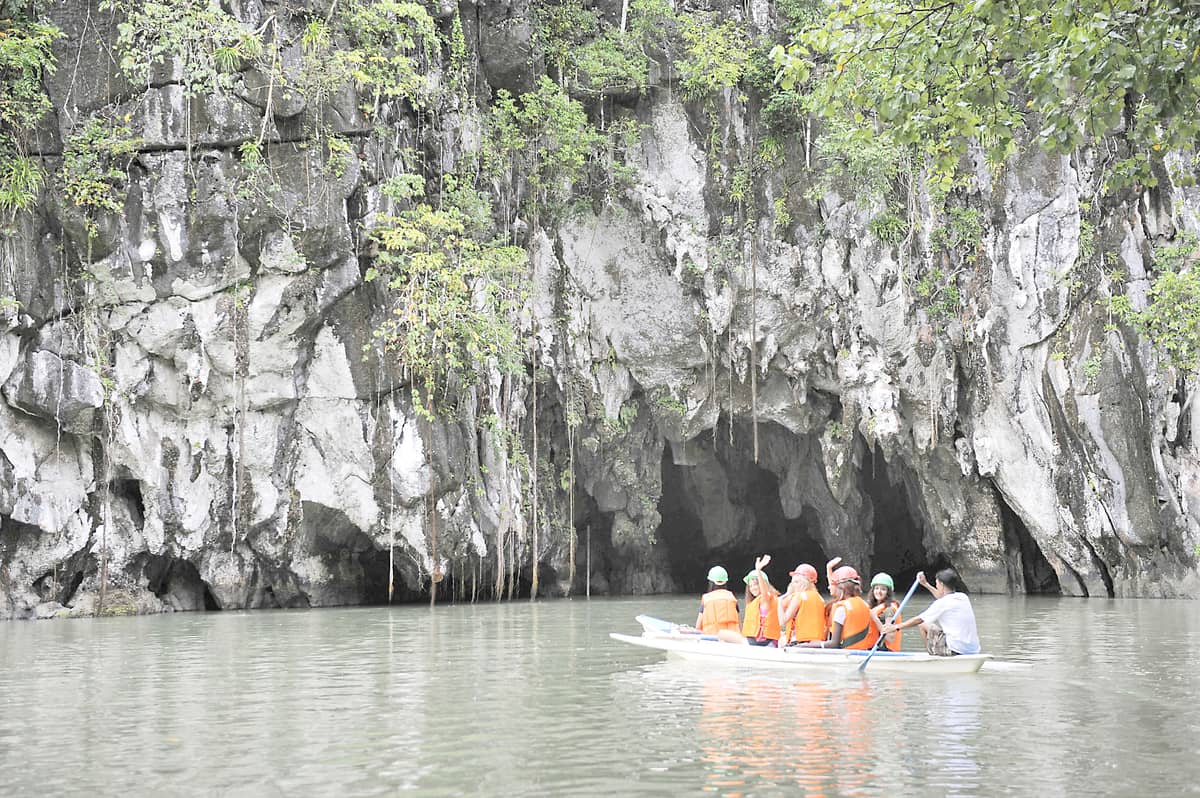
Tourists prepare to enter the Puerto Princesa Subterranean River National Park located in Puerto Princesa, Palawan.
ROMEO GACAD/AGENCE FRANCE-PRESSE
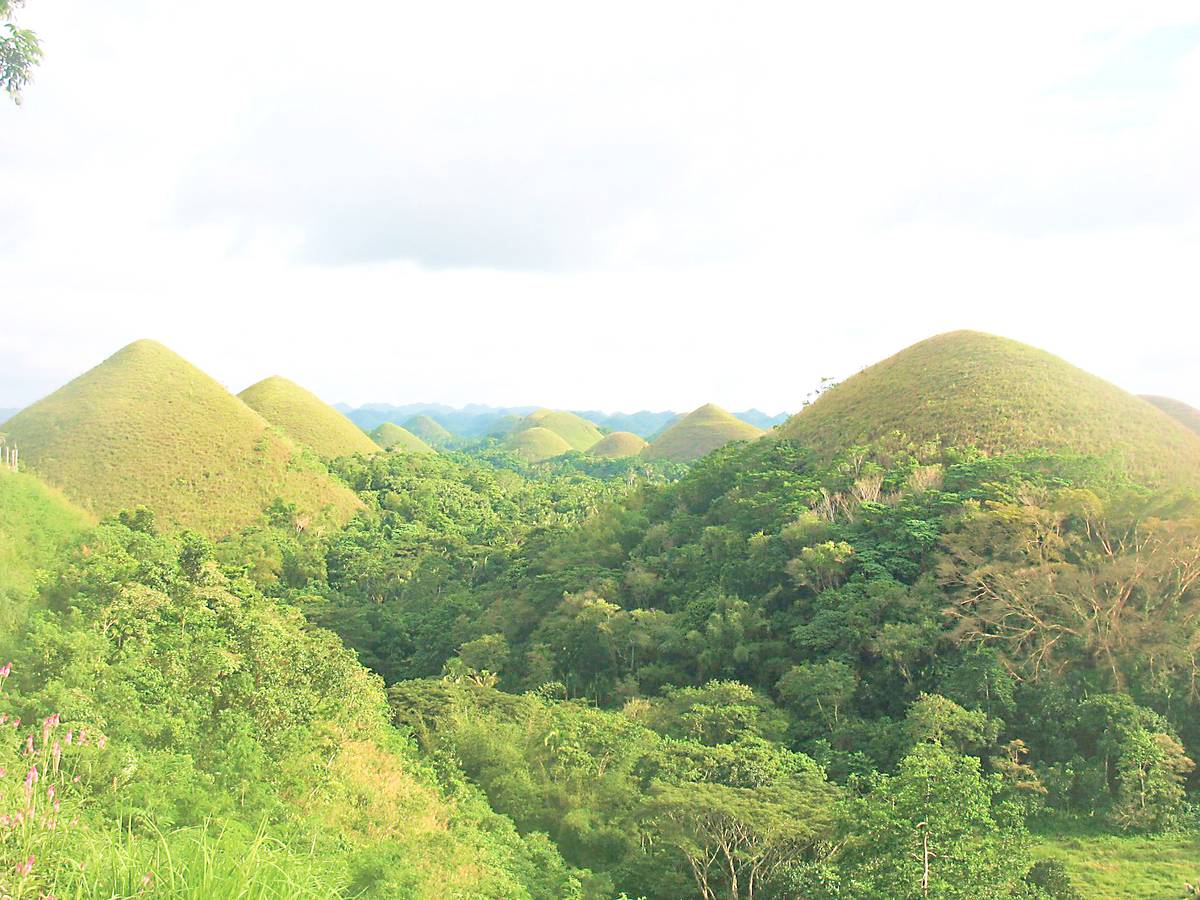
chocolate Hills in Bohol.
PHOTOGRAPH COURTESY OF roel Manipon/FB
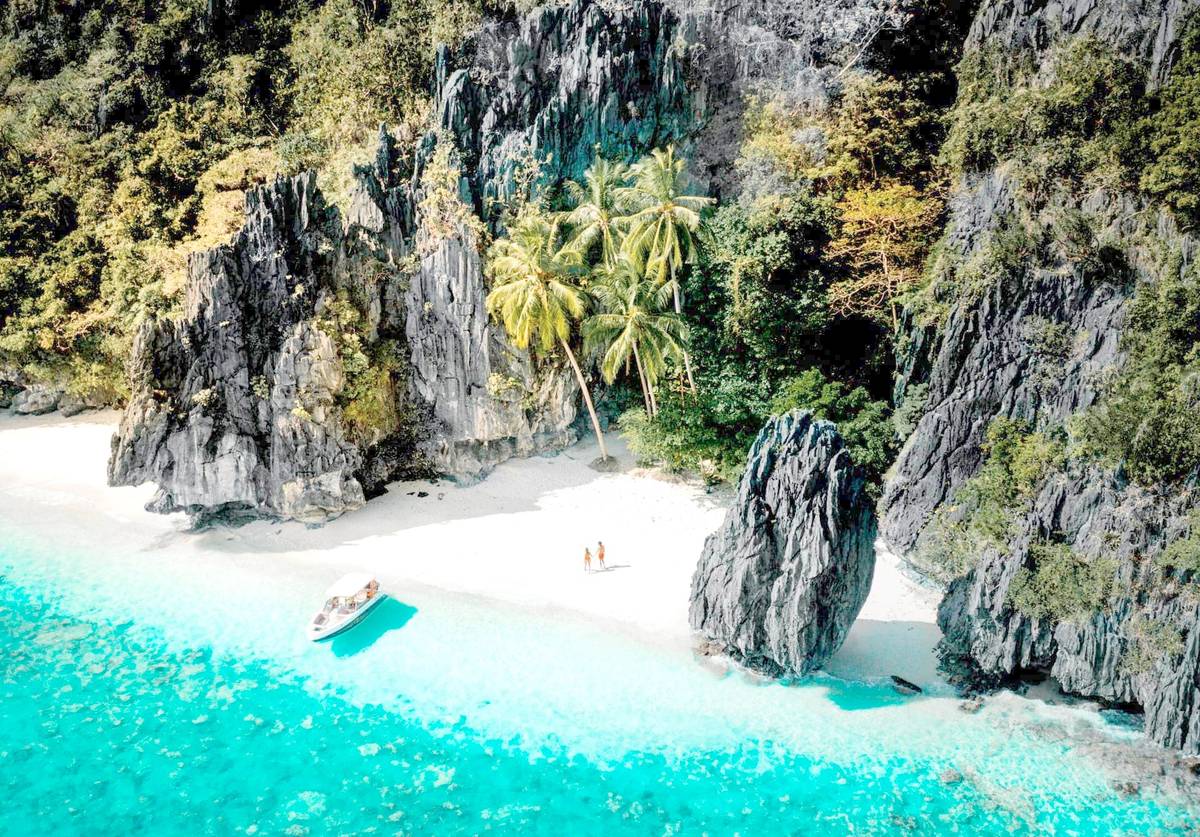
El Nido, Palawan.
PHOTOGRAPH COURTESY OF SALTINOURHAIR
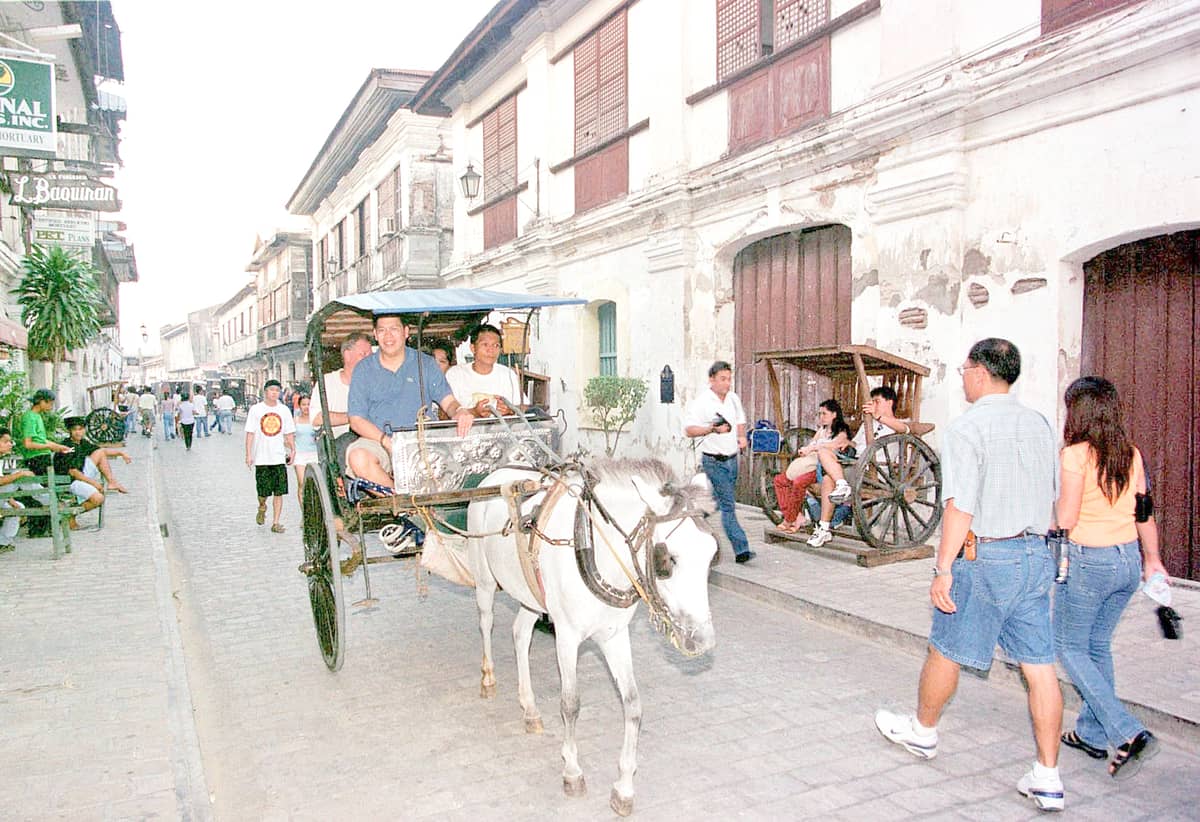
Calle Crisologo in Vigan City.
ROMEO GACAD/AGENCE FRANCE-PRESSE
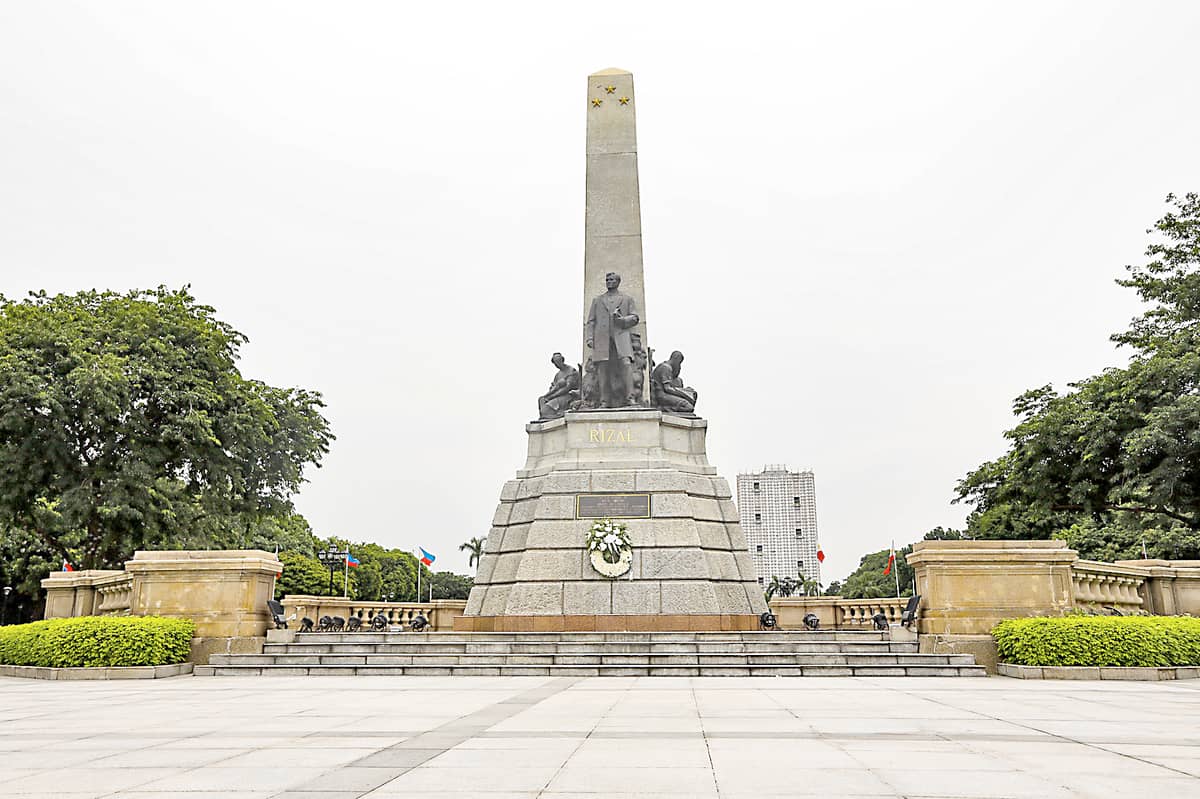
Rizal Park in Manila.
PHOTOGRAPH BY john louie abrina FOR THE DAILY TRIBUNE
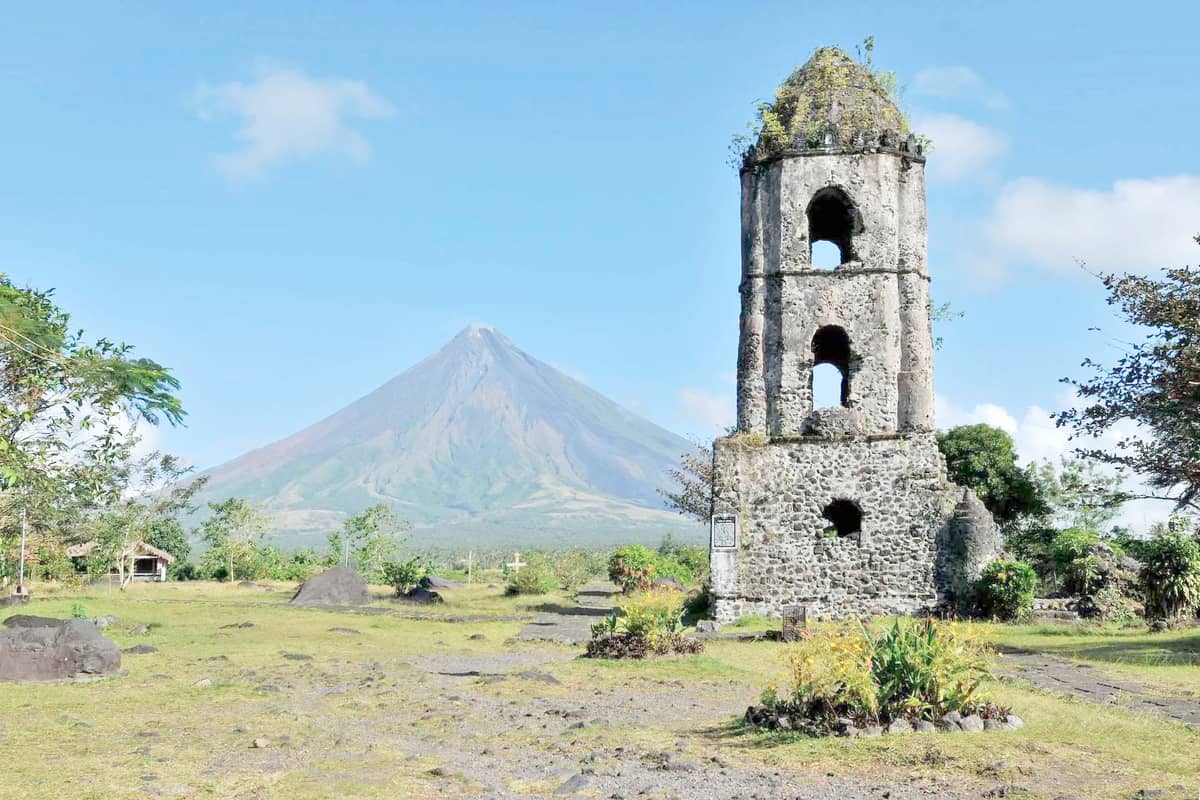
Mayon Volcano.
PHOTOGRAPH COURTESY OF travel-palawan.com
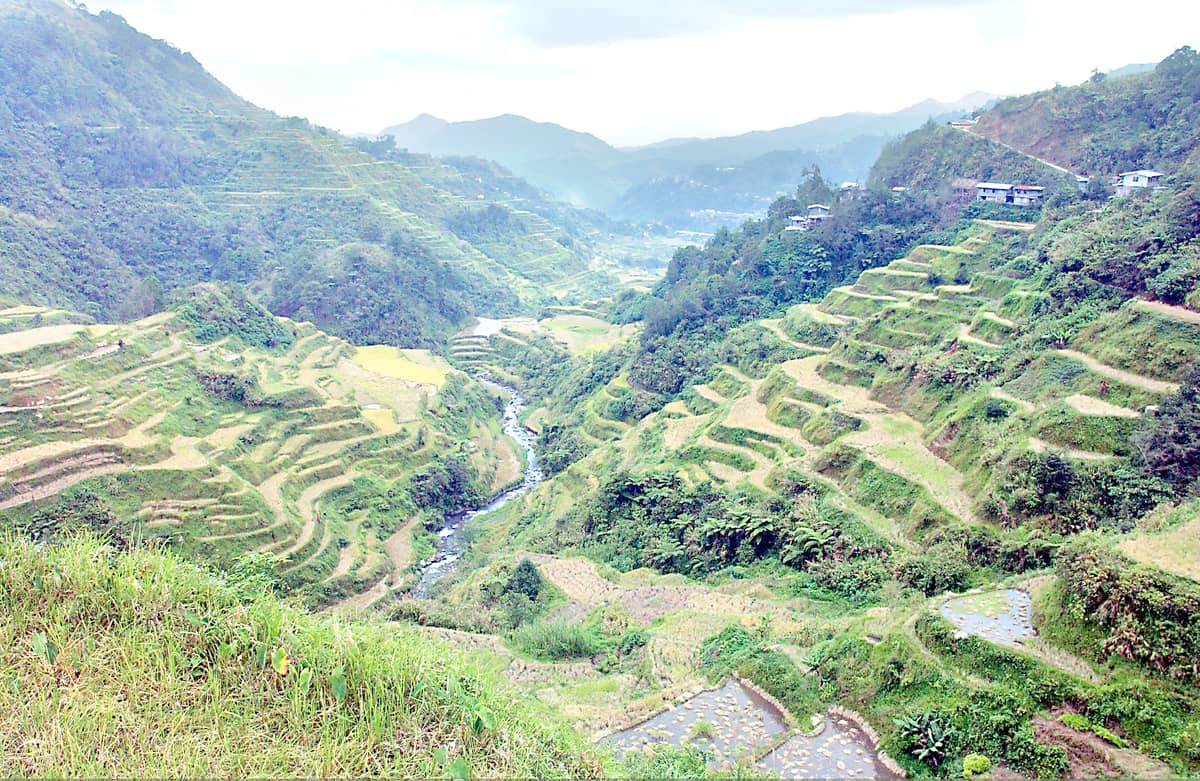
Banaue Rice Terraces. The rice terraces were carved by Ifugao tribesmen by hand from treacherous mountains some 2,000 years ago in northern Ifugao province.
ROMEO GACAD/AGENCE FRANCE-PRESSE
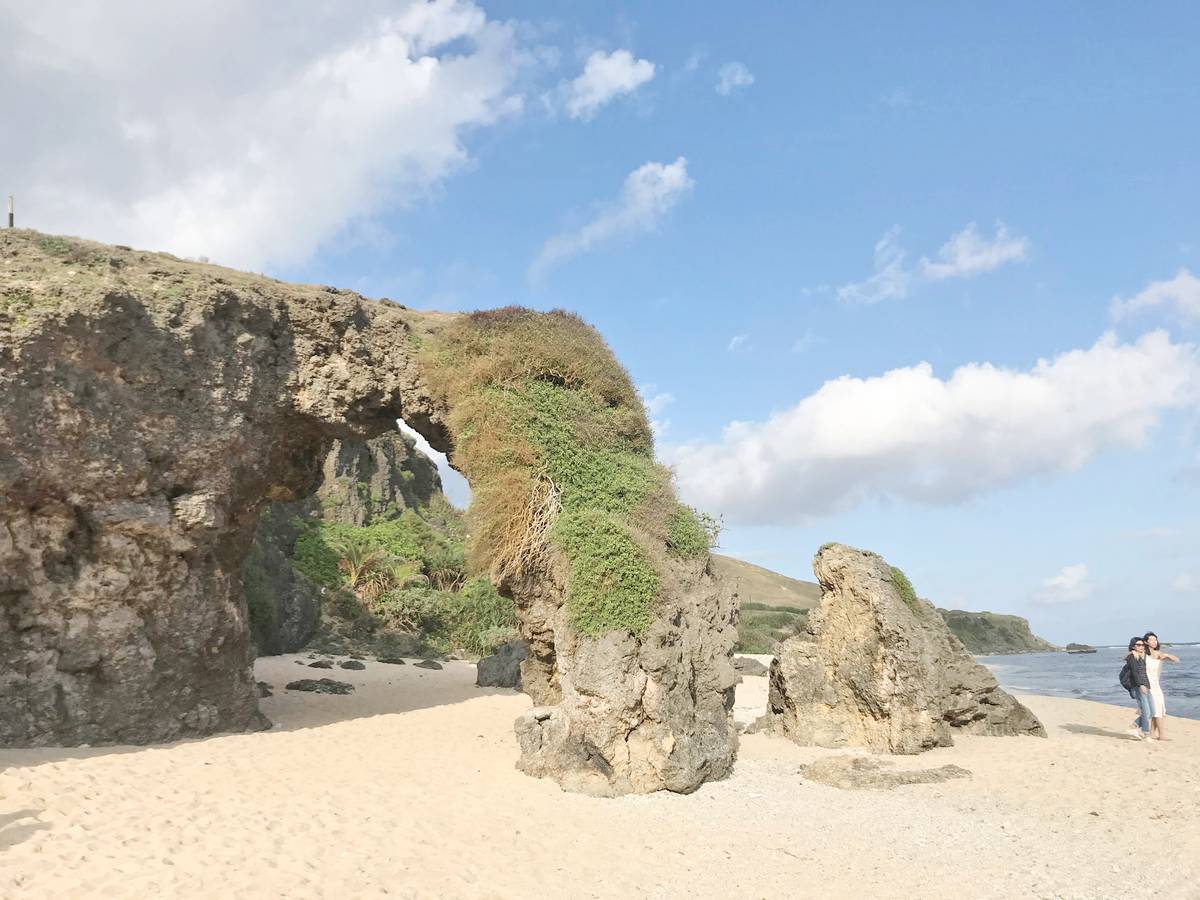
Morong Beach in Batanes.
PHOTOGRAPH BY JAS LALOG FOR THE DAILY TRIBUNE
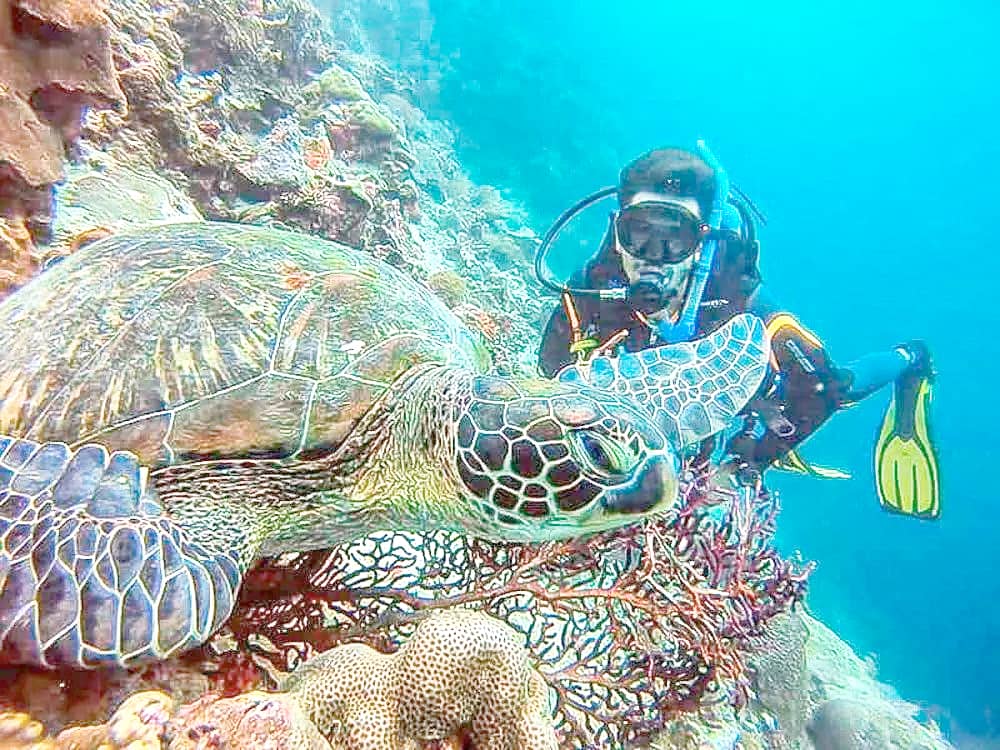
Diving spots in Cebu Island.
PHOTOGRAPH COURTESY OF cebufundivers
‘I have a lot of work as mayor of the particular LGU which is Davao City. It will take too much of my time if I don’t…
Hindu immigrants abroad celebrate in either August or September Ganesh Chaturthi, a 10-day festival commemorating the…
President Ferdinand Marcos Jr. on Tuesday called for women’s greater representation in leadership across Southeast…
The Senate impeachment court on Tuesday denied the prosecution’s bid to compel Vice President Sara Duterte to confirm…
World Tourism Day, celebrated annually on 27 September, highlights the global significance of tourism in promoting cultural exchange, economic development and environmental sustainability.
For the Philippines, this day underscores the country’s rich tourism potential and the importance of attracting international visitors to boost its economy.
The Philippines, known for its beautiful beaches, vibrant festivals and historical landmarks, has long been a sought-after destination. However, in comparison to neighboring countries like Thailand, the country still faces challenges in maximizing its tourism revenues.
Thailand, for instance, consistently ranks as one of Southeast Asia’s top tourist destinations due to its well-established tourism infrastructure, aggressive marketing campaigns and a reputation for offering diverse experiences — from bustling cities like Bangkok to serene islands like Phuket.
To keep pace with Thailand’s tourism success, the Philippines needs to focus on several areas.
First, infrastructure improvement is key. The country should continue investing in upgrading airports, roads and tourist facilities to make travel more convenient and enjoyable for visitors. Better connectivity between major tourist hubs and emerging destinations will ensure that lesser-known gems are accessible to both local and foreign tourists.
Second, a strong marketing strategy that emphasizes the uniqueness of Philippine destinations is essential. While Thailand is famous for its temples and nightlife, the Philippines can leverage its natural wonders, diverse marine life and cultural diversity as unique selling points. Collaborating with influencers, promoting eco-tourism and hosting international events will help raise the country’s profile.
Lastly, enhancing safety, sustainability and customer service will play a crucial role in attracting repeat visitors. By prioritizing these factors, the Philippines can compete with regional giants like Thailand and grow its tourism revenues, ensuring the sector’s long-term sustainability and positive impact on the economy.
