
Subsidized housing in the works — DHSUD
Escolango said the main beneficiaries will be the population that does not have their own home, including informal settlers.
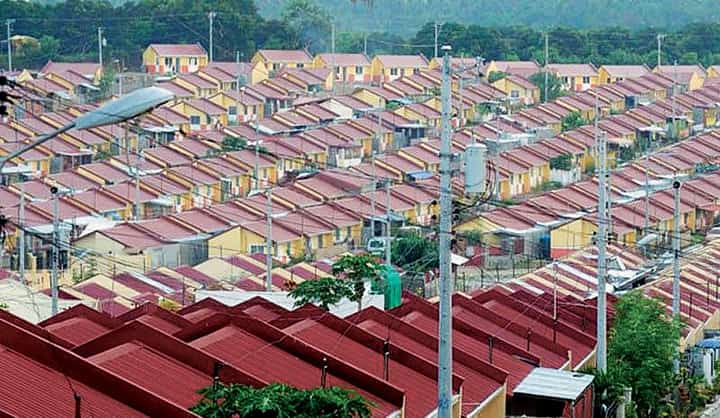
“Affordability” is one of the priorities of the Department of Human Settlements and Urban Development (DHSUD) with the launch of its 4PH or the Pambansang Pabahay Para sa Pilipino subsidized housing program.
In an exclusive interview on DAILY TRIBUNE’s Straight Talk show, DHSUD Undersecretary for Disaster Response Randy Escolango said the department is targeting the construction of six million housing units before the end of the current administration.
Escolango said the public housing will include full amenities such as schools, transportation, jobs, and security.
“In the past, housing projects were located quite far; there was no electricity or water. It was just to relocate the families. Now these are some of the amenities before the housing projects will be started, he said in Filipino.
Under Executive Order 34 signed by President Ferdinand Marcos Jr., the 4PH will be flagship public housing program. Government-owned idle land will be assessed by the DHSUD as potential locations for housing.
The DHSUD is set to build the housing in various parts of Metro Manila, and possibly neighboring cities and towns. They will be condominium-type buildings to maximize the spaces available in such areas. The usual cost of a condo may be cut to at least one-fifth the usual price of P5 million to P1.5 million.
Escolango said the main beneficiaries will be the population that does not have their own home, including informal settlers.
“Actually we would prefer informal settlers because they are the ones who are supposed to benefit,” he said.