
Osaka plays host to Philippine Fashion
‘We believe in nurturing the next generation of Filipino designers and providing them with the platforms they need to succeed in the competitive fashion industry’

Japan, a fashion Mecca of Asia, graciously welcomed a new generation of Filipino designers to take center stage.
The Hankyu Umeda in the City of Osaka, the flagship store of the renowned Hankyu department store chain and the oldest one in the world connected to a railway station, recently played host to a number of emerging Philippine designer and luxury brands during the week-long TAYO Fashion Week 2024.
Held at its 10th floor, the Umeda Souq routinely gathers artisans, designers and independent labels for collaborations — and this time, the Filipino contingent was tapped and prominently displayed their wares.
The event spotlighted such desired items from Feanne, Ken Samudio, J Mäkitalo, the up-and-coming designer label REPAMANA, and the Osaka-based rework brand SABOTTEN.
“We were thrilled to partner with Hankyu Department Store’s Hankyu Souq for this special pop-up,” said the organizers.
“This event not only celebrates Filipino innovation in a premier establishment such as Hankyu, but also cultivates the friendship between the Filipino and Japanese fashion communities.”
The affair likewise launched the TAYO Young Designer Showcase Program, which aimed to introduce fledgling Filipino fashionistas to the Japanese market. This year’s recipient was REPAMANA.
“We believe in nurturing the next generation of Filipino designers and providing them with the platforms they need to succeed in the competitive fashion industry,” shared organizer and artist Pamela Madlangbayan, a De La Salle-College of Saint Benilde alumna and presently an educator at the Osaka Bunka Institute of Fashion.
Let us hear from the participating Filipino designers and their experiences during the TAYO Fashion Week 2024:
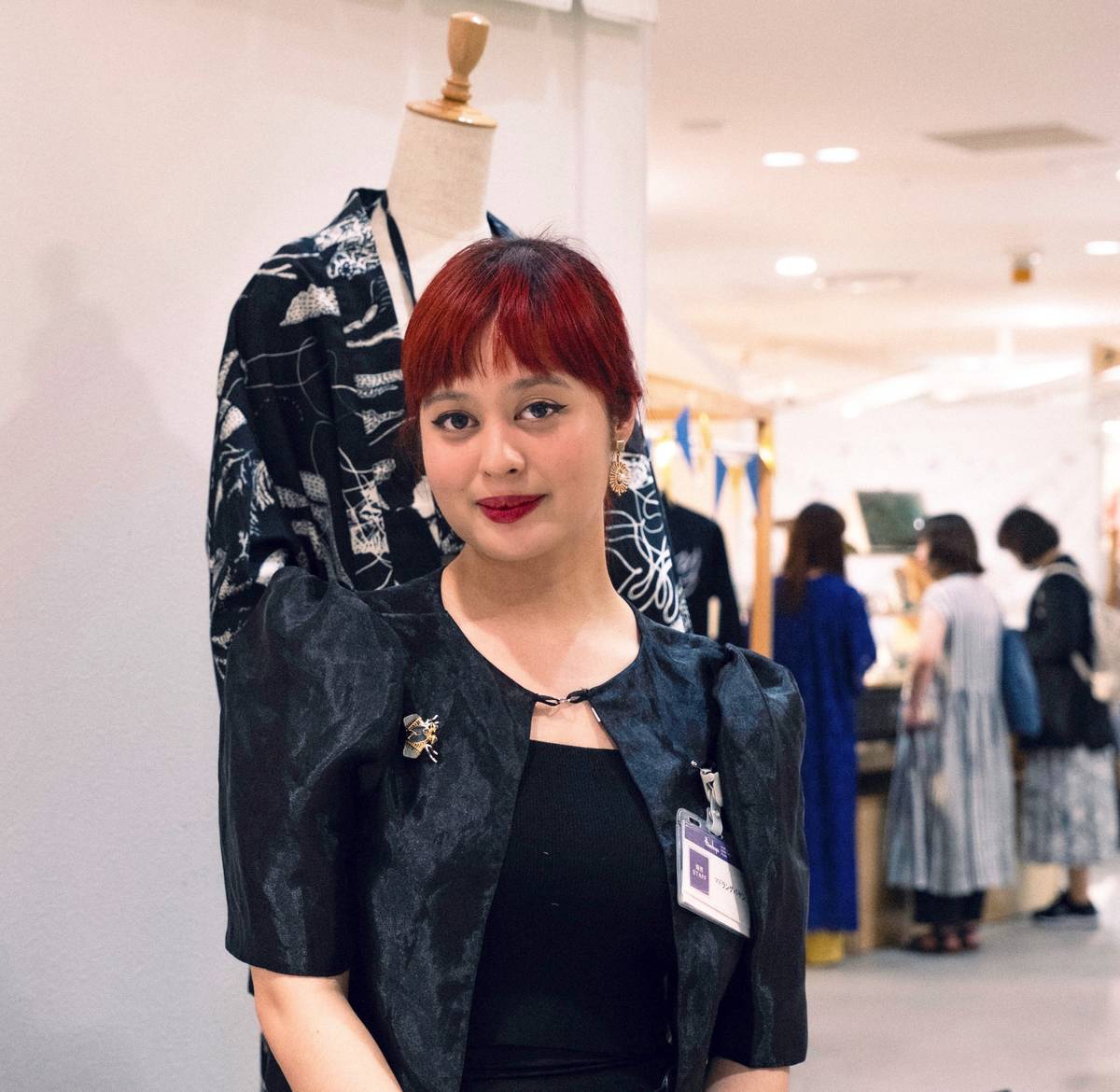
Pamela Madlangbayan of SABOTTEN.
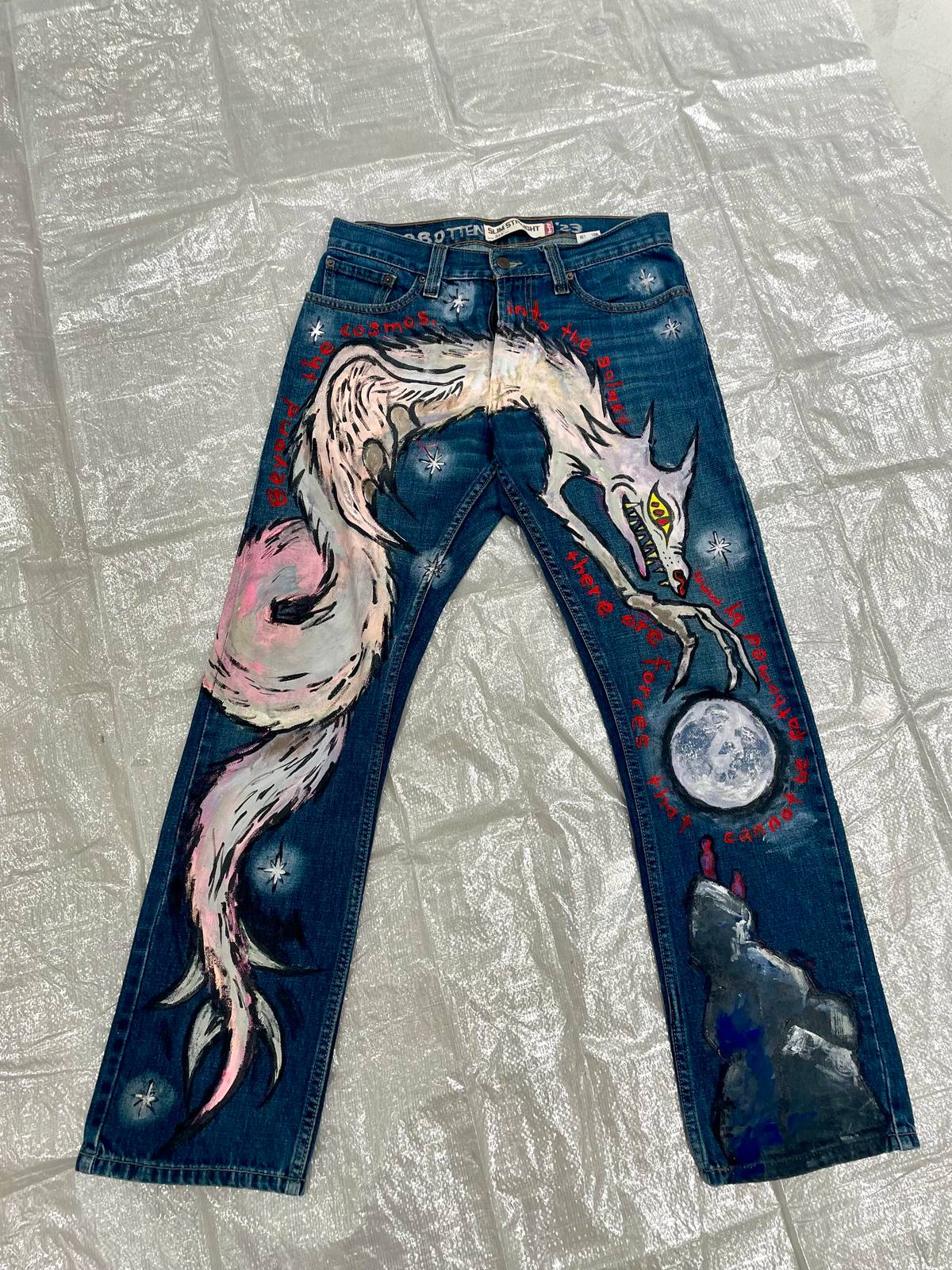
‘BAKUNAWA’ handpainted denim by SABOTTEN.
Pamela Madlangbayan SABOTTEN
How was the experience being a part of the TAYO Fashion Week?
I have participated in several pop-ups with independent Japanese brands throughout Osaka. It assisted me on how to interact with customers and even perhaps open a store, as I prepared to take on the leadership role for TAYO Fashion Week 2024.
We had full creative control over space design and our pieces, while ensuring we met all guidelines and product quality standards required by Hankyu. The logistics were challenging on my end — organizing a week-long celebration was significantly different from an exhibition or cocktail event.
Briefly tell us about your collection. How did you incorporate Filipino elements in your pieces?
I represented SABOTTEN, my rework brand. Mexican folk art and street art inspired me to develop my artist persona and build a unique world around it. While the person Pamela Madlangbayan embodies many facets, SABOTTEN represents a clear and distinct vision.
Having spent most of my life in Japan, my interpretation of Filipinoness is rooted in my childhood experiences. I never associate my Filipinoness with refined luxury; instead, it is characterized by street culture, maximalism, vibrant colors, and the lively fiestas of Cavite.
Some of my works for SABOTTEN drew inspiration from Philippine mythology, featuring creatures such as the Bakunawa, Sigbin, and Manananggal, but with a humorous twist and a kimo-kawaii — cute but creepy — aesthetic that resonates well with Japanese audiences.
My reinterpretation of the traditional symmetrical Barong Tagalog took the form of a reworked office shirt, adorned with fraying Adarna birds, zigzag stitches, and scribbled doodles and silkscreen collages on the back.
How will Filipino fashion stand out in the competitive Japanese fashion scene?
I’ve lived in Japan for eighteen years and have been working closely with fashion colleges in Tokyo and Osaka for almost three years. From my experience, Japan’s fashion scene is too diverse and rich in subcultures to be defined as one cohesive style. The Japanese have a complex and adventurous taste for fashion, making it impossible to pigeonhole them into one category — just as it is impossible to define Filipino fashion as a whole.
We can stand out by not presuming what the Japanese want, but by showcasing our unique Filipino identity on our own terms. Our authenticity will reverberate with them, and this approach led to the success of TAYO Fashion Week 2024.
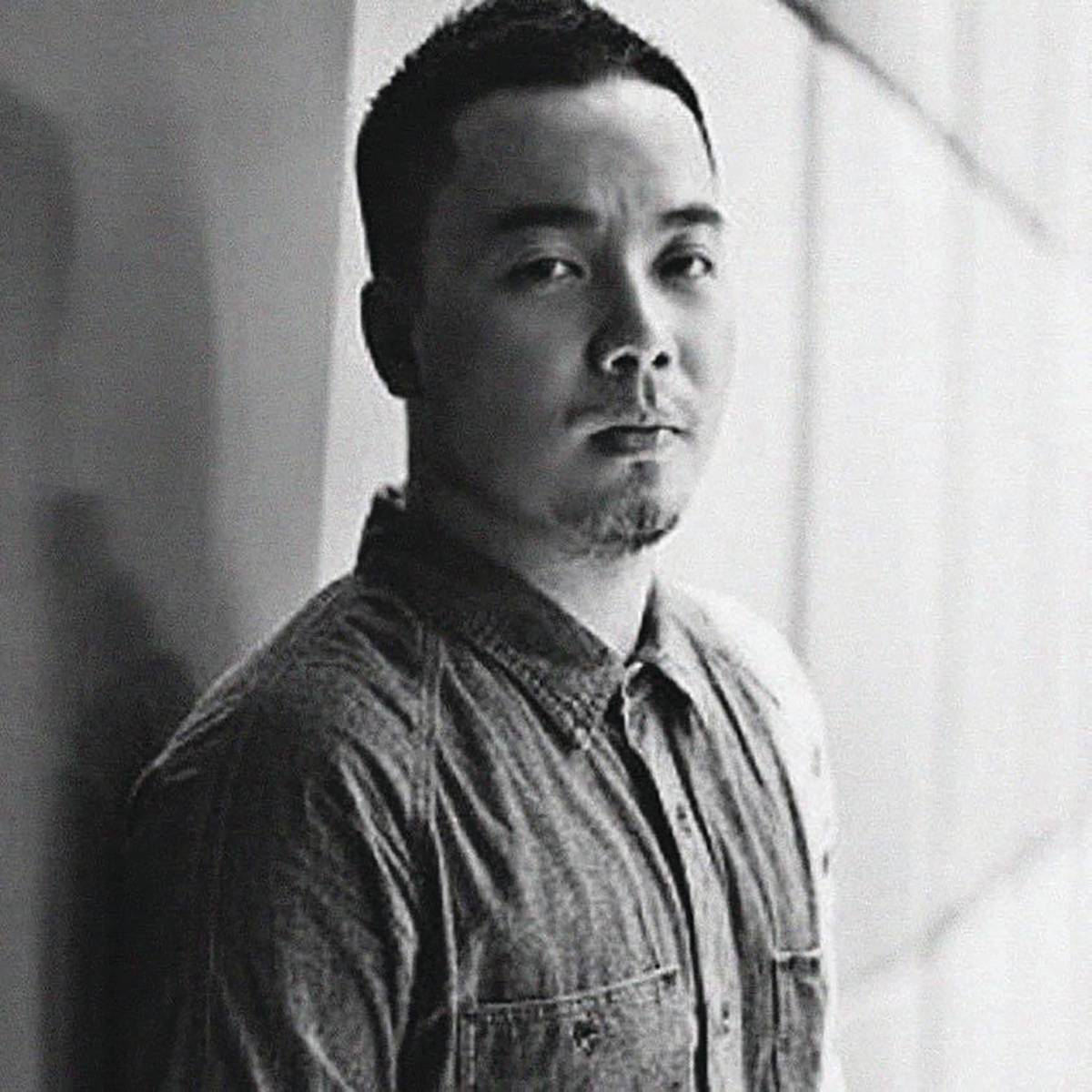
Ken Samudio of Ken Samudio.
KEN SAMUDIO of KEN SAMUDIO
How was the experience being a part of the TAYO Fashion Week?
It was a great experience for a brand to be able to do a pop-up in Osaka, especially in an amazing luxury store like Hankyu.
Briefly tell us about your collection. How did you incorporate Filipino elements in your pieces?
As always, my collection is inspired by the artisans who lent their creative magic on each collection I create. I am influenced by nature, color, and texture.
How will Filipino fashion stand out in the competitive Japanese fashion scene?
I think if we stick to what we do best like handcrafted artisanal pieces inspired by nature and our culture, we will stand out in the Japanese market because what we create from the heart is unique and awe-inspiring.

Joyce Ortiz Mäkitalo of J Mäkitalo.
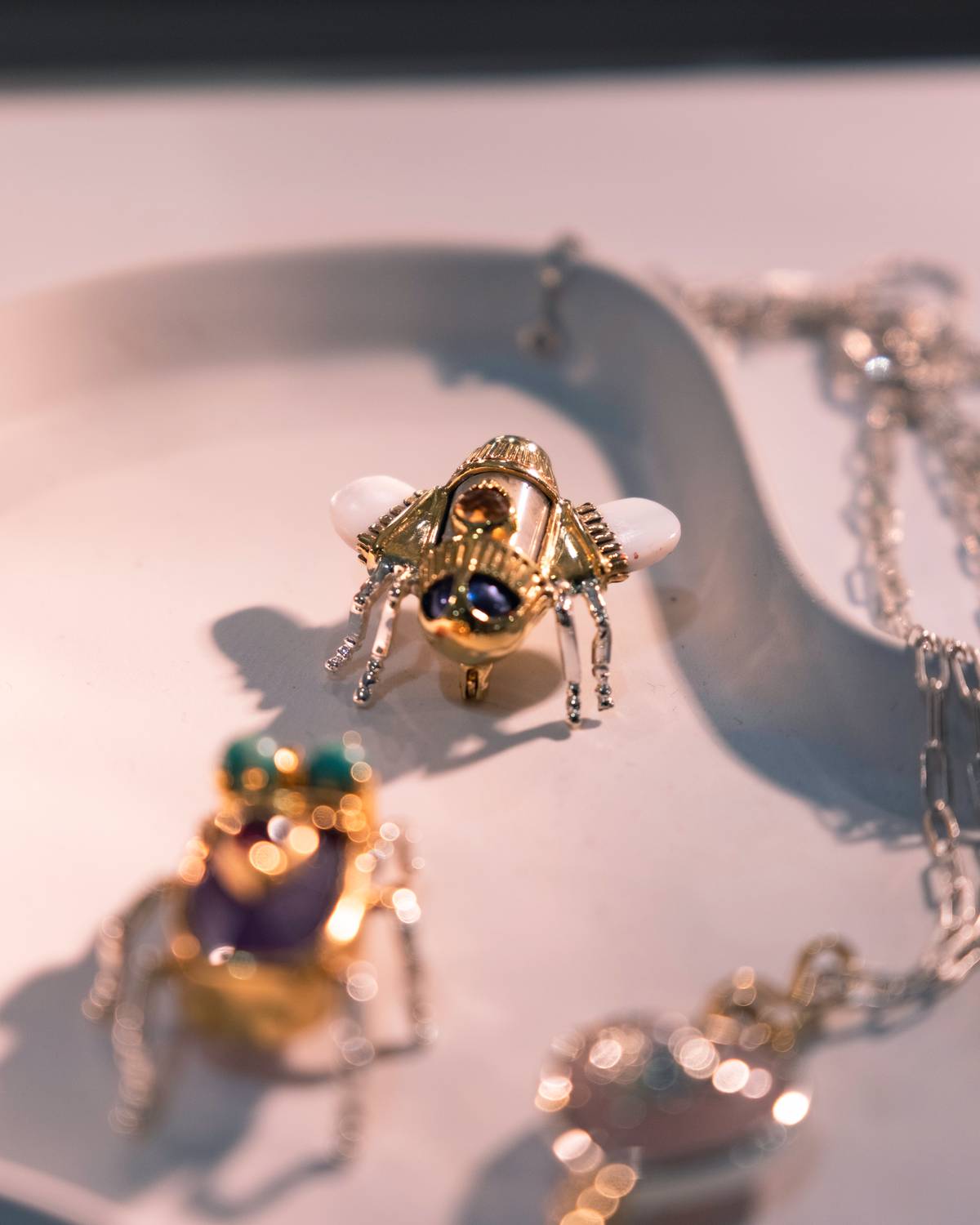
Artisanal jewelry by J Mäkitalo.
JOYCE ORTIZ MÄKITALO J MÄKITALO
How was the experience being a part of the TAYO Fashion Week?
This year’s TAYO Showcase was our very first commercial venture and we all didn’t know what to expect. We were just grateful for the generous feedback we received from shoppers and visitors.
Briefly tell us about your collection. How did you incorporate Filipino elements in your pieces?
I created a special capsule collection called RamaLuna, using recycled 18k gold and vintage cultured pearls. Coincidentally, they originated from Japan. I had them stashed away for almost three years, and suddenly I just remembered to use them. I chose to use pearls because it is one gem that both Filipino and Japanese adore. Everything, of course, was Philippine-made, handmade in our studio.
How will Filipino fashion stand out in the competitive Japanese fashion scene?
My brand tends to be a bit bolder and louder than most contemporary Japanese jewelry design. At the beginning, I thought it wasn’t a good thing — it crossed my mind to make smaller, daintier things to suit the Japanese taste. But it was a good decision to stick to the size and silhouette I’ve been used to. A brand’s fearless authenticity will make it stand out, whether it be in the Japanese market or anywhere else in the world.
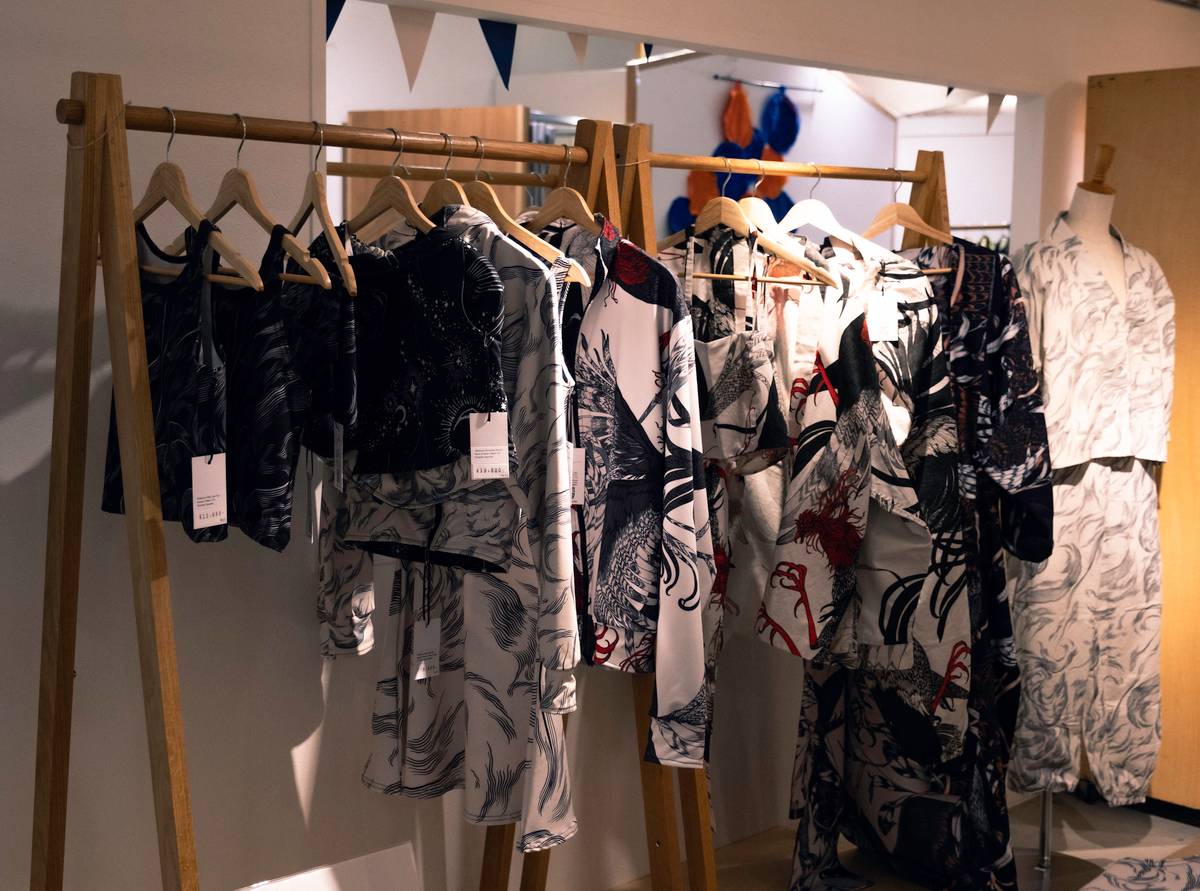
Athleisure line by Feanne, featuring motifs from Philippine Flora and Fauna.
Exhibit Photographs courtesy of Patrick Tillada
FEANNE FEANNE
How was the experience being a part of the TAYO Fashion Week?
It was exciting! It was my first time to have my pieces available at a Japanese mall.
Briefly tell us about your collection. How did you incorporate Filipino elements in your pieces?
Most of my textile prints incorporated Philippine flora and fauna.
How will Filipino fashion stand out in the competitive Japanese fashion scene?
Japanese shoppers commented that they found our pieces unique and interesting. Each designer in our group had a distinct style. For my work, I believe the textile print designs caught their attention.
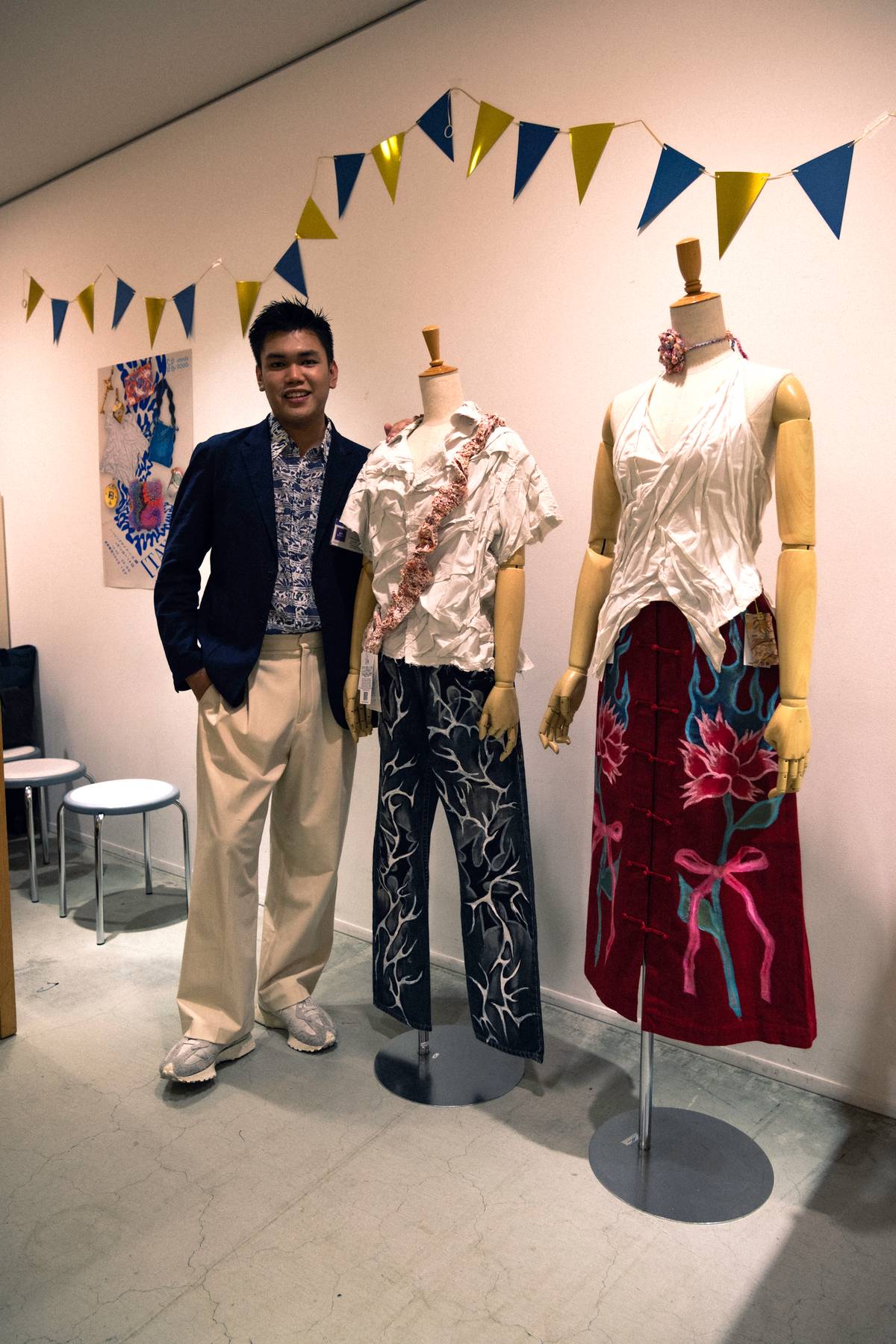
Dars Juson of REPAMANA, TAYO Young Designer Showcase Program recipient.
Dars Juson REPAMANA
TAYO Young Designer Showcase Program Recipient
How was the experience being a part of the TAYO Fashion Week?
As the guest designer for this year’s TAYO’s Young Designer Showcase, we were grateful to be chosen. The experience was very insightful.
Briefly tell us about your collection. How did you incorporate Filipino elements in your pieces?
This resort capsule collection for Osaka consisted of the brand’s crowd favorites. We introduced speckles of colors and prints. We brought in artist collaborators, such as a crochet designer from Laguna, and a footwear brand from Marikina.
This is a celebration of honoring both cultures of the Philippines and Japan, bridging the differences through craft and fashion. We shared our brand by bringing in contemporary designs and fresh perspectives as our gifts to the Japanese. It showcased our passion for giving second life to discarded textiles and garments.
How will Filipino fashion stand out in the competitive Japanese fashion scene?
I believe that genuine craft of Filipinos will always stand out to an international audience. Our diverse perspectives and experiences will always be our advantage in creating globally-admired products.